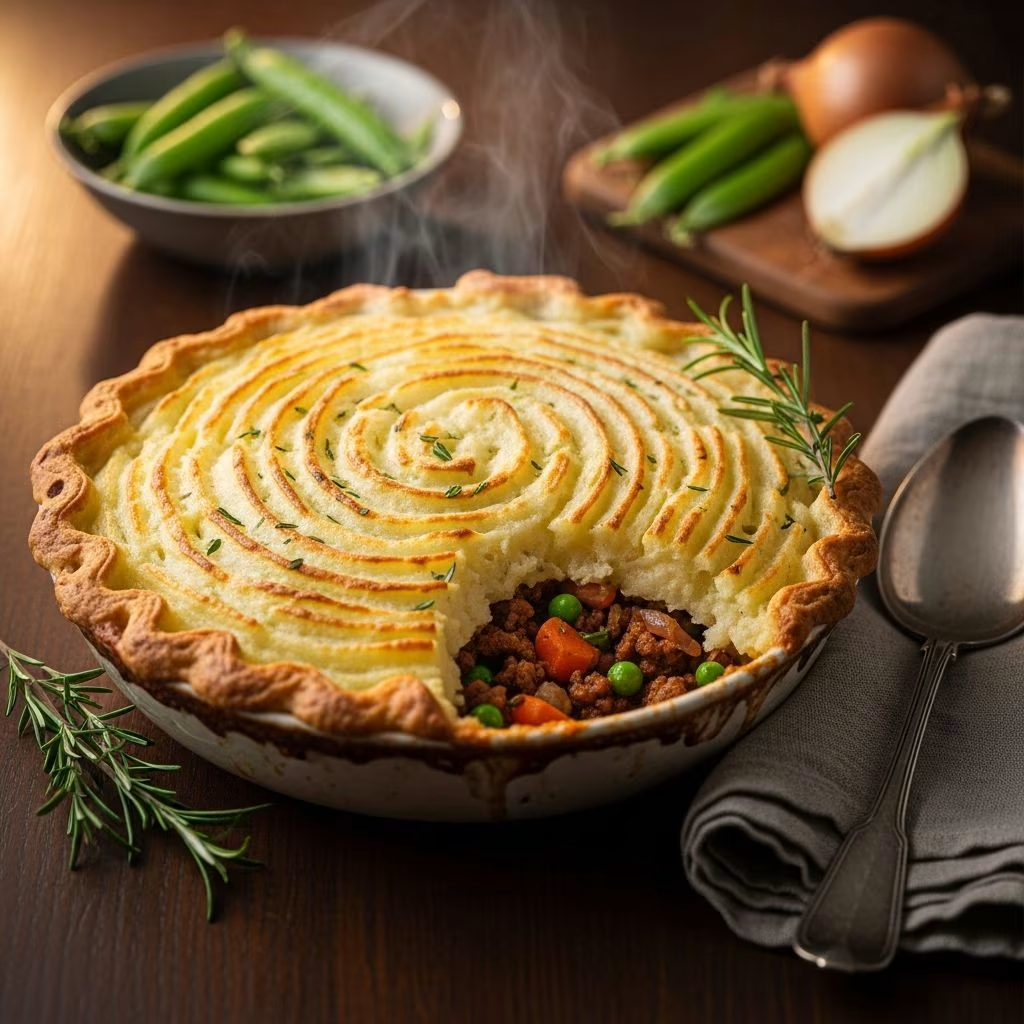
Shepherd’s pie stands as one of the most beloved comfort food dishes across many cultures, particularly within Irish and British culinary traditions. This hearty casserole combines a robust meat-based filling with a generous layer of creamy mashed potatoes, creating a satisfying meal that has been enjoyed for generations. The beauty of this dish lies not only in its comforting flavors but also in its adaptability to various ingredients and cooking preferences.
Understanding the Fundamentals of Shepherd’s Pie
At its core, shepherd’s pie represents simplicity in culinary execution. The dish traditionally features ground meat—historically lamb, though modern interpretations frequently employ beef—layered beneath a substantial mashed potato topping. The filling typically includes an aromatic base of onions and garlic, complemented by a selection of vegetables that add both texture and nutritional value. What distinguishes this dish from similar casseroles is the rich, gravy-like consistency achieved through the careful combination of broth, tomato paste, and flour.
The name itself carries historical significance. When prepared with lamb, it is called shepherd’s pie, referencing the shepherds who historically herded flocks. When made with beef, some regions refer to it as cottage pie, though many modern cooks use the terms interchangeably.
Essential Components and Quality Ingredients
Selecting Your Protein
The protein foundation determines much of your dish’s character. Traditional preparations call for ground lamb, which imparts a distinctive, slightly gamey flavor that many consider authentic. Ground beef presents a more accessible alternative that appeals to broader palates and typically costs less. For those seeking a lighter option, ground turkey offers reduced fat content without sacrificing the structural integrity of the filling.
When choosing ground meat, opt for lean varieties—ideally 85 to 90 percent lean beef or lamb—as this provides adequate fat for flavor development while preventing an overly greasy final dish. The fat content contributes essential richness to the filling and helps carry flavors throughout the casserole.
Vegetable Selection and Preparation
A well-executed shepherd’s pie incorporates multiple vegetables that contribute distinct textures and flavors. The foundational vegetable base typically includes:
- Yellow or sweet onions, diced into uniform pieces for consistent cooking
- Carrots, either fresh and chopped or frozen, which add natural sweetness
- Frozen peas, providing bright color and subtle sweetness
- Corn kernels, adding textural contrast and mild flavor
- Fresh garlic, minced finely to distribute throughout the filling
Some contemporary recipes incorporate additional vegetables such as celery or fresh fennel bulb, though these remain optional enhancements rather than essential components. The frozen vegetable option proves particularly convenient, as these products are harvested and frozen at peak ripeness, preserving nutritional content while simplifying preparation.
The Mashed Potato Topping
The potato layer transforms this dish from simple casserole to comfort food masterpiece. Selection of potato variety matters considerably—russet potatoes are preferred by many cooks for their high starch content, which yields a lighter, fluffier texture. Yukon gold potatoes offer an alternative, providing a naturally buttery flavor and creamier consistency.
The topping typically incorporates butter, milk or cream, salt, and pepper. Some recipes enhance the potato layer with additions such as sour cream, half-and-half, or even shredded cheddar cheese. These additions elevate the topping from simple mashed potatoes to a luxurious component worthy of the hearty filling beneath.
Flavor-Building Ingredients
Several ingredients work synergistically to create the characteristic depth and richness of shepherd’s pie:
| Ingredient | Function | Typical Amount |
|---|---|---|
| Beef broth | Liquid base that creates gravy consistency | 1-2 cups |
| Tomato paste | Adds umami depth and slight acidity | 2 tablespoons |
| Worcestershire sauce | Contributes savory, complex flavors | 1-2 tablespoons |
| All-purpose flour | Thickens the filling to proper consistency | 2-4 tablespoons |
| Fresh herbs (rosemary, thyme) | Provide aromatic complexity | 1-2 teaspoons dried or fresh sprigs |
Step-by-Step Preparation Methodology
Preparing the Potato Layer
Begin by selecting six to eight medium potatoes, peeling them and cutting into uniform chunks approximately one inch in size. This uniformity ensures even cooking throughout. Place the cut potatoes in a large pot of cold, salted water and bring to a boil. Cook until the potatoes are fork-tender, typically requiring 15 to 20 minutes depending on your specific potato size and stove intensity.
Once cooked, drain the potatoes thoroughly using a colander. Return them to the pot and allow them to rest briefly—this evaporation period removes excess moisture that could compromise the texture of your mashed potatoes. Using a potato ricer or masher, process the potatoes until you achieve your desired consistency. Many cooks prefer a somewhat chunky texture rather than perfectly smooth potatoes, though personal preference governs this choice.
Incorporate butter, warm milk or cream, salt, and pepper into the mashed potatoes, stirring gently to combine. If adding cheese, fold it in carefully to ensure even distribution. The finished mashed potato layer should be creamy yet hold its shape when spooned.
Creating the Meat and Vegetable Filling
Heat olive oil in a large skillet over medium-high heat. Once the oil shimmers, add the diced onions and cook for approximately three to four minutes, stirring occasionally, until they begin to soften and turn translucent. Add minced garlic during the final minute of this cooking period to prevent burning.
Add your selected ground meat to the skillet, breaking it apart with a wooden spoon as it cooks. Continue cooking until the meat is thoroughly browned and no pink remains, approximately five to seven minutes. Drain excess fat from the pan if desired, though modest fat retention contributes to overall flavor.
Sprinkle the flour over the browned meat and vegetable mixture, stirring constantly for one minute. This step allows the flour to lightly toast, which enhances its thickening capability. Add the tomato paste, stirring for an additional one to two minutes—this cooking period mellows the acidic bite of the tomato paste while allowing its umami qualities to emerge.
Building the Filling Sauce
Gradually pour the beef broth into the skillet, stirring continuously to prevent lumps from forming. Add the Worcestershire sauce, dried herbs (rosemary and thyme), salt, and pepper. If your recipe includes soy sauce, this addition contributes additional savory depth. Bring the mixture to a gentle simmer and cook for approximately five minutes, during which the sauce will thicken as the flour continues to hydrate and swell.
Add the frozen vegetables—peas, carrots, and corn—during the final minute of cooking. Stir to combine evenly, ensuring all vegetables are submerged in the sauce. The residual heat will continue to cook these vegetables gently, preserving their texture and nutritional content.
Assembly and Baking Procedures
Preheat your oven to 350 degrees Fahrenheit. Transfer the meat and vegetable filling to a nine-by-thirteen-inch baking dish or similar casserole vessel, spreading it into an even layer. Pour any excess sauce over the filling to ensure adequate moisture throughout.
Using a spatula or the back of a spoon, carefully spread the mashed potato topping over the meat filling, working from the center outward. Create an even layer approximately three-quarters of an inch thick. Some cooks prefer to leave the surface rough with peaks and valleys to create additional crispy edges during baking, while others smooth the surface for a more uniform appearance.
Bake the assembled shepherd’s pie for 25 to 30 minutes, until the potato topping achieves a light golden-brown color and the filling bubbles around the edges. For a more intensely browned top, increase oven temperature to 425 degrees Fahrenheit during the final five minutes of baking, watching carefully to prevent over-browning.
Allow the finished dish to rest for five to ten minutes before serving. This resting period allows the layers to set slightly, making serving cleaner and more attractive while ensuring the filling cools to a comfortable eating temperature.
Creative Variations and Adaptations
While the traditional shepherd’s pie remains a masterpiece of simplicity, numerous creative interpretations have emerged. A bacon cheeseburger variation incorporates crispy bacon and replaces standard broth with cheddar cheese soup, creating a richer, more decadent filling. The mashed potato topping receives an additional cheddar layer that crisps and browns beautifully during baking.
Seafood enthusiasts can adapt the concept using shrimp combined with mushrooms and vegetables, creating an entirely different flavor profile while maintaining the comforting structure of the original dish. Those seeking lighter options might substitute ground turkey for beef or lamb, reducing overall fat content while preserving satisfying portions.
For adventurous cooks, adding fresh herbs such as chopped chives or parsley to either the filling or the mashed potato topping introduces bright, fresh notes. Some contemporary recipes incorporate a thin layer of colcannon—mashed potatoes mixed with shredded cabbage and leeks—as an alternative topping, adding textural complexity.
Storage and Make-Ahead Considerations
Shepherd’s pie demonstrates excellent freezer-friendliness, making it an ideal candidate for advance preparation. The assembled, unbaked casserole can be wrapped tightly in plastic wrap and aluminum foil, then frozen for up to three months. When ready to prepare, transfer the frozen casserole directly to the oven and increase baking time by approximately 15 to 20 minutes, checking periodically for doneness.
Cooked shepherd’s pie stores well in the refrigerator for three to four days when kept in an airtight container. Reheat individual portions in the microwave or the entire casserole in a 350-degree oven until warmed through, typically requiring 15 to 20 minutes.
Frequently Asked Questions
- What is the difference between shepherd’s pie and cottage pie?
- While the terms are sometimes used interchangeably today, traditionally shepherd’s pie contains lamb while cottage pie uses beef. The preparation methods remain identical.
- Can I make shepherd’s pie without dairy?
- Yes. Replace dairy milk with plant-based alternatives such as oat or almond milk. Use dairy-free butter for the mashed potatoes. The texture and flavor will differ slightly but remain satisfying.
- How can I prevent a watery filling?
- Ensure proper thickening by allowing the flour to cook adequately after adding broth, and simmer the filling long enough for the sauce to reach desired consistency before adding potatoes and vegetables.
- Can I substitute fresh potatoes with instant mashed potatoes?
- While possible, fresh potatoes provide superior texture and flavor. Instant mashed potatoes tend to produce a denser, less appealing topping.
- What vegetables work best in the filling?
- Traditional choices include peas, carrots, and corn. Celery, green beans, and mushrooms are excellent alternatives. Avoid vegetables with very high water content that may compromise the sauce consistency.
Serving Suggestions and Pairings
Shepherd’s pie presents beautifully as a standalone main course, requiring no accompaniments beyond perhaps a simple green salad with vinaigrette dressing. The dish naturally contains protein, vegetables, and carbohydrates, creating a nutritionally complete meal.
For those desiring additional components, consider serving alongside crusty bread for soaking up excess sauce, pickled vegetables for palate cleansing, or roasted Brussels sprouts for additional vegetables. A modest pour of red wine or a crisp ale complements the savory, hearty flavors beautifully.
References
- The History and Evolution of Shepherd’s Pie — The Country Cook. 2024. https://www.thecountrycook.net/the-best-shepherds-pie/
- Potato Selection for Mashed Potato Dishes — The Modern Proper. 2024. https://themodernproper.com/shepherds-pie
- Creative Shepherd’s Pie Variations — 12 Tomatoes. 2024. https://12tomatoes.com/shepherds-pie-eight-ways/
- Ground Beef and Lamb in Casserole Dishes — The Wholesome Dish. 2024. https://www.thewholesomedish.com/the-best-classic-shepherds-pie/
- Umami and Flavor Development in Meat Sauces — Foodie Crush. 2024. https://www.foodiecrush.com/shepherds-pie/