Stuffing stands as one of the most cherished dishes on the holiday table, offering warmth, tradition, and comfort in every bite. While many families have their signature recipes passed down through generations, the appeal of a well-executed sausage stuffing transcends regional boundaries. The combination of seasoned pork products with aromatic vegetables and carefully selected herbs creates a dish that satisfies both nostalgia and contemporary palates. This guide explores the methodology behind crafting an exceptional sausage stuffing that honors culinary tradition while remaining accessible to home cooks of varying skill levels.
Understanding the Foundation: Quality Ingredients Matter
The distinction between ordinary and remarkable stuffing begins with ingredient selection. Rather than treating this side dish as an afterthought, approaching it with intention transforms the final result. Each component serves a specific function in building layers of flavor and achieving the desired texture. The foundation relies on three primary elements: bread, sausage, and broth, with supporting players including vegetables, herbs, and butter.
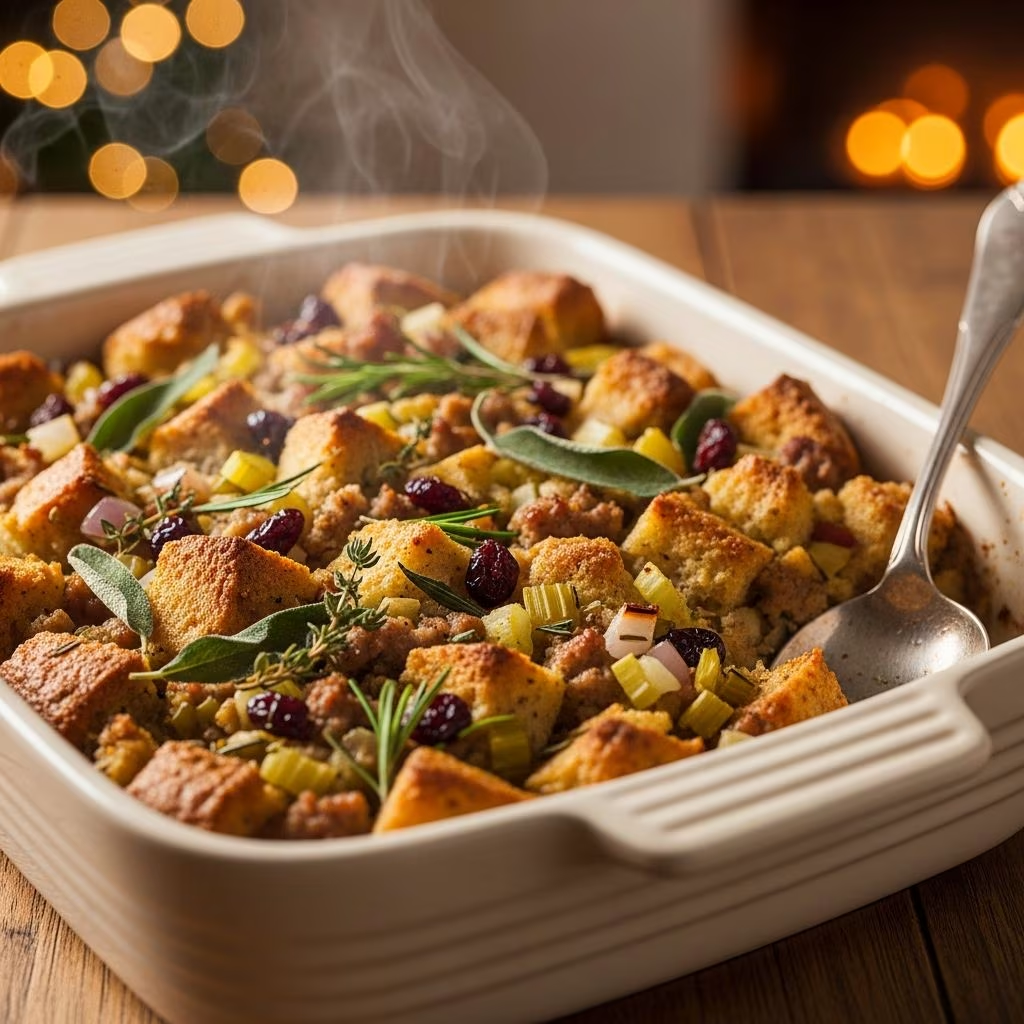
Bread forms the structural backbone of any stuffing. Many cooks opt for pre-cubed commercial varieties, which offer convenience and consistency. However, the quality of these cubes varies significantly among brands. Selecting a stuffing that uses real bread without excessive additives ensures better absorption of moisture and superior flavor development during baking. Some traditional recipes employ day-old French bread torn into irregular pieces, allowing for varied texture throughout the finished dish.
Italian sausage provides the savory essence that elevates stuffing from simple bread pudding to a substantial, protein-rich side dish. The choice between sweet and hot Italian sausage depends on personal heat preference and family tradition. Sweet Italian sausage offers a milder, more herb-forward profile, while hot varieties introduce spice that can complement or dominate depending on quantity used. Bulk sausage, with casings removed, integrates more seamlessly throughout the mixture compared to whole links that require additional processing.
Broth serves dual purposes: adding moisture and infusing flavor. Chicken broth represents the most common choice, offering a neutral backdrop that allows other flavors to shine. The quality of broth matters—homemade versions or premium store-bought options contain superior flavor compared to lower-sodium commercial varieties. Temperature of the broth when added to the bread cubes influences absorption rate and final texture.
The Vegetable Component: Building Aromatic Depth
Beyond the trinity of bread, sausage, and broth exists a critical vegetable layer that professional cooks recognize as essential. Onions and celery form the aromatic base, providing textural contrast and subtle sweetness that balances savory sausage. These vegetables undergo a careful cooking process that requires attention to timing and heat management.
Yellow onions, when properly diced into uniform pieces, cook down to tender, translucent pieces within minutes of medium-heat sautéing. The butter used during this process isn’t merely a cooking medium—it acts as a flavor carrier, absorbing onion sweetness and transferring it throughout the stuffing. Overcooking onions results in bitterness, while undercooking leaves unpleasant textural notes that distract from the overall dish.
Celery contributes a different quality to the vegetable foundation. Its inherent herbaceousness complements both the earthiness of sausage and the brightness of sage. Dicing celery into pieces similar in size to onion pieces ensures even cooking. Many experienced cooks emphasize scraping every last bit of vegetable from the sauté pan, preventing excess browning or burning that would introduce unwanted bitter notes to the finished stuffing.
Some traditional recipes incorporate mushrooms, adding umami depth and an elegant textural variation. When included, mushrooms should be sliced uniformly and sautéed separately until golden brown before integration into the broader mixture. This separate cooking prevents excess moisture from being released directly into the bread cubes, which would compromise the intended consistency.
Herb Selection and Seasoning Strategy
The aromatic profile of exceptional stuffing relies on thoughtful herb integration. Sage stands as the traditional dominant herb, its earthy, slightly peppery character providing the flavor signature most people associate with holiday stuffing. Whether using fresh sage rubbed between fingers to release oils or dried sage from the pantry, the quantity requires careful calibration. Too much sage overwhelms other flavors, while insufficient sage leaves the stuffing tasting incomplete.
Secondary herbs support and enhance sage’s contribution. Thyme offers subtle floral notes and works in concert with sage to create complexity. Rosemary, with its piney intensity, should be used sparingly, as its strength can dominate if not carefully controlled. Fresh parsley serves primarily as a finishing touch, adding brightness and a fresh herbaceous note that prevents the dish from becoming too heavy or one-dimensional.
A modest pinch of nutmeg introduces a warming spice note that many diners cannot consciously identify but immediately sense as “rightness.” This spice occupies a similar aromatic space to sage, creating harmony rather than competition. Salt and pepper require tasting and adjustment throughout the cooking process, as these seasonings cannot be fully evaluated until all components combine.
The Preparation Process: Technique and Timing
Successful stuffing preparation follows a logical sequence that maximizes flavor development while maintaining control over the final texture. The process begins with vegetable sautéing in a heavy-bottomed pan with ample butter. This initial step should proceed over medium heat, allowing vegetables to soften gradually without browning excessively. Approximately eight minutes of cooking time typically achieves the ideal translucent texture for onions and tender consistency for celery.
Once vegetables reach optimal softness, sausage cooking commences in the same pan. The residual butter and vegetable fond provide additional flavor to the sausage, creating a more cohesive final dish. Using a metal spatula to break the sausage into small, uniform pieces during cooking ensures even browning and prevents large clumps that would create textural inconsistency. Cooking the sausage over medium heat for eight to ten minutes allows it to brown thoroughly while remaining moist.
The integration of sausage and vegetables with bread cubes represents a critical juncture. Transferring the pan contents—including all the rendered fat and concentrated flavors—over the bread ensures maximum flavor absorption. This fat-enriched mixture coats each bread cube, creating a foundation for moisture to absorb evenly. Gentle folding and mixing at this stage prevents excessive compression that would result in a dense, heavy final texture.
Broth addition follows a deliberate, measured approach. Rather than dumping all liquid into the mixture simultaneously, adding broth incrementally allows for monitoring of moisture absorption. The bread cubes should transition from firm to soft, with liquid thoroughly absorbed rather than pooling at the bottom of the baking dish. This technique requires judgment and attentiveness, as different bread types and humidity levels affect absorption rates.
Baking Considerations and Texture Development
Once the stuffing mixture achieves the desired consistency, transferring it to a buttered baking dish prepares it for the final transformation through baking. A 350°F oven temperature provides sufficient heat to develop flavors and set the structure without excessive surface browning that would create dryness. Covering the baking dish with foil during the initial portion of baking traps steam, promoting even cooking throughout the dish.
The baking duration typically ranges from forty-five to seventy-five minutes, depending on the volume of stuffing and specific recipe formulation. Removing the foil during the final twenty to thirty minutes of baking allows the surface to develop a golden-brown crust that provides textural contrast to the soft interior. This crust formation concentrates flavors through moisture evaporation, creating more intense seasoning in the top layer.
The doneness assessment combines visual and tactile evaluation. The surface should display a rich golden-brown color without appearing burnt or excessively dark. Inserting a knife or skewer into the center reveals whether moisture levels are appropriate—the stuffing should be moist but not waterlogged, with no visible liquid pooling in the baking dish.
Make-Ahead Strategies and Storage Solutions
Modern home entertaining often requires advance preparation, and stuffing accommodates this need elegantly. Assembling the complete mixture up to one day prior to baking maintains quality while reducing day-of pressure. Storing the assembled stuffing in the refrigerator in a covered baking dish prevents moisture loss and allows flavors to continue developing. Cold stuffing will require slightly extended baking time, as the ingredients begin at refrigerator temperature rather than room temperature.
Freezing cooked stuffing extends the utility of this dish significantly. Properly cooled stuffing transferred to airtight containers can remain frozen for up to three months without quality deterioration. When ready to serve frozen stuffing, thawing in the refrigerator overnight followed by gentle reheating, covered with foil at 325°F, restores the intended texture and flavor. This approach allows cooks to prepare stuffing weeks in advance, particularly valuable for those hosting multiple holiday gatherings throughout the season.
Customization and Variation Opportunities
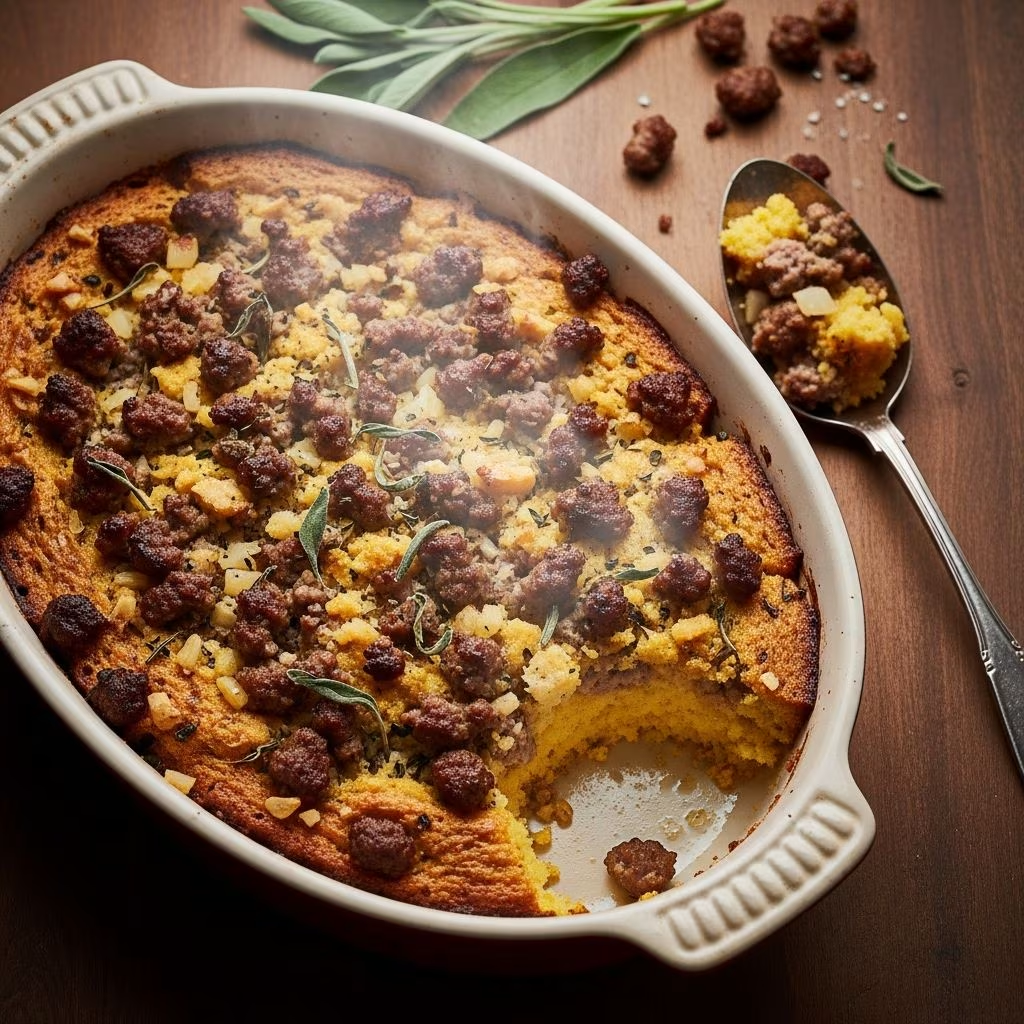
While this traditional sausage stuffing recipe represents an excellent foundation, variations accommodate different preferences and dietary considerations. Substituting bulk Italian sausage with other varieties—including chicken Italian sausage for lighter applications or omitting sausage entirely for vegetarian iterations—maintains the essential structure while modifying the flavor profile.
Bread selection influences both flavor and texture significantly. Cornbread-based commercial stuffing cubes introduce subtle sweetness and a lighter crumb structure. Traditional herb-seasoned varieties offer a more assertive flavor foundation. Experimentation with different bread types and their combinations allows home cooks to develop a signature version that resonates with personal preferences.
Vegetable additions beyond onions and celery open creative possibilities. Diced bell peppers introduce color and sweetness, while mushroom varieties including cremini, shiitake, or oyster mushrooms add sophistication and umami depth. Incorporating dried fruits such as cranberries or apricots provides brightness and textural interest.
Troubleshooting Common Issues
Even experienced cooks encounter occasional challenges with stuffing preparation. Excessive dryness typically results from insufficient liquid addition or overly extended baking time. Adding additional warmed broth during assembly or covering the baking dish with foil for the entire baking duration corrects this issue. Conversely, stuffing that remains soggy suggests too much liquid relative to bread quantity or inadequate baking time to allow proper moisture evaporation.
Burnt edges or an overly dark surface indicate oven temperature that is too high or insufficient foil coverage during baking. Using an oven thermometer to verify actual oven temperature often reveals discrepancies between dial settings and actual heat. Adjusting oven racks to lower positions moves the stuffing away from direct top heating elements.
Flavor that feels one-dimensional often points to insufficient salt or inadequate herbal seasoning. Tasting the assembled mixture before baking allows final seasoning adjustments. Remember that flavors intensify during cooking as moisture evaporates, so conservative initial seasoning prevents over-salting the finished dish.
Complementary Flavors and Table Presentation
Sausage stuffing integrates beautifully into a comprehensive holiday menu. Its rich, savory character balances lighter poultry preparations and complements vegetable-forward sides. Providing garnish elements such as fresh herb sprigs or edible flowers adds visual interest to the serving dish. Serving stuffing warm from the oven, perhaps with a light drizzle of additional melted butter, enhances perceived quality and taste experience.
Portioning consideration influences both service efficiency and guest satisfaction. Cutting or scooping stuffing into individual portions prevents excessive compression during serving, maintaining the delicate structure developed through careful baking. Using a well-buttered spoon or knife facilitates cleaner portions.
Nutritional Context
Understanding the nutritional profile of sausage stuffing informs reasonable portion planning. The combination of bread, fat from sausage, and butter creates a calorie-dense side dish. A typical serving provides substantial energy alongside complete proteins from sausage and carbohydrates from bread. Vegetable components contribute fiber and micronutrients, supporting overall nutritional balance within the broader meal context.
Frequently Asked Questions
- Can I make stuffing without sausage?
- Yes, absolutely. Omitting sausage creates a traditional vegetable-based stuffing. Increase butter quantity slightly and consider adding additional herbs or nuts for increased flavor and texture complexity.
- What type of sausage works best?
- Sweet Italian sausage provides traditional mild flavor, while hot Italian sausage introduces spice. Bulk sausage integrates more evenly than whole links.
- How far ahead can I prepare stuffing?
- Assembled stuffing keeps refrigerated for up to one day. Cooked stuffing freezes successfully for three months when properly stored in airtight containers.
- Why is my stuffing too dry?
- Insufficient liquid or excessive baking time causes dryness. Add additional broth during assembly or reduce uncovered baking time. Ensure foil covers the dish initially.
- Can I use fresh bread instead of commercial cubes?
- Definitely. Day-old French bread torn into pieces offers excellent results. Dry the bread pieces at 300°F for approximately forty-five minutes before incorporating into the mixture.
- What’s the ideal baking temperature?
- 350°F provides optimal heat for developing flavors and setting structure without excessive browning. Verify your oven temperature with a thermometer for accuracy.
References
- Traditional Sausage Stuffing Recipe — Melissa Jo Real Recipes. https://melissajorealrecipes.com/traditional-sausage-stuffing/
- Great-Grandmother’s Sausage Stuffing Recipe — Foxfire Farm. https://www.foxfirefarmmd.com/foxfire-farm-blog/great-grandmothers-sausage-stuffing-recipe
- Easy Sausage Stuffing Recipe — The Modern Proper. https://themodernproper.com/classic-sausage-stuffing