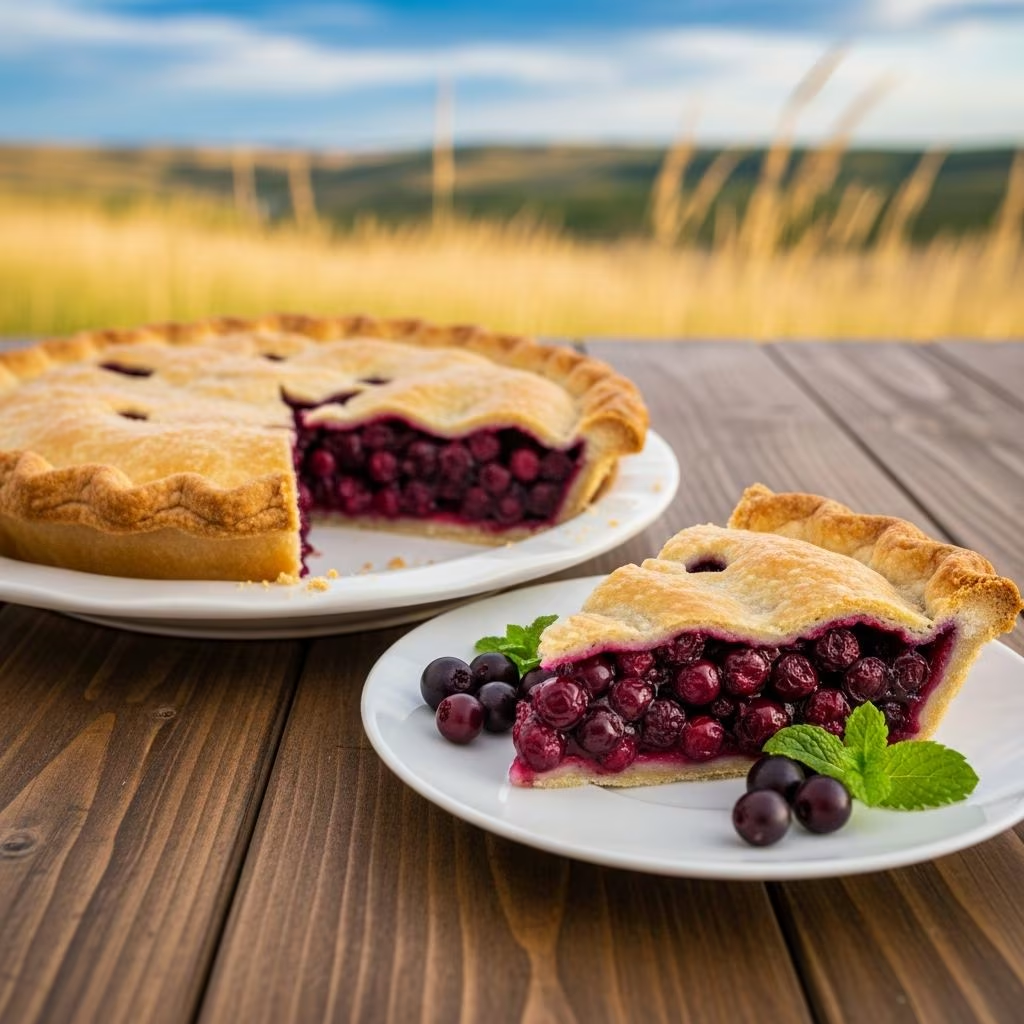
Saskatoon pie represents one of Canada’s most cherished regional desserts, particularly treasured across the prairie provinces where these distinctive berries flourish naturally. This delightful confection combines the delicate tartness of saskatoon berries with flaky pastry and sweet filling, creating a dessert that captures the essence of northern North American culinary traditions. Whether you’re a seasoned baker or approaching pie-making for the first time, understanding the nuances of preparing this classic treat will elevate your baking repertoire and impress family and friends alike.
Understanding Saskatoon Berries and Their Culinary Properties
Saskatoon berries are small, dark purple fruits that grow wild across the Canadian prairies and northern regions of the United States. These berries possess a unique flavor profile that distinguishes them from more common berries, offering a subtle blend of sweetness with underlying tart notes. The berries’ natural pectin content makes them ideal for pie fillings, as they naturally thicken during cooking without requiring excessive cornstarch or other thickening agents.
When selecting saskatoon berries for your pie, you have several options available to home bakers. Fresh berries, when in season during mid-summer months, deliver the most vibrant flavor and appealing texture. However, frozen saskatoon berries work exceptionally well and are often more accessible to those living outside the prairie regions. If you cannot locate saskatoon berries at your local market, some bakers successfully substitute blueberries, though the resulting pie will have a slightly different flavor character.
Essential Ingredients for Saskatoon Pie Preparation
Creating an outstanding saskatoon pie requires careful attention to ingredient quality and proportions. The following components form the foundation of a successful recipe:
Berry Filling Components
- Saskatoon berries (4-5 cups, fresh or frozen)
- Granulated white sugar (½ to ¾ cups, depending on berry sweetness)
- Cornstarch or sweet rice flour (2-3½ tablespoons for thickening)
- Fresh lemon juice (1-2 tablespoons for brightness)
- Water (¼ cup, added only if using fresh berries)
- Almond extract or rosewater (optional, ¼ to 1 teaspoon for enhanced flavor)
- Salt (½ teaspoon for flavor balance)
- Butter (2-3 tablespoons, cubed for dotting filling)
Crust and Assembly Materials
- Pie pastry for double crust (two discs, homemade or store-bought)
- Large egg (for egg wash)
- White granulated sugar (1 tablespoon for crust topping)
- Milk or cream (optional, for a more delicate wash)
Preparing Your Pie Filling: The Foundation of Success
The quality of your pie filling directly determines the success of your finished dessert. Begin by combining your saskatoon berries with water in a medium saucepan. If using frozen berries, add the full ¼ cup of water specified in most recipes; if using fresh berries, reduce this to minimal water since fresh berries contain more natural moisture. Place the pan over medium heat and allow the berries to simmer for approximately 5-10 minutes, stirring occasionally to ensure even cooking.
While the berries warm, prepare your thickening mixture by whisking together the cornstarch and sugar in a separate small bowl. This preliminary combination ensures even distribution of the thickening agent throughout your filling, preventing lumps from forming when the mixture is added to the hot berries. Once the berries have released their juices and begun to soften, add this thickening mixture gradually while stirring constantly.
Bring the filling to a gentle boil and maintain this temperature for approximately 30 seconds, stirring continuously. This brief boiling period allows the cornstarch to fully activate and thicken the filling to the proper consistency. If desired, stir in almond extract or rosewater at this point for subtle flavor complexity. Allow the filling to cool completely before assembly, as this prevents premature pastry softening and ensures a crisp crust.
Constructing and Baking Your Saskatoon Pie
Oven Preparation and Temperature Management
Preheat your oven to 425°F before beginning the assembly process. This high initial temperature creates conditions for pastry expansion and browning, while the subsequent temperature reduction prevents over-baking and burning. Having your oven ready ensures that your assembled pie enters the heat source immediately, capturing the benefits of the high temperature during the crucial first baking stage.
Assembly Techniques
Begin by placing your bottom pastry disc into a 9-inch pie plate, allowing slight overhang at the edges. Some bakers prefer sprinkling a tablespoon of sugar directly onto the bottom crust before adding filling; this creates a textured, crunchy base layer that resists becoming soggy. Pour your completely cooled filling into the prepared crust, distributing it evenly across the surface. Dot the filling with small cubes of butter scattered across the top—this enriches the filling and adds subtle richness to each bite.
For the top crust, you have several creative options. A traditional full crust provides classic appearance and protection for the filling during baking. Alternatively, you can cut strips of pastry using a pastry wheel and weave them in a lattice pattern, creating an elegant presentation that allows berry juices to bubble through decoratively. If making a lattice top, carefully lay strips in both directions, pressing each intersection gently to secure.
Finishing Touches and Egg Wash Application
Regardless of which crust style you select, proper edge sealing is essential for maintaining filling integrity during baking. Press the top and bottom crusts together firmly around the perimeter, then crimp the edges using a fork or your fingers to create a decorative seal. Cut 2-3 small venting slits into the top crust to allow steam to escape during baking.
Prepare an egg wash by beating a large egg with 1 tablespoon of water or milk until thoroughly combined. Using a pastry brush, apply this mixture evenly across the top crust and around the crimped edges. This creates a beautiful golden-brown finish and adds visual appeal. Immediately after applying the egg wash, sprinkle approximately 1 tablespoon of white granulated sugar across the crust surface for added texture and subtle sweetness.
The Two-Stage Baking Process
The distinctive two-temperature baking approach ensures both proper crust browning and complete filling cooking. Place your assembled pie in the preheated 425°F oven and bake for exactly 15 minutes. During this initial stage, the high heat causes pastry expansion and browning while the filling begins to set.
After 15 minutes, carefully remove the pie from the oven and reduce the temperature to 350°F. Return the pie to the oven and continue baking for approximately 30-45 minutes depending on your specific oven characteristics. During this extended baking period, monitor the crust color carefully; if it appears to be browning too quickly or excessively, loosely tent the top with aluminum foil to prevent burning while allowing the filling to complete cooking.
The pie is finished when the pastry achieves a deep golden-brown color and you observe berry filling beginning to bubble slightly at the edges or through any venting slits. The exact baking time varies depending on oven calibration, altitude, and pie thickness, so visual inspection provides more reliable results than strict timing alone.
Cooling and Storage Considerations
Resist the temptation to slice your pie immediately after removing it from the oven. Allow the baked pie to cool on a wire rack for at least 2-3 hours, or ideally until reaching room temperature. This resting period allows the filling to set properly, ensuring clean slices rather than filling that runs across the plate. The cooling process also allows flavors to fully develop and meld together.
Once cooled to room temperature, store your saskatoon pie at room temperature for up to two days, covered loosely with plastic wrap or aluminum foil. For extended storage, refrigerate for up to five days or freeze for up to three months in an airtight container. When freezing, wrap the entire pie thoroughly in plastic wrap and aluminum foil to prevent freezer burn and flavor deterioration.
Serving Suggestions and Flavor Pairings
Saskatoon pie traditionally pairs beautifully with vanilla ice cream, which provides cool contrast to the warm berry filling and flaky pastry. Some regional variations include serving the pie with whipped cream or even thin slices of aged cheddar cheese, which creates an intriguing sweet-savory combination that appeals to adventurous palates.
For a lighter serving option, accompany each slice with fresh whipped cream and a sprinkle of lemon zest. This presentation enhances the berry’s natural tartness while maintaining focus on the pie itself. A small drizzle of berry sauce or coulis across the plate adds visual elegance and reinforces the saskatoon berry flavor.
Troubleshooting Common Baking Challenges
Addressing Filling Consistency Issues
If your filling appears too thin after cooking, insufficient cornstarch or cooking time may be responsible. Increase cornstarch by ½ tablespoon increments in future attempts, or extend the initial simmering period by several minutes. Conversely, an overly thick filling indicates excess thickening agent; reduce cornstarch by ½ tablespoon in subsequent batches.
Managing Crust Browning Problems
Crust browning too rapidly suggests oven temperature running hotter than indicated. Place an oven thermometer inside your oven to verify actual temperature, then adjust accordingly. If browning unevenly, rotate the pie 180 degrees halfway through the baking period to ensure consistent heat exposure.
Preventing Soggy Bottom Crust
A soggy bottom crust results from insufficient initial heat or filling moisture penetration. Ensure your oven preheats fully before pie placement, and consider pre-baking your bottom crust at 425°F for 5-7 minutes before adding filling. Additionally, allowing filling to cool completely before assembly prevents premature pastry softening.
Ingredient Substitutions and Variations
Creative bakers can adapt traditional saskatoon pie recipes using available ingredients. Blueberries or marionberries provide acceptable substitutes when saskatoon berries are unavailable, though flavor profiles differ noticeably. Some recipes successfully incorporate almond extract (¼ to 1 teaspoon) or rosewater (1 teaspoon) for flavor enhancement. A pinch of cinnamon or nutmeg adds warm spice notes that complement the berry’s natural tartness.
For gluten-free preparation, substitute all-purpose flour in pie crust recipes with high-quality gluten-free flour blends designed for pastry applications. Sweet rice flour works particularly well as a gluten-free thickening agent alternative to cornstarch, providing superior texture.
Why Saskatoon Pie Remains a Canadian Prairie Treasure
This distinctive dessert transcends simple pie category to represent prairie heritage, seasonal celebration, and culinary tradition. The combination of wild ingredients foraged from northern landscapes with baking techniques passed through generations creates food that connects eaters to place and history. Whether prepared following traditional methods or adapted for modern ingredient availability, saskatoon pie celebrates the unique agricultural bounty and cultural richness of Canadian prairie regions.
Frequently Asked Questions
Can I make saskatoon pie with frozen berries?
Yes, frozen saskatoon berries work excellently in pie preparation. Ensure frozen berries are unsweetened and add the additional ¼ cup of water specified for frozen fruit to compensate for reduced natural moisture content compared to fresh berries.
How far in advance can I prepare saskatoon pie?
Baked saskatoon pie stores well at room temperature for two days or refrigerated for five days. For longer storage, freeze the baked pie for up to three months in airtight wrapping. Alternatively, prepare and freeze unbaked assembled pies for baking at your convenience, adding 10-15 minutes to the total baking time.
What causes a runny filling in saskatoon pie?
Insufficient cornstarch, inadequate cooking time before assembly, or excess berry moisture cause runny filling. Ensure berries simmer for at least 5 minutes, allow filling to cool completely before assembly, and use the full cornstarch quantity recommended in your recipe.
Is store-bought pie crust acceptable for saskatoon pie?
Store-bought pie crust delivers acceptable results, though homemade pastry provides superior texture and flavor. Use thawed frozen pie crust discs according to package directions, or purchase refrigerated pie dough from the dairy section of most grocers.
What is the best way to serve saskatoon pie?
Serve cooled saskatoon pie at room temperature or slightly warmed, accompanied by vanilla ice cream, whipped cream, or cheddar cheese. Warm pie served with ice cream provides the most traditional prairie presentation.
References
- Saskatoon Pie — Lazy Spoon Farms. 2024. https://lazyspoonfarms.com/saskatoon-pie/
- Traditional Canadian Prairie Wild Saskatoon Berry Pie — A Canadian Foodie. 2011. https://www.acanadianfoodie.com/2011/08/18/traditional-canadian-prairie-wild-saskatoon-berry-pie/
- Classic Canadian Dish: Saskatoon Pie — Canadian Food Focus. 2024. https://canadianfoodfocus.org/food/classic-canadian-recipes-saskatoon-pie/
- Old Fashioned Traditional Saskatoon Pie — The Kitchen Magpie. 2024. https://www.thekitchenmagpie.com/old-fashioned-traditional-saskatoon-pie/
- Saskatoon Berry Pie Filling and Sauce — Food Meanderings. 2024. https://foodmeanderings.com/saskatoon-berry-pie-filling-and-sauce/
- Old Fashioned Saskatoon Pie: A Prairie Classic — Kitchen Frau. 2024. https://www.kitchenfrau.com/saskatoon-pie/
- Saskatoon berry pie — Wikipedia. 2024. https://en.wikipedia.org/wiki/Saskatoon_berry_pie