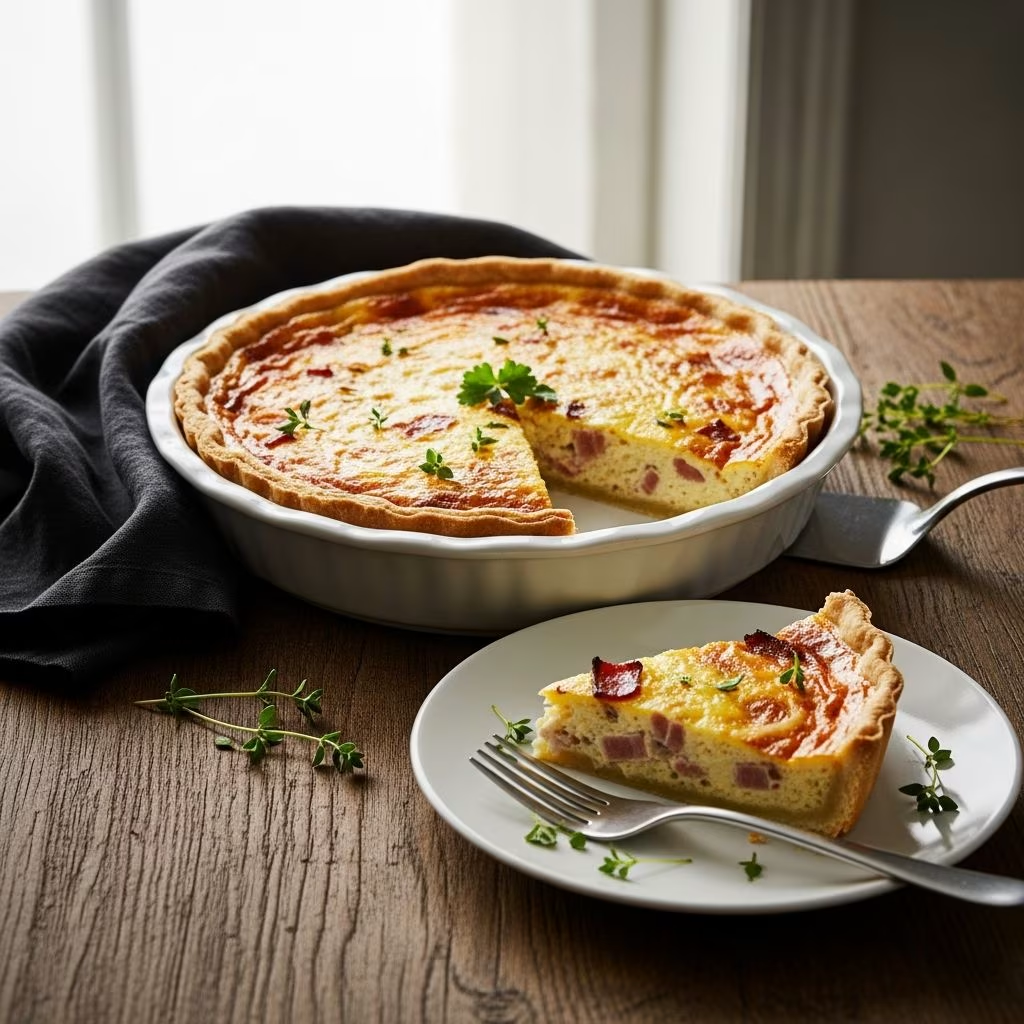
Originating from the Lorraine region in northeastern France, quiche Lorraine represents one of the most beloved and iconic dishes in French culinary tradition. This elegant savory pie combines a delicate pastry crust with a silky egg custard enriched with cream, smoky bacon, and rich cheese. What makes this dish particularly special is its versatility—it works equally well as a breakfast centerpiece, a light lunch option, or an impressive dinner entrée. The beauty of quiche Lorraine lies not only in its sophisticated flavor profile but also in its surprising ease of preparation, making it an ideal choice for both experienced home cooks and culinary newcomers.
Understanding the Foundation: The Pie Crust
The foundation of any exceptional quiche begins with a quality pie crust. A well-made crust should be flaky, buttery, and structurally sound enough to support the weight of the custard filling without becoming soggy. The crust requires careful attention during preparation, particularly when it comes to the blind baking process, which serves as a critical step in preventing a wet, undercooked bottom layer.
When preparing your pie dough, allow adequate time for the dough to rest and chill properly. Cold dough becomes easier to work with and produces superior flakiness because the butter remains solid rather than melting into the flour. Many home cooks find that preparing the dough the day before baking allows for optimal texture and flavor development.
The Pre-Baking Process: Blind Baking Explained
Blind baking, also called par-baking, represents an essential technique that separates an adequately prepared quiche from an exceptional one. This preliminary baking step partially cooks the crust before the custard filling is added, ensuring a crispy texture throughout the final baked product.
To blind bake your crust, follow these key procedures:
- Line the unbaked pie shell with parchment paper, creating a barrier between the crust and the weights
- Fill the parchment-lined crust with pie weights, dried beans, or rice to prevent the bottom from puffing and the sides from collapsing
- Bake the crust at 350°F for approximately 8-10 minutes until it becomes light golden
- Remove the pie weights and parchment carefully, returning the crust to the oven for 1-2 additional minutes if needed
This process creates a partially set structure that provides structural integrity for the custard layer while maintaining the desired crispness texture in the finished product.
Preparing the Flavorful Components
Bacon Selection and Preparation
The smoky depth of bacon forms the primary flavor anchor in quiche Lorraine. For optimal results, choose thick-cut bacon rather than thin slices, as thicker bacon provides more substantial flavor and better texture integration. Cook the bacon until it achieves a crispy consistency, allowing the fat to render completely and the meat to develop a golden-brown exterior.
Once cooked and cooled slightly, chop the bacon into bite-sized pieces. This size distribution ensures that each bite of quiche contains adequate bacon flavor without overwhelming individual portions. Reserve a small handful of chopped bacon to sprinkle across the top of the egg mixture before final baking, creating an attractive presentation and additional textural contrast.
Onion Caramelization Technique
Rather than using raw onions, caramelizing them develops deep, sweet, and complex flavors that enhance the overall quiche profile. Use the rendered bacon fat left in your skillet as the cooking medium for the onions, which imparts additional savory notes. Cook diced onions over medium heat for 2-3 minutes, stirring frequently until they soften and begin releasing their natural sugars. Some preparations add a pinch of brown sugar to accelerate the caramelization process and deepen the sweetness without adding excessive sweetness.
Cheese Selection: Building Richness
The cheese component in quiche Lorraine typically involves a combination of varieties to create complexity and depth. Traditional preparations favor Gruyère cheese as the primary selection, valued for its ability to melt smoothly and contribute a nutty, slightly sweet flavor profile. Gruyère melts evenly without becoming stringy or separating, making it ideal for custard-based dishes.
Many contemporary adaptations incorporate multiple cheese types to enhance flavor layers:
| Cheese Type | Flavor Profile | Melting Quality |
|---|---|---|
| Gruyère | Nutty, slightly sweet | Excellent, melts smoothly |
| Swiss | Mild, slightly tangy | Very good, adds creaminess |
| Cheddar | Sharp, robust | Good, adds distinct sharpness |
| Parmesan | Salty, umami-rich | Good for topping, adds nuttiness |
Using fresh grated cheese rather than pre-shredded varieties produces superior melting and integration with the custard, as fresh cheese lacks the anti-caking additives present in commercially pre-shredded options.
Crafting the Custard Filling
The custard layer represents the heart of quiche Lorraine, and its success depends on proper ingredient selection and technique. This creamy mixture should be smooth, well-combined, and evenly seasoned throughout.
Essential Ingredients for the Custard
- Eggs: Large eggs serve as the binding agent that sets the custard structure. Typically 4-5 large eggs are used per quiche
- Heavy cream: This ingredient provides richness and creates the silky texture characteristic of classic preparations. Use 1.25 to 1.5 cups depending on desired creaminess
- Milk: While heavy cream forms the primary liquid component, adding a portion of milk helps prevent excessive richness and allows flavors to balance appropriately
- Cornstarch: A tablespoon of cornstarch helps stabilize the custard and prevents excessive watering as the quiche cools
Seasoning the Custard Properly
Proper seasoning makes the difference between a bland and truly memorable quiche. The traditional spice profile includes salt, freshly ground black pepper, and freshly grated nutmeg. Nutmeg represents the signature spice note in authentic French preparations, contributing warmth and complexity without asserting itself as an obvious flavor. Add nutmeg sparingly—typically one-eighth teaspoon—as excessive amounts can overpower the delicate custard.
Additional optional seasonings include cayenne pepper for subtle heat and fresh chives for brightness. When adding spices to the egg mixture, whisk thoroughly while pouring the custard over the crust to ensure even distribution and prevent settling of spices to the bottom.
The Assembly and Layering Process
Strategic layering ensures that all flavor components integrate harmoniously throughout the finished quiche. Begin by spreading the caramelized onions evenly across the par-baked crust, creating a flavorful foundation layer. Top the onions with half of the prepared bacon pieces, then add all the cheese mixture. The remaining bacon pieces go on top of the cheese layer, creating a flavorful sandwich structure that distributes bacon throughout the quiche.
Pour the whisked custard mixture carefully over the assembled ingredients, filling the crust until it reaches approximately three-quarters full. This proportion prevents overflow during baking while providing adequate custard to bind the filling ingredients. Many experienced cooks place the pie plate on an oven rack slightly pulled from the oven before pouring the custard, allowing careful filling without risking spillage while carrying a full plate.
Top the custard surface with the reserved handful of chopped bacon, creating visual appeal and ensuring bacon flavor in every bite.
Baking: Achieving Perfect Doneness
Bake the assembled quiche at 350°F for 45-60 minutes, depending on your oven and the depth of your crust. The quiche is fully cooked when the custard appears set but still slightly jiggly in the very center—approximately a 2-inch circle in the middle. This slight jiggle indicates carryover cooking will complete the doneness as the quiche cools.
Monitor the top during baking, particularly if browning occurs too quickly. Tenting the quiche with aluminum foil for the final 15-20 minutes of baking prevents excessive browning while allowing the interior to reach the proper temperature. A knife inserted near the center should emerge with just a small amount of custard clinging to it, not flowing freely.
Cooling and Serving Considerations
Allow the baked quiche to cool for 5-10 minutes before slicing or serving. This brief resting period allows the custard to set slightly, making slicing cleaner and more elegant. The quiche can be served warm or at room temperature, providing flexibility for meal planning.
Quiche Lorraine pairs beautifully with fresh fruit salads, light green salads dressed with vinaigrette, or simple tomato and cucumber combinations. A crisp white wine complements the rich, savory flavors, making this dish ideal for brunch entertaining or casual weeknight dinners.
Storage and Make-Ahead Options
Quiche Lorraine demonstrates impressive versatility when it comes to advance preparation and storage. The unbaked quiche can be assembled and refrigerated overnight before baking, allowing flavors to meld and making morning preparation more manageable. Simply add a few minutes to the baking time if baking directly from a cold state.
Leftover quiche stores well in the refrigerator for 3-4 days in an airtight container. Reheat gently in a 300°F oven until warmed through, preserving the custard texture better than microwave methods. The quiche also freezes successfully for up to 3 months when properly wrapped in plastic wrap and freezer containers.
Troubleshooting Common Issues
Soggy Crust: This results from insufficient blind baking or inadequate drying after the par-bake step. Ensure pie weights remain in place for the full baking time, and return the empty crust to the oven briefly if moisture appears excessive.
Rubbery Custard: Overbaking causes the eggs to coagulate excessively, creating a dense, rubbery texture. Remove the quiche when the center still shows slight jiggle and trust in carryover cooking.
Watery Custard: Using eggs that are too small, cream that is too thin, or insufficient baking time produces a watery consistency. Ensure proper measurements and watch for the correct doneness indicators.
Uneven Cooking: Oven hot spots create areas of uneven baking. Rotate the quiche halfway through cooking and place it on the center oven rack for most consistent results.
Frequently Asked Questions
Can I use a store-bought pie crust instead of making one from scratch?
Yes, frozen or refrigerated pie crusts work well for quiche Lorraine. Thaw according to package directions and adjust par-baking time if needed based on the crust thickness.
What’s the difference between quiche Lorraine and other quiche varieties?
Traditional quiche Lorraine includes only bacon, onions, eggs, cream, and cheese. Other quiche variations might incorporate vegetables like broccoli, mushrooms, or spinach.
Can I substitute ham for bacon?
Yes, ham provides a milder flavor profile but still creates a delicious quiche. Use about 1 cup of diced ham to replace the bacon.
How do I know when the quiche is perfectly cooked?
The edges should be set and lightly golden, while the center should jiggle slightly when gently shaken. A knife inserted near the center should have just a small amount of custard clinging to it.
What’s the best way to slice quiche without it falling apart?
Allow adequate cooling time, then use a sharp knife dipped in hot water. Wipe the knife clean between cuts for neat slices.
References
- Quiche Lorraine with Bacon and Gruyère Cheese — Baker by Nature. Accessed April 2026. https://bakerbynature.com/quiche-lorraine/
- Quiche Lorraine Recipe — Tastes Better From Scratch. Accessed April 2026. https://tastesbetterfromscratch.com/quiche-lorraine/
- Classic Quiche Lorraine Recipe — Once Upon a Chef. Accessed April 2026. https://www.onceuponachef.com/recipes/quiche-lorraine.html
- Classic Quiche Lorraine Recipe — The Modern Proper. Accessed April 2026. https://themodernproper.com/quiche-lorraine
- Quiche Lorraine — Preppy Kitchen. Accessed April 2026. https://preppykitchen.com/quiche-lorraine/