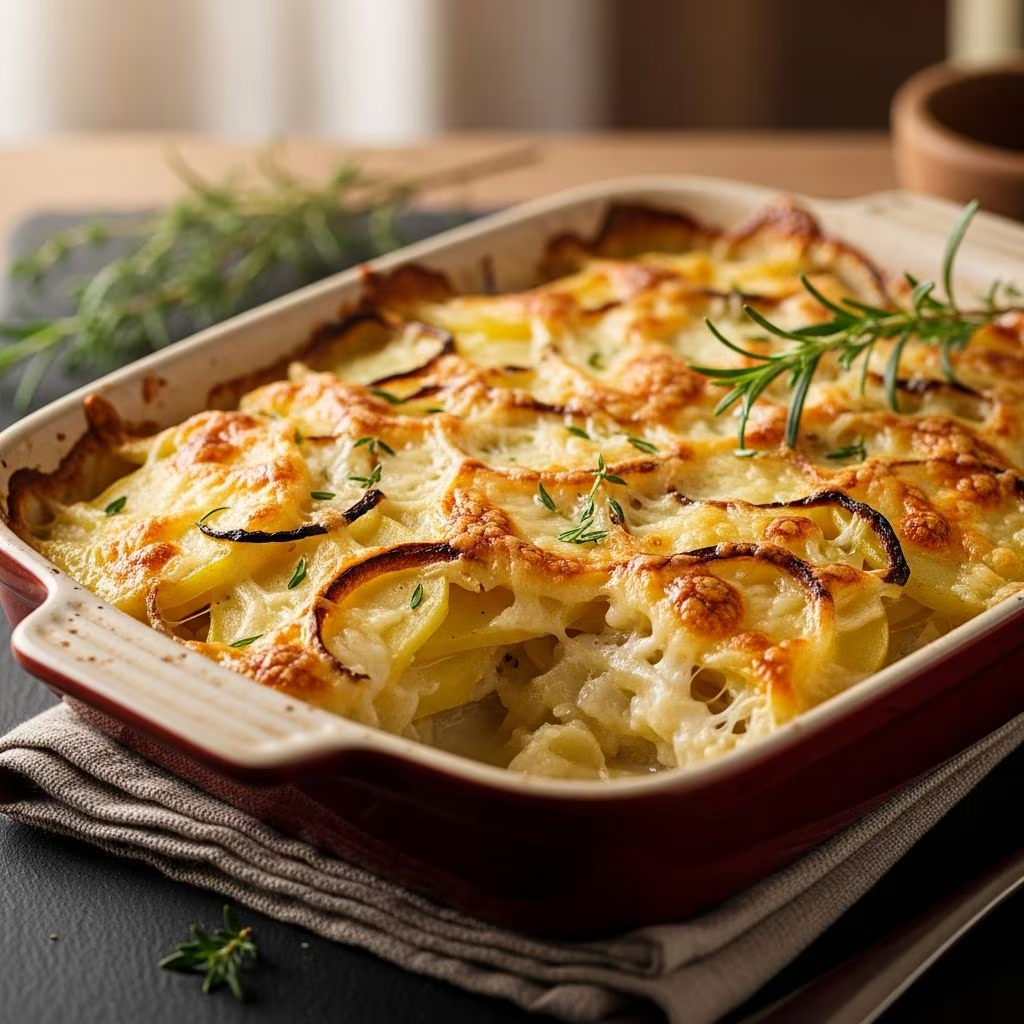
When it comes to side dishes that elevate any meal, few options rival the sophisticated simplicity of a well-executed potato gratin. This classic preparation combines humble ingredients into something truly memorable. The combination of tender, thinly sliced potatoes layered with sweet caramelized onions and bathed in a rich cream sauce creates a dish that appeals to both everyday diners and those with refined palates. The crowning touch of a golden, crispy Parmesan crust transforms this dish from ordinary to extraordinary.
What makes this particular preparation so appealing is how it balances complexity of flavor with straightforward technique. Unlike more elaborate potato dishes, the au gratin method requires minimal intervention once assembly is complete. The oven does most of the work, allowing the natural starches in the potatoes to create a naturally thick, luxurious sauce while the cheese on top develops its characteristic golden-brown crust.
Understanding the Foundation: Quality Ingredients
The success of any gratin begins with selecting the right potatoes. Russet potatoes stand out as the optimal choice for this application due to their higher starch content, which contributes to both texture and sauce consistency. These potatoes break down slightly during cooking, releasing starches that naturally thicken the cream without requiring flour or other thickening agents. Medium-sized russets work best, as they provide consistent sizing for even slicing.
Beyond potatoes, the ingredient list remains beautifully minimal. Heavy cream forms the rich base of the dish, while fresh onions add a subtle sweetness when properly caramelized. Parmigiano Reggiano cheese, imported exclusively from Italy and made with only milk, salt, and rennet, offers superior flavor compared to domestic alternatives. Fresh herbs like thyme enhance the overall profile without overwhelming delicate potato flavors.
The Role of Caramelized Onions
Caramelizing onions before assembly adds a sophisticated depth that raw onions simply cannot provide. This process involves slowly cooking sliced onions in butter over low heat until their natural sugars concentrate and their color deepens to golden brown. This takes approximately 5-10 minutes and transforms the onion’s character from sharp and pungent to mellow and subtly sweet. This sweetness complements the savory Parmesan and creates a more complex overall flavor profile that elevates the entire dish.
Equipment Selection and Preparation
The choice of baking vessel influences both cooking time and final presentation. A wide, shallow gratin dish produces superior results compared to deep casserole dishes. The wider surface area promotes even cooking, as potatoes in the center of a deep dish may remain undercooked while edges overcook. A standard gratin dish measuring approximately 12 inches long, 2 inches deep, and 7 inches wide accommodates most servings nicely.
Proper preparation of your baking vessel prevents sticking and ensures easy serving. Coating the interior with softened butter or non-stick spray creates a protective barrier that allows for clean removal of portions. A sharp mandoline or quality knife becomes essential for achieving the thin, uniform slices that cook evenly throughout the gratin. Consistency in potato thickness ensures that all pieces reach tender doneness simultaneously.
The Slicing Technique and Its Importance
Achieving thin, uniform potato slices represents one of the most critical steps in the preparation process. Potatoes should be sliced between 1/8 and 1/4 inch thick, with 1/8 inch representing the optimal thickness for most preparations. Slices that are too thick result in raw centers with overcooked edges, while excessively thin slices may become mushy or fall apart during layering.
A mandoline slicer dramatically simplifies achieving consistent thickness, though a sharp knife and steady hand suffice for home cooks. Whether to peel potatoes remains a matter of personal preference. Unpeeled potatoes retain more nutrients and create a rusttic appearance, while peeled potatoes offer a more refined presentation. Either approach works perfectly in this dish.
Layering Strategy and Sauce Integration
The layering method employed in this preparation directly impacts the final texture and flavor distribution. Begin by creating the first layer of potatoes in a single layer on the bottom of your prepared dish, with slices slightly overlapping to maximize coverage. The potatoes should cover approximately one-third of the total height of your dish when raw.
Over this first potato layer, distribute one-third of the aromatic mixture containing your caramelized onions, minced garlic, fresh thyme, and the cheese blend. The cream sauce is then poured carefully over this layer, filling in the spaces between potato slices. This process repeats two more times, creating three distinct layers of potatoes separated by seasoning and cheese, with the final layer topped generously with additional Parmesan.
Proper sauce distribution ensures every bite contains creamy richness. The cream should nearly fill the dish, reaching close to the top layer of potatoes. As potatoes cook and release their starches, combined with the cream, a naturally thickened sauce forms, eliminating the need for flour or cornstarch to achieve the desired consistency.
Temperature Control and Cooking Times
The oven temperature significantly affects the outcome of your gratin. A preheated 350°F oven provides the ideal environment for cooking this dish. At this temperature, potatoes cook through evenly while the top gradually develops its characteristic golden-brown color.
The total cooking process typically unfolds in two stages. The gratin should bake covered for approximately 60-90 minutes, depending on your specific oven and the exact dimensions of your baking dish. The cover traps steam, which helps soften the potatoes while preventing excessive browning on top. After this initial covered period, removing the cover allows the top to brown and develop that desirable crispy Parmesan crust.
Testing for doneness is simple: insert a fork or knife tip into the center of the dish. Potatoes should yield easily without resistance when properly cooked. The top should display a golden-brown color with visible bubbling around the edges. Some recipes suggest a brief broiling at higher temperatures to intensify the Parmesan crust color, though this remains optional.
Ingredient Measurements and Variations
| Component | Standard Measurement | Variation Notes |
|---|---|---|
| Russet Potatoes | 4 medium (1.5-2 lbs) | Adjust quantity based on desired servings and dish depth |
| Heavy Cream | 2-2.5 cups | Adjust consistency preference; more cream creates richer sauce |
| Parmigiano Reggiano | 1-1.5 cups total | Reserve 1/4 cup for final topping before baking |
| Sweet Onions | 2 medium, sliced | Caramelize slowly for maximum sweetness |
| Fresh Thyme | 1-2 teaspoons | Dried thyme acceptable at 1/3 the quantity |
Enhancement Options and Flavor Combinations
While the classic preparation excels on its own, several refinements elevate the dish further. Some preparations incorporate garlic by infusing it into the cream before assembly. This technique involves heating cream with minced garlic over low heat for several minutes, allowing flavors to meld before pouring over potatoes.
Alternative cheese combinations add complexity without departing from tradition. Gruyère cheese provides a nutty flavor that complements Parmesan beautifully, while some cooks incorporate sharp cheddar for additional depth. Mixed greens such as fresh spinach or kale can be layered between potato sections for added nutrition and subtle flavor variation.
For those seeking smoky undertones, a touch of crispy bacon or prosciutto scattered between layers introduces savory complexity. Mushrooms sautéed until golden add earthiness and umami depth to the overall composition. These additions remain optional; the classic preparation stands perfectly complete without modification.
Serving Suggestions and Portion Guidance
This gratin functions beautifully as a side dish for elegant dinners, holiday gatherings, and casual family meals alike. A single gratin dish typically serves 6-8 people when portions are generous, though this varies based on dish size and other menu components. Allowing the dish to rest for 5-10 minutes after removal from the oven helps set the structure, making serving cleaner and more visually appealing.
Fresh garnishes add visual appeal and final flavor notes just before serving. Finely chopped fresh chives scattered across the surface introduce a subtle onion note and bright color. A light grinding of black pepper or additional fresh thyme provides aromatic interest. These finishing touches require only moments but create a more polished presentation.
Storage, Make-Ahead Preparation, and Reheating
This dish proves remarkably versatile regarding timing and preparation. Potatoes can be sliced and onions caramelized several hours in advance, with components stored separately until assembly. The completely assembled gratin can be covered and refrigerated for up to 24 hours before baking. When baking from refrigerated state, add 15-20 minutes to the total cooking time to account for the cold starting temperature.
Leftover portions store well in the refrigerator for 3-4 days in an airtight container. Reheating works best at 325°F covered with foil until warmed through, approximately 20-30 minutes. This gentler approach prevents the top from burning while interior portions heat evenly. The microwave, while convenient, tends to create uneven heating and can result in a soggy texture.
Frequently Asked Questions
Why doesn’t my gratin have enough sauce?
The cream should reach nearly to the top of the assembled potatoes before baking. If insufficient sauce remains after baking, you likely used too little cream initially or allowed too much to evaporate. Ensure the cream reaches close to the top layer before baking, and avoid removing the cover too early during cooking.
Can I make this with waxy potatoes instead of russets?
While waxy potatoes like Yukon Gold hold their shape better, they contain less starch and won’t thicken the sauce naturally. If substituting, plan to use them for appearance rather than expecting the same sauce consistency. Some recipes successfully use a mixture of potato types for both textural and visual interest.
How can I prevent the top from burning?
Covering the dish during the initial baking period protects the top while potatoes cook through. If your oven runs hot, covering may remain necessary throughout the entire baking time. Alternatively, tenting loosely with foil allows some browning while preventing excessive charring.
What’s the best way to caramelize onions?
Slice onions evenly and cook over medium-low heat in butter for 5-10 minutes, stirring occasionally. The goal is golden-brown color and sweet flavor, not crispy texture. Patience pays dividends here, as rushing the process results in raw onion flavor rather than the desired sweetness.
Can I prepare this without dairy?
Traditional au gratin inherently relies on cream for both flavor and sauce development. Dairy-free alternatives like coconut cream or cashew-based sauces may work but will produce notably different results. Attempting this preparation without any creamy element fundamentally changes the dish’s character.
References
- Easy Parmesan Potatoes Au Gratin — Grits and Pinecones. Retrieved April 10, 2026. https://www.gritsandpinecones.com/easy-parmesan-potatoes-au-gratin/
- Au Gratin Potatoes For Two — Chocolate Moosey. Retrieved April 10, 2026. https://www.chocolatemoosey.com/garlic-parmesan-au-gratin-potatoes/
- Crispy Parmesan and Gruyere Potato Gratin — Flourishing Foodie. Retrieved April 10, 2026. https://www.flourishingfoodie.com/blog/2019/11/13/crispy-parmesan-and-gruyere-potato-gratin
- Cheesy Potatoes Au Gratin with Sweet Onions — Real Sweet. Retrieved April 10, 2026. https://www.realsweet.com/recipes/cheesy-potatoes-au-gratin
- Au Gratin Potatoes — The Cozy Cook. Retrieved April 10, 2026. https://thecozycook.com/au-gratin-potatoes/