Few dishes evoke the warmth of home cooking quite like a well-prepared potato casserole. This versatile side dish has graced dinner tables across generations, earning its place as a staple for celebrations, family gatherings, and everyday meals. Whether you’re preparing for a holiday feast or seeking a dependable weeknight accompaniment, understanding how to execute this recipe transforms it from a simple dish into a culinary triumph.
Understanding the Foundation: Core Ingredients and Their Roles
The beauty of a potato casserole lies in its straightforward ingredient list, where each component serves a specific purpose in creating layers of flavor and texture. The foundation begins with frozen shredded potatoes, which provide convenience without sacrificing quality. These pre-cut potatoes deliver consistent results and eliminate the labor-intensive preparation of peeling and shredding fresh potatoes by hand.
Thawing your potatoes properly is essential to the success of this dish. Allow frozen shredded potatoes to defrost completely in your refrigerator overnight, as this prevents excess moisture from accumulating in your finished casserole. Any remaining water should be gently squeezed out before combining with other ingredients.
The creamy base typically incorporates condensed cream soup, which acts as a binder and flavor enhancer. Cream of chicken soup remains the traditional choice, though cream of mushroom or cream of celery offer equally delicious alternatives. This ingredient provides structure while keeping the potato mixture moist throughout the baking process. Complementing the soup, sour cream adds tanginess and richness that elevates the overall flavor profile.
Cheese selection dramatically impacts the final result. Sharp cheddar cheese is preferred by many home cooks due to its robust flavor that stands up to the other ingredients without becoming bland. The shredded variety melts uniformly throughout the casserole, creating pockets of creamy, cheesy texture in every bite.
Butter and seasonings round out the ingredient collection. Melted butter carries flavors throughout the dish while contributing to the golden, crispy topping. Simple seasoning with salt and pepper allows the natural flavors of potatoes and cheese to shine without overwhelming the palate.
Building Layers: Step-by-Step Assembly Instructions
Successful casserole preparation begins before the oven is even preheated. Start by preparing your baking vessel—a standard 13-by-9-inch baking dish is ideal for this recipe. Coat it thoroughly with nonstick cooking spray to prevent sticking and simplify cleanup.
While the baking dish is being prepared, combine your thawed potatoes with the cream soup base in a large mixing bowl. This initial combination allows the soup to begin coating each strand of potato. Add your sour cream next, stirring gently to distribute it evenly throughout. The mixture should appear creamy and cohesive at this stage.
Incorporate your melted butter gradually, reserving a portion for the topping. This division of butter is strategic—some goes into the casserole mixture to create internal creaminess, while the remainder will bind your topping ingredients. Add your shredded cheese and seasonings, stirring until everything is uniformly combined.
Transfer this mixture to your prepared baking dish, spreading it into an even layer. At this point, you have the option to proceed immediately to the oven or prepare the casserole in advance for later cooking.
Creating the Signature Topping: Texture and Crunch
The crispy topping transforms this dish from merely satisfying to genuinely special. Crushing cornflakes into small, irregular pieces creates a topping that crisps beautifully during baking. The size of your crumbles matters—aim for pieces ranging from dust to pea-sized fragments to achieve varied texture in the finished dish.
Combine your crushed cornflakes with the reserved melted butter, mixing thoroughly to coat each piece evenly. This butter-to-crumble ratio is crucial; insufficient butter results in a topping that remains pale and dry, while too much creates an oily surface. Distribute this topping mixture evenly across the potato base immediately before baking.
Some variations include adding additional cheese to the topping layer, creating a hybrid crust that combines the crunch of cornflakes with the melting quality of cheese. Fresh or dried herbs can also be sprinkled over the topping for added flavor and visual appeal.
Baking to Perfection: Temperature, Timing, and Doneness
Preheat your oven to 350 degrees Fahrenheit, allowing it to reach this temperature before inserting your casserole. This moderate heat ensures the interior cooks through without the topping burning. The typical cooking time ranges from 50 to 55 minutes, though variables such as the depth of your casserole mixture and your oven’s characteristics may require adjustment.
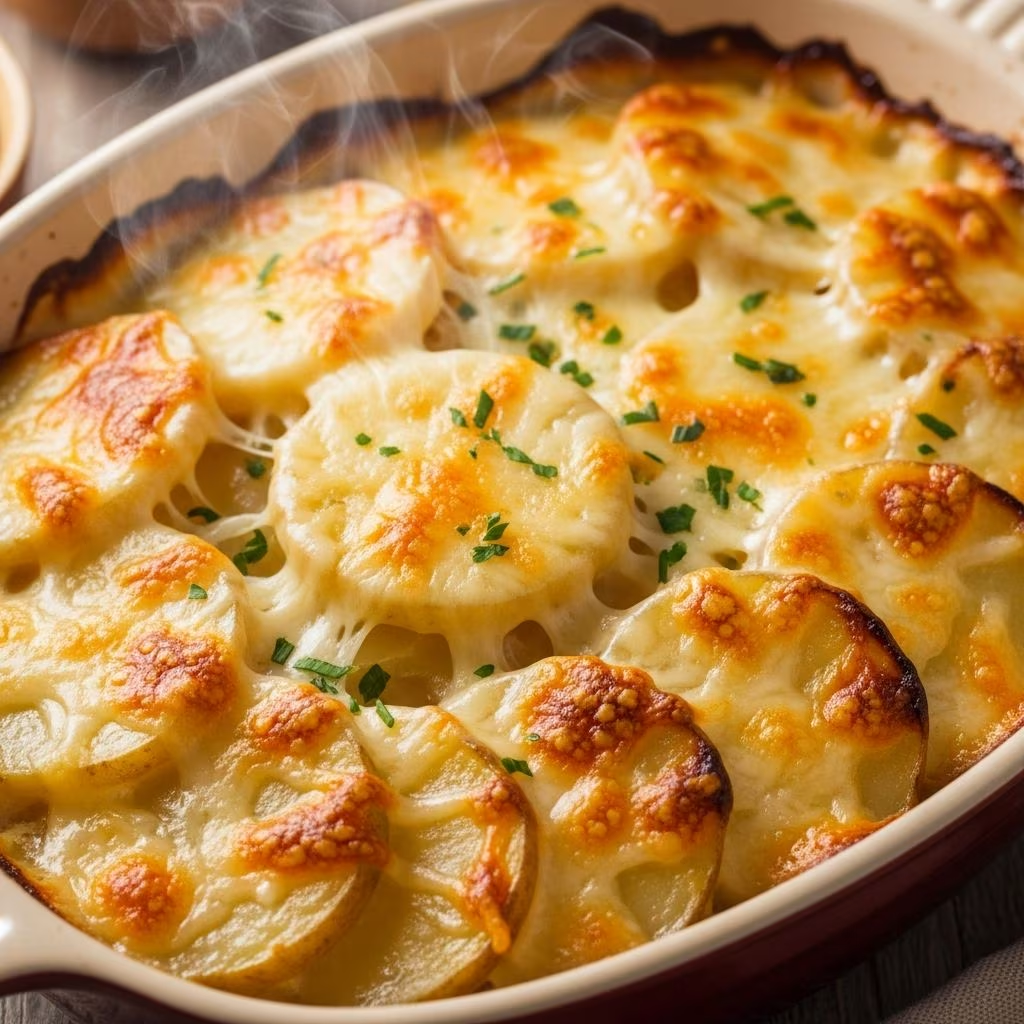
You’ll know your casserole has reached doneness when the topping achieves a golden-brown color and the edges show gentle bubbling. The potato mixture should be heated through completely and reach approximately 165 degrees Fahrenheit at its center when measured with an instant-read thermometer.
Resist the urge to open the oven door frequently during baking, as this causes temperature fluctuations that can prevent even cooking. If your topping begins browning too quickly, loosely cover it with aluminum foil during the final 15 minutes of cooking.
Make-Ahead Strategies for Convenience and Flexibility
One of the greatest advantages of this casserole is its remarkable flexibility with advance preparation. After transferring your potato mixture to the baking dish and before applying the topping, you can cover it tightly with plastic wrap or aluminum foil and refrigerate for up to 24 hours.
When you’re ready to bake, remove the casserole from the refrigerator and allow it to sit at room temperature for approximately 30 minutes. This resting period helps the interior temperature rise gradually, promoting more even cooking. Add your topping mixture just before placing the dish in the oven.
If you forget to allow this resting period, extend the baking time by 10 to 15 minutes to ensure the center reaches proper temperature. A chilled casserole requires longer to heat through than one that’s been sitting at room temperature.
Flavor Variations and Creative Adaptations
While the classic recipe remains beloved for good reason, numerous variations allow you to personalize this dish to match your preferences and dietary needs. Consider experimenting with different soup varieties—cream of mushroom creates earthier flavors, while cream of cheddar amplifies the cheese component.
For those seeking additional protein, incorporating crumbled bacon, diced ham, or cooked sausage into the base mixture creates a more substantial dish. Vegetables such as diced bell peppers, corn, or green beans can be stirred into the mixture for added nutrition and visual interest.
Cheese combinations offer another avenue for customization. Mixing sharp cheddar with mild cheddar, colby jack, or Gruyère creates complex flavor profiles. Some cooks add a small amount of cream cheese to the mixture, which contributes additional creaminess and tang.
For the topping, alternatives to cornflakes include crushed crackers, panko breadcrumbs, or even a combination of crushed nuts and breadcrumbs. Each option delivers different textural qualities while maintaining the casserole’s essential character.
Serving Suggestions and Pairing Recommendations
This casserole functions beautifully as an accompaniment to roasted meats, particularly ham and turkey. The creamy, savory flavors complement grilled chicken, baked salmon, or slow-cooked beef without competing for attention. Serve generous portions as the primary starch component of your meal, reducing the need for additional potatoes or rice.
For holiday menus, position this casserole alongside traditional vegetables and fresh salads to create balanced meal composition. The richness of the dish calls for lighter sides—consider serving with steamed green beans, roasted Brussels sprouts, or a crisp garden salad.
Leftovers reheat beautifully using several methods. Individual portions can be warmed in the microwave in approximately two minutes, while larger quantities fare better in a 300-degree oven for 15 to 20 minutes, loosely covered with foil to prevent over-browning of the top layer.
Storage, Preservation, and Food Safety Considerations
Properly stored casserole maintains quality for three to four days when kept in an airtight container in the refrigerator. Allow the dish to cool to room temperature before covering and storing to prevent condensation buildup. Never store a hot casserole directly in the refrigerator, as this creates food safety risks.
For extended storage, freeze the unbaked casserole after assembling but before applying the topping. Wrap the dish tightly with plastic wrap, then aluminum foil, and freeze for up to three months. When ready to bake, thaw in the refrigerator overnight, add the topping, and bake according to standard instructions, adding 10 to 15 minutes to account for the temperature of the thawed casserole.
Frequently Asked Questions About Potato Casserole Preparation
- Can I use fresh potatoes instead of frozen? While possible, frozen shredded potatoes offer superior convenience and consistency. If using fresh potatoes, peel, shred, and cook them partially before assembly to reduce excess moisture.
- What should I do if my casserole seems too watery? This typically results from insufficiently thawed or improperly drained potatoes. In future batches, ensure thorough thawing and gentle squeezing. If your current batch is too wet, you can add a thickener such as cornstarch mixed with cold water to the filling mixture.
- Can I prepare this as individual portions? Yes, divide the mixture among ramekins or small baking dishes and adjust cooking time to 25 to 30 minutes, checking for doneness at the shorter interval.
- Is this recipe suitable for dietary restrictions? Modifications are possible—use reduced-fat sour cream and lower-fat cheese, or substitute the cream soup with homemade cream sauce for a version better suited to specific dietary needs.
- How can I make the topping crunchier? Increase the butter-to-cornflake ratio slightly, or mix your cornflakes with melted butter and toast them briefly in a 325-degree oven before sprinkling over the casserole.
Why This Casserole Endures as a Comfort Food Classic
This potato casserole transcends generational boundaries because it delivers consistent, satisfying results with minimal skill required. The combination of familiar ingredients creates flavors that feel nostalgic while remaining contemporary. Whether you’re cooking for a large family gathering or a small weeknight dinner, this recipe scales gracefully and adapts to available ingredients and personal preferences.
The make-ahead capability addresses the practical demands of modern entertaining, allowing cooks to prepare components in advance and focus on other menu items during the final preparation rush. The visual appeal of a golden-topped, bubbling casserole emerging from the oven never fails to impress dinner guests, while the actual preparation demands minimal effort or culinary expertise.
References
- Food Safety Guidelines for Home Cooking — U.S. Food and Drug Administration. 2024. https://www.fda.gov/food/foodborne-pathogens/listeria
- Cooking with Frozen Vegetables: Best Practices — University of Minnesota Extension. 2023. https://extension.umn.edu/food-safety/preserving-food-home
- The Chemistry of Cheese Melting in Cooking — Academy of Culinary Arts & Gastronomy. 2024. https://www.foodscience.org
- Potato Varieties and Culinary Applications — United States Department of Agriculture Potato Board. 2024. https://www.potatogoodness.com