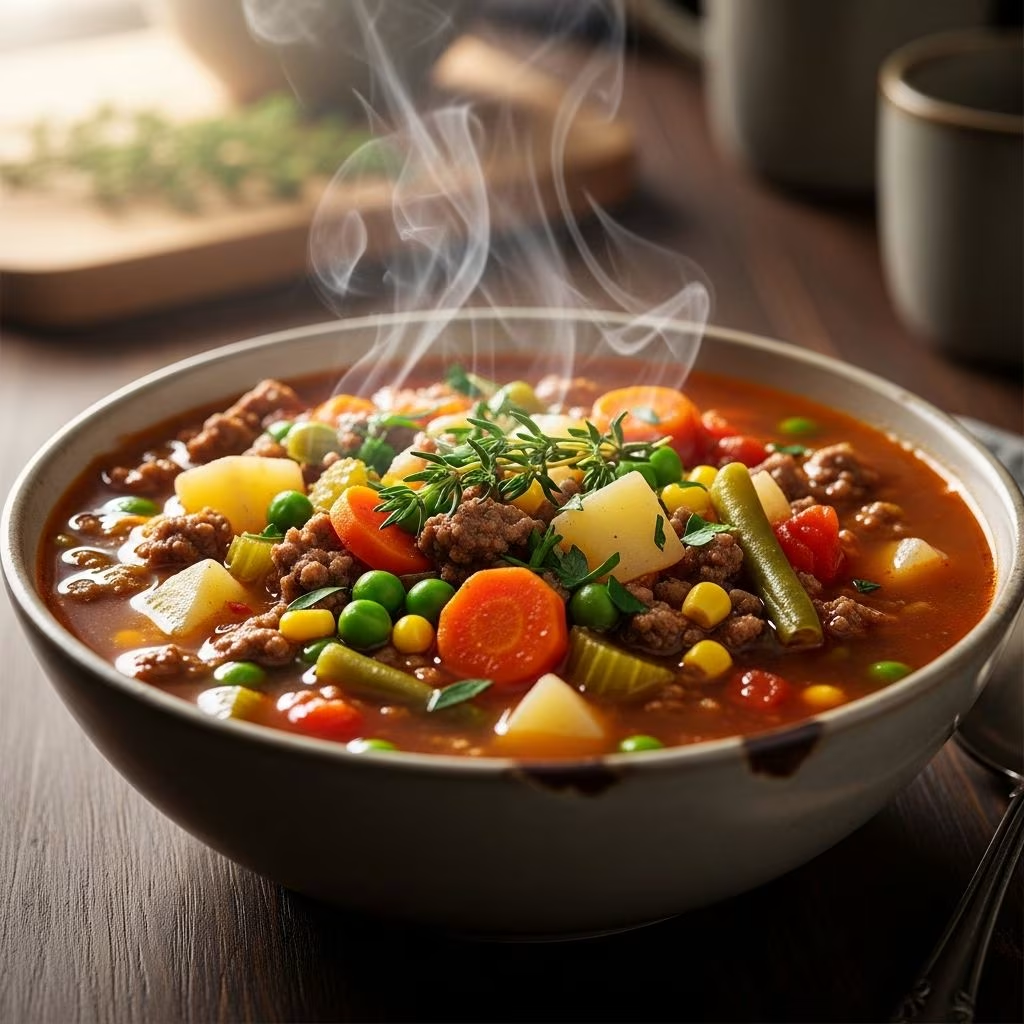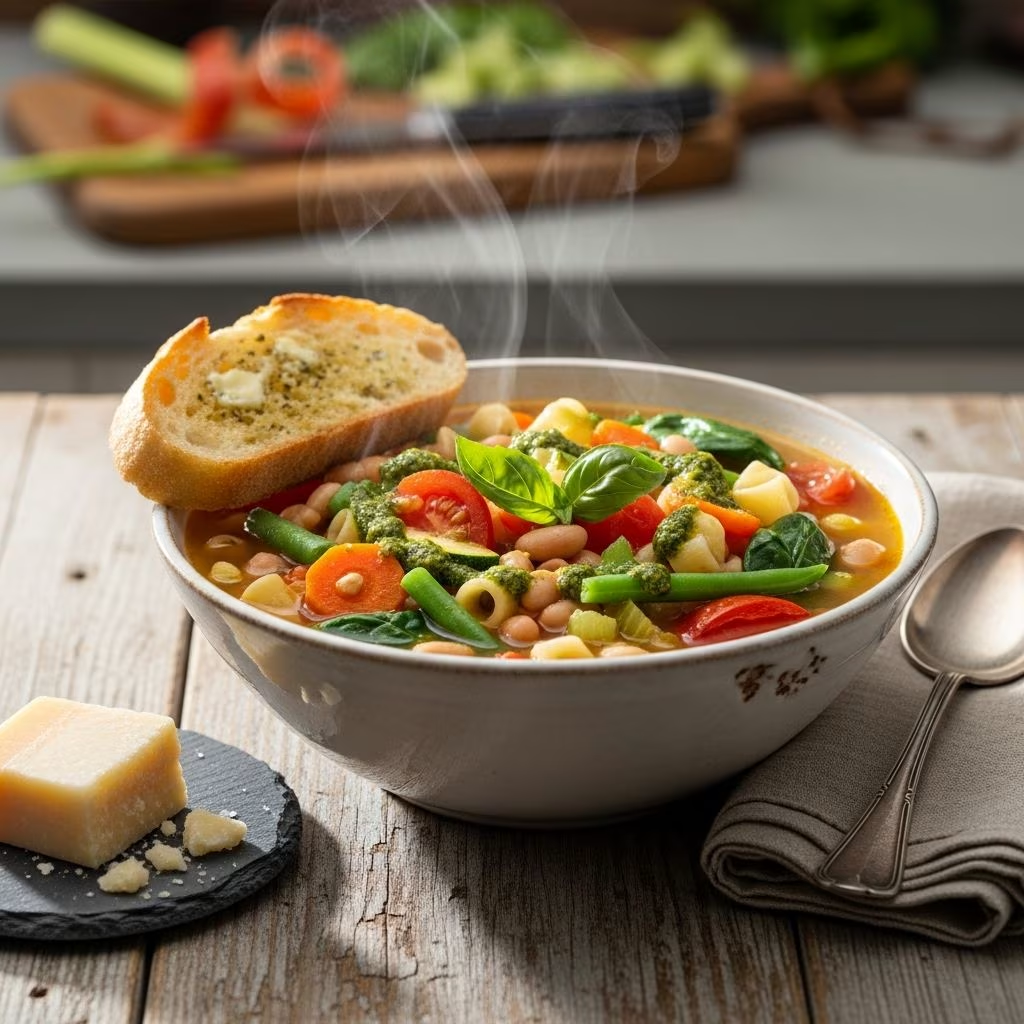
Minestrone soup stands as a cornerstone of Italian cuisine, celebrated for its versatility and ability to transform simple pantry staples into a nourishing, flavorful dish. This hearty soup combines a medley of vegetables, legumes, and pasta in a robust tomato-based broth, offering comfort in every spoonful. Rooted in tradition, minestrone originated as a way for families to utilize seasonal produce and leftovers, making it an economical yet satisfying option for any table.
The Timeless Appeal of Minestrone
What makes minestrone enduringly popular is its adaptability. No two batches need be identical; cooks can swap ingredients based on availability, dietary needs, or personal taste. Typically, it features a soffritto base of onions, carrots, and celery, layered with garlic, tomatoes, beans, and small pasta shapes. Herbs like oregano, thyme, and basil infuse depth, while a splash of olive oil and optional Parmesan rind elevate the broth’s richness.
Historically, minestrone evolved from ancient Roman vegetable stews, gaining prominence in Renaissance Italy as a peasant dish that later graced noble tables. Today, it remains a staple in homes worldwide, praised for its balance of textures—from tender vegetables and al dente pasta to creamy beans—and its wholesome profile, providing protein, fiber, and vitamins without excess calories.
Essential Ingredients for Authentic Flavor
Building a great minestrone starts with quality components. Focus on fresh, vibrant produce and pantry heroes that harmonize seamlessly.
- Aromatic Base (Soffritto): Diced onion (1 medium), carrots (2-3 medium), celery (2 ribs), and garlic (3-4 cloves). These create the foundational flavor.
- Vegetables: Zucchini, green beans, potatoes, or spinach—about 2 cups total. Seasonal choices like yellow squash or peas add variety.
- Tomatoes: One 28-ounce can of crushed or diced tomatoes, plus 2-3 tablespoons tomato paste for concentrated umami.
- Beans: A mix of kidney, cannellini, or Great Northern beans (two 15-ounce cans, rinsed). They provide protein and heartiness.
- Pasta: 1 cup small shapes like ditalini, elbows, or orecchiette for bite-sized perfection.
- Broth and Seasonings: 6 cups vegetable or chicken broth, bay leaves, oregano (1 tsp), thyme (½ tsp), salt, pepper, and red pepper flakes for heat.
- Finishing Touches: Extra-virgin olive oil, fresh herbs, lemon juice, and grated Parmesan.
Pro tip: Save Parmesan rinds for simmering; they impart a subtle cheesiness without extra ingredients.
Step-by-Step Cooking Method
Mastering minestrone requires patience and technique. This foolproof process yields about 8 servings in under an hour.
- Prepare the Base: Heat 2 tablespoons olive oil in a large pot over medium heat. Add diced onion, carrots, celery, and a pinch of salt. Sauté 5-7 minutes until softened and fragrant.
- Add Aromatics: Stir in minced garlic, tomato paste, oregano, thyme, and red pepper flakes. Cook 1-2 minutes to bloom flavors.
- Build the Broth: Pour in tomatoes with juice, broth, bay leaves, and beans. Bring to a boil, then simmer 15-20 minutes to meld tastes.
- Incorporate Pasta and Veggies: Add pasta and sturdy vegetables like potatoes or green beans. Simmer uncovered 10-15 minutes until pasta is al dente. Fold in soft greens like spinach in the last 2 minutes.
- Finish and Rest: Remove bay leaves, stir in lemon juice and olive oil. Let sit 5 minutes off heat for optimal flavor integration. Taste and adjust seasoning.
Serve hot with crusty bread, a drizzle of oil, and Parmesan shavings for an authentic touch.
Customizing Your Minestrone
Minestrone’s charm lies in its flexibility. Tailor it to preferences or restrictions with these ideas:
| Variation | Key Swaps | Why It Works |
|---|---|---|
| Vegetarian/Vegan | Vegetable broth, no Parmesan rind | Maintains richness with nutritional yeast |
| Gluten-Free | GF pasta, rice, or quinoa | Preserves texture without wheat |
| Winter Edition | Butternut squash, kale, cabbage | Hearty roots suit cold weather |
| Summer Light | Zucchini, peas, basil pesto | Fresh, bright profile |
| Meat-Lover | Add cooked Italian sausage or pancetta | Boosts savoriness |
Experiment seasonally: spring with asparagus, fall with mushrooms. Always cook pasta separately for storage to prevent mushiness.
Nutritional Benefits and Health Perks
Beyond taste, minestrone nourishes. A serving delivers approximately 250-300 calories, 10g protein, 8g fiber, and loads of vitamins A, C, K from veggies. Beans contribute plant-based protein and iron, while tomatoes offer lycopene, an antioxidant linked to heart health. The low glycemic index from whole ingredients supports steady energy. Opt for low-sodium broth to control salt, making it suitable for various diets.
Storage, Freezing, and Reheating Tips
Minestrone stores beautifully, improving in flavor over days.
- Fridge: Up to 5 days in airtight containers. Reheat on stovetop with a splash of broth.
- Freezer: Portion into bags for 3 months. Thaw overnight; avoid freezing with pasta—add fresh when reheating.
- Make-Ahead: Prepare base sans pasta/greens up to 2 days early.
For best texture, stir gently when reheating to preserve vegetable integrity.
Perfect Pairings and Serving Ideas
Elevate minestrone with thoughtful accompaniments:
- Crusty sourdough or garlic bread for dipping.
- Side salad with vinaigrette to contrast richness.
- Chianti or light red wine for adults.
- Grilled cheese on whole-grain for kids.
Garnish creatively: pesto swirl, fresh basil, crushed red pepper, or avocado slices for modern twists.
Frequently Asked Questions
Can I make minestrone in a slow cooker?
Yes! Sauté base on stovetop, then transfer to slow cooker with remaining ingredients (hold pasta). Cook low 6-8 hours; add pasta last 30 minutes.
Is it better with fresh or canned tomatoes?
Canned provide consistent flavor and acidity year-round; fresh work in summer for brighter taste. Blend if needed for smoothness.
How do I thicken the soup?
Simmer longer to reduce, mash some beans, or add potato starch. Avoid flour for authenticity.
Can I use dried beans?
Absolutely—cook separately until tender, then add. Soak overnight for best results.
Why is my pasta mushy?
Cook it separately or undercook in soup. For leftovers, store apart.
Advanced Techniques for Soup Mastery
For next-level minestrone, roast vegetables first for caramelized depth, or infuse broth with fennel for anise notes. Use homemade stock from veggie scraps for sustainability. Track simmering time precisely—overcooking dulls vibrancy.
Batch-cook for meal prep: freeze in single portions for quick lunches. This soup scales effortlessly for crowds, making it ideal for gatherings.
References
- Minestrone Soup Recipe (Olive Garden Copycat) — The Kitchen Girl. 2023-10-15. https://thekitchengirl.com/minestrone-soup-recipe/
- Classic Minestrone Soup Recipe — Cookie and Kate. 2024-02-20. https://cookieandkate.com/classic-minestrone-soup-recipe/
- Classic Minestrone Soup — Mel’s Kitchen Cafe. 2023-11-05. https://www.melskitchencafe.com/classic-minestrone-soup/
- Classic Minestrone Soup with Pasta — Familystyle Food. 2024-01-12. https://familystylefood.com/classic-minestrone-soup-recipe/
- How to Make THE BEST Minestrone Soup — FoodieCrush. 2023-09-18. https://www.foodiecrush.com/best-minestrone-soup/
- Minestrone Soup Recipe — Love and Lemons. 2024-03-10. https://www.loveandlemons.com/minestrone-soup/