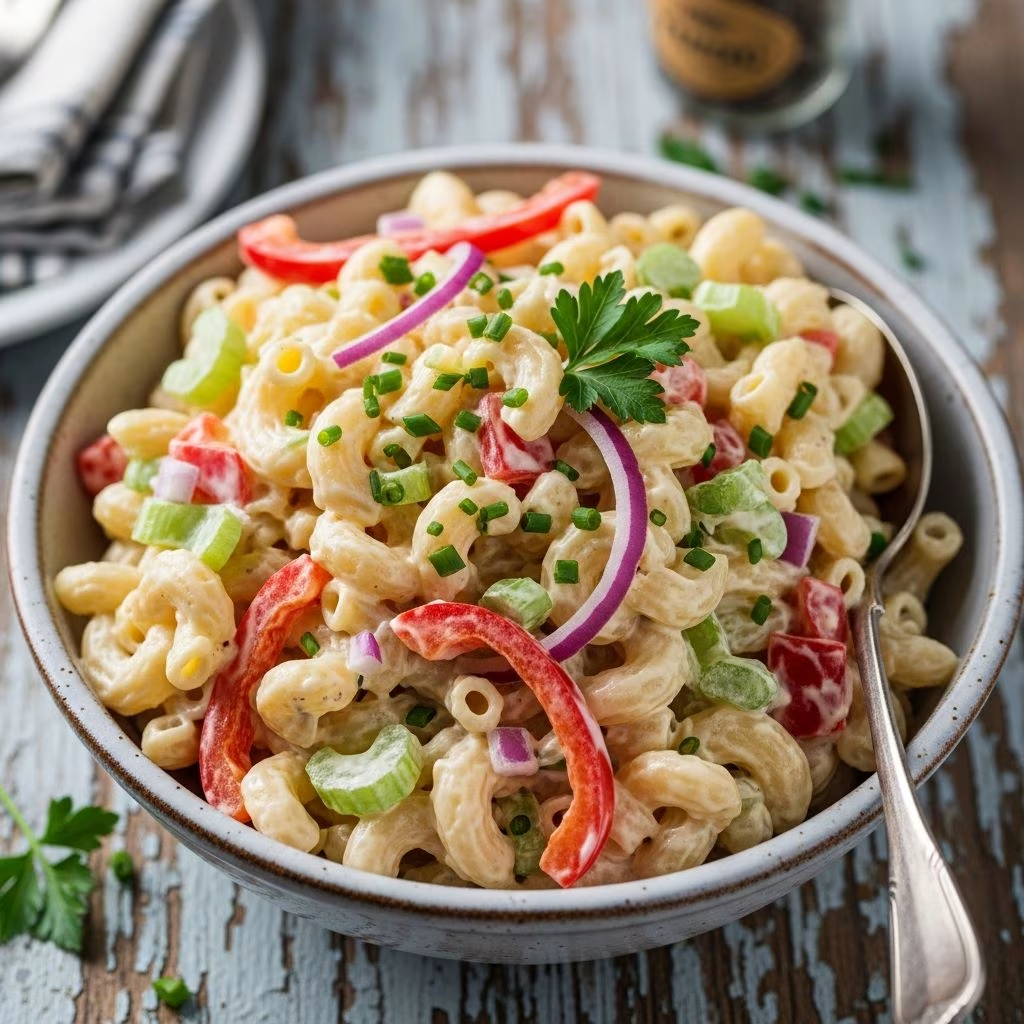
Macaroni salad stands as a beloved staple at summer gatherings, barbecues, and family celebrations. Yet achieving the perfect balance of creamy dressing, tender pasta, and crisp vegetables requires understanding fundamental cooking principles and proper technique. This comprehensive guide walks you through the essential steps and professional methods that transform basic ingredients into an exceptional dish that rivals any delicatessen offering.
Understanding the Foundation: Why Technique Matters
Many home cooks struggle with macaroni salad, often ending up with either a greasy, unappealing dish or one that lacks flavor and proper texture. The difference between mediocre and outstanding results typically comes down to two critical decisions: how you handle the cooked pasta and when you incorporate the dressing. These seemingly small details have enormous consequences for the final product’s quality and appeal.
The traditional approach of immediately combining hot pasta with a creamy dressing creates an inherently problematic situation. When mayonnaise-based dressing meets piping-hot pasta, the emulsion begins to break down, releasing oil and creating a greasy coating rather than a cohesive, flavorful mixture. Understanding this chemistry helps explain why patience becomes one of your most valuable ingredients in this recipe.
Preparing the Pasta Foundation
Begin by cooking one pound of elbow macaroni in well-salted water, following package directions until the pasta reaches tender doneness without becoming mushy. The salt in the cooking water serves a critical purpose beyond flavor—it seasons the pasta itself rather than simply coating its exterior. This internal seasoning ensures every bite carries flavor throughout, rather than relying solely on the dressing to provide taste.
After draining the cooked pasta, resist the common urge to rinse it under cold water. This step proves counterintuitive to many cooks but represents a cornerstone technique in achieving proper texture. The residual starch clinging to each piece of pasta serves as a binding agent, allowing the dressing to adhere properly and creating that desirable tacky quality. Rinsing washes away this valuable starch layer, preventing proper dressing absorption and resulting in a watery, poorly integrated salad.
Building the Dressing Components
The dressing comprises both liquid and solid elements that work in concert to create depth of flavor and appealing texture. Begin the dressing preparation while the pasta cooks, ensuring all components combine thoroughly before pasta integration.
The Liquid Base
Start with one cup of real, full-fat mayonnaise as your primary component. Store-brand options work adequately, but higher-quality mayonnaise noticeably improves the final result. To this foundation, add one-quarter cup of white distilled vinegar, which provides necessary acidity that brightens flavors and prevents the dressing from tasting one-dimensionally rich.
Two tablespoons of Dijon mustard contribute complexity and subtle sharpness that balances the mayo’s heaviness. Some traditional recipes call for yellow mustard, but Dijon offers a more refined flavor profile that complements the other ingredients gracefully. Whisk these components together until they form a smooth, homogeneous base.
Season this liquid foundation with two teaspoons of kosher salt and one-half teaspoon of freshly ground black pepper. The specific type of salt matters more than many cooks realize—kosher salt dissolves more readily and distributes more evenly than table salt’s finer crystals. Add one-eighth teaspoon of cayenne pepper for subtle heat and depth that lingers pleasantly on the palate without overwhelming the other flavors.
The Sugar Question
Sugar represents the most debated component in macaroni salad recipes, with traditional versions calling for as much as one-half cup in the dressing. This quantity produces an overly sweet result that masks the other flavors and creates an unbalanced profile. Instead, use just one or two tablespoons of white sugar, allowing the natural sweetness of the vegetables and the mayo’s subtle sweetness to dominate. This measured approach respects the integrity of each ingredient while maintaining the classic flavor profile many expect from this dish.
Incorporating Fresh Vegetables
The vegetable components provide textural contrast, visual appeal, and additional flavor dimensions. Prepare all vegetables while finalizing the dressing.
Begin with one full cup of finely diced celery, which contributes refreshing crunch and a subtle mineral quality. Celery’s clean flavor prevents the salad from becoming too heavy while maintaining structural integrity throughout storage. Add three-quarters cup of diced red bell pepper, which brings natural sweetness, vibrant color, and a tender-crisp texture that differs pleasantly from celery’s firmness.
Include one-half cup of diced green pepper—either poblano, jalapeño, or standard green bell pepper depending on your heat preference. These peppers add slightly different flavor notes, with poblano offering mild earthiness, jalapeño contributing gentle heat, and green bell pepper providing traditional green pepper taste. The variety creates subtle complexity.
Incorporate one-half cup of finely chopped green onions, using primarily the white and light green portions. These onion pieces deliver mild onion flavor without the harsh bite of raw yellow onion, and their delicate structure prevents overwhelming the other components. Finally, add one-half cup of grated carrot, which contributes natural sweetness, bright color, and pleasant texture variation.
Combine all vegetables with the liquid dressing using a spatula, ensuring even distribution of dressing throughout the vegetable mixture. This combined mixture awaits the cooled pasta.
The Critical Cooling Process
This step separates successful macaroni salad from disappointing attempts. After draining the pasta, immediately begin tossing it frequently with a clean spatula, breaking up any clumps while allowing it to cool gradually to room temperature. This process typically requires ten to fifteen minutes, depending on pasta quantity and kitchen temperature.
As you toss, observe how the pasta transitions from steaming and slippery to cooler and increasingly tacky. You’ll notice the residual starch forming a thin, almost imperceptible layer on each piece. Continue this process until the macaroni feels just tacky enough to stick slightly to your hand when gently pressed—this indicates readiness for dressing addition.
This patience-requiring step proves absolutely essential. The starch layer that forms during cooling creates microscopically textured surfaces that allow dressing to cling and absorb rather than sliding off the pasta’s surface. This microscopic adhesion distributes the creamy dressing evenly throughout the salad rather than allowing it to pool at the bottom.
Combining Components and Flavor Development
Once the pasta has reached room temperature and achieved that desirable tacky texture, combine it with the prepared dressing and vegetables using gentle folding motions with a spatula. Mix thoroughly but carefully to avoid breaking or crushing the pasta pieces or vegetables. The mixture may appear dry initially, but as you continue folding and stirring, the dressing distributes throughout and coats each piece of macaroni.
At this point, you can serve the salad immediately, though it will continue improving with time. For optimal flavor and texture development, refrigerate the completed salad overnight or for at least several hours. During this resting period, the pasta gradually absorbs the dressing, flavors meld and intensify, and the overall texture becomes more cohesive and satisfying.
Before serving, taste the salad and adjust seasoning as needed. Add additional salt, vinegar, or a small spoon of fresh mayonnaise to revive the flavors if they’ve become muted during refrigeration. A tiny splash of cold water can help restore creaminess if the salad has absorbed all available moisture.
Customization and Variations
While this formula provides excellent baseline results, macaroni salad welcomes reasonable modifications based on personal preferences and ingredient availability. Some cooks prefer adding diced ham, crispy bacon bits, or shredded cheese. Others incorporate hard-boiled eggs or different vegetables entirely. The fundamental techniques—cooling the pasta, building flavor through proper dressing components, and allowing time for development—remain constant regardless of specific additions.
Serving and Storage Considerations
Macaroni salad serves beautifully alongside grilled proteins, particularly ribs, brisket, chicken, or hot dogs. Its cooling, creamy nature provides textural and temperature contrast to hot, smoky main dishes. The salad maintains quality in the refrigerator for three to four days when stored in an airtight container, though flavors peak within the first two days after preparation.
If preparing ahead for an event, bring the salad to room temperature for approximately fifteen minutes before serving, as cold salad straight from the refrigerator presents flavors less vibrantly than slightly warmed portions. Additionally, the cooler temperature can make the creamy dressing seem less smooth and engaging on the palate.
Troubleshooting Common Issues
If your completed salad appears greasy or oily, you likely added the dressing while the pasta was too hot, causing the mayonnaise emulsion to break. For future attempts, ensure complete cooling before dressing. If the salad tastes too rich or heavy, reduce the mayonnaise quantity by one or two tablespoons in subsequent batches. For salads that seem dry after refrigeration, stir in additional mayonnaise or a small amount of sour cream thinned with cold water.
Frequently Asked Questions
Can I make macaroni salad without vinegar?
While possible, vinegar serves important purposes beyond taste—it brightens flavors, prevents flatness, and adds complexity. Substituting vinegar eliminates these benefits, resulting in one-dimensional dressing. If avoiding vinegar due to allergy or preference, consider adding fresh lemon juice as an alternative acid source.
Should I use a different pasta shape?
Elbow macaroni represents the traditional choice for this recipe because its tubular structure captures and holds dressing effectively. Other small pasta shapes work adequately, though they may not hold dressing as reliably. Avoid long pasta strands, which don’t integrate well into creamy salad preparations.
How far ahead can I prepare this dish?
Macaroni salad improves with one to two hours of resting time and reaches peak flavor after overnight refrigeration. It maintains acceptable quality for three to four days total, though flavors gradually fade. Avoid preparing more than one day in advance unless necessary for event planning.
What if I prefer a less creamy version?
Reduce the mayonnaise to three-quarters cup and increase vinegar slightly to maintain flavor balance. The resulting salad will be noticeably lighter and fresher-tasting, though less rich than the traditional version.
References
- Classic Macaroni Salad – Delicious is In the Details — Food Wishes. June 2015. https://foodwishes.blogspot.com/2015/06/classic-macaroni-salad-delicious-is-in.html
- The Best Deli-Style Macaroni Salad You’ll Ever Make — Food Wishes. YouTube. https://www.youtube.com/watch?v=jEo9VXYVrxs