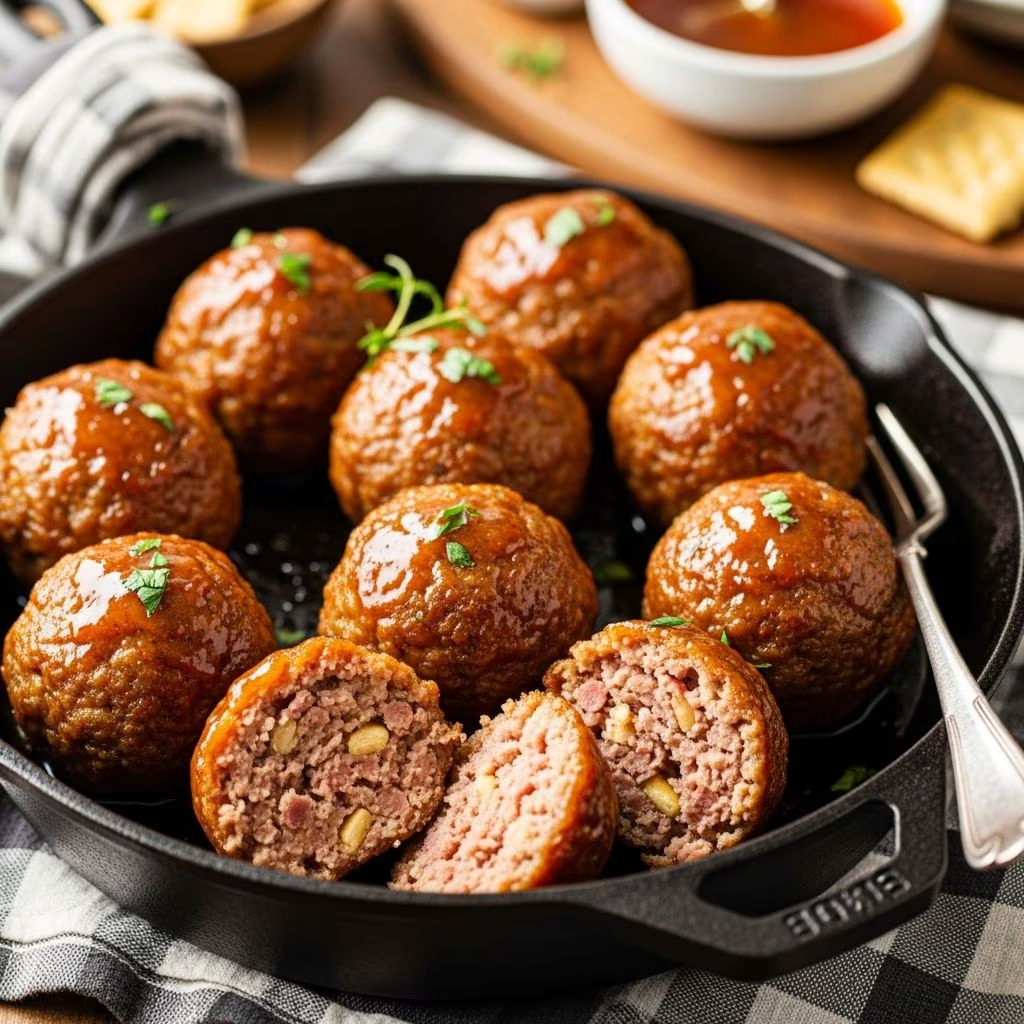
When it comes to regional American comfort food, few dishes capture the essence of heartland cooking quite like ham balls. This beloved preparation represents generations of culinary tradition, particularly in the upper Midwest where it has earned a special place in family dinners and potluck gatherings. Ham balls stand apart from traditional meatballs through their distinctive combination of ground meats and unexpected binding ingredients that create a uniquely satisfying texture and flavor profile.
Understanding the Distinctive Appeal of This Regional Specialty
Ham balls have become synonymous with comfort home cooking, especially throughout Iowa and Nebraska where they remain a staple of festive gatherings and everyday meals. What makes these meatballs particularly interesting is the unusual ingredient combination that initially seems counterintuitive but produces remarkably delicious results. The foundation of ham balls relies on mixing multiple types of ground meat—typically ground ham as the primary component, complemented by beef or pork—which creates depth and complexity in flavor that surpasses what any single meat could achieve alone.
The secret to understanding ham balls begins with recognizing them as more than mere meatballs; they represent a specific culinary tradition that developed in farming communities where utilizing available ingredients creatively was both necessary and celebrated. The incorporation of binders like graham cracker crumbs or saltine crackers distinguishes these meatballs from their Italian or Swedish cousins, adding texture while helping to retain moisture throughout the cooking process.
Assembling Your Ingredients: What You’ll Need
Creating authentic ham balls requires gathering specific components that work together to develop the characteristic flavor and texture. Understanding each ingredient’s role in the final dish helps ensure successful preparation:
The Meat Base
Ground ham serves as the foundation of this dish, providing the distinctive flavor that defines ham balls. Ground beef or ground pork complements the ham, adding richness and helping bind the mixture. Most traditional recipes call for equal portions of ground ham and one additional protein, though variations exist that incorporate multiple meat types for enhanced complexity.
Binding and Texture Elements
Graham cracker crumbs or crushed saltine crackers serve crucial purposes in ham ball recipes. These ingredients absorb the milk mixture, helping to bind the ground meats while creating a tender interior texture. Crushed cracker crumbs can be found in the baking aisle of most grocery stores, or you can easily prepare them at home by placing crackers in a food processor or sealed plastic bag and crushing them by hand.
Moisture and Structure Contributors
Eggs and milk work together to create a moist, cohesive mixture. The eggs provide structural integrity while the milk ensures the meat mixture remains tender rather than dense. This combination prevents the finished meatballs from becoming tough or dry during the baking process.
The Sweet and Savory Glaze
The sauce distinguishes ham balls from conventional meatball preparations. A combination of condensed tomato soup, brown sugar, vinegar, and dry mustard creates a glaze that is simultaneously sweet, tangy, and slightly spicy. This complex sauce coating caramelizes during baking, adding depth to the overall dish.
Preparation Techniques for Superior Results
Combining the Meat Mixture Properly
Begin by placing all meatball ingredients into a large mixing bowl. Combine the ground ham, ground beef or pork, cracker crumbs, eggs, and milk. Rather than using an electric mixer, hand-mixing produces superior results by preventing overworking the meat, which can result in dense, tough meatballs. Mix for approximately five to ten minutes, ensuring all ingredients are thoroughly incorporated and evenly distributed throughout.
Achieving proper mixing requires a gentle touch; your goal is to create a uniform consistency without compressing the mixture excessively. Over-mixing develops gluten networks in the binders, resulting in meatballs with an undesirable texture resembling rubber rather than tender meat.
Forming Consistent Meatballs
Once the mixture reaches uniform consistency, portioning becomes important for even cooking. Using a measuring cup or cookie scoop ensures consistent sizing throughout. Most recipes call for meatballs approximately one-third to one-half cup in size, which translates to roughly twelve to fifteen meatballs per batch. Consistent sizing prevents some meatballs from overcooking while others remain undercooked.
Gently roll each portion between your palms into a ball shape, taking care not to compress the mixture excessively. Place formed meatballs in a baking dish in a single layer, arranging them so they don’t touch each other—this allows heat to circulate evenly and ensures uniform browning.
Preparing the Essential Glaze
The glaze represents the defining characteristic of ham balls, transforming simple meatballs into something remarkable. In a separate bowl or measuring cup, combine one can of condensed tomato soup (undiluted), brown sugar, white or apple cider vinegar, and dry mustard powder. Whisk these ingredients together until the brown sugar dissolves and the mixture becomes uniform in color and consistency.
Some recipes call for bringing the glaze ingredients to a boil in a saucepan before pouring over the meatballs, which slightly reduces the liquid and concentrates the flavors. This step is optional but produces a more intensely flavored coating. Whether you choose to heat the glaze or pour it directly over the meatballs, ensure it covers them completely for even cooking and flavor development.
Baking Instructions for Perfect Results
Temperature and Timing Considerations
Preheat your oven to 350°F before beginning the baking process. This temperature ensures thorough cooking without excessive browning on the exterior. Place the baking dish containing the meatballs and glaze into the preheated oven for approximately one hour.
Basting the meatballs with the glaze once or twice during the baking process ensures even coating and helps develop a glossy, caramelized exterior. Using a spoon or basting brush, gently turn the meatballs if possible and redistribute the sauce over the top.
Determining Doneness
Ham balls are finished cooking when they reach an internal temperature of 160°F as measured by a meat thermometer inserted into the largest meatball. At this temperature, any harmful bacteria present in the meat mixture is eliminated. The sauce should reduce to a thick, syrupy consistency that clings to the meatballs rather than pooling excessively in the bottom of the dish.
Variations and Creative Interpretations
While traditional ham ball recipes follow established patterns, numerous variations allow for creativity and personalization. Some cooks substitute different types of crackers—including oyster crackers, panko breadcrumbs, or even crushed pretzels—for graham crackers, each contributing unique flavor notes and textures. The meat combination can be adjusted based on preference or availability; some recipes lean more heavily on pork, while others incorporate additional beef for a richer flavor.
Glaze variations represent another avenue for customization. Some regional versions use ketchup-based sauces, while others incorporate mustard as a primary component. Experimenting with different vinegar types—including apple cider, white, or rice vinegar—produces subtle flavor variations that appeal to different palates.
Serving and Presentation Suggestions
Ham balls work beautifully as a main course, served alongside simple starches like mashed potatoes or buttered egg noodles. The tangy, slightly sweet sauce pairs particularly well with creamy sides that provide textural contrast. Alternatively, serve ham balls at room temperature as an appetizer, placing them on a serving platter with toothpicks for easy consumption at gatherings.
For potluck situations where keeping food warm is necessary, ham balls transport exceptionally well in covered baking dishes. The dish actually improves slightly as flavors meld during storage, making it an excellent make-ahead option. Reheat gently in a moderate oven to restore the sauce to its proper consistency without drying out the meatballs.
Storage and Make-Ahead Strategies
Prepared ham balls store well in the refrigerator for up to four days when covered properly. To reheat, place them in a covered baking dish and warm gently at 325°F for approximately twenty to thirty minutes until heated through. For longer storage, freeze ham balls in their glaze within an airtight container for up to three months. Thaw overnight in the refrigerator before reheating.
Preparing the meat mixture a day in advance streamlines cooking day activities. Store the unformed mixture in the refrigerator, then form and bake the meatballs on the day you plan to serve them. This advance preparation works particularly well for holiday gatherings or special occasions when your schedule becomes hectic.
Scaling Recipes for Different Group Sizes
Most ham ball recipes yield approximately twelve to fifteen meatballs, serving four to five people as a main course. Doubling the recipe creates enough for larger gatherings while remaining manageable in standard residential kitchens. Use two baking dishes rather than overcrowding a single dish, which compromises heat circulation and even cooking.
| Servings | Ground Ham | Ground Beef/Pork | Cracker Crumbs | Eggs | Milk |
|---|---|---|---|---|---|
| 4-5 | 1 lb | 1 lb | 1 cup | 1 | ¾ cup |
| 8-10 | 2 lbs | 2 lbs | 2 cups | 2 | 1½ cups |
| 12-15 | 3 lbs | 3 lbs | 3 cups | 3 | 2¼ cups |
Frequently Asked Questions
Can I use fresh ham instead of ground ham?
Yes, many cooks prefer grinding fresh ham at home using a food processor or meat grinder. This approach allows control over the fineness of the grind and often produces superior flavor compared to pre-ground varieties. Grind the ham just before preparing the mixture to maintain maximum freshness and texture.
What if I cannot find graham cracker crumbs?
Saltine crackers, panko breadcrumbs, or crushed oyster crackers work well as substitutes. Each contributes slightly different texture and flavor characteristics. Avoid using flavored crackers, which can introduce unwanted tastes that clash with the savory-sweet glaze.
Is it necessary to baste the meatballs during cooking?
While basting improves results by ensuring even glaze coverage and enhanced caramelization, it is not strictly necessary. Meatballs prepared without basting still cook through and develop adequate flavor, though the coating may be less glossy and pronounced.
Can ham balls be prepared in a slow cooker?
Yes, ham balls adapt well to slow cooker preparation. Form and place meatballs in the slow cooker, pour glaze over them, and cook on low for four to five hours or on high for two to three hours. The longer, gentler cooking produces exceptionally tender meatballs, though the sauce remains thinner than oven-baked versions.
How do I prevent ham balls from becoming dry?
Proper mixing, appropriate baking temperature, and not overcooking ensure moist results. The glaze coating also prevents moisture loss. Using quality ground ham rather than very lean varieties also helps maintain moisture content throughout cooking.
References
- Classic Iowa Ham Balls | Original Recipe — Mom’s Dinner. Accessed 2026. https://momsdinner.net/ham-balls/
- Farmhouse Ham Balls — Plowing Through Life. Accessed 2026. https://plowingthroughlife.com/farmhouse-ham-balls-3/
- Ham Balls Recipe — Wyse Guide. Accessed 2026. https://www.wyseguide.com/ham-balls/
- Old Fashioned Ham Balls — Barefeet In The Kitchen. Accessed 2026. https://barefeetinthekitchen.com/ham-ball-recipe/
- Iowa Ham Balls — Love Bakes Good Cakes. Accessed 2026. https://www.lovebakesgoodcakes.com/iowa-ham-balls/