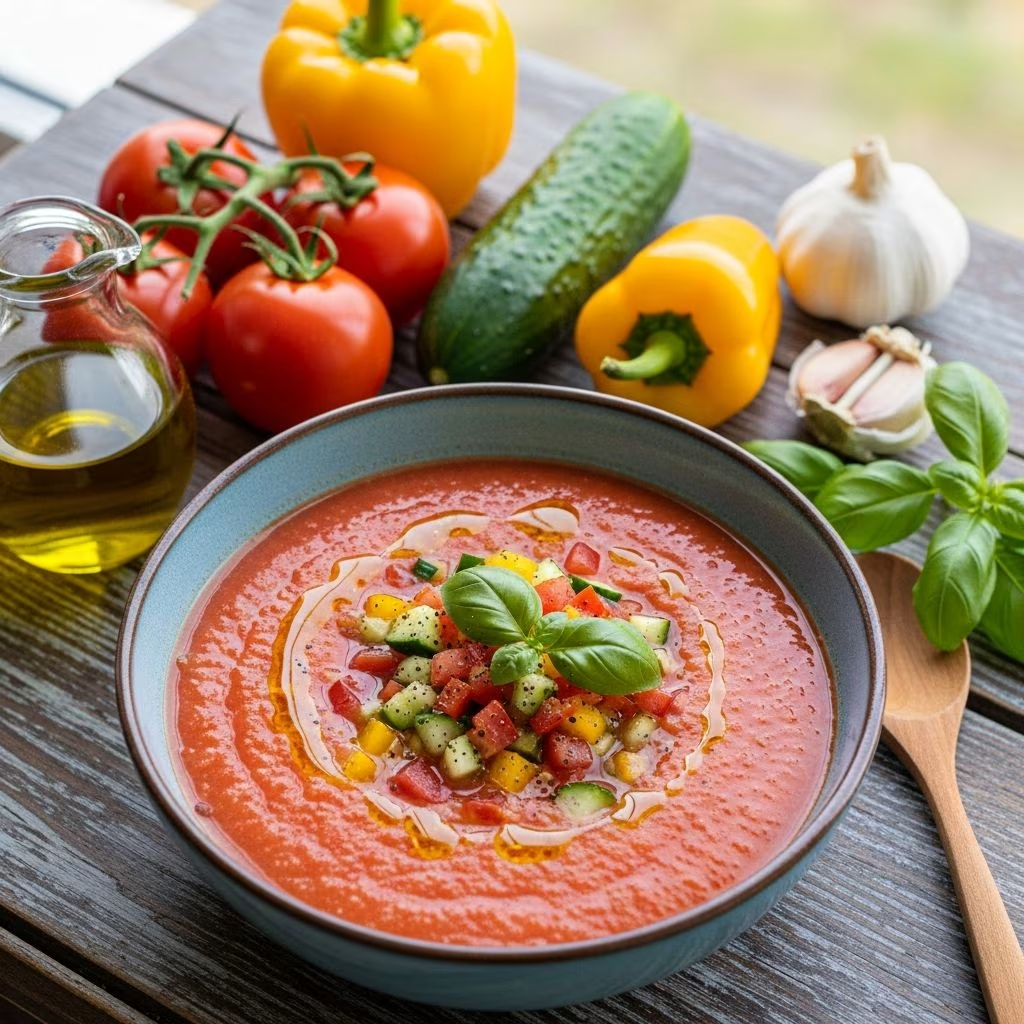
Nothing beats the refreshing taste of gazpacho on a sweltering summer day. This chilled soup, originating from Andalusia in southern Spain, transforms ripe summer produce into a vibrant, no-cook delight. Unlike traditional hot soups, gazpacho is served ice-cold, making it an ideal appetizer or light meal when turning on the stove feels impossible.
At its core, gazpacho relies on high-quality, in-season vegetables blended into a silky emulsion. Tomatoes provide the base with their juicy sweetness, while cucumbers, bell peppers, and onions add crunch and depth. A splash of vinegar and olive oil ties it all together, creating a balance of tangy, savory, and refreshing flavors. Whether you’re a first-time cook or a seasoned chef, this guide will walk you through everything you need to know to craft the perfect batch.
Why Gazpacho is a Summer Essential
Gazpacho isn’t just food; it’s a celebration of peak-season produce. It’s naturally vegan, gluten-free, and packed with vitamins from fresh veggies. According to the USDA, tomatoes alone offer lycopene, an antioxidant linked to heart health.1 The soup’s simplicity belies its versatility—customize it with herbs, spices, or even fruit for endless variations.
Historically, gazpacho dates back to Roman times, evolving from bread-soaked vegetable stews to the modern raw version. Today, it’s a staple in Spanish cuisine, especially in regions where summer heat demands cooling dishes. Its rise in popularity worldwide stems from its health benefits and ease of preparation—no cooking required means preserving maximum nutrients.
Essential Ingredients for Authentic Flavor
The secret to great gazpacho lies in fresh, ripe ingredients. Here’s a breakdown of what you’ll need for a classic 4-6 serving batch:
- Tomatoes (2 lbs / 900g): Use ripe, in-season varieties like beefsteak or heirloom for sweetness and juiciness. Avoid canned unless desperate.
- Cucumber (1 large / 300g): English or Persian cucumbers work best; peel if skin is tough.
- Green Bell Pepper (1 medium): Adds mild sweetness and color; red works for a fruitier note.
- Red Onion (½ medium): Provides sharp bite; soak in water first to mellow if preferred.
- Garlic (1-2 cloves): Fresh for pungency—don’t overdo it.
- Sherry Vinegar (3 tbsp): Traditional choice for authentic tang; red wine vinegar as substitute.
- Extra-Virgin Olive Oil (½ cup): High-quality for emulsification and richness.
- Salt and Black Pepper: To taste, starting with 2 tsp salt.
- Optional: Stale Bread (1 slice, crust removed): For traditional thickness; skip for gluten-free.
Pro Tip: Source ingredients from farmers’ markets for peak flavor. Ripe tomatoes should yield slightly to pressure and smell earthy.
Step-by-Step Preparation Method
Prep time: 20 minutes | Chill time: 2+ hours | Total time: 2.5 hours
- Prep Vegetables: Roughly chop tomatoes, cucumber (remove seeds if watery), bell pepper (remove seeds/stems), onion, and garlic. Work in batches if needed.
- Blend Base: In a blender or food processor, puree vegetables in stages until smooth. Add bread if using, soaked in water first.
- Season and Emulsify: Pass through a fine-mesh sieve for silky texture (optional but recommended). Stir in vinegar, salt, pepper, and olive oil. Taste and adjust—aim for bright acidity balanced by oil’s silkiness.
- Chill Thoroughly: Refrigerate for at least 2 hours, ideally overnight. Flavors meld and intensify when cold.
- Serve: Ladle into bowls, drizzle with oil, and garnish with diced veggies, herbs, or croutons.
For best results, use a high-powered blender like a Vitamix to achieve velvety smoothness without straining.
Perfecting Texture and Balance
Gazpacho’s appeal is its duality: smooth body with subtle chunky garnishes. If too thick, thin with ice water or tomato juice. Too thin? Add more bread or avocado for creaminess. Taste iteratively—acidity should pop first, followed by savory depth and a peppery finish. Chill a metal spoon in the freezer to test temperature; it should coat the spoon luxuriously.
| Common Issue | Solution |
|---|---|
| Bitter or flat taste | Increase vinegar/salt or use riper tomatoes |
| Too chunky | Blend longer or strain twice |
| Not cold enough | Chill 4+ hours; serve over ice |
| Lacks richness | More olive oil or a splash of cream (non-vegan) |
Creative Variations to Try
While classic gazpacho shines, experimentation keeps it exciting:
- Watermelon Gazpacho: Swap half the tomatoes for watermelon for sweet hydration.
- Spicy Version: Add jalapeño or smoked paprika for heat.
- Golden Gazpacho: Use yellow tomatoes and peppers for a milder, sunny hue.
- Avocado Gazpacho: Blend in 1 ripe avocado for creamy luxury.
- Herbed Twist: Infuse with basil, cilantro, or dill.
These adaptations maintain the no-cook ethos while suiting different palates. For wine pairing, opt for crisp Albariño or Verdejo from Spain.
Nutrition and Health Benefits
A 1-cup serving (about 240g) delivers roughly:
- Calories: 120
- Protein: 2g
- Carbs: 10g (mostly from veggies)
- Fat: 9g (healthy monos from olive oil)
- Vitamin C: 50% DV (peppers and tomatoes)
- Vitamin A: 30% DV
Hydrating and low-calorie, it’s ideal for weight management. The World Health Organization notes that diets rich in such vegetables reduce chronic disease risk.2 Lycopene from tomatoes shows bioavailability boosted by olive oil’s fats, per Harvard studies.3
Garnishes and Serving Suggestions
Elevate your gazpacho with thoughtful toppings:
- Diced cucumber, pepper, onion, and tomato (brunoise cut)
- Chopped hard-boiled egg or shrimp (for non-vegan)
- Fresh herbs like parsley or chives
- Crumbled feta or goat cheese
- Drizzle of olive oil and balsamic reduction
Serve in chilled bowls or glasses as a shooter for parties. Pair with grilled seafood, tapas, or crusty bread. For brunch, top with poached egg.
Storage, Make-Ahead, and Scaling
Gazpacho stores in an airtight container in the fridge for up to 3 days; flavors peak on day 2. Freeze in ice cube trays for portions up to 1 month—thaw overnight. Scale easily: double ingredients for crowds, but blend in batches to avoid overheating.
Make-Ahead Hack: Prep veggies day before and blend morning-of for freshest taste.
Frequently Asked Questions (FAQs)
Can I make gazpacho without a blender?
Yes, finely chop everything by hand and mix vigorously, but texture will be chunkier—more like a salsa.
Is gazpacho healthy?
Absolutely—it’s nutrient-dense, low in calories, and supports hydration and antioxidant intake.
What’s the best tomato for gazpacho?
Ripe summer tomatoes like Roma or heirloom; avoid green or underripe ones.
How do I reduce onion sharpness?
Soak diced onion in ice water for 15 minutes before adding.
Can I use lemon juice instead of vinegar?
Yes, but vinegar provides deeper tang; use 2 tbsp fresh lemon as sub.
Conclusion: Your New Go-To Summer Dish
Gazpacho embodies summer’s bounty in every spoonful—refreshing, versatile, and effortlessly elegant. With fresh ingredients and minimal effort, you can whip up this Spanish treasure anytime. Experiment, chill thoroughly, and savor the cool relief. Your taste buds (and the heat) will thank you.
References
- National Nutrient Database for Standard Reference — USDA Agricultural Research Service. 2023-06-15. https://fdc.nal.usda.gov/
- Healthy Diet Fact Sheet — World Health Organization. 2024-02-20. https://www.who.int/news-room/fact-sheets/detail/healthy-diet
- Lycopene and Risk of Prostate Cancer — Harvard T.H. Chan School of Public Health. 2022-08-10. https://www.hsph.harvard.edu/nutritionsource/lycopene/