Imagine a soup that requires no heat, captures the essence of sun-ripened vegetables, and cools you down on the hottest days. That’s gazpacho—a Spanish classic that’s equal parts refreshing, nutritious, and versatile. Originating from Andalusia, this raw soup has evolved from peasant fare to a global favorite. In this comprehensive guide, we’ll walk you through everything you need to know to create your own bowl of liquid sunshine.
The Allure of Chilled Gazpacho Soups
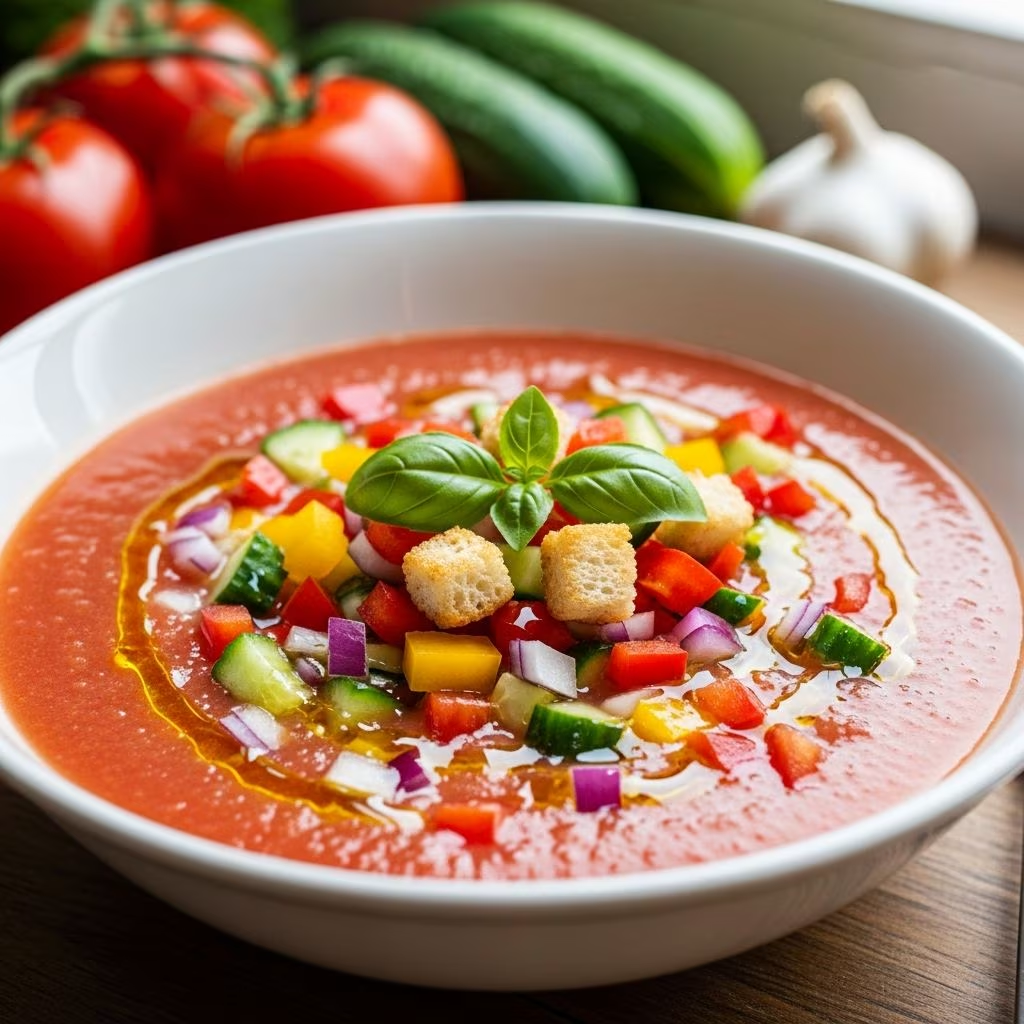
Gazpacho stands out in the world of soups because it’s served ice-cold and demands only a blender or food processor. Its base is typically tomatoes, blended smooth with cucumbers, bell peppers, onions, garlic, and olive oil. A splash of vinegar and a pinch of salt tie it all together, creating a harmonious balance of sweet, tangy, and savory notes.
What makes gazpacho irresistible? It’s the purity of flavors. Using peak-season produce means every ingredient shines without masking by cooking. Nutritionally, it’s a powerhouse: low in calories, high in vitamins A and C from veggies, and packed with heart-healthy lycopene from tomatoes. Perfect for weight management or as a light starter before heavier meals.
Essential Ingredients for Authentic Flavor
To nail the taste, quality matters most. Here’s your shopping list for 4-6 servings:
- Tomatoes: 2 lbs ripe, in-season varieties like heirloom or Roma for sweetness and juiciness.
- Cucumber: 1 large English cucumber, peeled and seeded for crispness without bitterness.
- Bell Pepper: 1 red or green for color and mild sweetness.
- Onion: 1 small red onion for sharp bite.
- Garlic: 2 cloves, fresh for pungency.
- Olive Oil: ½ cup extra-virgin for richness.
- Vinegar: ¼ cup sherry or red wine vinegar for acidity.
- Salt & Pepper: To taste.
- Optional: Stale bread for thickness, hot sauce for heat.
Pro tip: Chill all ingredients beforehand to enhance the final soup’s iciness.
Step-by-Step Preparation Method
Making gazpacho is straightforward—prep time is about 20 minutes, plus chilling.
- Prep Veggies: Roughly chop tomatoes, cucumber, pepper, onion, and garlic. Remove seeds from peppers and cucumber to avoid dilution.
- Blend Base: In a blender, process veggies in batches until smooth. Add bread soaked in water if you want a thicker texture, a traditional touch.
- Season: Stir in olive oil, vinegar, salt, and pepper. Taste and adjust—more vinegar for tang, oil for silkiness.
- Strain (Optional): For ultra-smooth results, pass through a fine sieve.
- Chill: Refrigerate at least 2 hours, ideally overnight, to let flavors meld.
- Serve: Ladle into bowls, garnish with diced veggies, herbs, or a drizzle of oil.
| Nutrition (per serving) | Amount |
|---|---|
| Calories | 150 |
| Carbs | 12g |
| Protein | 2g |
| Fat | 11g |
Historical Roots and Cultural Significance
Gazpacho traces back to Roman times, but its modern form emerged in 19th-century southern Spain. Roman workers mixed bread, olive oil, water, and garlic—a precursor called almojábanas. Moors later added vinegar, and post-Columbus tomatoes transformed it into the red soup we love.
In Andalusia, gazpacho is more than food; it’s a symbol of resourcefulness. Farm laborers created it from garden scraps. Today, it’s a staple at tapas bars, fiestas, and high-end restaurants worldwide.
Creative Variations to Try
While classic gazpacho is unbeatable, experiment:
- White Gazpacho (Ajo Blanco): Almonds, grapes, and garlic—no tomatoes—for a creamy, nutty twist.
- Watermelon Gazpacho: Swap half the tomatoes for watermelon for sweetness.
- Avocado Gazpacho: Blend in ripe avocado for creaminess.
- Spicy Version: Add jalapeños or smoked paprika.
- Golden Gazpacho: Use yellow tomatoes and peppers for vibrant color.
Each variation maintains the no-cook ethos while spotlighting seasonal produce.
Perfect Pairings and Serving Ideas
Gazpacho shines solo but pairs beautifully with:
- Grilled Meats: Shrimp skewers or chicken for contrast.
- Cheeses: Manchego or goat cheese crumbles.
- Breads: Crusty baguette or pita for dipping.
- Wines: Crisp Albariño or Verdejo—acidity matches the soup’s tang.
For parties, serve in shot glasses as appetizers. Top with microgreens, crabmeat, or poached shrimp for elegance.
Common Mistakes and Pro Tips
Avoid these pitfalls:
- Using Out-of-Season Tomatoes: They’ll taste mealy—wait for summer.
- Over-Blending: Stop at smooth, not purée, to retain texture.
- Skipping the Chill: Flavors need time to integrate.
Expert tips:
- Freeze in ice cube trays for quick portions.
- Double the batch—it stores 3-4 days in the fridge.
- Use a high-speed blender for best emulsion.
Health Benefits Backed by Science
Gazpacho isn’t just tasty; it’s healthful. Tomatoes provide lycopene, linked to reduced cancer risk per studies from the NIH. Cucumbers hydrate, peppers boost immunity with vitamin C. Olive oil’s monounsaturated fats support heart health, as noted by the American Heart Association.
FAQ
Can I make gazpacho ahead?
Yes, it’s best after 24 hours in the fridge. Keeps up to 5 days.
Is gazpacho vegan?
Absolutely, as long as you skip bread or use gluten-free.
How do I thicken gazpacho?
Add soaked bread, avocado, or more olive oil.
What’s the best tomato for gazpacho?
Ripe, juicy ones like beefsteak or heirloom.
Can I freeze gazpacho?
Yes, but texture may soften upon thawing—use within 2 months.
With this guide, you’re equipped to conquer gazpacho. Whether traditional or twisted, it delivers summer in every spoonful. Dive in and refresh your menu!
References
- Tomato Lycopene and Health Effects — National Institutes of Health (NIH). 2023-05-15. https://pubmed.ncbi.nlm.nih.gov/37050810/
- Mediterranean Diet and Cardiovascular Health — American Heart Association. 2024-02-20. https://www.ahajournals.org/doi/10.1161/CIR.0000000000001031
- Spanish Gastronomy: Gazpacho History — Real Academia Española. 2022-11-10. https://www.rae.es/
- Nutritional Composition of Gazpacho — USDA FoodData Central. 2025-01-08. https://fdc.nal.usda.gov/