The appeal of diner food transcends generations, offering diners a nostalgic connection to American culinary traditions. These establishments have long served as gathering places where families and friends gather over steaming plates of timeless comfort dishes. The beauty of diner cuisine lies not in complicated techniques or exotic ingredients, but in the straightforward approach to flavor and satisfaction. Understanding how to recreate these beloved dishes in your own kitchen opens doors to memorable meals that celebrate simplicity and wholesome goodness.
Understanding Diner Culture and Its Culinary Impact
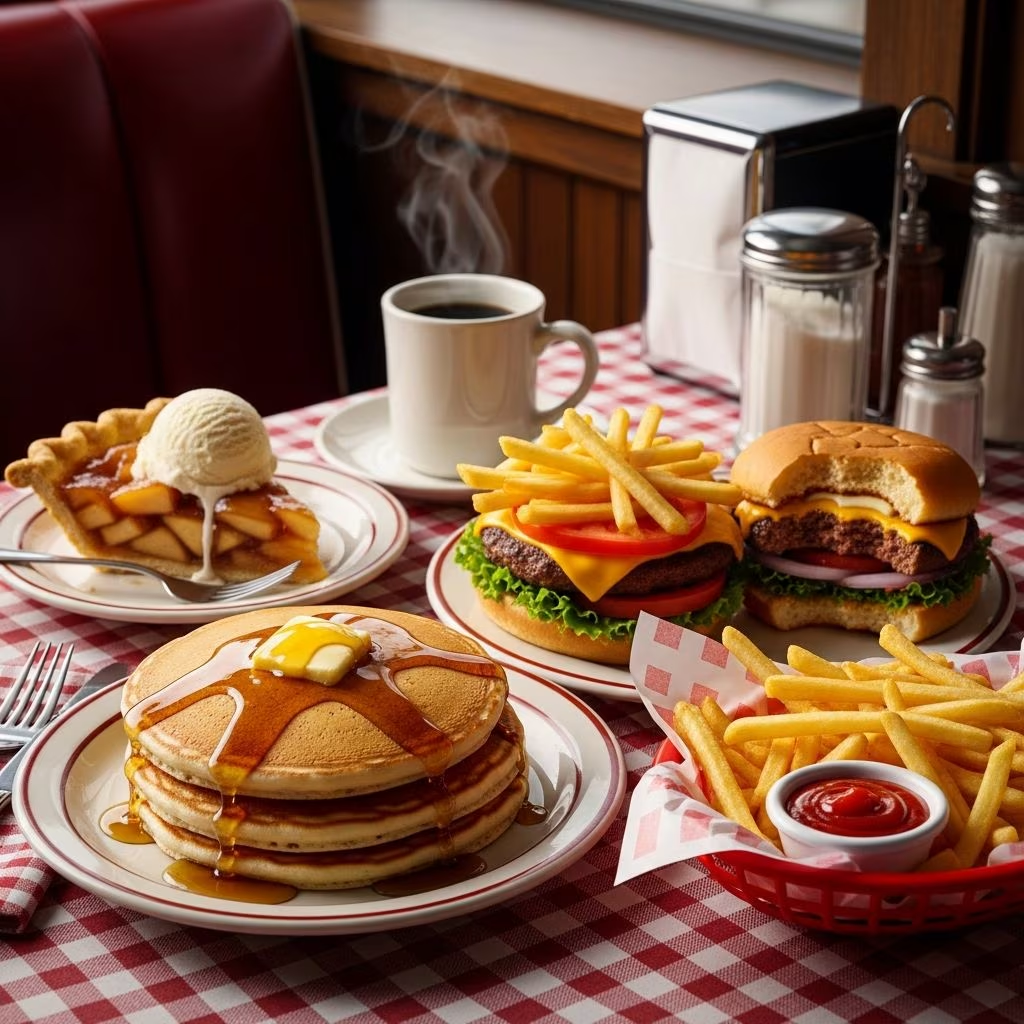
Diners represent more than just restaurants; they embody a particular philosophy of American home cooking elevated to a professional level. These establishments emerged as cultural icons, particularly in the mid-20th century, becoming destinations where people could enjoy affordable, hearty meals prepared with care. The diner aesthetic—checkered floors, vinyl booths, and gleaming countertops—creates an atmosphere that encourages both relaxation and community connection.
The food served in diners reflects practical wisdom about satisfying hunger and providing nutritional value without pretense. Cooks working in these kitchens developed techniques and flavor combinations that maximize appeal with minimal fuss. Many dishes served at diners draw inspiration from regional American cuisines, immigrant traditions, and farm-to-table principles, adapted for efficiency and consistency. This culinary approach has proven so enduring that home cooks continue seeking authentic diner recipes decades after these establishments first became popular.
Building Your Diner Recipe Collection: Essential Dishes to Master
Creating a repertoire of diner-inspired recipes begins with understanding which dishes form the foundation of diner cuisine. These foundational recipes teach essential cooking techniques while delivering the satisfaction diners expect. Learning to prepare multiple versions of core dishes—whether main courses, breakfast specialties, or sandwiches—provides flexibility for different occasions and dietary preferences.
Hearty Main Course Foundations
The main courses served at diners often feature beef, pork, or poultry prepared using methods that emphasize tenderness and rich flavor development. One classic preparation involves combining ground meat with breadcrumbs, seasonings, and aromatics to create patties or loaves that develop a savory crust while remaining moist inside. Sautéing mushrooms and onions in butter before incorporating them into dishes adds depth and complexity to otherwise simple preparations.
Another cornerstone of diner menus features tender beef and noodles in a creamy sauce, typically enriched with sour cream or similar dairy components. This dish demonstrates how inexpensive cuts of meat become luxurious through proper braising techniques and the addition of umami-rich ingredients. The preparation typically involves searing meat to develop a flavorful crust, then simmering gently until the connective tissues break down, creating natural gelatin that thickens and enriches the sauce.
Additional main course options include ground beef patties topped with savory gravies, often accompanied by mashed potatoes or egg noodles. These dishes benefit from using moderately fatty meat blends that maintain moisture during cooking while developing robust flavor. The foundation technique involves forming patties carefully to avoid compacting the meat, which would result in a dense, tough texture rather than a tender, succulent result.
Breakfast Specialties That Anchor the Morning Menu
Breakfast represents a critical component of diner culture, with several signature dishes that define the morning experience. Corned beef hash combines shredded corned beef with diced potatoes, onions, and seasonings, then pan-fries until the exterior achieves a golden-brown crust while the interior remains tender. This dish exemplifies the diner philosophy of transforming humble ingredients into something greater than the sum of its parts.
Hash browns prepared with shredded potatoes and seasonings then crisped in butter or oil represent another breakfast essential. Some diner-style preparations incorporate additional vegetables and proteins directly into the hash mixture, creating one-pan meals that satisfy substantial appetites. The key to success involves proper moisture management—excess water must evaporate for optimal browning and crispness.
Breakfast skillets combine proteins, potatoes, vegetables, and cheese in a single pan, creating comprehensive morning meals with minimal cleanup. Spicy sausages provide flavor and textural interest, while mushrooms and onions contribute additional umami and subtle sweetness. Cheese melted throughout the preparation binds ingredients while adding richness and protein, making these skillets particularly satisfying for workers beginning demanding days.
Sandwich Culture at the Counter
Diner sandwiches represent an art form unto themselves, utilizing quality breads and carefully balanced flavor combinations to create memorable handheld meals. These sandwiches typically feature complementary proteins, vegetables, and condiments chosen to create textural contrast and flavor harmony.
Classic sandwiches often feature quality rye or pumpernickel breads layered with cured meats, cheese, sauerkraut, and house-made or carefully selected dressings. The preparation method—toasting the bread lightly to warm it without overwhelming the other ingredients—demonstrates diner cooking philosophy: each component matters, and timing affects the final result.
Multi-layered variations combine proteins in creative ways, often featuring mayonnaise blended with pesto or similar spreads for added complexity. These preparations typically include toasted bread as a structural foundation, preventing sogginess while providing pleasant textural contrast to softer components. Fresh vegetables like lettuce and tomato add brightness and crunch, balancing richer elements.
Casseroles and Baked Dishes: Feeding a Crowd
Casserole-style dishes occupy important positions on diner menus because they prepare in advance, reheat well, and serve large groups efficiently. These one-dish meals combine proteins, starches, vegetables, and sauces in single vessels, creating complete nutrition and satisfaction.
Tuna-based casseroles demonstrate how economical ingredients transform into sophisticated comfort food. The preparation involves building texture through multiple elements—sautéed onions and vegetables provide freshness, while toasted breadcrumbs create a contrasting crust. The sauce component, typically based on cream soup or a simple béchamel, binds ingredients while providing moisture that prevents drying during baking.
Desserts That Conclude the Experience
Traditional diner desserts showcase the pleasure of uncomplicated sweetness, often featuring classic preparations that have remained essentially unchanged for decades. These desserts frequently emphasize quality ingredients and straightforward techniques rather than elaborate presentations or trendy flavor combinations.
Cheesecake represents a diner dessert that seems elaborate but actually requires only basic components and patient execution. The preparation involves creating a graham cracker crust, then baking a dense, creamy filling in stages. Extended chilling allows flavors to meld and textures to set properly, resulting in the characteristic dense-yet-creamy consistency that defines excellent cheesecake.
Creating Authentic Flavor Through Proper Technique
Successful diner cooking relies more on understanding fundamental techniques than mastering complex recipes. Several principles emerge consistently across diner preparations:
- Proper heat management ensures proteins develop flavorful crusts while remaining tender inside, and vegetables caramelize rather than merely softening
- Ingredient quality matters in simple preparations where each element remains visible rather than hidden in complex sauces
- Aromatics preparation through careful sautéing builds foundational flavor rather than simply adding raw onions and garlic
- Sauce development through reduction concentrates flavors and achieves proper consistency for coating rather than drowning dishes
- Textural contrast between crispy, tender, and creamy elements maintains interest and satisfaction throughout eating
Adapting Diner Recipes for Modern Preferences
While maintaining the essence of classic diner food, contemporary cooks often adapt recipes to reflect current ingredient availability, dietary considerations, and personal preferences. These adaptations honor diner traditions while acknowledging modern cooking realities.
Protein substitutions allow home cooks to prepare diner favorites accommodating various diets. Turkey substitutes for beef in some preparations, while legumes or plant-based proteins replace meat in others. The key involves maintaining the cooking principles and flavor profiles that define diner dishes rather than simply removing ingredients.
Vegetable additions enhance nutritional profiles while complementing classic flavor combinations. Additional mushrooms, peppers, or leafy greens integrate seamlessly into existing recipes, adding nutrition without requiring dramatic technique changes.
Frequently Asked Questions About Diner Cooking
Why do diner dishes taste better than homemade versions?
Diner kitchens benefit from professional equipment and long practice repetition, but home cooks can replicate results by mastering proper techniques. Key factors include adequate heat for proper browning, quality ingredients, and understanding seasoning and flavor balance. Many diner dishes actually simplify in home kitchens through ingredient optimization and personalized technique adaptation.
Can I make diner recipes healthier?
Absolutely. Diner cooking principles—careful seasoning, proper cooking techniques, building complex flavors—work equally well with lighter ingredients. Reducing heavy cream proportions, incorporating more vegetables, and using leaner protein cuts maintain satisfaction while adjusting nutritional profiles. The satisfaction in diner food comes largely from technique and flavor rather than exclusively from fat and calories.
What equipment do I need to cook diner food?
Standard home kitchen equipment suffices for most diner recipes. A quality skillet for browning, heavy-bottomed pots for braising, and a reliable oven handle the vast majority of preparations. Cast iron skillets particularly enhance diner-style cooking through superior heat retention and even distribution, replicating commercial kitchen results in home settings.
How far in advance can I prepare diner dishes?
Many diner dishes improve with advance preparation, as flavors meld during refrigeration. Casseroles, braised meats, and most cooked dishes hold well for 2-3 days under proper refrigeration. Some items like hash browns or fried elements benefit from preparation close to serving time for optimal texture, but most diner foods prioritize practicality and advance preparation capability.
Building Confidence in Your Diner Kitchen
Mastering diner cooking begins with selecting one or two dishes to perfect, then gradually expanding your repertoire. This approach builds confidence and technique understanding progressively rather than attempting multiple complex recipes simultaneously.
Practice with simple preparations like hash browns or basic breakfast skillets teaches fundamental techniques—heat management, seasoning balance, and proper timing—that transfer directly to more complex dishes. Once comfortable with foundational techniques, home cooks tackle more involved preparations with significantly improved outcomes.
The diner cooking philosophy emphasizes that excellence comes through understanding principles rather than following rigid instructions. This approach empowers home cooks to adapt recipes to available ingredients, personal preferences, and dietary needs while maintaining the authentic diner experience that has made these dishes beloved across generations.
References
- 14 Of The Easiest Old-School Diner Dishes To Recreate At Home — The Takeout. https://www.thetakeout.com/2071063/easiest-old-school-diner-dishes-homemade/
- Diner Food Classics — Saveur Magazine. https://www.saveur.com/article/-/Diner-Classics/
- American Diner Breakfast Skillet — Lavender and Lovage. https://www.lavenderandlovage.com/2017/05/american-diner-breakfast-skillet.html
- Classic Diner Food Favorites — Or Whatever You Do. https://www.orwhateveryoudo.com/2023/09/classic-diner-food-favorites.html