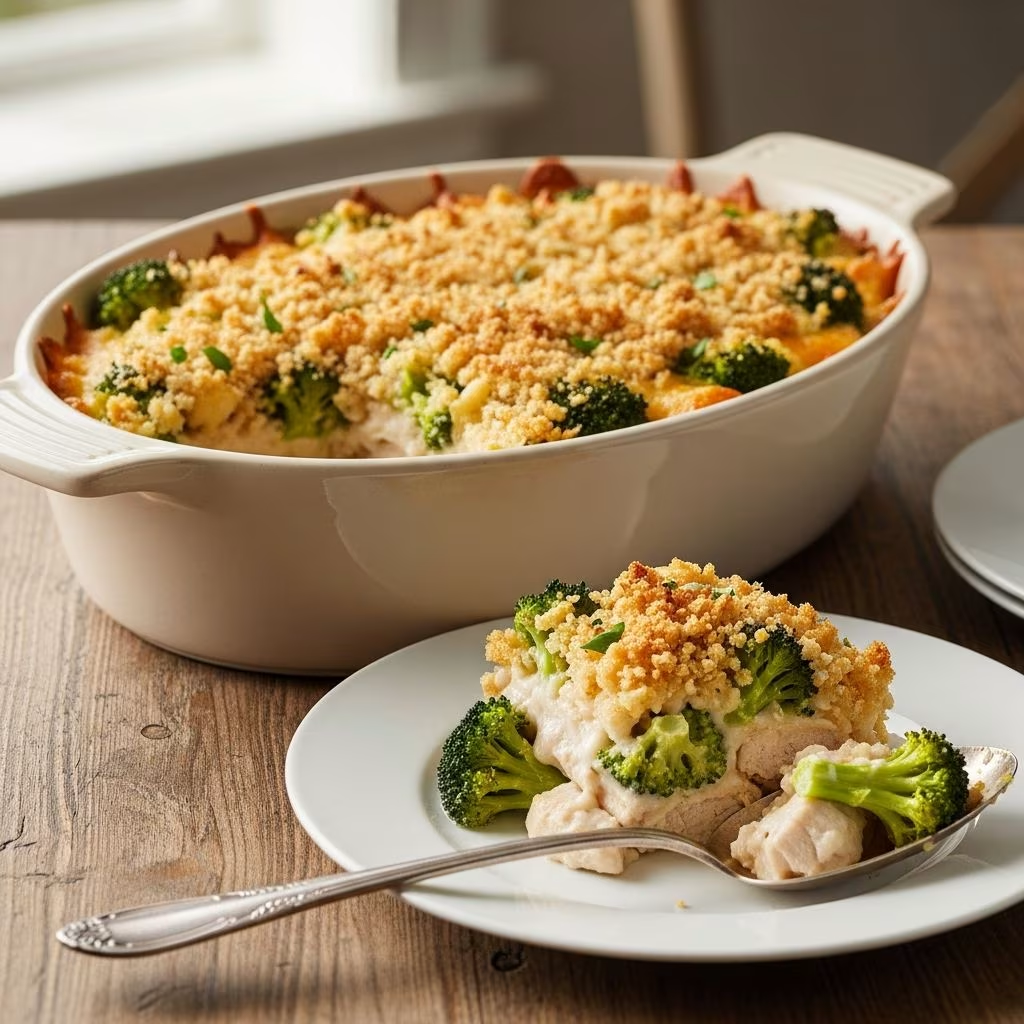
Chicken divan represents one of America’s most cherished casserole traditions, combining tender poultry with fresh broccoli florets in a luscious cream-based sauce topped with melted cheese and crispy bread crumbs. This dish has endured for generations because it delivers genuine comfort through uncomplicated ingredients and straightforward preparation methods. Whether you’re planning a Sunday family dinner or seeking a reliable weeknight solution, understanding the fundamentals of this classic recipe empowers you to create a satisfying meal that appeals to both children and adults.
What Makes Chicken Divan Such a Beloved Dish
The appeal of chicken divan lies in its perfect balance of textures and flavors. The moist chicken pieces provide protein and substance, while the broccoli adds nutritional value and a slight vegetable presence. The creamy sauce binds everything together, creating a cohesive dish rather than separated components. The cheese contributes richness and depth, while the breadcrumb topping offers textural contrast with its slight crispness against the soft casserole beneath.
This dish works particularly well for home cooks because it doesn’t require advanced culinary skills or hard-to-find specialty ingredients. Most pantry staples and readily available grocery items form the foundation of this recipe. The preparation process involves minimal hands-on time, with the oven handling most of the cooking work. Many families have adapted this recipe across generations, making it a versatile canvas for personal preferences and ingredient variations.
Essential Ingredients and Their Roles
Understanding each component’s contribution helps you appreciate why chicken divan works so well and provides flexibility for modifications based on dietary preferences or ingredient availability.
Protein Foundation: Chicken Selection
The chicken serves as the primary protein and bulk ingredient. Traditional preparations use chicken breasts, which offer a leaner option compared to thighs or drumsticks. You can prepare chicken through several methods: boiling in water for approximately 30-35 minutes, baking in the oven, or purchasing pre-cooked rotisserie chicken from your grocery store. Each method yields tender, easily shredded meat suitable for casserole preparation. Aim for approximately three cups of chopped chicken to ensure adequate protein throughout the dish and proper proportions with other ingredients.
Vegetable Component: Broccoli Florets
Fresh or frozen broccoli florets form the vegetable backbone of this dish. If using fresh broccoli, cut it into bite-sized florets and steam or blanch them briefly in boiling water—approximately five to seven minutes—until they achieve a tender-crisp texture. Frozen broccoli offers convenience and works equally well when thawed and drained thoroughly to remove excess moisture. Approximately two to three cups of broccoli provides sufficient volume while maintaining proper proportions with the sauce and protein components.
The Creamy Sauce Components
The sauce distinguishes chicken divan from simpler chicken and broccoli dishes. This typically combines condensed cream of chicken soup (or cream of mushroom or celery soup) with mayonnaise as the primary binders. These ingredients create a rich, cohesive sauce without requiring cream or butter-based roux preparations. A splash of lemon juice brightens the flavor profile and prevents the sauce from tasting overly heavy, while some recipes incorporate a touch of white wine for added complexity. Optional curry powder adds subtle spice and depth, transforming a basic sauce into something more sophisticated.
Cheese and Topping Elements
Shredded cheddar cheese melts smoothly throughout the casserole and on top, adding flavor and creaminess. Approximately one cup of cheese suffices for a standard casserole, though you can adjust based on preference. The breadcrumb topping—whether traditional breadcrumbs or panko varieties—provides textural interest and visual appeal when golden brown. Mixing breadcrumbs with melted butter ensures even browning and prevents the topping from becoming dense or soggy.
Step-by-Step Preparation Method
Following a logical sequence ensures successful results and allows you to manage multiple components efficiently.
Pre-Preparation and Oven Setup
Begin by preheating your oven to 350 degrees Fahrenheit. This temperature provides gentle, consistent heat that allows the casserole to heat through without drying out the chicken or causing the top to brown too quickly. Select a medium rectangular baking dish, typically a nine-by-thirteen-inch size or two-quart capacity, and spray it with cooking spray to prevent sticking. Having your baking dish prepared before mixing components prevents ingredients from sitting at room temperature too long.
Assembling the Casserole Base
Arrange your prepared chicken pieces in a single layer across the bottom of the prepared baking dish. Distribute the thawed or pre-cooked broccoli florets over and around the chicken, ensuring relatively even distribution so each serving contains both protein and vegetables. This layering approach creates structure and makes plating easier when serving.
Creating and Adding the Sauce
In a separate mixing bowl, combine one can of condensed cream of chicken soup with one-half cup of mayonnaise, one teaspoon of lemon juice, and any optional ingredients like curry powder or wine. Whisk these components together until thoroughly blended and relatively smooth. Pour this mixture evenly over the chicken and broccoli layer, using a spatula to ensure the sauce reaches all areas of the casserole. The sauce should coat everything without creating a deep pool at the bottom.
Adding Cheese and Toppings
Sprinkle approximately one cup of shredded cheddar cheese over the sauce layer, distributing it as evenly as possible. In a small bowl, combine one-half cup of breadcrumbs with two tablespoons of melted butter, mixing until the crumbs absorb the butter and develop a slightly clumpy texture. Scatter these buttered crumbs across the cheese layer, creating a complete topping that will brown and crisp during baking.
Baking and Doneness Indicators
Place the assembled casserole into your preheated oven and bake for twenty to thirty minutes. The casserole reaches doneness when the cheese melts completely, the sauce bubbles gently around the edges, and the breadcrumb topping achieves a light golden-brown color. Remove from the oven and allow the casserole to rest for five to ten minutes before serving, which allows the sauce to set slightly and makes plating cleaner.
Ingredient Variations and Substitutions
| Original Ingredient | Possible Substitution | Effect on Dish |
|---|---|---|
| Cream of Chicken Soup | Cream of Mushroom or Celery Soup | Subtly different flavor profile while maintaining creamy consistency |
| Cheddar Cheese | Gruyere, Swiss, or Fontina | More sophisticated, complex cheese flavors |
| Breadcrumbs | Panko or crushed crackers | Varying crispness and texture of the topping |
| Fresh Broccoli | Frozen or canned vegetables | Different cooking times and textures |
| Mayonnaise | Greek yogurt or sour cream | Tangier flavor with similar binding properties |
Serving Suggestions and Complementary Sides
Chicken divan works beautifully as a standalone dish or paired with complementary sides. Steamed rice or egg noodles provide a neutral accompaniment that absorbs excess sauce and creates a more substantial meal. Crusty bread serves double duty by complementing the casserole and providing something to soak up remaining sauce on plates. Light salads with vinaigrette offer textural contrast and add freshness to balance the richness of the casserole. For a more complete vegetable profile, serve alongside roasted root vegetables or steamed green beans.
Storage and Reheating Guidelines
Leftover chicken divan stores well in an airtight container in the refrigerator for three to four days. To reheat, transfer a portion to an oven-safe dish and warm in a 350-degree oven for approximately fifteen to twenty minutes until heated through. Alternatively, microwave individual portions in thirty-second intervals, stirring between intervals to ensure even heating. The casserole can also be frozen for up to three months in a well-sealed container; thaw overnight in the refrigerator before reheating. Freezing works best if you haven’t added the breadcrumb topping—apply it fresh before the final baking.
Frequently Asked Questions
Can I prepare chicken divan in advance?
Yes, you can assemble the entire casserole up to twenty-four hours before baking. Cover it tightly with plastic wrap or foil and refrigerate. When ready to bake, add five to ten minutes to the total cooking time to account for the cold temperature. You can also add the breadcrumb topping just before baking to ensure maximum crispness.
What’s the best way to cook chicken for this recipe?
Boiling chicken breasts produces consistently tender, evenly cooked meat ideal for casseroles. However, baked chicken or rotisserie chicken work equally well. If baking, season the breasts and bake at 375 degrees for approximately twenty to twenty-five minutes until the internal temperature reaches 165 degrees Fahrenheit.
Can I use fresh herbs to enhance the flavor?
Absolutely. Fresh thyme, dill, or parsley complement chicken divan beautifully. Add approximately one tablespoon of fresh herbs to the sauce mixture, or sprinkle fresh parsley over the finished casserole for garnish and color contrast.
Is this recipe suitable for dietary restrictions?
Chicken divan adapts reasonably well to various dietary needs. For reduced-fat versions, use light mayonnaise and reduced-fat soup varieties. Gluten-free diets require substituting the breadcrumb topping with gluten-free alternatives. Dairy-free adaptations prove more challenging but possible with specialized cheese and mayonnaise substitutes.
How do I prevent the top from burning while the interior heats through?
Cover the casserole loosely with foil during the first fifteen minutes of baking, then remove to allow browning during the final ten to fifteen minutes. Alternatively, reduce the oven temperature slightly to 325 degrees and extend the baking time proportionally.
Conclusion
Chicken divan endures as a beloved casserole because it delivers comfort, satisfaction, and reliable results using accessible ingredients and straightforward techniques. Whether you’re preparing this dish for the first time or recreating a family tradition, understanding the components and preparation methods ensures successful outcomes. The flexibility of this recipe allows for personal modifications while maintaining the essential character that makes it so appealing. From weeknight family dinners to casual entertaining, chicken divan provides a dependable solution that satisfies appetites and creates lasting memories around the dinner table.
References
- Food Safety and Inspection Service — United States Department of Agriculture — USDA. 2024. https://www.fsis.usda.gov/food-safety/safe-food-handling-and-preparation/food-safety-basics
- Chicken: Meat Preparation and Safety — Centers for Disease Control and Prevention. 2023. https://www.cdc.gov/foodsafety/communication/chicken-preparation.html
- Nutritional Composition of Broccoli and Its Health Benefits — National Institutes of Health. 2024. https://www.ncbi.nlm.nih.gov/
- Food Storage Guidelines for Home Cooks — U.S. Food and Drug Administration. 2023. https://www.fda.gov/food/consumers/food-storage