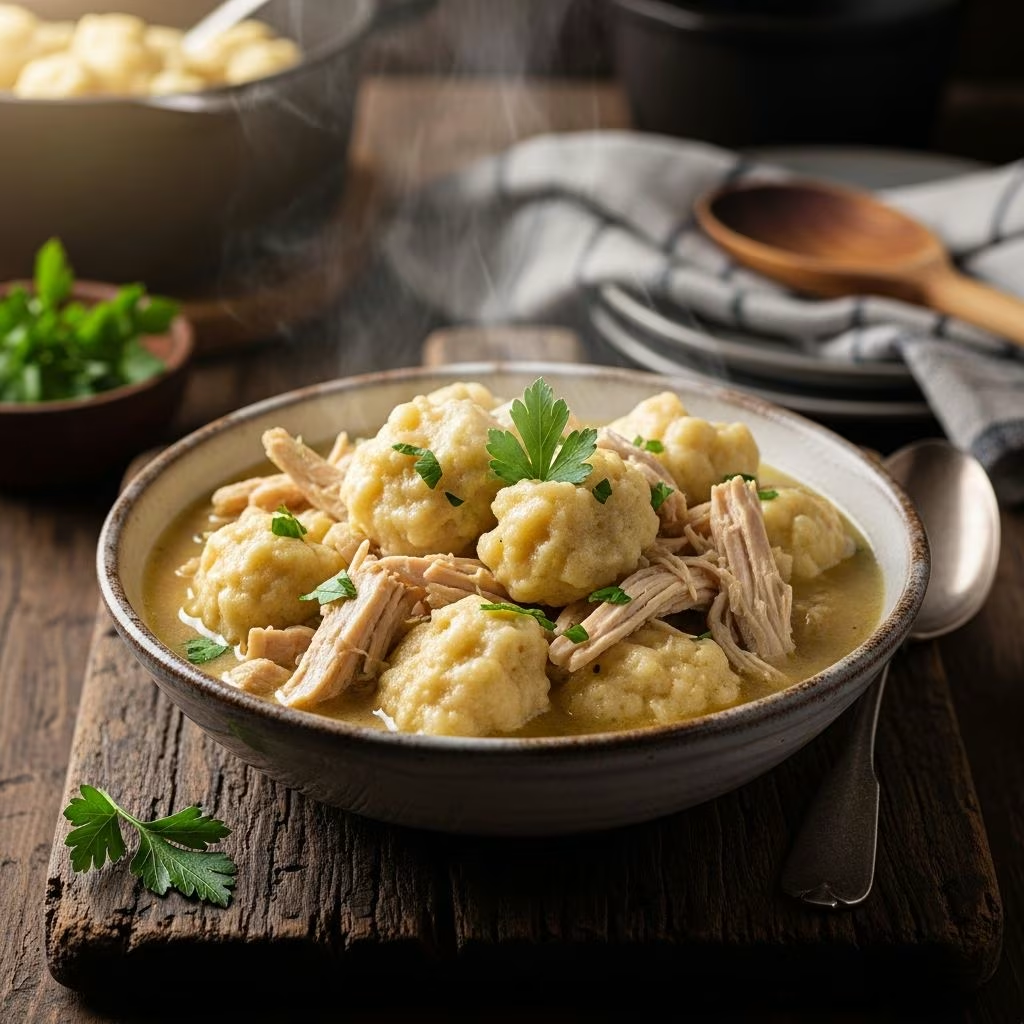
Chicken and dumplings stands as one of the most beloved comfort food dishes across many cuisines. This one-pot meal combines succulent poultry, nutritious vegetables, and soft, pillowy dough in a warm, savory broth. Whether you’re preparing dinner for your family on a chilly evening or hosting guests who appreciate home-cooked fare, mastering this classic recipe will elevate your culinary repertoire.
Understanding the Fundamental Components
A successful chicken and dumplings dish relies on three essential elements working in harmony. The first component is the protein base, typically featuring chicken that becomes tender through simmering in aromatic broth. The second element comprises vegetables that add nutrition, texture, and flavor complexity to the dish. Finally, the dumplings serve as the crowning element, providing a textural contrast and substance that transforms the broth into a hearty, satisfying meal.
Each component contributes distinctly to the overall experience. The chicken absorbs flavors from the cooking liquid, becoming incredibly moist and flavorful. The vegetables maintain some firmness while releasing their natural sweetness and nutrients. The dumplings, when properly prepared, achieve a tender interior with a delicate exterior that holds up beautifully in the broth.
Preparing Your Ingredients with Precision
Success begins with thoughtful ingredient selection and preparation. For the poultry component, you have several options available. Using raw chicken requires incorporating it into the cooking process, allowing it to poach gently in the broth. Alternatively, rotisserie chicken or pre-cooked chicken offers convenience, reducing total cooking time significantly. Many cooks prefer bone-in, skin-on chicken pieces as they contribute additional flavor to the broth during cooking.
Vegetable selection should include the classic aromatics that form the foundation of countless dishes. Diced carrots provide subtle sweetness and vibrant color. Celery contributes a mild herbaceous note that enhances the overall flavor profile. Onions add depth and natural umami qualities when properly caramelized. Some recipes incorporate frozen peas added near the end of cooking to maintain their bright color and fresh taste.
The Broth Foundation
Quality broth makes an enormous difference in the final dish. Using low-sodium chicken broth allows you to control the saltiness of your finished dish. The quantity of broth varies depending on your preferred consistency, ranging from a thick, hearty soup to a brothier version with more liquid. Many cooks enhance the broth with additional seasonings including dried herbs like thyme, sage, and rosemary, which infuse the liquid with complex aromatic notes.
Building Layers of Flavor Through Technique
The cooking method significantly influences the depth and complexity of your final dish. Begin by heating fat—typically butter or oil—in a large pot over moderate heat. Adding vegetables to this hot fat initiates the cooking process, a technique known as sautéing. This method causes the vegetables’ natural sugars to caramelize slightly, developing richer, more complex flavors than simply adding them raw to cold liquid.
As the vegetables soften and begin to color, incorporate minced garlic, which releases its pungent aromatics when heated. Some recipes suggest adding a small amount of all-purpose flour at this stage. When combined with the hot fat, this flour creates a roux—a mixture that thickens liquids through the starch it contains. Cooking the roux for a few minutes before adding liquid allows the flour’s raw flavor to dissipate, resulting in a cleaner-tasting thickening agent.
Gradually introduce your broth to the roux, stirring constantly to prevent lumps from forming. This careful incorporation ensures smooth, even thickening. Once the broth reaches a simmer and begins to thicken slightly, add your chicken if using raw pieces. Allow the poultry to gently cook through, which typically requires 10-15 minutes depending on piece size.
Creating Restaurant-Quality Dumplings
The dumpling dough distinguishes a truly excellent chicken and dumplings dish from a merely adequate one. The dough must achieve a delicate balance—sturdy enough to hold together during cooking, yet tender enough to avoid toughness. This is accomplished by using the right ingredients in proper proportions and avoiding overmixing.
Dry Ingredient Combination
The dry ingredients for dumpling dough typically include all-purpose flour as the primary component. Baking powder acts as a leavening agent, creating lift and a lighter texture. Salt seasons the dough, while optional ingredients like garlic powder, dried parsley, and a touch of sugar enhance flavor. Some recipes incorporate baking soda in combination with acidic dairy products for additional lift.
Wet Ingredient Integration
Milk serves as the primary liquid component, though some recipes use a combination of milk and sour cream for added richness and tenderness. Melted butter contributes both flavor and tenderizing properties. The key technique involves gently folding the wet ingredients into the dry mixture, stirring just until the flour becomes moistened and a soft, slightly sticky dough forms. Overmixing develops gluten in the flour, resulting in tough, dense dumplings rather than light, fluffy ones.
The Cooking Process: From Dough to Finished Dish
Once your dough reaches the proper consistency, the method of adding it to the simmering broth depends on your preferred dumpling style. Drop-style dumplings are created by spooning small amounts of batter directly onto the surface of the simmering soup. These spread slightly during cooking, creating tender, irregular-shaped dumplings. Alternatively, rolled dumplings are prepared by pressing the dough on a floured surface, rolling it to a thin sheet, and cutting it into strips or squares before adding to the broth.
The timing is critical once dumplings enter the liquid. Cover the pot to trap steam, which helps cook the dumplings through. Avoid lifting the lid frequently, as this allows heat and steam to escape, potentially extending cooking time. Most dumplings require 12-15 minutes to cook through completely. You’ll notice they begin to float as they finish cooking, indicating they’ve absorbed sufficient liquid and developed their characteristic tender texture.
Testing for Doneness
Determining when dumplings have reached perfect doneness requires a simple test. Pierce one dumpling with a toothpick or fork. The interior should be set and cooked through, not doughy or raw in the center. If dumplings still appear underdone, replace the cover and continue cooking for a few additional minutes. Once finished, gently stir to break apart any dumplings that have stuck together during cooking.
Flavor Enhancement and Seasoning Strategies
Seasoning happens at multiple stages throughout the cooking process. Initial seasoning of the vegetable mixture sets the foundation. Additional seasoning occurs when the broth is added, with many recipes incorporating salt, pepper, and dried herbs at this point. The final opportunity to adjust flavors comes after dumplings have finished cooking, when you can taste the finished dish and add more salt, pepper, or other seasonings as needed.
Some recipes incorporate additional flavor elements like Worcestershire sauce, which adds savory depth, or hot sauce, which introduces a gentle heat and complexity. Fresh herbs added at the end of cooking, such as parsley, provide bright flavor and visual appeal. These finishing touches should be added judiciously, tasting between additions to achieve your desired flavor balance.
Serving and Storage Considerations
Chicken and dumplings reaches optimal flavor and texture immediately after completion, though it remains excellent as leftovers. Serve directly from the pot into bowls, ensuring each serving contains a good proportion of chicken, vegetables, and dumplings along with adequate broth. Garnish with fresh parsley for color and brightness.
Storage extends the enjoyment of this dish. Refrigerate leftovers in an airtight container for up to three days. The dumplings will absorb more broth during storage, resulting in a thicker consistency, which many people find preferable. To reheat, gently warm on the stovetop over medium-low heat, stirring occasionally and adding additional broth if the mixture seems too thick. Avoid rapid heating, which can toughen the dumplings.
Variations and Customization Options
While the classic preparation remains timeless, numerous variations allow personalization based on preferences and dietary considerations. Some regional preparations feature cream or half-and-half added to the broth, creating a richer, more luxurious mouthfeel. Others maintain a lighter broth-based version. Vegetable additions can be adjusted based on availability and preference—mushrooms, green beans, and corn all work beautifully in this dish.
For those preferring thinner dumplings, rolling and cutting the dough yields elegant strips that cook quickly and integrate seamlessly into the broth. Those seeking heartier results can increase dumpling quantity or size. Spice enthusiasts might incorporate cayenne pepper, chili powder, or hot sauce for complexity and heat.
Troubleshooting Common Challenges
Understanding potential issues helps ensure consistent success. If dumplings turn out tough or dense, overmixing the dough was likely the culprit. Remember to stir gently and stop as soon as the flour incorporates. If dumplings fall apart during cooking, insufficient baking powder or overmixing again are probable causes. Dense, gummy centers indicate insufficient cooking time—extend the simmering period slightly.
If your final dish seems too thin, increase simmering time to allow more evaporation, or create a small slurry of flour and water to stir in for additional thickening. Conversely, if the broth seems too thick, add additional chicken broth gradually while stirring. These adjustments ensure your dish achieves your preferred consistency.
FAQ Section
Can I prepare chicken and dumplings ahead of time?
Yes, you can prepare the individual components in advance. Cook the broth and chicken earlier in the day, then prepare and add dumplings when you’re ready to serve. However, adding dumplings too far ahead results in them absorbing excessive broth and becoming mushy.
What’s the difference between dumplings and noodles in this dish?
Dumplings are biscuit-like dough that remains distinct pieces throughout cooking, while noodles are pasta-like strands. Both are valid variations, though this recipe focuses on traditional dumplings.
Can I use boneless, skinless chicken breasts?
Absolutely. Boneless breasts require less cooking time—typically 10-12 minutes—and result in slightly leaner dishes. Bone-in, skin-on pieces contribute more flavor but require additional cooking time.
Is this recipe freezer-friendly?
The broth and chicken components freeze well for up to three months. However, pre-cooked dumplings lose quality when frozen. Freeze the base separately and add fresh dumplings when reheating.
What herbs work best in this dish?
Thyme, sage, rosemary, and bay leaves are classic choices. Parsley is excellent as a fresh garnish. Avoid strong herbs like oregano, which can overpower the delicate chicken and dumpling flavors.
References
- Chicken and Dumplings Recipe — Budget Bytes. Accessed April 2026. https://www.budgetbytes.com/chicken-and-dumplings/
- Chicken and Dumplings — The Girl Who Ate Everything. Accessed April 2026. https://www.the-girl-who-ate-everything.com/chicken-and-dumplings/
- Chicken and Dumplings Recipe — Tastes Better From Scratch. Accessed April 2026. https://tastesbetterfromscratch.com/chicken-and-dumplings/
- Old-Fashioned Chicken and Dumplings — The Country Cook. Accessed April 2026. https://www.thecountrycook.net/old-fashioned-chicken-and-dumplings/
- Old-Fashioned Southern Chicken and Dumplings — Southern Bite. Accessed April 2026. https://southernbite.com/chicken-and-dumplings/