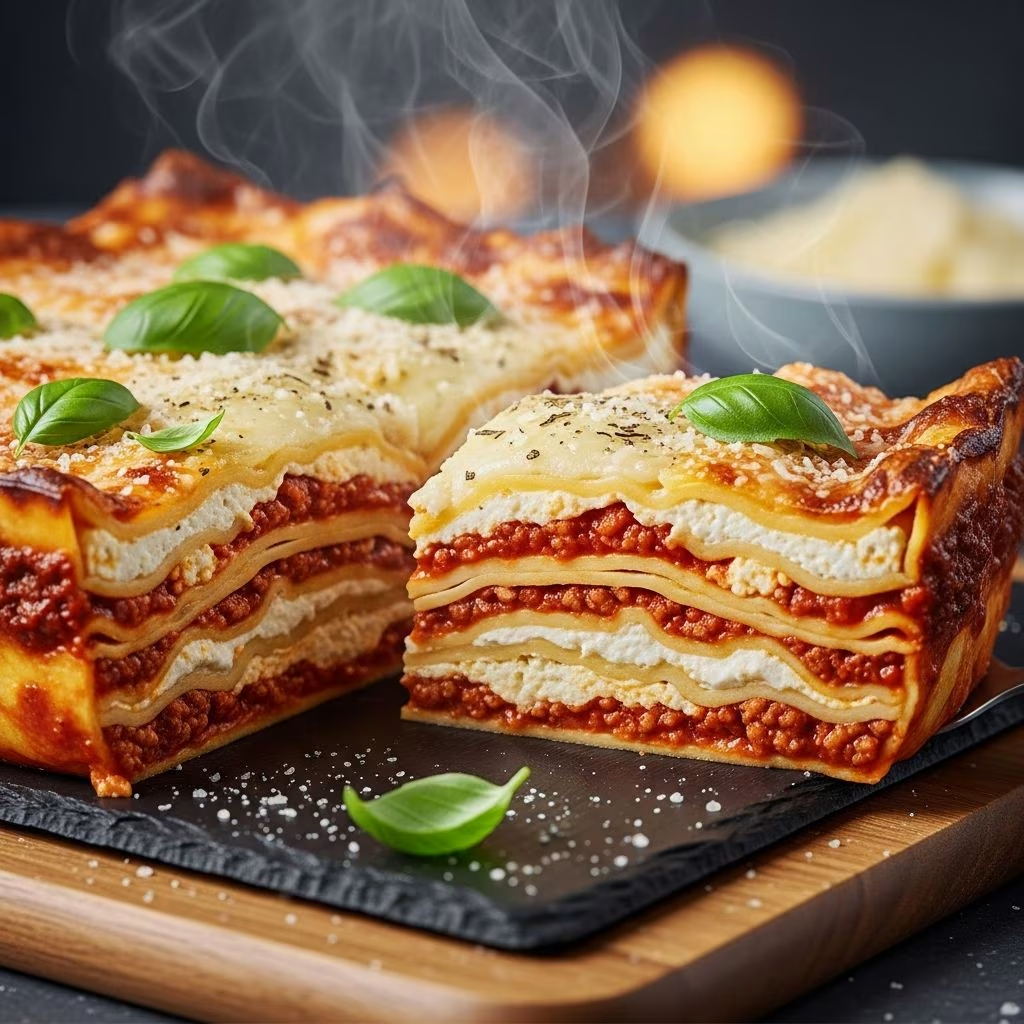
Cheese lasagna represents one of the most beloved comfort foods in modern cuisine, combining the simplicity of quality ingredients with the satisfaction of a warm, hearty meal. This classic dish transcends cultural boundaries, appearing on dinner tables across countless households. The beauty of cheese lasagna lies not merely in its taste, but in the methodical approach required to achieve the ideal balance of textures and flavors. Understanding the fundamentals of construction, ingredient selection, and cooking techniques transforms this dish from ordinary to extraordinary.
Understanding the Foundation: Sauce and Base Layer
The foundation of any exceptional cheese lasagna begins with the sauce layer at the bottom of your baking vessel. This initial layer serves multiple purposes beyond mere flavoring—it prevents the noodles from sticking to the pan and creates a protective barrier that allows even heat distribution throughout the dish. Many home cooks overlook this critical step, rushing directly to cheese layering.
The sauce foundation should be approximately one cup spread evenly across the bottom of a standard 13-by-9-inch baking pan. This quantity allows sufficient coverage without creating excess moisture that could result in a soggy final product. The sauce acts as a binding agent that helps maintain structural integrity during baking and serving.
The Role of Multiple Cheese Varieties
Creating depth of flavor in cheese lasagna requires understanding how different cheeses contribute distinct characteristics to the final dish. Rather than relying on a single cheese type, professional and experienced home cooks employ a strategic combination of three primary varieties.
Ricotta cheese forms the creamy foundation of the cheese mixture, providing a smooth, spreadable base that distributes evenly across noodle layers. This mild-flavored cheese combines well with seasonings and other cheese varieties, acting as a canvas for complementary flavors.
Mozzarella cheese delivers the essential melting quality that creates that characteristic stringy, gooey texture expected in cheese lasagna. Using approximately 2 cups of shredded mozzarella throughout the dish ensures adequate coverage for multiple layers while reserving a portion for the final top layer, which should be sprinkled generously to achieve an attractive golden-brown finish.
Parmesan cheese introduces a sharp, salty element that balances the creaminess of ricotta and provides a savory counterpoint to the tomato sauce base. Typically measured in quarter-cup quantities, this aged cheese adds complexity without overwhelming the palate.
Building the Cheese Mixture: Combining Ingredients
The cheese mixture represents the heart of your lasagna, and its preparation requires precision and attention to detail. Begin by combining approximately 2 cups of ricotta cheese with one beaten egg in a large mixing bowl. The egg serves as a binding agent, helping the cheese mixture maintain cohesion during the baking process and preventing it from becoming watery or separated.
To this base, add one and one-half cups of shredded mozzarella cheese, reserving the remaining half cup for topping. Include one-quarter cup of finely chopped fresh parsley, which introduces an herbaceous note that complements the cheese profile. Season the mixture with one-quarter teaspoon of salt, adjusting to your personal preference after tasting.
Mix these components thoroughly until uniformly combined, ensuring no pockets of unmixed ingredients remain. This step is crucial for consistent flavor distribution across all layers. The resulting mixture should have a slightly dense but spreadable consistency—if it appears too thick, gently add a small amount of milk or the reserved egg white to achieve the proper texture.
Optional Flavor Enhancement Strategies
While the fundamental cheese mixture stands excellent on its own, various additions can elevate the complexity of your dish. Many recipes recommend including garlic—either two minced cloves or one-quarter teaspoon of garlic powder—to provide aromatic depth. Fresh basil, when available, adds a distinctly Italian character that enhances the dish’s authenticity.
Some preparations incorporate dried oregano or Italian seasoning blends, though these should be added judiciously to avoid overwhelming the cheese flavors. Ground black pepper offers subtle heat without the harshness of fresh pepper in this particular application. Experimentation within your personal taste preferences yields the most satisfying results.
The Assembly Process: Strategic Layering Technique
Proper layering determines the structural integrity and eating experience of your finished lasagna. The generally accepted approach involves alternating between noodle layers and cheese mixture layers, with sauce components distributed throughout.
Begin with your pre-spread sauce foundation, followed by a layer of three uncooked lasagna noodles placed side by side. Position them carefully to avoid overlap, though slight overlapping is acceptable and even helpful for coverage. Next, distribute approximately one-quarter of your cheese mixture evenly across the noodles. This portion should be spread gently to avoid puncturing the delicate noodles.
Layer one cup of sauce over the cheese mixture, spreading to ensure complete coverage. Repeat this sequence—three noodles, cheese mixture portion, sauce layer—until all ingredients are incorporated. Your final layer should consist of noodles topped with the remaining sauce, creating a protective covering that prevents cheese from browning excessively during baking.
Reserve the final portion of mozzarella cheese for sprinkling across the very top of the sauce layer. This creates the visually appealing golden crust that indicates proper completion of the baking process.
Preparation Before Baking
Before placing your assembled lasagna into the oven, several preparatory steps ensure optimal results. Preheat your oven to 350 degrees Fahrenheit. This moderate temperature allows the lasagna to cook through evenly without burning the exterior cheese layers.
Cover the assembled lasagna with aluminum foil, creating a sealed environment that traps steam and prevents excessive browning during the initial baking phase. This covering is essential for the first 45 minutes of baking, during which the internal temperature rises and the noodles soften adequately.
Baking Timeline and Temperature Management
The standard baking protocol involves two distinct phases. During the initial 45-minute period with foil covering, the lasagna bakes at 350 degrees Fahrenheit. This phase allows the cheese to begin melting, the noodles to absorb moisture and soften, and internal flavors to meld together.
After 45 minutes, remove the aluminum foil covering and continue baking for an additional 10 minutes at the same temperature. This uncovered phase permits the top mozzarella layer to achieve that desirable golden-brown coloration while the edges begin to crisp slightly, adding textural variety to each serving.
Total baking time typically requires approximately one hour from oven placement to completion. However, oven variations may necessitate slight adjustments—some ovens bake slightly hotter or cooler than their temperature settings indicate.
The Critical Rest Period
Upon removal from the oven, resist the temptation to serve immediately. Allow the lasagna to rest for a minimum of 10 minutes before cutting and plating. This resting period permits the cheese to set partially, creating a more cohesive structure that slices cleanly without collapsing. Additionally, the internal temperature stabilizes, and flavors continue to develop subtly during this time.
Serving Suggestions and Accompaniments
Cheese lasagna pairs beautifully with complementary dishes that round out the dining experience. A fresh green salad with light vinaigrette provides textural contrast and palate cleansing between forkfuls of rich cheese. Garlic bread, when prepared fresh from quality bread and butter, complements the Italian flavors while adding textural variety.
Consider serving with a simple side of steamed vegetables—broccoli, green beans, or roasted asparagus—to introduce color and nutritional balance. A modest portion of lasagna proves satisfying given its rich cheese content, so substantial side dishes are optional rather than necessary.
Storage and Reheating Recommendations
Cheese lasagna demonstrates remarkable longevity when properly stored. After cooling to room temperature, transfer covered portions to airtight containers and refrigerate for up to three days. The flavors actually intensify slightly during storage, making day-old lasagna exceptionally delicious.
For longer-term storage, wrap individual portions in plastic wrap and then aluminum foil before freezing for up to three months. Thaw frozen lasagna in the refrigerator overnight before reheating in a 350-degree oven for approximately 20 minutes, covered with foil to prevent excessive browning.
Common Questions About Cheese Lasagna
Can I use no-boil lasagna noodles?
Yes, no-boil lasagna noodles work effectively in this recipe and actually simplify preparation by eliminating the boiling step. These specialized noodles absorb moisture from the sauce during baking, achieving proper tenderness without prior cooking.
What happens if my lasagna appears watery?
Excess moisture typically results from too much sauce or insufficient baking time to allow liquid evaporation. Drain excess sauce before layering, or extend baking time by an additional 10-15 minutes with the foil removed to permit moisture escape.
Can cottage cheese replace ricotta cheese?
Yes, cottage cheese serves as a suitable substitute, offering similar creamy texture though with slightly different flavor characteristics. Use cottage cheese in equal quantity to ricotta and ensure it is drained if particularly wet.
How do I achieve crispy edges while keeping the center soft?
Remove the foil covering during the final portion of baking to allow edge browning while the foil-protected center remains tender. The differential heat exposure creates this desirable textural contrast.
Variations and Adaptations
While the fundamental cheese lasagna remains unchanged across cultures and family traditions, countless variations exist. Some preparations incorporate spinach between cheese layers, adding nutritional content and a subtle earthiness. Others layer thin slices of fresh mozzarella alongside shredded varieties for distinct textural elements.
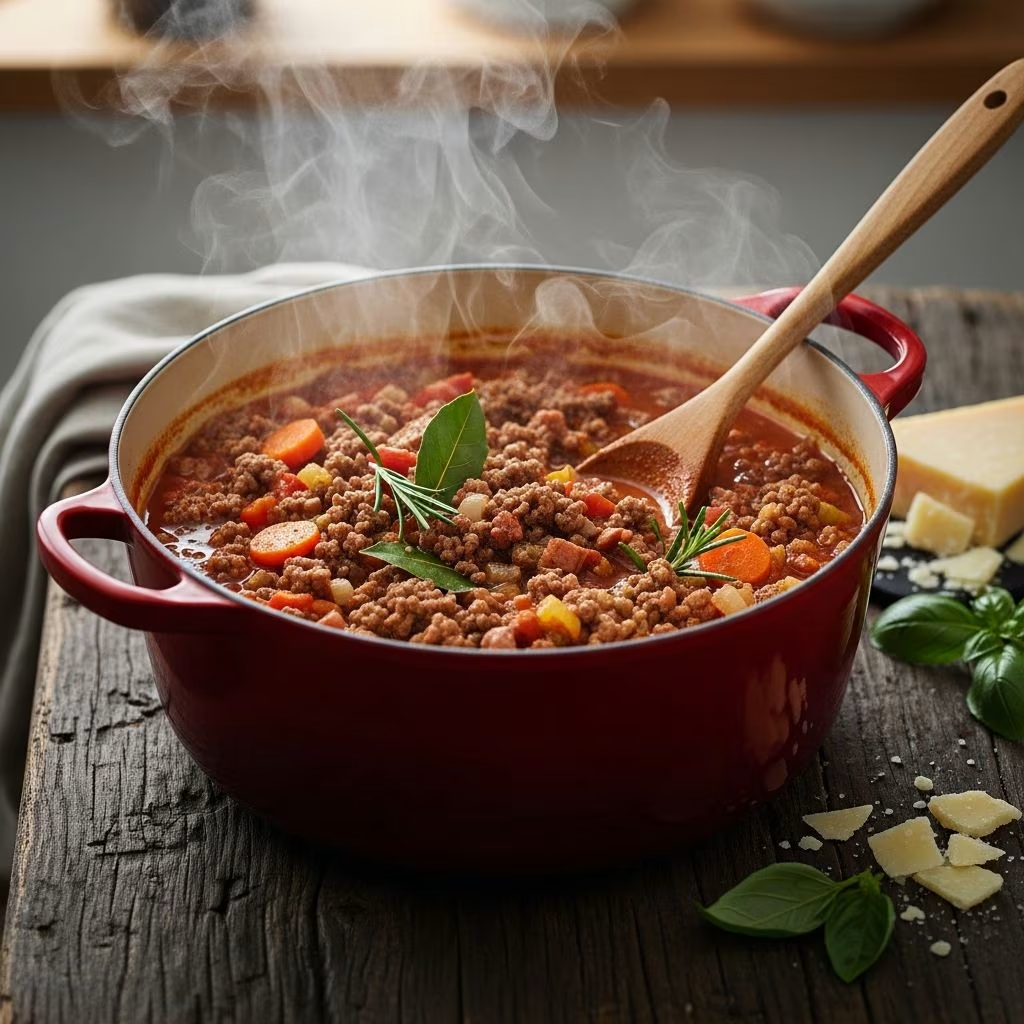
For those preferring additional depth, a thin meat sauce layer can be incorporated without fundamentally transforming the dish from its cheese-focused identity. Ground beef or Italian sausage mixed with minimal tomato sauce creates interesting flavor complexity when used sparingly.
References
- Classic Cheese Lasagna Recipe — Galbani Cheese. https://galbanicheese.com/recipes/classic-cheese-lasagna
- Easy Cheese Lasagna Recipe — Love From The Oven. https://www.lovefromtheoven.com/easy-lasagna-recipe/
- Easy Homemade Lasagna Recipe — Spend With Pennies. https://www.spendwithpennies.com/easy-homemade-lasagna/
- Ricotta Cheese Lasagna with Marinara Sauce — Familystyle Food. https://familystylefood.com/ricotta-cheese-lasagna/
- The Best Lasagna Recipe Ever — The Pioneer Woman. https://www.thepioneerwoman.com/food-cooking/recipes/a11728/best-lasagna-recipe/