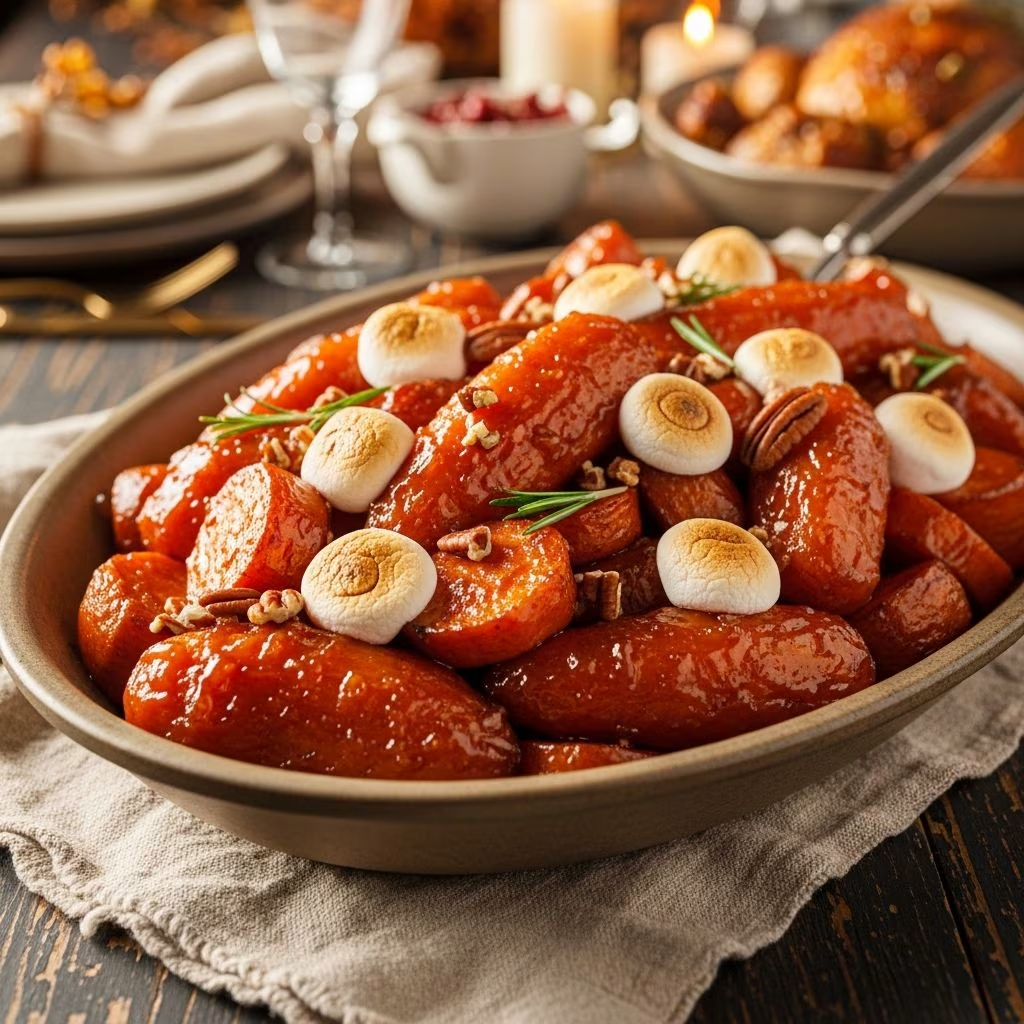
The combination of caramelized sweet potatoes with aromatic spices and a glossy syrup represents one of America’s most beloved holiday side dishes. This dish has graced family dinner tables for generations, earning its place as a staple during festive occasions. Whether you’re preparing for Thanksgiving, Christmas, or another special gathering, mastering this classic preparation will elevate your culinary reputation and delight your guests.
Understanding Your Main Ingredient: Sweet Potatoes vs. Yams
A common source of confusion exists around the terminology used for this dish. The ingredient you’ll actually be using is the sweet potato, not a true yam. True yams are starchy tubers native to Africa and the Caribbean, characterized by their rough, bark-like exterior and white flesh. However, American culinary tradition has adopted the term “yams” to describe orange-fleshed sweet potatoes, and this naming convention has remained standard in most recipes and home kitchens. The confusion originated during the colonial period when African slaves encountered sweet potatoes in America and drew comparisons to their native yams based on similar cooking properties and flavor profiles.
For your candied yam preparation, select medium to large-sized sweet potatoes with firm skin and no soft spots. The orange-fleshed varieties work best as they contain natural sugars that caramelize beautifully during baking. Look for uniform sizes so that all pieces cook at approximately the same rate, ensuring consistent texture throughout your final dish.
Essential Ingredients for Maximum Flavor Development
The foundation of an exceptional candied yam dish relies on balancing sweetness with complementary flavors and textural elements.
- Sweet potatoes: Three pounds provides adequate servings for a standard gathering. These should be peeled, sliced into consistent ½-inch rounds, and arranged in your baking vessel.
- Unsalted butter: Half a cup creates the rich, velvety base of your glaze. Butter adds luxurious mouthfeel and helps distribute spice flavors evenly.
- Brown sugar: Three-quarters of a cup of packed light brown sugar delivers deep caramel notes and creates the characteristic syrupy coating. The molasses content in brown sugar adds complexity compared to white sugar.
- Cinnamon: One-half teaspoon of ground cinnamon introduces warm, comforting spice notes that complement the natural sweetness of potatoes.
- Nutmeg: Half a teaspoon of freshly grated nutmeg adds subtle earthiness and sophisticated depth that prevents the dish from tasting one-dimensional.
- Salt: A quarter teaspoon enhances all flavors and provides necessary contrast to the sweetness, allowing each component to shine.
Optional Enhancements and Garnishes
While the basic preparation delivers delicious results, several additions can elevate your candied yams from good to extraordinary. Consider topping the finished dish with miniature marshmallows during the final minutes of baking, allowing them to brown slightly under the oven’s heat. For textural contrast, sprinkle chopped toasted pecans, candied pecans, or walnuts across the surface before serving. Some cooks enjoy adding a splash of maple syrup or a squeeze of fresh lemon juice to their glaze for additional complexity and brightness.
Equipment Selection for Optimal Results
Your choice of baking vessel significantly impacts the final outcome of your candied yams. Glass or ceramic baking dishes are preferred over metal alternatives because these materials insulate the food more effectively, preventing the edges from overcooking or burning while the center remains tender. A 9-by-13-inch dish accommodates three pounds of sliced sweet potatoes comfortably. The depth of the dish should be at least two inches to allow the syrup to pool properly around the potatoes during cooking.
Aluminum foil plays a crucial role during the initial cooking phase. By covering your baking dish tightly with foil, you trap steam inside the vessel, creating a gentle, moist cooking environment that softens the potatoes without drying them out or allowing the sugar to caramelize prematurely.
Step-by-Step Preparation Method
Achieving perfectly cooked candied yams requires attention to timing and technique throughout the cooking process.
Preparation Phase
Begin by preheating your oven to 350°F. This temperature provides even, gentle heat that cooks the potatoes thoroughly while allowing the sugar syrup to thicken gradually. While the oven reaches temperature, thoroughly wash your sweet potatoes under running water to remove any soil or debris. Peel the skin completely, revealing the vibrant orange flesh beneath. Slice each potato into uniform ½-inch-thick rounds—this thickness ensures even cooking and creates attractive presentation when the dish is served.
Arrange the potato slices in your prepared baking dish, overlapping them slightly if necessary to fit them all comfortably. A lightly buttered dish prevents sticking and adds subtle flavor. Set this aside while you prepare the glaze.
Glaze Preparation
Place the unsalted butter in a medium saucepan over medium heat. Once the butter has completely melted and appears hot (approximately 1-2 minutes), remove the pan from direct heat. This step prevents the sugar and spices from burning when they contact the hot pan. Add the packed brown sugar, ground cinnamon, freshly grated nutmeg, and salt to the melted butter in the saucepan.
Stir this mixture thoroughly until all ingredients combine into a uniform, sticky paste. The brown sugar should dissolve partially into the melted butter, creating a thick, syrupy consistency. Ensure no clumps of sugar remain in the bottom of the pan.
Combining and Initial Baking
Pour the entire glaze mixture over the arranged potato slices in your baking dish. Using a spoon or spatula, gently toss the potatoes to ensure every slice receives a coating of the sweet butter sauce. Cover the baking dish completely with aluminum foil, pressing the edges down to create a tight seal that traps steam.
Place the covered dish in your preheated 350°F oven and bake for exactly 25 minutes. During this phase, the trapped steam softens the potatoes and allows the glaze to begin caramelizing slightly.
Uncovering and Final Cooking
After 25 minutes, carefully remove the foil from the baking dish—be cautious of the steam that will escape. Using a spoon, gently stir the sweet potatoes, redistributing them in the glaze and ensuring even cooking. This stirring step also allows excess moisture to escape, beginning the thickening process that creates the characteristic syrupy coating.
Return the dish to the oven uncovered and continue baking for an additional 20 to 30 minutes. The exact timing depends on your oven’s characteristics and the precise thickness of your potato slices. The potatoes are done when they’re fork-tender (piercing easily without resistance) and the glaze has thickened noticeably, coating the potatoes in a sticky, caramel-like layer rather than remaining thin and runny.
Timing and Serving Considerations
| Stage | Temperature | Duration | Actions |
|---|---|---|---|
| Preparation | Room Temperature | 10 minutes | Wash, peel, and slice potatoes; prepare glaze |
| Covered Baking | 350°F | 25 minutes | Softening potatoes under steam |
| Uncovered Baking | 350°F | 20-30 minutes | Thickening glaze and final cooking |
| Total Time | — | 55-65 minutes | From start to serving |
Maintaining Temperature Before Service
Candied yams taste best when served warm, and the ceramic baking dish assists in heat retention. After removing the dish from the oven, you can recover it loosely with foil to help maintain warmth. A properly prepared and covered dish will stay warm for approximately 30 minutes, providing flexibility if you’re coordinating multiple dishes for a meal. This holding time proves particularly useful during holiday meals when oven space is precious and timing must be coordinated precisely.
Flavor Profile and Textural Balance
The success of candied yams depends on achieving proper balance between competing flavors and textures. The natural sweetness of the potatoes combines with the added brown sugar to create richness, while cinnamon and nutmeg introduce warmth and complexity that prevents the dish from becoming cloyingly sweet. The butter contributes silky mouthfeel and aids spice distribution. Salt plays the critical role of flavor enhancer, making the other ingredients taste more pronounced.
The textural contrast between the tender, creamy potatoes and any crispy garnishes creates interest and prevents monotony. Toasted nuts provide crunch, while marshmallows add a different textural element if included. This attention to multiple sensory experiences elevates the dish beyond simple carbohydrate fare.
Common Mistakes to Avoid
- Slicing potatoes too thick: Pieces larger than ½-inch may not cook through by the time the glaze thickens, leaving hard centers.
- Removing foil too early: Uncovering before 25 minutes allows the potatoes to dry out rather than soften properly in steam.
- Using metal baking dishes: These conduct heat too aggressively, potentially burning the glaze at the edges before potatoes are tender.
- Overcooking uncovered: Extended baking without the foil cover can cause excessive glaze reduction, resulting in sticky rather than syrupy consistency.
- Insufficient stirring: Failing to stir the potatoes before uncovered baking leads to uneven cooking and variable texture throughout the dish.
Frequently Asked Questions
Can I prepare candied yams ahead of time?
Yes, you can prepare the potato slices and glaze mixture separately the day before, storing them in separate containers in the refrigerator. However, combine them and bake just before serving for optimal texture. This advance preparation reduces day-of workload without compromising quality.
What’s the difference between this recipe and versions with marshmallows?
This classic preparation focuses on the potatoes and their glaze as the primary components. Marshmallows can be added during the final minutes of baking for a gooey topping, but they represent a modern variation rather than traditional preparation. Both approaches are valid depending on family preferences.
Can I use canned sweet potatoes?
While canned sweet potatoes are convenient, they typically contain added sugars and have already been softened during canning, making them unsuitable for this recipe. Fresh potatoes provide superior texture and allow you to control sweetness levels.
How should leftover candied yams be stored?
Transfer cooled candied yams to an airtight container and refrigerate for up to four days. Reheat gently in a 300°F oven or microwave before serving to restore proper texture.
Scaling the Recipe for Different Group Sizes
The basic recipe serves six people generously. To adjust quantities, maintain the proportional ratios: for every pound of sweet potatoes, use approximately 2.7 tablespoons of butter, 4 tablespoons of brown sugar, and one-eighth teaspoon each of cinnamon and nutmeg. Doubling the recipe for larger gatherings requires only a small increase in baking time (perhaps 10-15 additional minutes in the uncovered phase), as the slightly greater volume conducts heat more efficiently through the center of the dish.
Conclusion: Creating Holiday Memories Through Food
Candied yams represent far more than a simple side dish—they embody tradition, comfort, and the care taken to nourish loved ones during special occasions. By understanding ingredient roles, respecting the cooking process, and paying attention to technique, you can create a dish that honors culinary tradition while satisfying contemporary palates. Whether you’re cooking for a formal holiday gathering or a casual family meal, these candied yams will become a cherished centerpiece of the table.
References
- Smithsonian Magazine: Why Americans Call Sweet Potatoes Yams — Smithsonian Institution. 2013. https://www.si.edu/