Butter sugar cookies represent one of the most cherished and enduring treats in home baking traditions. These delicate confections have graced kitchen tables and family celebrations for generations, passed down through families as treasured recipes that connect us to our culinary heritage. Unlike their modern counterparts, traditional butter sugar cookies rely on simple, quality ingredients and time-honored techniques to achieve their distinctive tender texture and subtle sweetness.
The beauty of this classic cookie lies in its simplicity. With nothing more than flour, butter, sugar, eggs, and a few aromatics, bakers can create a sophisticated treat that rivals any commercial confection. Understanding the fundamentals of how these ingredients work together will elevate your baking and ensure consistently excellent results.
Understanding the Essential Ingredients
Creating authentic butter sugar cookies begins with selecting quality ingredients and understanding their individual roles in the final product. Each component contributes specific properties that work harmoniously to produce the desired texture and flavor profile.
The Foundation: Flour and Leavening Agents
All-purpose flour serves as the structural backbone of your cookies. Sifting the flour before measuring ensures you achieve consistent results by removing lumps and aerating the flour, which prevents overly dense cookies. The amount of flour directly impacts cookie texture; too much flour produces hard, dry results, while insufficient flour creates cookies that spread excessively during baking.
Baking powder acts as the leavening agent, causing cookies to rise slightly and creating a lighter crumb structure. This ingredient typically requires one and one-half teaspoons per three cups of flour. The chemical reaction between baking powder and moisture in the dough produces carbon dioxide gas, which creates tiny air pockets throughout the cookie.
The Flavor Builders: Butter, Sugar, and Vanilla
High-quality butter forms the backbone of flavor development and contributes to the rich, luxurious mouthfeel these cookies are known for. Using one full cup of butter to one cup of sugar creates the proper ratio for achieving cookies with excellent texture and taste. Softened butter creams more effectively with sugar, incorporating air that helps create a tender crumb.
Sugar serves multiple purposes beyond sweetness. Granulated white sugar dissolves readily into butter, creating a smooth base for the dough. The sugar also contributes to browning through the Maillard reaction, creating the delicate golden edges characteristic of well-baked cookies.
Vanilla extract provides aromatic complexity and depth. Just one teaspoon adds remarkable flavor without overpowering the subtle sweetness of the cookies. Pure vanilla extract offers superior flavor compared to imitation varieties.
The Binding Elements: Eggs and Dairy
A single lightly beaten egg acts as the binding agent, holding all ingredients together while adding moisture and richness. The egg also aids in the leavening process and contributes to browning. Three tablespoons of cream enriches the dough, adding moisture and contributing to the tender texture these cookies require. If cream is unavailable, milk serves as an acceptable substitute, though the results may be slightly less rich.
A quarter teaspoon of salt enhances all other flavors without making the cookies taste salty. This small amount brings out the sweetness and butter flavor while balancing the overall taste profile.
Mastering the Mixing Technique
The order and method of combining ingredients significantly impact your final result. Traditional butter sugar cookies require a specific approach that differs from some modern baking methods.
Dry Ingredient Preparation
Begin by sifting together your flour, baking powder, salt, and sugar over a large bowl. This step serves multiple purposes: it removes lumps from flour and baking powder, distributes the leavening agent evenly throughout the dry ingredients, and aerates the flour to prevent dense cookies. Using a sifter or fine-mesh strainer ensures these ingredients combine thoroughly before you add the wet components.
Creating the Dough Base
After sifting, cut softened butter into the dry ingredient mixture using a pastry blender or two knives. This creates a texture resembling cornmeal, which is essential for achieving the proper cookie consistency. The small butter pieces distribute throughout the flour, creating pockets that contribute to the tender crumb structure during baking.
Final Mixing
Gently stir in your lightly beaten egg, cream, and vanilla extract, blending until just combined. Overmixing at this stage develops gluten in the flour, resulting in tough cookies rather than tender ones. Mix only until the ingredients incorporate fully; streaks of flour should disappear, but the dough should not appear overworked.
Preparing and Shaping Your Cookies
Proper preparation of the dough and careful shaping techniques contribute significantly to achieving uniform, beautifully baked cookies.
Resting the Dough
After mixing, you may refrigerate the dough if desired. Chilling the dough for thirty minutes to two hours makes it easier to handle and roll out. The cold temperature prevents excessive spreading during baking and can intensify the flavors through hydration.
Rolling and Cutting
On a lightly floured surface, roll out your dough to approximately one-eighth inch thickness for delicate, crispy cookies. If you prefer thicker, chewier cookies, roll the dough slightly thicker. Dust both the work surface and rolling pin with flour to prevent sticking.
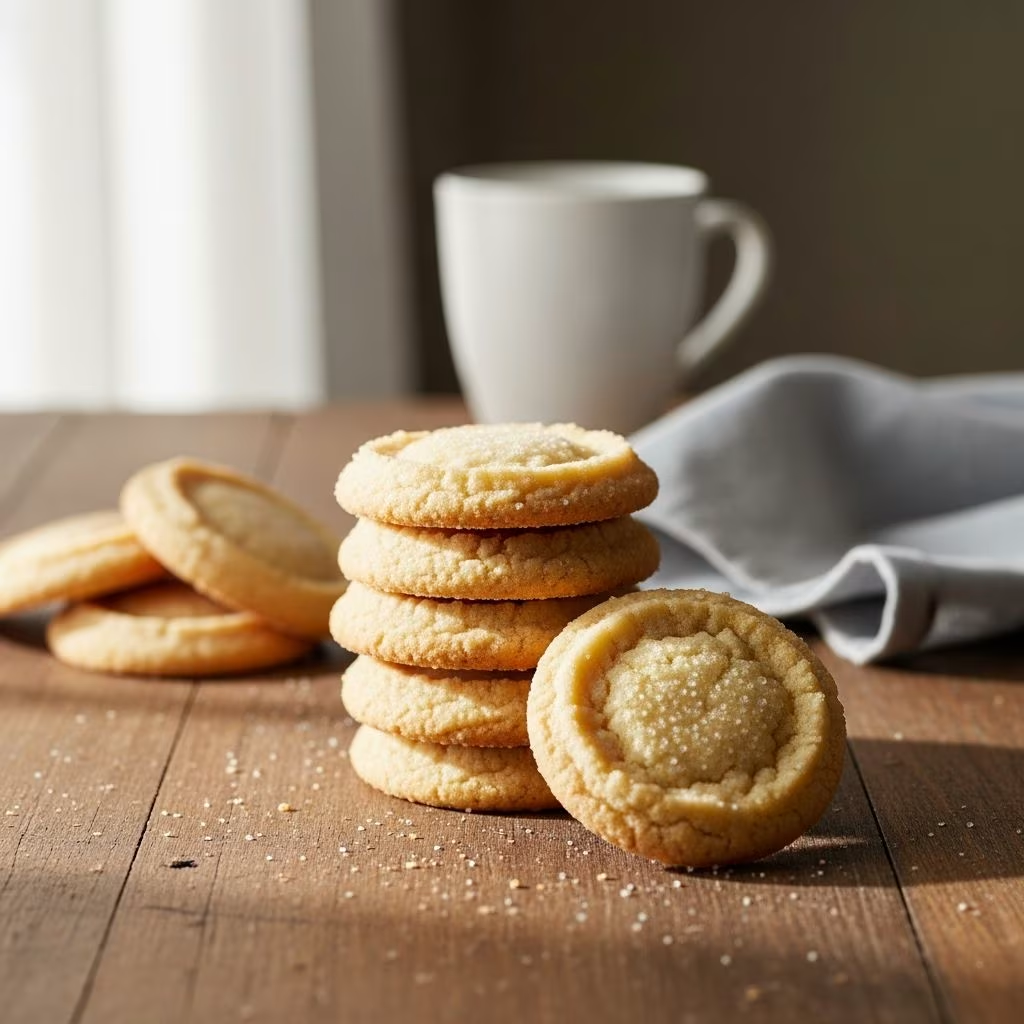
Cut cookies into desired shapes using cookie cutters. Classic round or scalloped shapes suit traditional butter sugar cookies beautifully, though you can select any design you prefer. After cutting, sprinkle the tops with additional granulated sugar for a subtle sweet coating that glistens when baked.
Transfer and Placement
Carefully transfer cut cookies to ungreased baking sheets using a thin spatula. Leave space between cookies for even heat circulation. Ungreased sheets work well for this recipe, as the butter in the dough provides sufficient fat to prevent sticking.
Achieving Perfect Baking Results
Oven temperature and baking time are critical factors in determining whether your cookies emerge perfectly golden and tender or dry and overdone.
Temperature Considerations
Preheat your oven to 400 degrees Fahrenheit, allowing it to reach full temperature before placing cookies inside. A properly preheated oven ensures immediate, even heat distribution around all cookies. Some home ovens vary in temperature, so you may wish to use an oven thermometer to verify accuracy.
Baking Duration
Bake cookies for six to eight minutes, watching carefully during the final minutes. Cookies should appear delicately golden brown on the edges while remaining slightly pale in the center. The cookies continue cooking slightly after removal from the oven as residual heat conducts through them.
Visual Cues for Doneness
Rather than relying solely on time, observe your cookies closely. They should have golden edges with a lighter center. Remove them from the oven when they appear just barely done, as they firm up considerably as they cool. Overbaked cookies become hard and lose the tender, buttery quality that defines these treats.
Cooling, Storage, and Serving
What you do after baking is equally important as the baking process itself. Proper cooling and storage preserve the quality of your cookies.
Cooling Progression
Allow cookies to cool for two to three minutes on the baking sheet before transferring them to a wire rack or clean counter. This brief rest allows them to firm up slightly while remaining pliable enough to remove without breaking. Complete cooling on a rack ensures air circulation prevents steam from making the bottoms soggy.
Storage Methods
Once completely cooled, store cookies in an airtight container at room temperature. They maintain peak quality for up to one week, though most disappear much faster. Placing parchment paper between layers prevents cookies from sticking together.
Flavor Enhancement Options
While these cookies shine on their own, you may enjoy experimenting with simple additions. A light frosting provides elegant visual appeal, or you might dust cookies with cinnamon-sugar for warm spice notes. Some bakers enjoy adding a small amount of almond extract alongside the vanilla for subtle complexity.
Troubleshooting Common Cookie Issues
Even experienced bakers encounter occasional challenges. Understanding common problems helps you adjust your technique for improved results.
Spread and Flatness Issues
If cookies spread excessively and flatten during baking, your oven temperature may be too low. Verify with an oven thermometer and adjust accordingly. Alternatively, chill your dough longer before baking, which reduces spread. Ensure you’re not using too much liquid in your dough mixture.
Hardness and Dryness
Tough, hard cookies typically result from either using too much flour or overbaking. Measure flour carefully, spooning it into your measuring cup and leveling with a knife rather than scooping directly from the bag. Remove cookies from the oven as soon as edges turn golden brown, not when the entire cookie appears done.
Uneven Browning
If cookies brown unevenly, your oven may have hot spots. Rotate the baking sheet halfway through baking to ensure even heat exposure. Some ovens have areas that bake faster than others; noting these patterns helps you adjust placement in future baking sessions.
Frequently Asked Questions About Butter Sugar Cookies
Can I substitute ingredients in this recipe?
While the recipe works best with the specified ingredients, some substitutions work reasonably well. You may replace regular cream with milk, though results will be slightly less rich. Margarine can replace butter in an emergency, though it produces inferior flavor and texture. Always use room-temperature softened butter for best results.
How far in advance can I prepare these cookies?
You may prepare the dough up to two days in advance, storing it in an airtight container in the refrigerator. Baked cookies remain fresh for up to seven days in an airtight container at room temperature. You can also freeze unbaked dough or baked cookies for longer storage.
What makes these cookies different from modern sugar cookie recipes?
Traditional butter sugar cookies rely on simple ingredients and straightforward techniques rather than modern additions like corn syrup or commercial extracts. The emphasis on proper creaming and careful ingredient mixing creates a more refined, delicate texture than many contemporary versions.
Can I make these cookies without an oven?
These cookies specifically require baking in a traditional oven. Microwave, air fryer, and stovetop methods produce very different results and are not recommended for this particular recipe.
Why should I sift ingredients rather than simply mixing them?
Sifting distributes leavening agents evenly and aerates flour, resulting in lighter, more tender cookies. It also prevents lumps that can create dense spots in your finished cookies. While additional mixing can sometimes substitute for sifting, sifting produces superior results.
The Heritage and Appeal of Classic Butter Sugar Cookies
These timeless cookies represent more than simply a baked treat. They embody baking traditions that span generations and cultures, connecting home bakers to culinary heritage. The recipe’s simplicity allows home bakers of all skill levels to succeed, making it perfect for family baking projects and skill development.
Whether you’re baking these cookies to continue family traditions or discovering them for the first time, understanding the techniques and ingredients ensures you’ll create treats that taste as good as those from cherished memories. The satisfaction of pulling golden, delicate cookies from your oven and enjoying their buttery sweetness connects you to countless home bakers throughout history who have created these beloved confections.
References
- Food Science of Cake Baking — University of Minnesota Extension. 2023-06-15. https://extension.umn.edu/food-safety/food-science-cake-baking
- The Science of Baking: Formulas for the Right Ratios — University of Nebraska-Lincoln Food Science Department. 2022-11-20. https://food.unl.edu/
- Maillard Reaction in Food Science — Institute of Food Science and Technology. 2023-03-10. https://www.ifst.org/