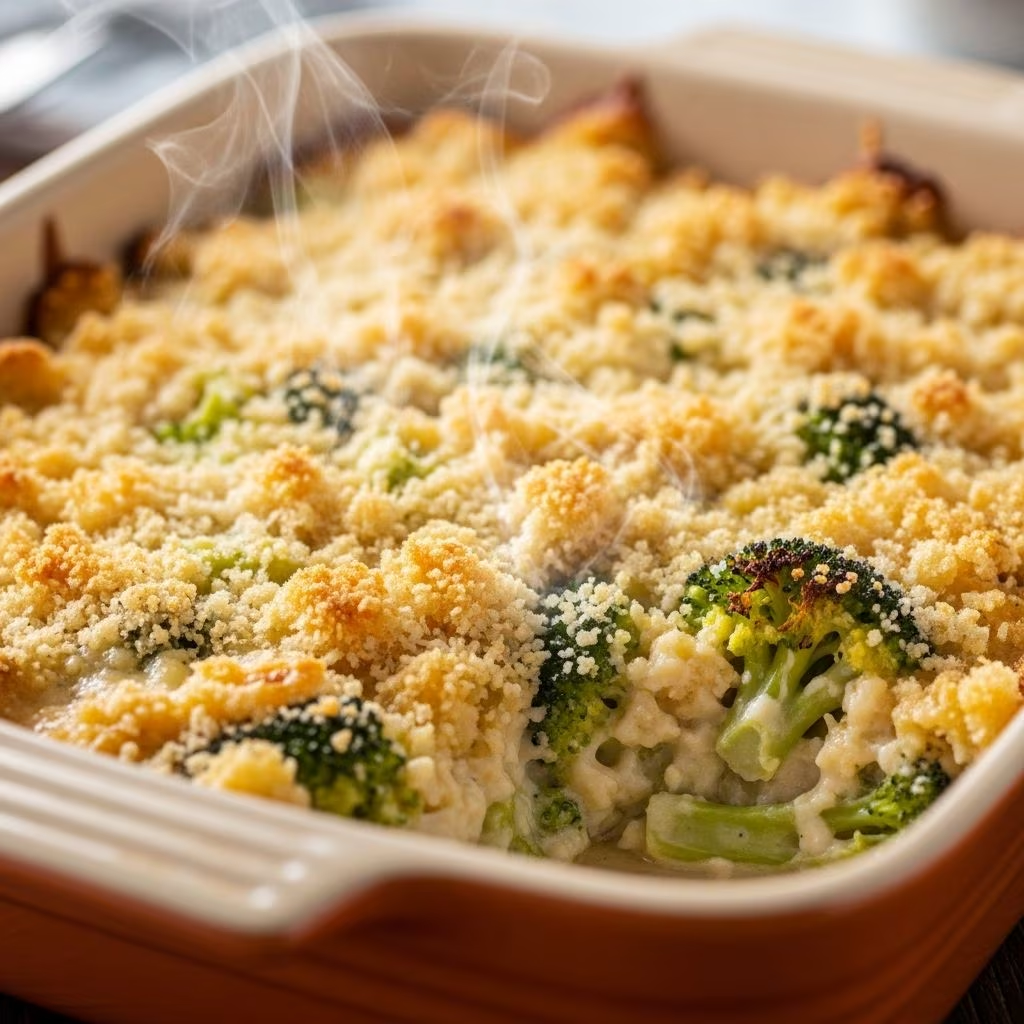
For generations, home cooks have relied on straightforward, dependable recipes that transform humble ingredients into satisfying meals. Among these enduring favorites is the broccoli casserole, a dish that has graced dinner tables across America for decades. This particular preparation combines fresh or frozen broccoli with a rich, creamy binding and a textured topping that adds both visual appeal and satisfying crunch. Whether you’re preparing a holiday gathering or simply seeking a reliable vegetable side dish, understanding how to execute this classic recipe opens doors to consistent culinary success.
Why This Dish Remains Popular in Modern Kitchens
The enduring appeal of casserole-style dishes stems from their practicality and versatility. Unlike dishes requiring last-minute preparation or precise timing, casseroles can often be assembled in advance and reheated without compromising quality. The broccoli casserole exemplifies this convenience factor while delivering genuine comfort through its combination of textures and flavors. The creamy interior contrasts beautifully with the crispy, buttery topping, creating a dining experience that satisfies both texture and taste preferences.
Additionally, this recipe demonstrates how simple pantry staples can be combined to create something greater than the sum of their parts. The soup-based sauce provides richness and umami depth, while cheese contributes both flavor and binding properties. This approach has influenced countless home cooking traditions and remains relevant in contemporary kitchens where efficiency and reliability are valued.
Essential Ingredients and Their Roles
Understanding each ingredient’s contribution helps cooks make informed substitutions and modifications based on dietary preferences or availability.
- Broccoli: The foundation of this dish, available fresh or frozen. Frozen broccoli offers convenience and consistent quality year-round, though fresh broccoli provides textural variation.
- Cream of Mushroom Soup: This condensed soup serves as the primary binding agent, providing creaminess and umami-rich depth without requiring a separate roux preparation.
- Eggs: These proteins help set the casserole mixture, ensuring the final texture is neither too liquid nor too dense.
- Mayonnaise: While unexpected by some, mayonnaise adds richness and further assists in creating a cohesive, creamy texture throughout the dish.
- Sharp Cheddar Cheese: The sharpness of aged cheddar cuts through the richness of the cream sauce while providing assertive cheese flavor that doesn’t fade during baking.
- Crackers and Butter: These components create the defining crispy top layer, providing textural contrast and golden-brown visual appeal.
Preparation Techniques for Optimal Results
Beginning with Proper Broccoli Preparation
The handling of broccoli directly impacts the final dish’s success. If using frozen broccoli, thorough thawing followed by careful draining prevents excess moisture from making the casserole watery. Some cooks prefer chopping thawed broccoli into smaller pieces to ensure even distribution throughout the mixture and more uniform bites when serving.
Fresh broccoli should be cleaned thoroughly and cut into florets of similar size. Steaming fresh broccoli for several minutes before adding it to the mixture ensures it reaches the proper tenderness without becoming mushy during the final baking stage.
Combining Ingredients for Even Distribution
Rather than simply mixing all components together, experienced cooks often blend the cream sauce elements first, creating a smooth, homogeneous base before introducing the broccoli. This technique ensures every piece of broccoli becomes evenly coated and prevents lumping.
A gentle folding motion, rather than aggressive stirring, helps maintain the integrity of broccoli florets and prevents them from breaking apart during mixing. This consideration, while subtle, contributes to the final presentation and eating experience.
Timing the Cracker Topping Addition
Many recipes recommend adding the cracker topping during the final stages of baking rather than at the beginning. This approach prevents the crackers from becoming soggy from direct contact with the moist casserole mixture. By adding them in the last 5-10 minutes of baking, the crackers brown and crisp perfectly while still absorbing enough heat to bond with the underlying mixture.
Standard Preparation Instructions
- Preheat your oven to 375°F, allowing it to reach full temperature before baking begins.
- Prepare your baking vessel by lightly coating a 3-quart casserole dish with nonstick cooking spray.
- Drain your broccoli thoroughly, then coarsely chop if necessary to achieve uniform piece sizes.
- In a large mixing bowl, combine the cream of mushroom soup, beaten eggs, mayonnaise, and grated cheese. Stir until these elements form a smooth, consistent mixture.
- Gently fold the prepared broccoli into the cream sauce mixture until all pieces are thoroughly coated.
- Transfer the combined mixture into your prepared casserole dish, smoothing the top surface evenly.
- Bake for approximately 40 minutes, or until the mixture appears lightly browned and set in the center.
- While the casserole bakes, combine crushed crackers with melted butter in a separate bowl.
- Remove the partially baked casserole from the oven and distribute the cracker mixture evenly across the top.
- Return to the oven and bake for an additional 5-10 minutes until the topping achieves a golden brown color and the entire casserole is bubbly at the edges.
Professional Tips for Enhanced Outcomes
Managing Moisture Content: Excess moisture is the primary enemy of successful casseroles. Beyond thoroughly draining the broccoli, some cooks place thawed broccoli on paper towels and gently press to remove additional surface moisture before adding to the mixture.
Allowing Rest Time: Permitting the finished casserole to rest for 10 minutes after removal from the oven allows the mixture to set more firmly, making serving easier and preventing portions from falling apart on the plate.
Achieving Consistent Browning: If your casserole’s top browns too quickly while the center remains undercooked, tent the dish loosely with aluminum foil during the initial baking period, removing it only when the center appears set.
Customizing the Topping: While traditional saltine or butter crackers are standard, crushed herb-seasoned crackers or crushed cheese crackers can provide variation and personalization to match your preferences.
Ingredient Variations and Substitutions
| Original Ingredient | Alternative Options | Impact on Dish |
|---|---|---|
| Cream of Mushroom Soup | Cream of Chicken or Celery Soup | Provides similar binding with subtle flavor variations |
| Sharp Cheddar Cheese | Gruyere, Fontina, or Gouda | Alters flavor profile while maintaining creaminess |
| Mayonnaise | Sour Cream or Greek Yogurt | Reduces richness while maintaining structural integrity |
| Butter Crackers | Panko Breadcrumbs or Crushed Cornflakes | Changes texture and may alter browning speed |
| Frozen Broccoli | Fresh Broccoli or Broccoli-Cauliflower Mix | Fresh version requires brief steaming; mix adds variety |
Storage and Reheating Considerations
Prepared casseroles can be refrigerated for up to three days when properly covered. To reheat, add the dish to a 350°F oven for approximately 20 minutes, or until heated through. If the original topping has softened, you may add a fresh cracker topping before reheating for improved texture upon serving.
The casserole can also be assembled completely in advance, covered, and refrigerated overnight before baking. This preparation method actually provides convenience for hosts, as the casserole simply requires baking on the day of the event.
Frequently Asked Questions
Can this recipe be made without eggs?
Yes, though the texture will be slightly looser. An additional half-can of cream soup can replace the binding function typically provided by eggs.
Is it possible to use fresh cream instead of mayonnaise?
Absolutely. Heavy cream or sour cream can replace mayonnaise in equal proportions, though the flavor profile will be slightly less rich.
What causes the casserole to become watery?
Insufficient draining of broccoli and inadequate oven temperature are the primary culprits. Ensure broccoli is thoroughly drained and the oven has reached 375°F before baking.
Can frozen broccoli be used without thawing?
Thawing is preferable as frozen broccoli contains excess ice crystals that release moisture during cooking. However, if using unthawed broccoli, extend baking time by 10 minutes and increase drainage care.
How do I prevent the topping from burning?
Add the cracker topping only in the final 5-10 minutes of baking. If browning too quickly, loosely tent with aluminum foil.
Nutritional Overview
This casserole delivers approximately 230-330 calories per serving, depending on portion size and specific ingredient measurements. The dish provides significant protein from eggs and cheese, beneficial vitamins from broccoli including vitamin C and K, and calcium from dairy components. While not classified as a low-calorie dish, it offers substantial nutritional value within the context of a balanced meal.
Occasions Perfect for This Classic Dish
The broccoli casserole’s versatility makes it appropriate for numerous situations. Holiday gatherings, family reunions, potluck contributions, and casual weeknight dinners all benefit from this reliable side dish. Its make-ahead qualities particularly suit holiday entertaining, where advance preparation reduces day-of stress. Additionally, this dish appeals across generations, making it suitable for family gatherings spanning multiple age groups.
Conclusion
The vintage broccoli casserole represents more than simply a recipe; it embodies a cooking philosophy that values practicality, accessibility, and genuine comfort. By understanding the function of each ingredient and mastering proper preparation techniques, home cooks can execute this dish with consistent excellence. Whether you’re maintaining family traditions or discovering this classic for the first time, the broccoli casserole offers a straightforward path to creating satisfying, memorable meals that nourish both body and spirit.
References
- Broccoli and Cheese Casserole Recipe — Little Black Skillet. Accessed April 2026. https://littleblackskillet.com/broccoli-and-cheese-casserole-recipe/
- Old Timey Easy Broccoli Casserole Recipe — The Ponds Farmhouse. Accessed April 2026. https://www.thepondsfarmhouse.com/old-timey-easy-broccoli-casserole-recipe/
- Classic Southern Broccoli Casserole — Julia’s Simply Southern. 2019. https://juliassimplysouthern.com/2019/12/classic-southern-broccoli-casserole.html
- Southern Broccoli Casserole Recipe — Paula Deen. Accessed April 2026. https://www.pauladeen.com/recipe/southern-broccoli-casserole-recipe/
- Broccoli Cheese and Cracker Casserole — The Pioneer Woman. Accessed April 2026. https://www.thepioneerwoman.com/food-cooking/recipes/a10411/broccoli-cheese-cracker-casserole/
- Dietary Guidelines for Americans 2020-2025 — U.S. Department of Agriculture and U.S. Department of Health and Human Services. 2020. https://www.dietaryguidelines.gov/
- Broccoli Nutrition Facts and Health Benefits — United States Department of Agriculture FoodData Central. 2024. https://fdc.nal.usda.gov/