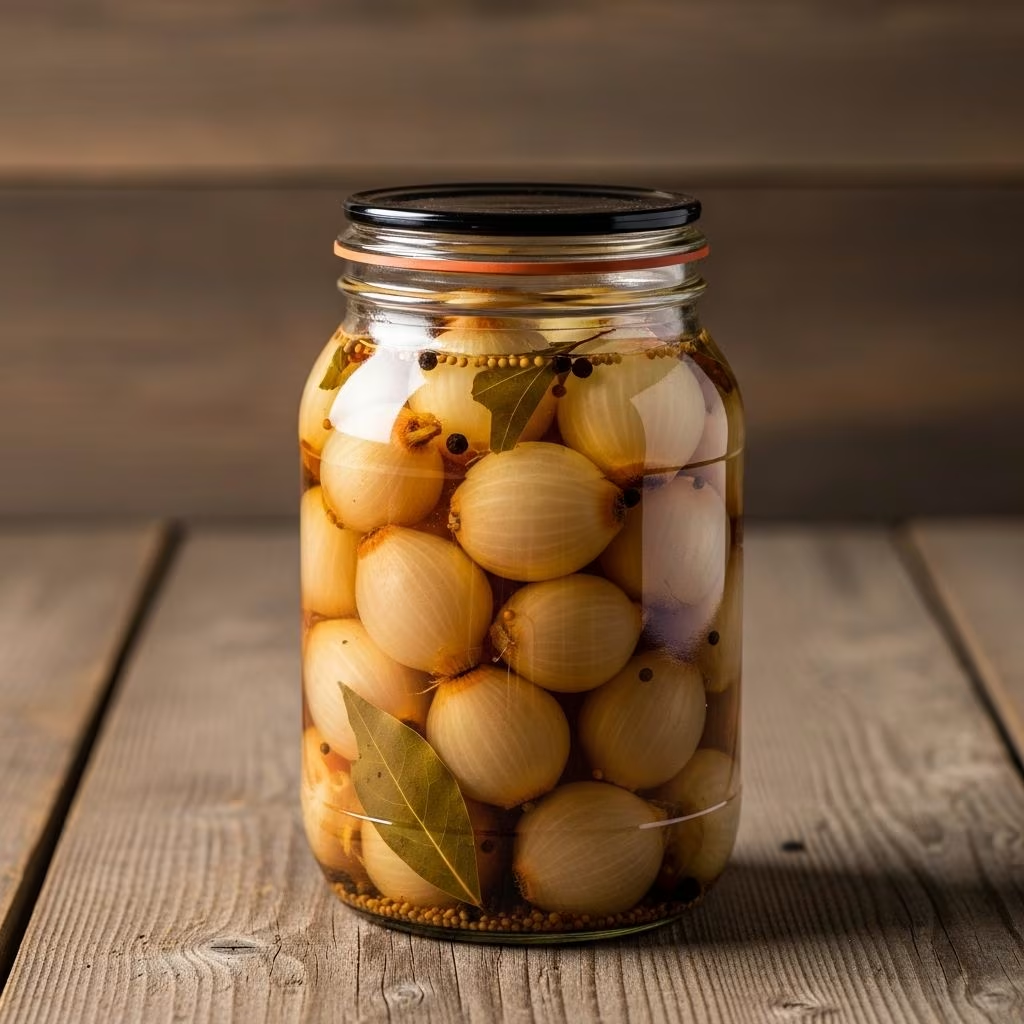
Pickled onions represent one of Britain’s most cherished condiments, gracing everything from pub platters to festive charcuterie boards. These small, crisp spheres deliver a sharp vinegar bite balanced with subtle spice warmth—a combination that has made them popular across generations. The beauty of preparing them at home lies in controlling the ingredient quality and flavor intensity while developing a deeper appreciation for this classic preservation technique.
Understanding the Foundation: Why Pearl Onions Matter
The selection of onion variety plays a crucial role in achieving authentic results. Small boiling onions and pearl onions work exceptionally well because of their compact structure and natural sweetness. These diminutive varieties maintain their integrity throughout the pickling process, resisting the tendency to become mushy that larger onion types experience. The goal is selecting onions roughly the size of a walnut or marble—uniform sizing ensures even brining and consistent texture throughout your batch.
When shopping, look for unblemished specimens with papery outer layers intact. Onions with soft spots or sprouting tops should be avoided as they contain moisture that compromises the final product’s shelf stability and crispness.
Essential Ingredients and Their Roles
| Ingredient | Quantity (for 2 lbs) | Purpose |
|---|---|---|
| Pearl or small boiling onions | 2 pounds | Main ingredient; provides base flavor and texture |
| Malt vinegar | 3 cups | Preservative agent; creates tangy foundation |
| Pickling salt | 1.5 tablespoons | Pre-pickling stage; draws out moisture and firms texture |
| Granulated sugar | 0.5 cup | Balances acidity; enhances spice perception |
| Coriander seeds | 1 teaspoon | Adds warm, citrusy undertones |
| Mustard seeds | 1 teaspoon | Provides sharp, peppery complexity |
| Black peppercorns | 0.5 teaspoon | Contributes heat and depth |
| Bay leaves | 1-2 | Imparts subtle herbal character |
Malt vinegar deserves special attention as the star ingredient. Unlike distilled white vinegar, malt vinegar carries a slightly sweeter, more complex profile that complements rather than overwhelms the onions’ natural flavor. For optimal results, source vinegar with at least 5% acidity to ensure proper preservation.
The Critical Peeling Process
Many home cooks find the peeling stage intimidating due to onion layers and the tear-inducing fumes. A strategic approach transforms this into a manageable task. Begin by trimming approximately one-quarter inch from both the root and stem ends of each onion. This creates flat surfaces and slightly loosens the papery outer layers.
Fill a large heat-proof bowl with water that’s just begun to boil or pour over onions directly with kettle-heated water. Allow them to sit for approximately one minute—enough time for the outer layers to soften without cooking the onion flesh. After draining and rinsing with cold water, gently rub each onion between your palms. The loosened skin should slip away easily, leaving the pearly white globe intact.
Performing this process in batches rather than all onions simultaneously maintains water temperature and reduces the time each batch sits in hot liquid. Patience during this stage directly correlates with achieving the desired final crispness.
Pre-Pickling: The Salting Stage
After peeling, a crucial intermediate step separates adequate pickled onions from exceptional ones. Place the peeled onions in a large bowl and distribute pickling salt evenly across the surface. Toss gently but thoroughly to coat each onion. Cover the bowl with cheesecloth or paper towel and allow to rest at room temperature for approximately 12 to 14 hours.
During this period, the salt draws moisture from the onion cells through osmosis, a process called plasmolysis. This dehydration firms the texture and prevents the subsequent pickling liquid from becoming diluted, which would compromise both flavor and preservation capacity. Critically, this stage should not extend beyond 14 hours, as extended salting may cause the onions to become excessively firm or develop surface discoloration.
Following the salt rest, rinse the onions thoroughly under cold running water until no residual salt remains on the surface or between layers. Drain well and pat dry with clean kitchen towels. Any remaining surface moisture can interfere with proper jar packing.
Crafting the Pickling Liquid
The brine—that fragrant, spice-infused liquid—transforms simple onions into a versatile condiment. Combine malt vinegar, granulated sugar, and all whole spices in a stainless steel or glass saucepan. Bring the mixture to a gentle simmer over medium heat, stirring occasionally until the sugar crystals completely dissolve.
The absence of grittiness when stirring indicates complete sugar dissolution. This heating step serves two purposes: it dissolves the sugar crystals and gently warms the spices, coaxing out their essential oils and intensifying flavor compounds. However, vigorous boiling should be avoided, as it risks burning the spices and creating unpleasant, acrid notes in the finished product.
Once the sugar dissolves, remove the saucepan from heat and allow the mixture to cool to room temperature. This cooling step is non-negotiable—adding extremely hot brine to jars containing peeled onions will actually cook the onion tissue, destroying the desired crispy texture that defines quality pickled onions.
Jarring and Storage Considerations
Use clean, sterilized mason jars or similar glass containers with tight-fitting lids. If canning equipment is available, sterilize jars through a water bath or dishwasher cycle. Pack the cooled onions into jars, distributing them relatively evenly but not so tightly that brine cannot circulate freely.
Pour the cooled pickling liquid over the onions, ensuring they remain fully submerged—onions exposed to air risk developing mold or discoloration. Leave approximately half an inch of headspace between the liquid surface and the jar opening. Seal securely and store in a cool, dark location such as a pantry or basement.
The waiting period begins now. While they become palatable within a week or two, the flavor profile continues developing and deepening over at least four to six weeks. Many traditional recipes suggest waiting a minimum of one month before opening the first jar. This patience allows the spices to fully infuse into the onions and vinegar, creating the complex, well-rounded taste that distinguishes homemade preparations from commercial versions.
Flavor Customization Options
The basic recipe provides an excellent foundation, but personalization adds interest. Consider these variations:
- Heat enthusiasts: Add dried chile flakes, whole dried chiles, or fresh jalapeño slices to the brine for gradual warming that builds rather than dominates
- Herb lovers: Fresh thyme, rosemary sprigs, or dill fronds introduce garden freshness that complements the vinegar’s sharpness
- Sweetness preference: Increase sugar quantity slightly or substitute honey for a portion of the sugar for deeper, more complex sweetness
- Spice adventurers: Experiment with allspice berries, fennel seeds, caraway seeds, or whole cloves to develop unique signature versions
- Citrus notes: Strips of lemon or orange zest added during the brine-heating step impart brightness without increasing acidity
Troubleshooting Common Issues
Soft or mushy texture: This typically results from adding hot or boiling brine directly onto raw onions, effectively cooking them. Always allow brine to cool completely. Additionally, ensure the salting stage isn’t extended beyond recommended time, and verify that storage remains in a consistently cool location.
Cloudy brine or discoloration: These changes may indicate insufficient sterilization of jars or contamination during preparation. Ensure all containers, utensils, and hands are thoroughly cleaned before beginning. If mold appears on the surface, the entire jar should be discarded, as contamination may extend throughout the contents despite visible signs only at the top.
Overly strong vinegar taste: Reduce the vinegar quantity slightly in future batches or increase the quantity of onions proportionally. Some people prefer a slightly higher sugar content to balance aggressive acidity, which can be adjusted to personal preference.
Culinary Applications
Beyond enjoying pickled onions straight from the jar as a tangy snack, they enhance numerous dishes. Chop them into salads for sharp brightness, pair with charcuterie and cheese, top burgers and sandwiches for acidic contrast, or incorporate into grain bowls for textural interest. They complement curries, accent tacos, and add sophistication to charcuterie boards alongside cured meats and artisanal cheeses.
Frequently Asked Questions
Can I use white vinegar instead of malt vinegar? While technically possible, white vinegar produces a harsher, more one-dimensional result. Malt vinegar’s complexity develops superior flavor that rivals commercial preparations. If substituting, use apple cider vinegar as a compromise, though results will differ from traditional recipes.
How long do homemade pickled onions remain shelf-stable? When properly sterilized, sealed, and stored in cool conditions, they maintain quality for six to nine months. After opening, refrigerate and consume within several weeks. Always discard any jars showing signs of leakage, bulging, or unusual odors.
What size jars work best? Pint-sized mason jars accommodate approximately one pound of onions comfortably. Larger jars may be used if available, though they extend the time required for brine circulation and flavor development throughout the larger volume.
Is it necessary to water-bath can these pickles? If planning to store unopened jars at room temperature long-term, water-bath canning provides additional safety assurance. Without processing, store exclusively in refrigerated conditions and use within three months.
References
- English Pickled Onions — Culinary Ginger. 2015-present. https://culinaryginger.com/english-pickled-onions/
- English Pickled Onions (Pub Style) — The Daring Gourmet. Accessed 2026. https://www.daringgourmet.com/english-pickled-onions-pub-style/
- English Pickled Onions — Healthy Canning. Accessed 2026. https://www.healthycanning.com/english-pickled-onions
- How To Make Classic British Pickled Onions — YouTube. Accessed 2026. https://www.youtube.com/watch?v=208L4xyD7XM
- Old English Style Pickled Onions — The Recipe Bandit. Accessed 2026. https://therecipebandit.com/old-english-pickled-onions/