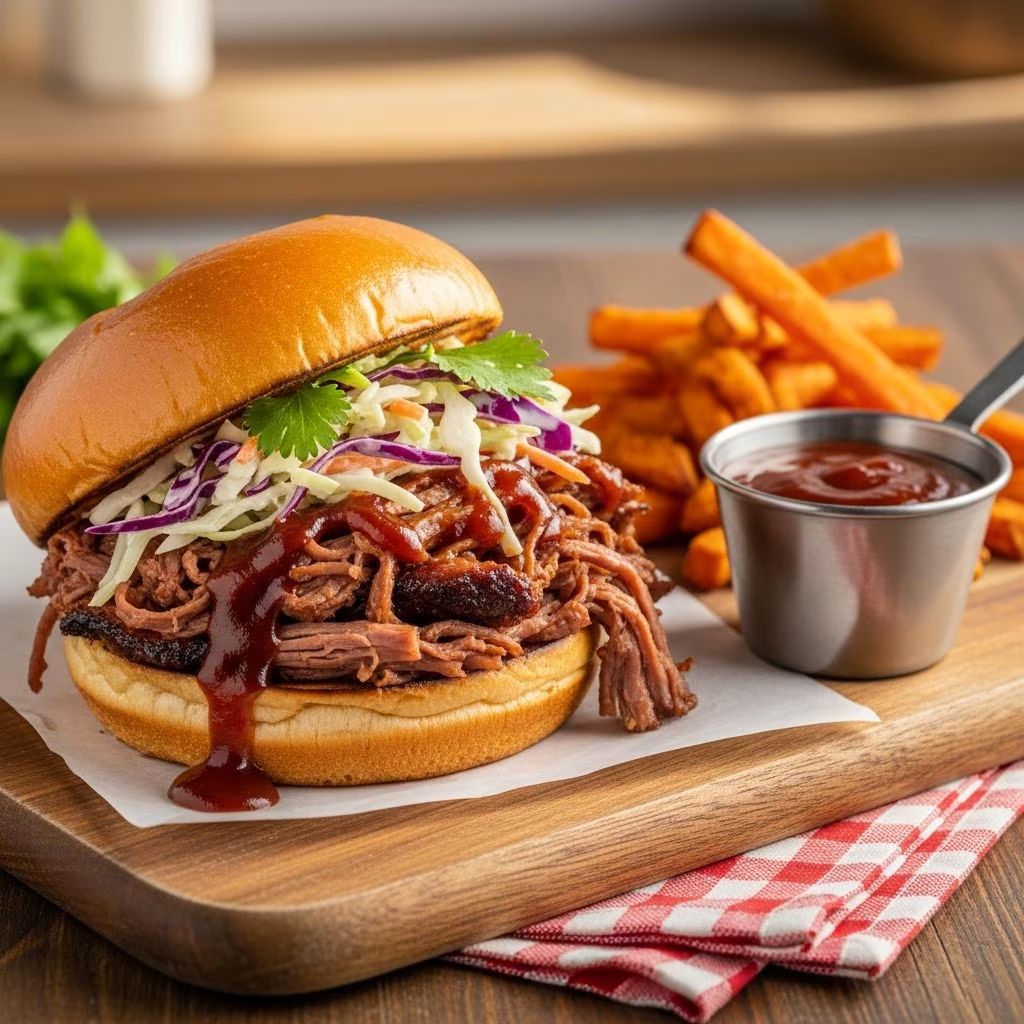
Barbecue beef sandwiches represent one of America’s most enduring comfort foods, combining tender, well-seasoned meat with a flavorful sauce and soft bread. Whether served at summer cookouts, family gatherings, or casual weeknight dinners, these sandwiches deliver satisfying flavors that appeal to diners of all ages. The beauty of this dish lies in its simplicity—requiring just a handful of quality ingredients and straightforward cooking techniques to achieve restaurant-quality results in your own kitchen.
Understanding the Foundation of Great BBQ Beef Sandwiches
The appeal of barbecue beef sandwiches stems from their balance of tender protein, rich sauce, and bread that can absorb flavors without falling apart. Unlike some trendy sandwich variations, this classic approach focuses on letting quality ingredients shine through without unnecessary complexity. The cooking method transforms tougher, more affordable cuts of beef into tender, pull-apart meat that works perfectly for sandwiches. This transformation happens through low-and-slow cooking or the application of proper braising techniques that break down connective tissues and develop deep flavors.
Traditional recipes often utilize cuts like chuck roast, which contains enough fat and collagen to become incredibly moist and flavorful during extended cooking times. This economical approach made barbecue beef sandwiches popular during the early-to-mid 20th century when families sought filling, budget-friendly meals that could feed multiple people without excessive expense.
Selecting Your Meat and Preparation Essentials
The foundation of any exceptional barbecue beef sandwich begins with choosing the right cut of meat. Boneless chuck roast stands out as the ideal selection for this application, offering excellent marbling that breaks down during cooking to create naturally tender, juicy results. A roast weighing between two and two-and-a-half pounds provides the right amount for feeding a family or small gathering, yielding approximately eight servings when shredded and served on standard buns.
Before cooking, trim any excessive fat from the exterior of the roast, though leaving some marbling throughout provides necessary flavor and moisture during the cooking process. This initial preparation takes just a few minutes but ensures that your finished sandwiches won’t have large fatty pieces that detract from the eating experience.
Key Ingredients for Aromatic Foundation
- Fresh yellow onion, chopped into medium pieces
- Celery stalks sliced into thin pieces
- Fresh garlic cloves minced or pressed
- Seasoning salt and ground black pepper
These aromatics serve dual purposes in the cooking process. First, they flavor the cooking liquid that surrounds the meat, infusing it with depth and complexity. Second, they contribute to the overall sauce that coats the shredded beef, creating a more sophisticated flavor profile than sauce alone could achieve.
Crafting the Perfect Barbecue Sauce
While store-bought barbecue sauce offers convenience, homemade sauce creates superior depth and allows customization to personal taste preferences. The ideal barbecue sauce for beef sandwiches balances sweetness, acidity, umami, and spice in proportions that complement rather than overwhelm the meat.
Essential Sauce Components and Their Roles
| Ingredient | Amount | Purpose |
|---|---|---|
| Ketchup | 1/2 cup | Provides tomato base and natural sweetness |
| Brown Sugar | 1-2 tablespoons | Adds caramelized sweetness and depth |
| Apple Cider Vinegar | 1-2 tablespoons | Cuts sweetness with bright acidity |
| Worcestershire Sauce | 1-2 tablespoons | Contributes umami and complex savory notes |
| Prepared Barbecue Sauce | 1/2 cup | Adds additional barbecue flavor and body |
| Yellow Mustard | 1/2 tablespoon | Provides tangy sharpness and helps bind flavors |
| Chili Powder | 1/2 teaspoon | Adds subtle heat and smoky warmth |
The combination of ketchup and prepared barbecue sauce creates a more robust base than either ingredient alone could achieve. Ketchup contributes natural tomato flavor and consistent sweetness, while commercially prepared barbecue sauce adds the complex spice blends that manufacturers develop through experimentation and refinement. Together, these elements create a sauce that tastes neither homemade-basic nor overly commercial.
Vinegar plays a critical role in balancing sweetness and adding brightness. Apple cider vinegar offers a slightly fruity undertone that complements beef particularly well, though white vinegar works adequately if apple cider vinegar isn’t available. The small amount of mustard acts as an emulsifier, helping all sauce components blend seamlessly rather than separating during cooking.
Cooking Methods That Deliver Tender Results
Several effective approaches exist for transforming a tough beef chuck roast into tender, shreddable meat. Each method produces slightly different results, and the choice depends on available equipment and desired timeline.
Slow Cooker Method
The slow cooker approach requires minimal active preparation time, making it ideal for busy families or meal planning. Simply place the trimmed roast in the slow cooker with chopped aromatics, then pour the sauce mixture over top. Cook on low for eight to ten hours, or on high for five to six hours, until the meat shreds easily with a fork. The extended cooking time allows collagen to convert to gelatin, creating naturally tender results without any toughness or dryness.
The slow cooker’s gentle, moist heat environment makes it nearly impossible to overcook the meat, providing a forgiving method suitable for cooks at any experience level. The liquid that accumulates becomes the base for the final sauce, absorbing flavors from the meat, aromatics, and sauce ingredients.
Traditional Oven Braising
For those without a slow cooker, oven braising delivers equally excellent results. Sear the trimmed roast in a hot Dutch oven until browned on multiple sides, then remove it temporarily. Sauté the aromatics briefly to release their flavors, then add the sauce mixture and return the roast to the pot. Cover and braise in a 325-degree Fahrenheit oven for approximately three to four hours, turning the meat halfway through cooking. The Maillard reaction that occurs during searing creates additional depth of flavor beyond what slow cooking alone provides.
Shredding and Sauce Integration
Once the meat becomes fork-tender, remove it from the cooking liquid and allow it to cool slightly for easier handling. Using two forks, pull the meat apart into bite-sized shreds, removing any remaining fat or connective tissue. This process typically takes five to ten minutes and creates a texture that showcases the meat’s tenderness without large, awkward chunks.
Return the shredded meat to the cooking liquid and sauce mixture, stirring to ensure even distribution of sauce throughout the meat. Allow this combination to simmer for several minutes, giving the meat opportunity to absorb additional flavors and the sauce to coat each shred thoroughly. This integration step transforms the meat from simply tender to deeply flavorful and cohesive.
Selecting and Preparing the Perfect Bread
The bread selection significantly impacts the eating experience, as it must provide structural support while complementing the meat and sauce. Standard hamburger buns offer the most traditional choice, providing a slightly sweet flavor that pairs well with savory barbecue. However, brioche buns, soft potato rolls, or even hearty hoagie rolls can accommodate these sandwiches effectively depending on personal preference and desired texture.
Toasting the buns lightly creates a slight crust that prevents them from becoming soggy when laden with saucy meat. A quick pass under the broiler or on a hot skillet takes just moments but dramatically improves the final texture. Some traditional recipes call for buttering the buns before toasting, creating a richer, more indulgent result.
Assembly and Serving Suggestions
While the basic formula involves simply piling shredded meat onto toasted buns, thoughtful assembly elevates the final product. Place a slight amount of sauce on the bottom bun first, creating a barrier that prevents excessive sogginess while adding flavor. Top with a generous portion of shredded beef, then additional sauce to bind everything together. The proportion of meat to bun should favor the meat—these sandwiches should feel substantial and satisfying, not like a vehicle for bread.
Traditional accompaniments include simple toppings that don’t compete with the barbecue flavor. Thin onion slices add crunch and sharpness, while pickle chips provide acidity and textural contrast. Coleslaw offers a traditional pairing, as its cool crispness balances the warm, saucy meat beautifully. Some regional variations include crispy fried onions or a light sprinkle of paprika, though purists prefer nothing beyond meat, sauce, and basic toppings.
Tips for Making Your BBQ Sandwiches Exceptional
- Make the sauce a day ahead to allow flavors to meld and develop further complexity
- Trim excessive fat from the roast while leaving enough marbling to maintain moisture and flavor
- Don’t rush the cooking process—low-and-slow methods consistently outperform high-heat approaches
- Taste the sauce before adding the meat and adjust vinegar or sugar to your preference
- Use fresh aromatics rather than dried equivalents for superior depth
- Shred the meat while slightly warm, as cooled meat becomes more difficult to pull apart
- Toast buns immediately before serving to maximize texture contrast
Frequently Asked Questions About BBQ Beef Sandwiches
Can I make this recipe in advance?
Absolutely. Prepare the meat and sauce completely, then refrigerate for up to three days. Simply reheat gently on the stovetop, adding a splash of water if the mixture seems too thick. This advance preparation makes these sandwiches excellent for weeknight meals or entertaining guests.
What if I don’t have a slow cooker or Dutch oven?
A regular covered pot works perfectly for stovetop braising. Maintain a gentle simmer rather than a rolling boil, and check the liquid level periodically, adding more if it evaporates excessively. Cooking time will be similar to oven braising.
How can I make this recipe less sweet?
Reduce the brown sugar, use less prepared barbecue sauce, and increase the vinegar and mustard amounts. Taste as you adjust to achieve your preferred balance.
Can I use ground beef instead of a roast?
Yes, though it produces a different texture. Cook ground beef in a skillet until browned, drain excess fat, then simmer with sauce ingredients for approximately fifteen minutes. The result is more like a sloppy joe than traditional barbecue beef, but still delicious.
Conclusion
Classic barbecue beef sandwiches endure because they deliver satisfying flavors, impressive texture, and exceptional value without requiring advanced cooking skills. The simple formula of quality meat, balanced sauce, and proper technique produces results that rival restaurant versions. Whether served at casual family dinners or special occasions, these sandwiches satisfy appetites and create lasting memories.
References
- Barbecue Sandwiches Recipe — Fountain Avenue Kitchen. 2024. https://fountainavenuekitchen.com/barbecue-sandwiches/
- Slow Cooker BBQ Beef Sandwiches — Taste and Tell Blog. 2024. https://www.tasteandtellblog.com/ting-town-barbeque-beef-sandwiches/
- Slow Cooker Old Fashioned Barbecue Beef Sandwiches Recipe — Smiths Food and Drug. 2024. https://www.smithsfoodanddrug.com/r/slow-cooker-old-fashioned-barbecue-beef-sandwiches-recipe/5c1bb1749da07c69214eb9f0/shop
- How to grill 1930’s style Sub Sandwich | Recipe — YouTube/BBQ Pit Boys. 2024. https://www.youtube.com/watch?v=azS8aTT1nbA
- 16+ Sandwich Recipes for Your Next Backyard Party — Hey Grill Hey. 2024. https://heygrillhey.com/sandwich-recipes/