Banana cream pie represents one of the most beloved dessert classics, combining simplicity with elegant sophistication. This timeless treat layers delicate pastry with silky custard, fresh fruit, and clouds of whipped cream to create a dessert that appeals to both casual bakers and seasoned pastry chefs. The beauty of this recipe lies in its straightforward components that, when executed properly, transform into something genuinely spectacular.
Understanding the Foundation: Pie Crust Selection
The foundation of any exceptional banana cream pie begins with a well-constructed crust. You have several viable options depending on your comfort level and available time. A traditional flaky pie dough, made from scratch with flour, butter, and ice water, provides an authentic base that showcases professional technique. However, store-bought pie dough offers convenience without sacrificing quality, making it an excellent choice for busy home cooks.
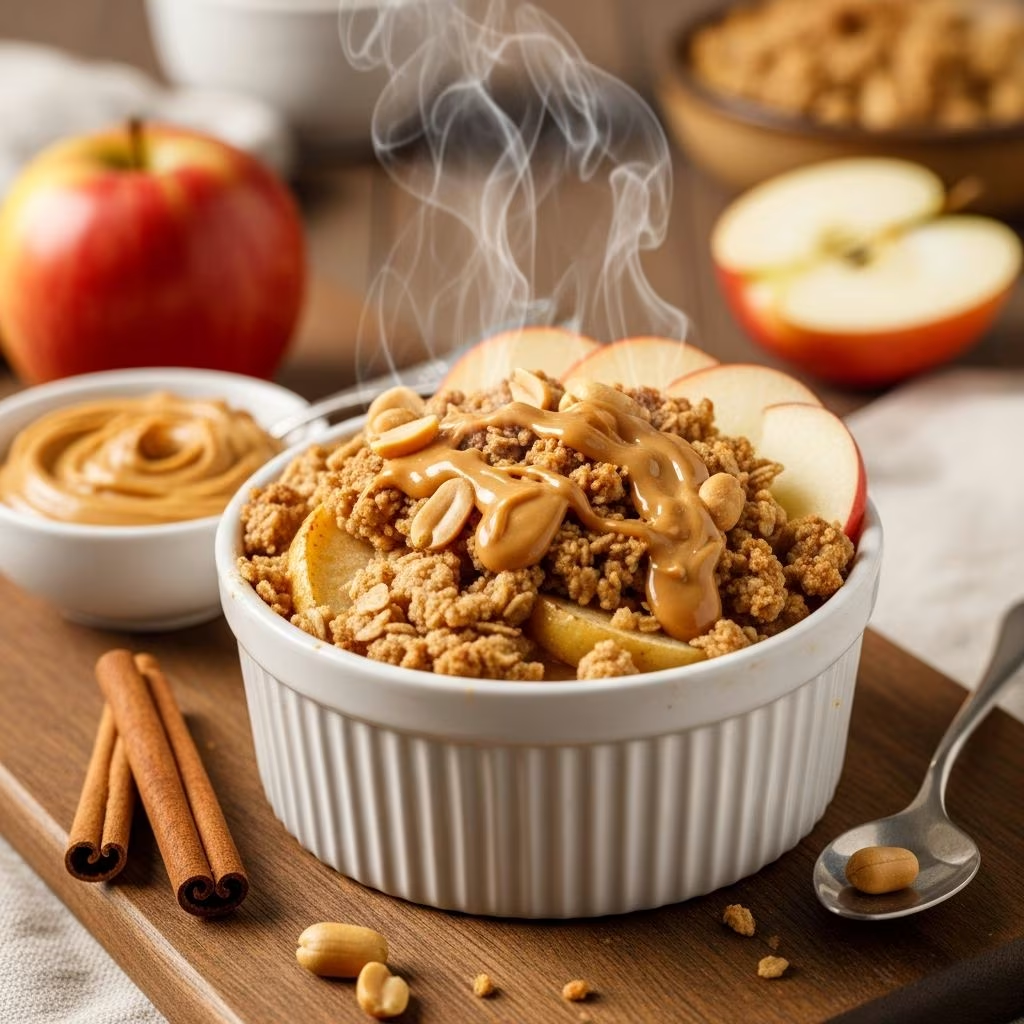
Many modern banana cream pie variations incorporate alternative crust options that complement the filling beautifully. Peanut butter cookie crusts add nutty depth and richness, creating an unexpected flavor dimension. Graham cracker crusts offer a more casual, accessible approach with subtle sweetness that won’t compete with the vanilla custard filling. Some bakers prefer coconut-based crusts, which echo any coconut garnishes used in the final presentation.
Regardless of which crust style you select, proper preparation ensures optimal texture and flavor. If using homemade dough, blind baking—the process of pre-baking the crust with weights—prevents sogginess from the filling. This involves lining the dough with parchment paper and filling it with pie weights or dried beans, then baking until the edges turn light golden before adding the filling.
Crafting the Custard: The Heart of the Dessert
The custard filling defines a banana cream pie’s character. This velvety vanilla custard represents the showpiece component that distinguishes homemade versions from simpler alternatives using instant pudding mixes. Creating custard from scratch requires understanding how egg yolks, milk, and cornstarch work together to achieve the perfect consistency.
Essential Custard Ingredients and Their Roles
- Whole milk: Forms the dairy base, typically two cups, providing richness and body to the filling
- Egg yolks: Contribute fat and emulsifying properties, creating a silky texture—usually four large yolks
- Granulated sugar: Sweetens the mixture and helps thicken through chemical reactions—approximately one-half cup
- Cornstarch: Acts as a thickening agent, preventing the custard from becoming too loose—roughly one-quarter cup
- Vanilla extract: Provides signature flavor—one tablespoon creates sufficient vanilla intensity
- Butter: Adds richness and creates a glossy appearance—two tablespoons, cut into small pieces
- Optional liqueur: Bourbon or scotch adds sophisticated depth to the vanilla notes
The Custard-Making Process
Begin by combining milk in a saucepan and heating until steam wisps appear—do not allow it to boil. While the milk warms, whisk together egg yolks and sugar in a separate bowl until the mixture becomes pale and thick, taking approximately two to three minutes of continuous whisking. This step aerates the yolks and distributes sugar evenly.
Create a slurry by mixing cornstarch with a small amount of cold milk, then add this mixture to the egg-sugar combination while whisking continuously. This prevents lumps from forming in the final custard. Slowly pour the heated milk into the egg mixture while whisking constantly, creating a tempered custard that won’t scramble the eggs.
Return the combined mixture to the saucepan over medium heat, stirring constantly for approximately three to four minutes until the custard thickens noticeably and coats the back of a wooden spoon. Remove from heat and stir in vanilla extract, butter, and any optional spirits. Pour the custard through a fine-mesh strainer to eliminate any cooked egg particles, then press plastic wrap directly onto the surface to prevent a skin from forming. Cool completely before using.
Strategic Banana Layering
Banana placement significantly influences both the visual appeal and flavor distribution throughout the pie. Rather than randomly scattering fruit, thoughtful layering creates a cohesive texture experience. Select ripe but firm bananas that slice cleanly without turning to mush—slightly underripe bananas work better than fully soft ones.
Slice bananas into uniform thickness, typically one-half inch or slightly thinner. Create the first layer by arranging banana slices directly on the cooled pie crust, overlapping them slightly to ensure complete coverage of the bottom. This protective layer prevents the crust from absorbing excess moisture from the custard.
Pour approximately one-third of the cooled custard over the banana layer, smoothing it gently with a spatula. Add a second layer of banana slices, then top with the remaining custard. The final arrangement should feature custard as the top layer, providing a smooth surface for the whipped cream topping. Cover with plastic wrap and refrigerate for a minimum of six to eight hours, allowing the custard to set completely and flavors to meld.
The Whipped Cream Topping: Technical Excellence
Whipped cream represents the final architectural element that transforms the dessert into something visually impressive. Rather than relying on commercial stabilized products, freshly whipped cream offers superior texture, genuine flavor, and the satisfaction of knowing exactly what you’ve consumed.
Achieving Perfect Whipped Cream
Begin with heavy whipping cream that’s been chilled, preferably for several hours. The temperature matters more than many bakers realize—cold cream whips faster and to greater volume than room-temperature cream. Use an electric mixer set to medium-high speed, allowing the cream to gradually increase in volume.
Add powdered sugar and vanilla extract to the cream, timing the addition so sweetening occurs roughly halfway through whipping. Continue beating until soft peaks form—the point where the cream holds peaks that gently collapse when you lift the beaters. This stage, typically reached after one to two minutes of total whipping time, provides the ideal consistency for spreading or piping.
Avoid over-whipping, which transforms cream into butter by breaking down fat globules. The moment peaks hold their shape without immediately falling represents the sweet spot. Overworked cream develops a grainy texture and separates, becoming undesirable for topping purposes.
Assembly and Final Presentation
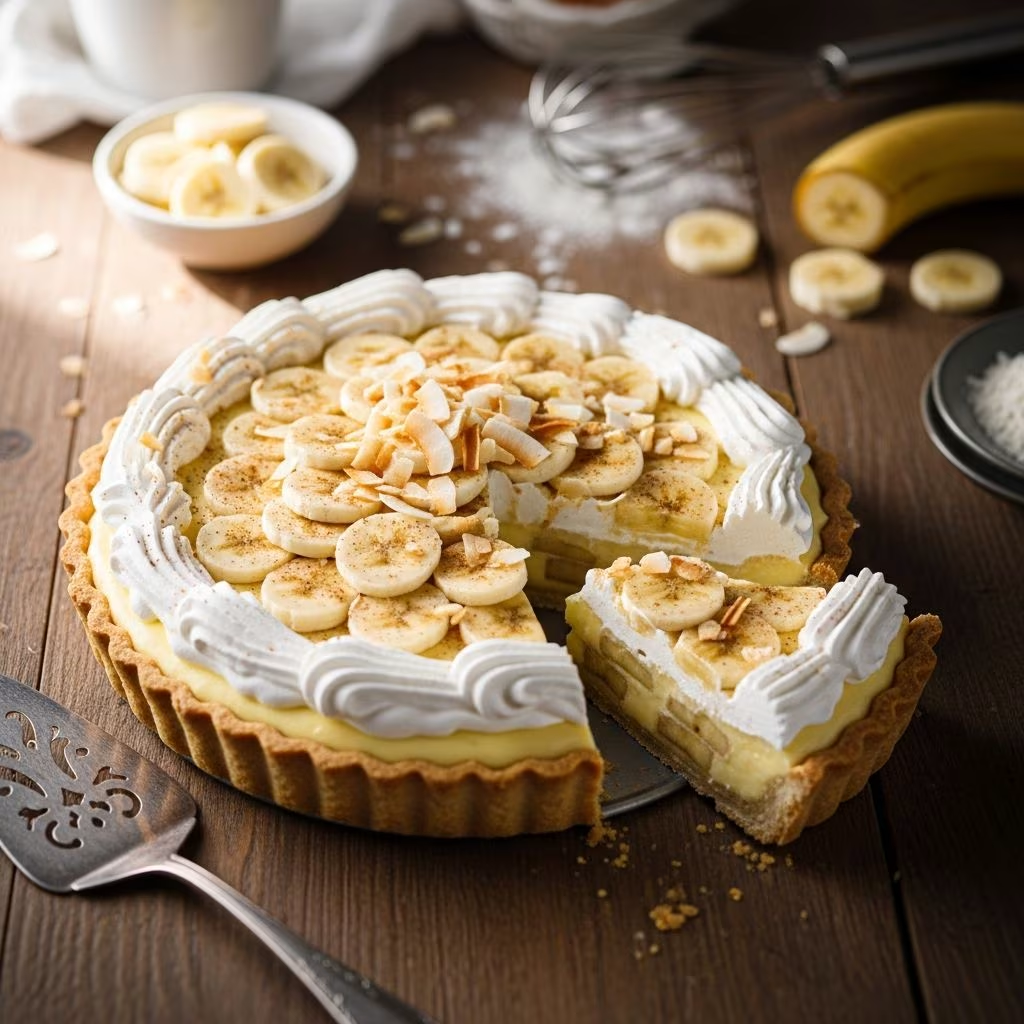
Once the pie has chilled sufficiently and the custard has set completely, top with the whipped cream topping. Spread it smoothly across the surface using a rubber spatula, or pipe decorative patterns using a pastry bag fitted with various tips. Create visual interest by leaving a one-inch border around the pie’s edge, which prevents the topping from overshadowing the filling.
Optional garnishes elevate the presentation further. Arrange thin banana slices on top of the whipped cream in a decorative pattern. Toasted coconut flakes add both visual appeal and complementary tropical flavor. Chocolate shavings curled from a chocolate bar using a vegetable peeler create elegant accents. Crushed cookies from your crust choice can be sprinkled around the edges for textural contrast.
Storage and Make-Ahead Strategies
Banana cream pie maintains quality for two to three days when properly stored in the refrigerator, covered loosely with plastic wrap or stored in an airtight container. The whipped cream topping can be prepared several hours in advance and refrigerated separately, then added just before serving for optimal fluffiness.
For optimal results, assemble the entire pie one day ahead, allowing the custard to set thoroughly overnight in the refrigerator. This extended chilling time allows banana flavor to infuse the custard naturally, creating more complex, developed taste. Add whipped cream topping and fresh banana garnishes no more than four hours before serving.
Troubleshooting Common Issues
| Problem | Likely Cause | Solution |
|---|---|---|
| Custard too thin and runny | Insufficient thickening or under-cooking | Increase cornstarch amount or cook longer until mixture coats spoon thickly |
| Custard contains lumps | Inadequate tempering or rushed preparation | Strain through fine-mesh sieve; whisk more gradually when combining hot milk with eggs |
| Soggy pie crust | Insufficient blind-baking or premature filling | Blind-bake until light golden; cool crust completely before adding filling |
| Browning banana slices | Oxidation from prolonged exposure to air | Slice bananas closer to assembly time; toss with lemon juice if preparing ahead |
| Separated or grainy whipped cream | Over-whipping breaks fat globules | Stop whipping at soft-peak stage; use fresh cream stored at proper temperature |
Flavor Variations and Creative Adaptations
While the classic recipe remains timeless, numerous variations allow creative expression. Bourbon-infused custard adds warmth and sophistication to traditional vanilla notes. Almond extract, used sparingly as a complement rather than replacement for vanilla, creates subtle nuttiness. A touch of rum or coconut rum echoes tropical themes, particularly appealing with coconut garnishes.
Layering additional components creates more complex desserts. Chocolate custard versions replace vanilla with cocoa-infused filling. Graham cracker-peanut butter combinations appeal to those seeking richer, more indulgent profiles. Coconut cream versions substitute a portion of milk with coconut milk, creating distinctly different flavor profiles that complement the fruit wonderfully.
Serving Recommendations and Pairing Ideas
Banana cream pie serves best chilled, directly from the refrigerator at approximately forty degrees Fahrenheit. Cut clean slices using a long, thin knife dipped in hot water and wiped dry between cuts, preventing the filling from sticking to the blade.
Serve alone as a standalone dessert, or accompany with coffee, tea, or cold milk. The light, refreshing quality makes it particularly suitable for warm-weather meals and outdoor gatherings. After heavier entrees, smaller portions satisfy without overwhelming the palate.
Equipment and Tools for Success
Gather necessary equipment before beginning: a nine-inch pie pan (preferably ceramic or metal, not glass, which conducts heat inconsistently), a fine-mesh strainer for smooth custard, an electric mixer for whipped cream preparation, and a reliable thermometer for monitoring milk temperature. Quality whisks, wooden spoons, and a rubber spatula simplify the preparation process considerably.
Frequently Asked Questions
Can I use instant pudding mix instead of making custard from scratch?
Yes, instant vanilla pudding mix offers convenience and delivers acceptable results. Follow package directions, whisking with cold milk until thickened. Many bakers fold in a portion of whipped topping for enhanced richness. Homemade custard provides superior texture and flavor complexity, but instant versions work well for time-constrained situations.
How long can banana cream pie be stored?
Properly refrigerated pie maintains quality for two to three days. The whipped cream topping may soften or weep slightly after extended storage. For best results, add fresh whipped cream topping within a few hours of serving.
Can I freeze banana cream pie?
Freezing is generally not recommended, as the whipped cream topping degrades significantly upon thawing, and banana slices become mushy. The custard-filled portion freezes better than the entire assembled pie.
What if my custard breaks or separates?
Broken custard results from over-heating or inadequate tempering. Strain through a fine-mesh sieve to remove cooked egg particles, then gently reheat while whisking. If separation continues, start with fresh custard rather than attempting salvage.
Should I use fresh or frozen bananas?
Fresh bananas provide superior texture and appearance. Frozen bananas lose firmness during thawing, resulting in mushy slices that integrate poorly into layers.
References
- World’s Best Banana Cream Pie — Ambitious Kitchen. https://www.ambitiouskitchen.com/banana-cream-pie/
- Homemade Banana Cream Pie — Preppy Kitchen. https://preppykitchen.com/banana-cream-pie/
- Best Banana Cream Pie Recipe — Delish. https://www.delish.com/cooking/recipe-ideas/a41093683/classic-banana-cream-pie-recipe/
- Easy Banana Cream Pie — Spend With Pennies. https://www.spendwithpennies.com/banana-cream-pie/
- The Best Banana Cream Pie Recipe — Inspired Taste. https://www.inspiredtaste.net/65585/banana-cream-pie/