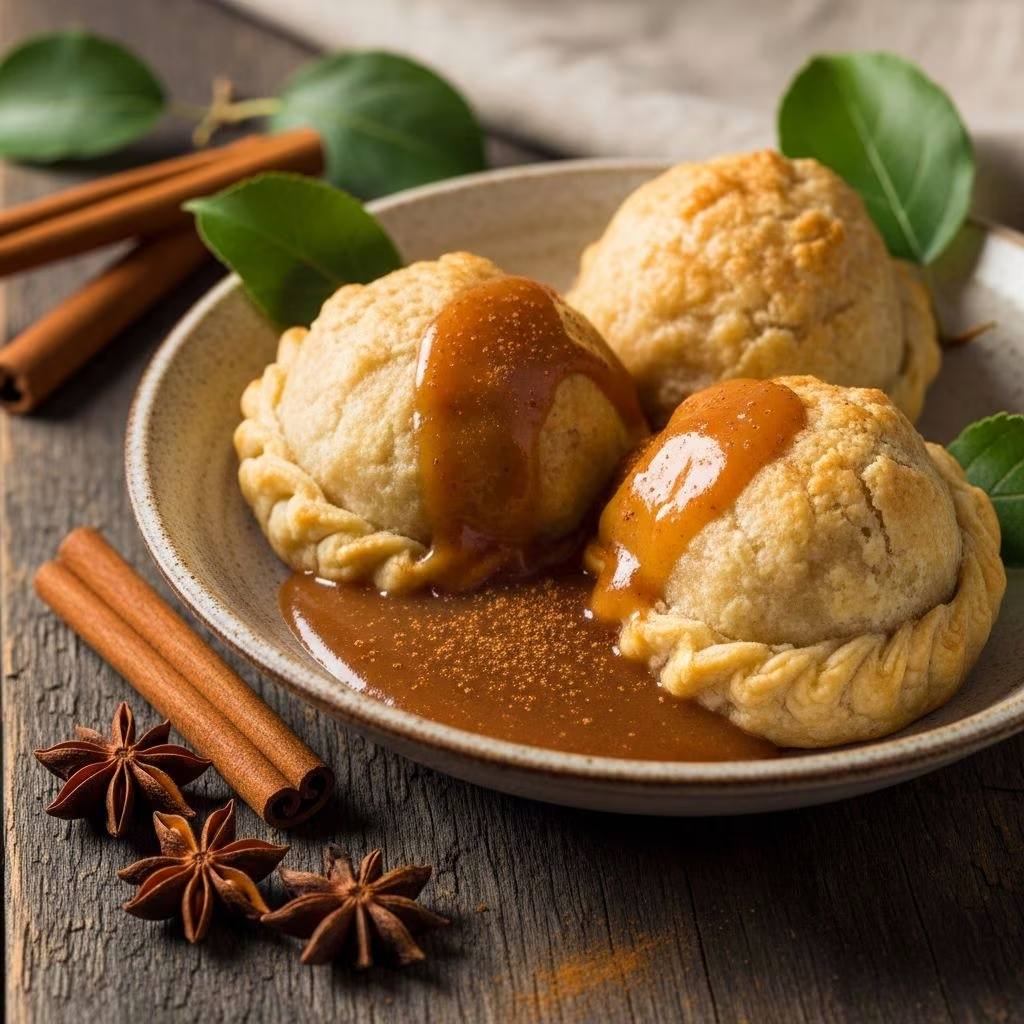
Apple dumplings represent one of the most satisfying comfort desserts in American culinary tradition. This warm, indulgent treat combines tender baked apples with buttery pastry and a velvety cinnamon sauce that caramelizes during baking. Whether you’re preparing this dish for a family gathering or seeking a weekend baking project, understanding the fundamentals of construction and technique will ensure consistently excellent results.
Understanding the Foundation: Selecting Your Apples
The apple variety you choose fundamentally impacts the final dessert. Granny Smith and Jonathon apples stand out as the preferred choices for this recipe due to their firm texture and natural tartness. These varieties maintain their structural integrity during baking rather than collapsing into mush, allowing you to achieve that perfect tender-yet-intact apple interior. While other tart, crisp apple varieties can work, selecting smaller to medium-sized apples ensures even cooking and makes handling during assembly considerably easier.
When preparing your apples, peeling should be done carefully to expose the flesh while retaining the structural support the skin provides. A vegetable peeler works well for this task. After peeling, use a small melon baller or corer to remove the central seed cavity, creating a hollow chamber where your filling will nestle. For some preparations, halving the apples and cutting a thin slice from the bottom ensures they sit flat and stable during baking, preventing rolling or shifting within the baking dish.
Crafting the Aromatic Filling: Layered Spice Blends
The filling transforms plain apples into a complex flavor experience. The foundation combines softened butter, packed brown sugar, and ground cinnamon, creating a caramelized-spice mixture that infuses the apple as it bakes. Many traditional preparations incorporate finely chopped toasted pecans or walnuts, adding textural contrast and subtle nutty undertones to complement the warm spices.
Beyond the basic trio, some variations introduce additional warmth through nutmeg, ground cloves, or allspice, creating a more complex spice profile reminiscent of autumn baking traditions. A small quantity of all-purpose flour mixed into the filling helps absorb excess moisture released by the apple during cooking, preventing a soggy final result.
To prepare the filling, combine all dry ingredients in a small mixing bowl, stirring until the mixture becomes uniform and fragrant. If using nuts, fold them in gently at the end. This filling should be spooned generously into the center cavity of each prepared apple, pressing it down slightly so it fills the space completely. Some recipes add a small pat of butter directly on top of the filling, which melts into the apple flesh during baking, creating additional richness.
Pastry Preparation: Achieving That Flaky Golden Exterior
High-quality pastry serves as the protective wrapper for your filled apples. Refrigerated pie crust dough from quality commercial brands offers convenience without sacrificing results, though homemade pastry produces equally impressive dumplings. Each apple requires adequate dough coverage, typically equivalent to one section of a commercial two-crust package or a six-inch square cut from a larger sheet of prepared dough.
For optimal pastry performance, keep all dough components cold. If working with homemade pastry, prepare it several hours ahead and refrigerate. When ready to assemble, work quickly to prevent warming and softening. Trim your dough into manageable squares or rectangles, then position each filled apple in the center, cavity-side up. Bring the corners of the dough upward and around the apple, gently stretching as needed to cover completely. Press and seal the edges where they meet, creating a secure package that prevents sauce from seeping into the pastry during baking.
For enhanced appearance, brush the exterior of each dumpling with an egg white wash before baking. This creates a beautiful golden-brown finish and helps any decorative elements adhere. For extra visual appeal, sprinkle a cinnamon-sugar mixture over the top—a simple combination of granulated sugar and ground cinnamon that caramelizes slightly during baking.
Building the Sauce: The Liquid Component That Defines the Dish
The cinnamon sauce transforms from a simple liquid into a silky, caramel-toned coating as the dumplings bake. The basic sauce combines water, butter, brown sugar, and ground cinnamon, with many recipes incorporating corn syrup for additional body and richness. The proportions matter significantly—typically one cup of water, one cup of brown sugar, and three tablespoons of butter create a well-balanced sauce that reduces during baking.
Some preparations include a cornstarch slurry, which provides thickening and creates a glossier final sauce texture. To make a cornstarch slurry, dissolve one tablespoon of cornstarch in two teaspoons of cold water, whisking until smooth. This mixture incorporates into the hot sauce near the end of cooking, creating a lightly thickened result that clings beautifully to the pastry.
Prepare the sauce while your apples bake or just before assembly. Combine all ingredients in a medium saucepan over medium-high heat, stirring frequently as the mixture comes to a boil. Once boiling, reduce heat and allow the sauce to simmer for ten to fifteen minutes, whisking occasionally to ensure even cooking and prevent crystallization of the sugar. If using cornstarch thickening, add it during the final minute of cooking, whisking vigorously until the sauce becomes smooth and glossy. Some recipes finish with a touch of vanilla extract for subtle depth.
Assembly and Initial Baking: Setting the Stage
Careful arrangement in your baking vessel creates space for sauce circulation. Select a greased 11×7-inch baking dish or 9×13-inch pan, depending on your dumpling quantity and spacing preferences. Position each wrapped apple upright or inverted, ensuring they don’t touch each other, which allows heat circulation and prevents sticking.
Pour approximately half of the prepared cinnamon sauce around the base of the apples before the initial baking stage. This liquid foundation prevents direct contact between the pastry and the dish surface, reducing sticking risk and beginning the sauce-reduction process immediately. Reserve the remaining sauce for pouring halfway through baking or for serving alongside the finished dumplings.
The Baking Process: Temperature Transitions and Timing
Apple dumplings employ a two-stage baking approach for optimal results. Begin at a higher temperature of 425 degrees Fahrenheit for approximately ten minutes, allowing the pastry to set and begin developing its golden exterior. This initial high heat creates the structural integrity the pastry needs before the apples begin releasing their juices.
Reduce the oven temperature to 375-350 degrees Fahrenheit and continue baking for twenty to thirty minutes, until the pastry achieves a deep golden-brown color and the apples become tender when tested with a fork. Total baking time typically ranges from thirty-five to fifty minutes, depending on apple size and your specific oven characteristics.
Monitor the pastry color carefully during this extended baking window. If the exterior begins browning too quickly or unevenly, construct a loose tent from aluminum foil and position it over the dumplings, which moderates heat intensity and prevents excessive darkening. Remove this tent during the final minutes of baking to allow the pastry to complete its color development.
Recognizing Doneness and Completion Indicators
Several visual and tactile cues signal that your dumplings have reached optimal doneness. The pastry should display a deep golden-brown color with a flaky, crispy appearance throughout. The filling mixture may bubble slightly from beneath the pastry edges, indicating that the apples have softened considerably.
The most reliable test involves piercing an apple gently with a sharp knife. The flesh should yield easily but still offer minimal resistance, preventing that undesirable mushy texture while ensuring complete cooking. The apples should not offer significant resistance nor collapse entirely when tested. Allow the baked dumplings to cool for ten to fifteen minutes in the baking dish before serving, which allows the sauce to set slightly while the dumplings remain warm.
Temperature Control and Make-Ahead Considerations
Apple dumplings maintain excellent quality when prepared several hours in advance. You can assemble the dumplings completely, cover them with plastic wrap, and refrigerate for up to eight hours before baking. When ready to bake, add a few minutes to the total cooking time to account for the chilled state of the assembled dumplings.
Leftover baked dumplings reheat successfully in a microwave oven, which restores warmth without drying out the pastry. Place individual dumplings on a microwave-safe plate and heat at fifty percent power for one to two minutes, checking frequently to prevent overheating.
Presentation and Service Recommendations
Apple dumplings shine when served warm with complementary accompaniments. Vanilla ice cream remains the classic pairing, its cool creaminess providing textural and temperature contrast to the warm filling and pastry. For non-ice-cream options, unsweetened whipped cream or crème fraîche offer similar textural benefits with different flavor profiles.
Drizzle additional warm cinnamon sauce over each serving, allowing it to cascade down the sides of the dumpling and pool on the serving plate. This presentation demonstrates the care invested in preparation and enhances the visual appeal significantly. For special presentations, place the dumpling in the center of a serving plate, create a ring of sauce around its base, and top with a generous scoop of vanilla ice cream or dollop of whipped cream.
Troubleshooting Common Issues
Soggy Pastry: This typically results from excessive moisture contact with the dough. Ensure your baking dish has an adequate greased surface, and avoid assembling dumplings more than a few hours before baking. If moisture accumulates during baking, tilt the dish slightly to allow excess liquid to drain toward the edge.
Undercooked Apples: Apple cooking time depends significantly on size. Smaller apples may finish before larger ones in the same batch. Combat this by selecting apples of similar size and testing multiple dumplings with a knife to gauge overall doneness.
Overly Thick Sauce: If your sauce reduces too much during baking, resulting in a syrupy consistency, thin it with a small quantity of water or apple juice stirred in after baking. Conversely, if the sauce remains too thin, dissolve cornstarch in water and whisk it into the warm sauce on the stovetop until desired thickness develops.
Frequently Asked Questions
Can I prepare these dumplings without a specific spice mentioned in the recipe?
Yes, the basic cinnamon-based filling works excellently on its own. While nutmeg, cloves, and allspice add complexity, their absence doesn’t compromise the core appeal. Adjust quantities to match your spice preferences.
What if I don’t have access to quality apples?
Use any firm, tart apple variety available. Avoid overly sweet varieties like Gala or Fuji, which become mushy and overly sweet when baked. Red Delicious, Cortland, and Pink Lady apples provide suitable alternatives.
How far ahead can I make this dessert?
Assemble dumplings up to eight hours before baking and refrigerate covered. Baked dumplings keep well for two to three days refrigerated and reheat successfully in the microwave.
Can I substitute the pastry with other dough?
Puff pastry creates a lighter, flakier exterior but may brown too quickly. Biscuit dough produces a heavier, more bread-like texture. Pie crust remains the optimal choice for traditional results.
References
- Old Fashioned Apple Dumplings with Sauce — ChefAlli.com. Accessed 2026. https://chefalli.com/rustic-apple-dumplings-with-pecans-and-cinnamon-sauce/
- Apple Dumplings with Cinnamon Sauce — A Pinch of Joy. Accessed 2026. https://www.apinchofjoy.com/blog/2013/11/26/apple-dumplings-with-cinnamon-sauce/
- Country Apple Dumplings with Cinnamon Sauce — Norine’s Nest. Accessed 2026. https://www.norinesnest.com/country-apple-dumplings-with-cinnamon-sauce/
- Apple Dumplings with Cinnamon Sauce — Persnickety Panhandler. Accessed 2026. https://www.persnicketypanhandler.com/blog/apple-dumplings-with-cinnamon-sauce