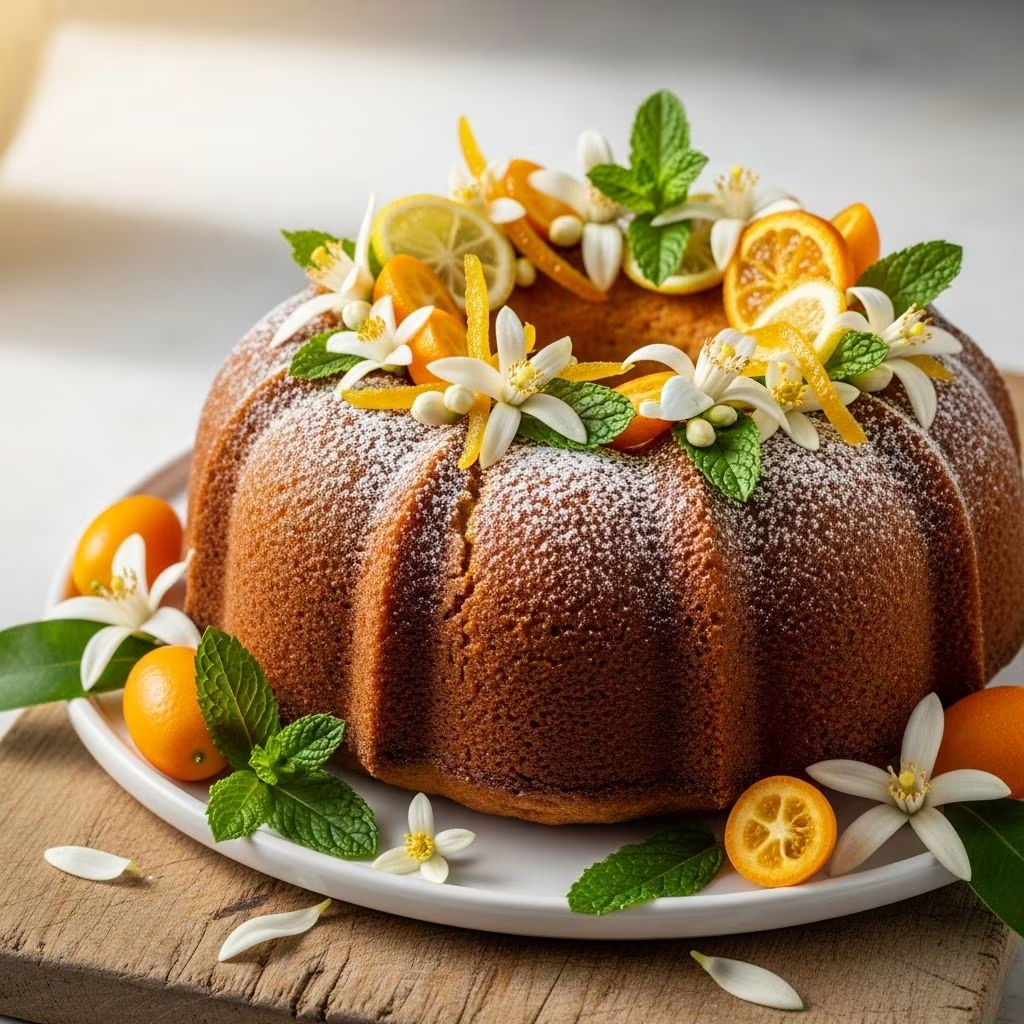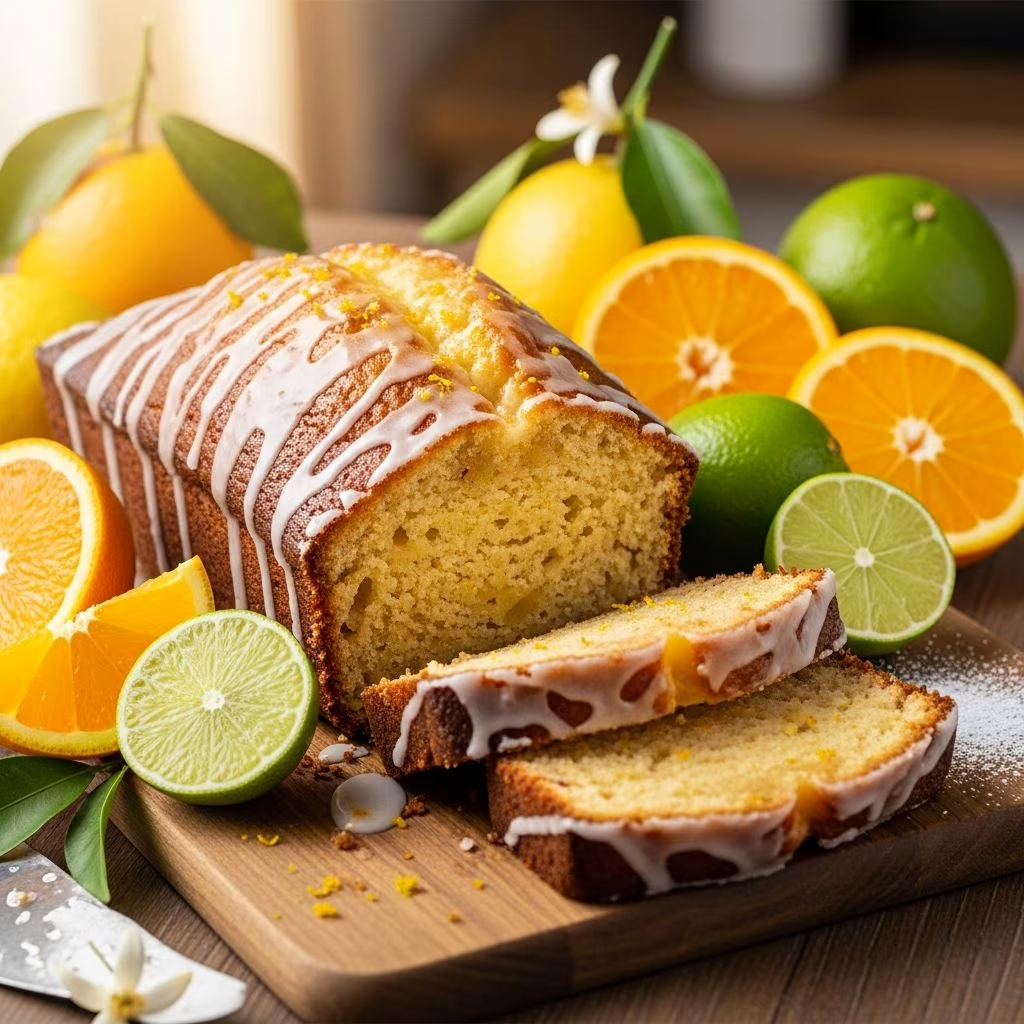
Citrus loaf cakes have become a beloved staple in home baking, offering a refreshing and elegant dessert that brightens any occasion. Whether served with afternoon tea, as a simple weekday treat, or brought to a gathering, these cakes combine simplicity with sophistication. This comprehensive guide explores everything you need to know about creating a perfectly textured, flavor-packed citrus loaf cake in your own kitchen.
Understanding the Fundamentals of Citrus Loaf Cake
A citrus loaf cake represents a category of dense, moist cakes that showcase bright, tangy flavors. Unlike lighter sponge cakes, loaf cakes have a more substantial crumb structure that makes them ideal for transportation and storage. The combination of citrus zest and fresh juice creates a multidimensional flavor profile that isn’t overwhelmingly sweet, making these cakes versatile for various dietary preferences and taste sensibilities.
The appeal of citrus loaf cakes lies in their ability to feel both homemade and refined. They require minimal equipment, straightforward mixing techniques, and readily available ingredients, yet produce results that impress both casual diners and discerning palates. The concentrated citrus flavors become more pronounced as the cake sits, improving over time and making it an excellent choice for advance preparation.
Essential Ingredients for Your Citrus Loaf
Building a successful citrus loaf cake begins with understanding each ingredient’s role in creating the final product. The following components work together to produce a balanced, moist cake with proper structure:
- All-Purpose Flour: Provides the structural foundation for your cake. Most recipes use between 1.5 to 2.25 cups of flour, measured using the dip-and-sweep method for consistency.
- Leavening Agents: Baking powder is the primary rising agent, typically ranging from 1.5 to 2.5 teaspoons. This ensures your cake rises evenly and develops the proper crumb structure.
- Citrus Zest: The colored outer layer of citrus peel delivers intense, concentrated flavor. One to two tablespoons of zest adds fragrant complexity without excess moisture.
- Fresh Citrus Juice: Provides both flavor and acidity, which reacts with baking soda and enhances moisture retention. Fresh juice is vastly superior to bottled alternatives.
- Eggs: Serve multiple functions, including binding ingredients, providing structure through proteins, and creating moisture through fat content. Room-temperature eggs incorporate more evenly into your batter.
- Fat Component: Whether butter, oil, or a combination, this ingredient creates moisture and tenderness. Different fats produce varying results—butter adds richness, while neutral oils create a lighter crumb.
- Dairy Products: Sour cream, yogurt, or a combination adds moisture while creating a tender crumb. These acidic dairy products also react with leavening agents to enhance rise.
- Sugar: Beyond sweetness, sugar affects moisture retention, browning, and texture. Most recipes use between 0.5 to 1.25 cups, adjusted based on personal preference and other ingredients.
- Salt: Enhances overall flavor perception and prevents the cake from tasting one-dimensional or overly sweet.
Preparing Your Workspace and Equipment
Success in baking depends significantly on proper preparation. Before combining any ingredients, gather all necessary tools and prepare your equipment:
- Use a standard 9-by-5-inch or 8.5-by-4.5-inch loaf pan, either metal or glass. Dark pans may require temperature reduction of 25 degrees Fahrenheit to prevent over-browning.
- Line your pan with parchment paper, extending slightly above the edges for easy removal. Alternatively, grease and flour the pan thoroughly.
- Ensure all ingredients are measured and positioned in order of use. This practice, called mise en place, prevents omissions and creates a smooth workflow.
- Position your oven rack in the middle of the oven and preheat to 350 degrees Fahrenheit for approximately 15 minutes before baking begins.
- Gather medium and large mixing bowls, measuring cups and spoons, a whisk, a rubber spatula, a fine-toothed zester or microplane for citrus zest, and a toothpick for testing doneness.
The Mixing Method: Technique Matters
The technique you employ while combining ingredients significantly influences your final cake’s texture and rise. The creaming method, commonly used for citrus loaves, involves specific steps that must be followed for optimal results:
Step One: Creating the Aromatic Base
Begin by placing your granulated sugar in a medium bowl. Using a microplane or fine zester, zest your citrus directly into the sugar. Gently massage or rub the zest into the sugar for several minutes using your fingertips. This process ruptures the zest cells, releasing essential oils and distributing citrus flavor throughout the sugar. The mixture will appear slightly damp and take on a pale citrus color, indicating successful zest incorporation.
Step Two: Incorporating Eggs and Liquids
Add room-temperature eggs to your zest-sugar mixture. Using a whisk, beat these components together for 2-3 minutes until the mixture becomes noticeably lighter in color and increased in volume. This aeration incorporates air bubbles that contribute to the cake’s rise and tender crumb. Once properly beaten, the mixture should hold its shape briefly when the whisk is lifted.
Gradually add your fresh citrus juice, along with any additional liquid components like sour cream or oil. Mix gently until just combined, being careful not to deflate the air bubbles you’ve worked to incorporate.
Step Three: Combining Dry Ingredients
In a separate bowl, whisk together your flour, baking powder, and salt. This pre-mixing distributes the leavening agent evenly throughout the flour, ensuring consistent rise across your entire cake. Whisking also aerates the flour slightly.
Step Four: The Final Combination
Pour your wet ingredient mixture into your dry ingredient bowl. Using a spatula or whisk, fold gently until just combined. Avoid over-mixing, which develops excess gluten and creates a tough, dense cake. You should see small flour streaks disappearing as you fold. Stop mixing as soon as no flour remains visible.
Baking Your Citrus Loaf to Perfection
Proper baking temperature and timing produce the best results. Pour your prepared batter into your lined or prepared pan, smoothing the top gently with a spatula. Some bakers add a thin line of oil or butter down the center of the batter before baking, which helps create the characteristic crack that forms along the top of the finished loaf.
Bake at 350 degrees Fahrenheit for 55-70 minutes, depending on your oven’s characteristics and pan type. The baking time varies based on several factors: darker pans conduct heat more efficiently, producing faster browning; thinner pans bake faster than thicker ones; and oven calibration differences affect actual baking times.
Your cake is done when the top is deep golden brown, a toothpick inserted into the center comes out clean or with only a few moist crumbs, and the cake pulls slightly away from the pan’s edges. The top should feel firm to light pressure, and the cake’s internal temperature should reach 205-210 degrees Fahrenheit on an instant-read thermometer.
Cooling and Storage Considerations
Proper cooling prevents your cake from becoming dry or developing an unpleasant texture. Allow the finished cake to cool in its pan for 15-20 minutes. This resting period allows the structure to set sufficiently for handling. Using the parchment paper overhang, carefully lift the cake from the pan and transfer it to a wire cooling rack.
Allow the cake to cool completely at room temperature before slicing or applying any glaze or topping. Complete cooling typically takes 2-3 hours. This waiting period, while challenging for eager bakers, allows the internal structure to fully set, making slicing cleaner and more even.
Store your finished cake wrapped in plastic wrap or inside an airtight container at room temperature for up to three days. The cake actually improves after 24 hours as flavors meld and the crumb sets into an ideal texture. For extended storage, wrap the cooled, unglazed cake and refrigerate for up to one week, or freeze for up to three months.
Flavor Variations and Creative Additions
| Variation Type | Ingredients to Add | Effect on Flavor |
|---|---|---|
| Spiced Addition | 1 teaspoon ground cinnamon or nutmeg | Adds warmth and complexity |
| Extract Enhancement | 1-2 teaspoons citrus or vanilla extract | Intensifies citrus notes or adds vanilla undertones |
| Textural Element | 1/2 cup chopped pistachios or cranberries | Creates contrast and visual interest |
| Moisture Booster | Substitute half the oil with Greek yogurt | Increases tenderness and tang |
| Glazing Option | Powdered sugar mixed with fresh citrus juice | Adds sweetness and visual polish |
Troubleshooting Common Baking Challenges
Even experienced bakers encounter occasional issues. Understanding common problems helps you diagnose and prevent them in future baking endeavors:
- Dense, Heavy Cake: Usually results from over-mixing the batter, which develops excess gluten. Ensure you fold ingredients together gently and stop mixing immediately when flour disappears. Over-measured flour also contributes to density—use the dip-and-sweep method for accuracy.
- Dry Cake: Indicates overbaking or insufficient fat in the recipe. Insert your toothpick earlier than expected, and consider increasing oil or dairy components slightly in future attempts. Store-bought cakes dry out faster than those with adequate moisture-retaining ingredients.
- Sunken Center: Typically caused by opening the oven door too early, rapid temperature fluctuations, or insufficient baking powder. Avoid opening the oven during the first 40 minutes of baking, and ensure your baking powder is fresh and hasn’t expired.
- Uneven Browning: Results from inconsistent oven temperature or incorrect rack position. Use an oven thermometer to verify your actual temperature, and position your loaf pan on the middle rack for even heat circulation.
- Crumbly Texture: Often indicates insufficient moisture or over-mixing of dry ingredients. Ensure you’re using fresh citrus juice rather than bottled, and consider measuring liquid ingredients by weight for greater accuracy.
Serving Suggestions and Presentation Ideas
Your finished citrus loaf cake offers numerous serving possibilities beyond simple slicing. Consider these presentation ideas to elevate your baked creation:
For afternoon tea service, slice the cake into thin pieces and arrange on a tiered stand with complementary items like clotted cream or lemon curd. A simple powdered sugar dusting adds elegance without overwhelming the delicate citrus flavors. For a more casual presentation, slice larger pieces and serve directly from the pan with coffee or tea.
Individual glazing transforms your loaf into a more sophisticated offering. Drizzle cooled slices with an orange or lemon glaze made from powdered sugar and fresh citrus juice. Garnish with candied citrus peel or a light sprinkle of finely grated zest for visual interest.
Toasting thin slices briefly under the broiler or in a toaster oven creates textural contrast and intensifies flavors, making the cake particularly suitable for morning brunch service alongside fresh fruit and yogurt.
Frequently Asked Questions
- Can I substitute bottled citrus juice for fresh juice?
- While possible, bottled juice produces noticeably less vibrant flavors. The pasteurization process diminishes volatile compounds responsible for fresh citrus fragrance. If forced to use bottled juice, increase the quantity of zest to compensate for reduced intensity.
- How do I know if my baking powder is still active?
- Drop a small amount into warm water. Active baking powder will create visible bubbles. If no reaction occurs, your baking powder has likely expired and should be replaced.
- Should I use salted or unsalted butter?
- Either works, though unsalted butter gives you greater control over the final salt content. If using salted butter, reduce or omit the salt from your recipe accordingly.
- Can this recipe be made gluten-free?
- Yes, substituting all-purpose flour with a high-quality gluten-free blend works well. You may need to increase liquid slightly as gluten-free flours absorb moisture differently. Start with an additional tablespoon of citrus juice and adjust as needed.
- How far in advance can I prepare this cake?
- The cake improves after 24 hours as flavors develop and the crumb texture matures. Prepare it 1-2 days before serving for optimal flavor. Properly stored cakes remain fresh for up to three days at room temperature.
References
- The Science of Baking — American Association of Cereal Chemists. 2023. Professional baking science documentation covering mixing methods, ingredient functions, and chemical reactions in cake baking.
- Food Science and the Culinary Arts — Institute of Culinary Education. 2024. Educational resource on ingredient interactions and baking technique principles.
- Citrus Juice and Zest in Baking Applications — University of California Agriculture and Natural Resources. 2022-2024. Research on citrus component retention and flavor development in baked goods.