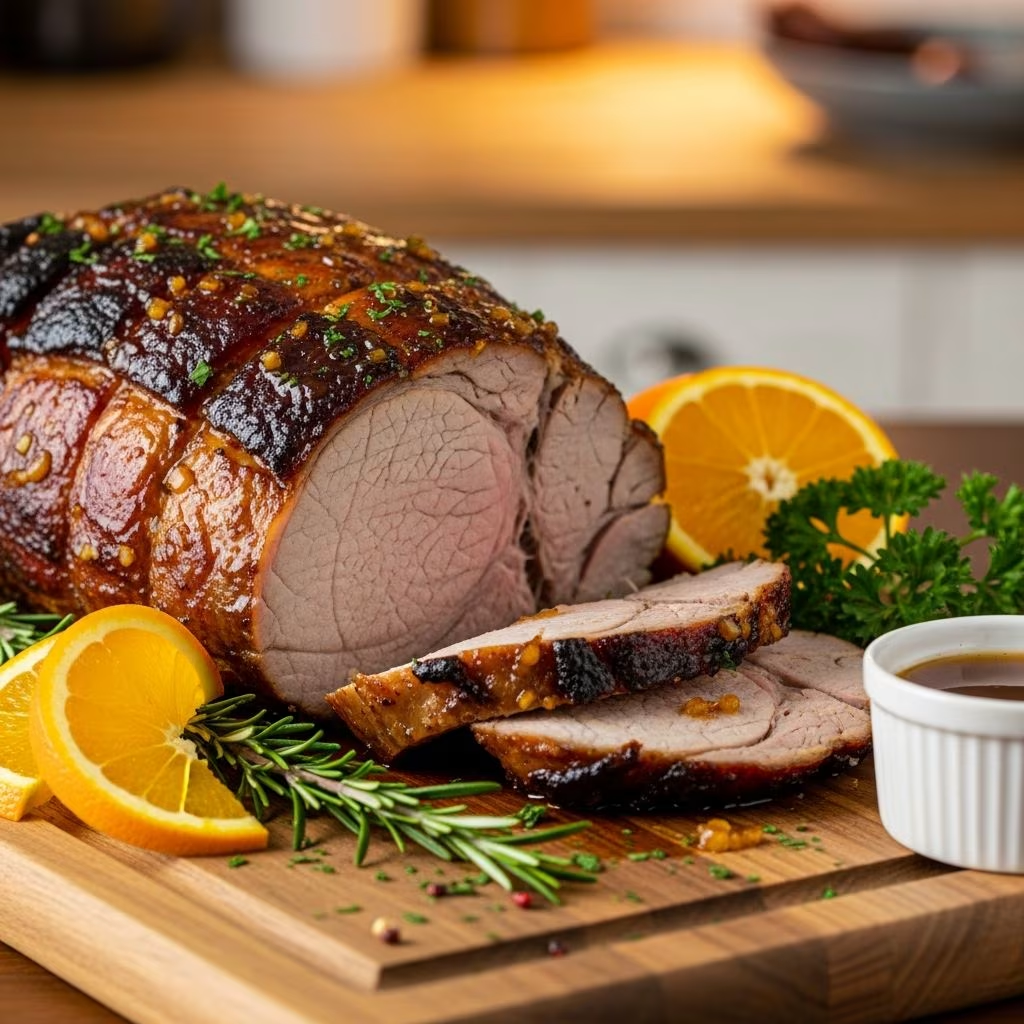
Few dishes offer the combination of elegance and simplicity that a well-executed citrus-glazed pork roast provides. This classic preparation transforms a straightforward cut of meat into an impressive centerpiece that impresses dinner guests while remaining manageable for home cooks of varying skill levels. The magic lies in the interplay between the natural sweetness of pork and the bright, tangy notes of citrus, enhanced by warming spices that add depth and complexity to each bite.
Understanding Your Pork Options
The foundation of any successful roast begins with selecting the right cut of meat. When preparing a citrus-glazed version, several pork cuts work exceptionally well, each with distinct characteristics that influence both cooking time and final texture.
Pork loin stands as the most popular choice for this preparation. This lean, tender cut comes from the back of the pig and typically weighs between 4 to 5 pounds in a standard roast form. Its mild flavor serves as an ideal canvas for bold citrus glazes, and its relatively uniform shape ensures even cooking throughout. The fat marbling in pork loin is minimal compared to fattier cuts, making it suitable for those seeking a leaner protein option without sacrificing tenderness.
Pork tenderloin offers a more refined alternative for smaller gatherings or intimate dinners. This premium cut, also known as pork fillet, weighs approximately 1 to 2 pounds and features an incredibly tender texture due to its minimal connective tissue. Its compact size makes it ideal for precise temperature control and shorter cooking times, typically requiring 20 to 30 minutes at higher oven temperatures. This cut particularly benefits from flavor infusions through marinades and surface rubs before glazing.
Sirloin roast provides another viable option that falls between loin and tenderloin in terms of tenderness and flavor intensity. This cut contains slightly more marbling than loin, contributing to enhanced juiciness when properly cooked. Sirloin roasts work particularly well for those preferring a more robust pork flavor that stands up to assertive citrus and spice profiles.
Crafting the Perfect Spice Rub Foundation
Before any glaze touches the meat, establishing a flavorful foundation through a dry rub ensures complexity builds from the surface inward. The rub serves multiple purposes: it seasons the exterior, creates a textured crust during roasting, and provides flavor compounds that integrate with pan juices.
A foundational rub typically combines salt, fresh cracked pepper, and aromatic powders. Salt penetrates the meat when applied well in advance, allowing proteins to absorb moisture and enhance juiciness through a process called dry brining. The standard ratio begins with 1.5 teaspoons of kosher salt per pound of meat, adjusted based on personal preference and the salt content in other recipe components.
Aromatic additions create dimensional flavor profiles that complement citrus notes without overpowering them. Paprika contributes subtle smokiness and warm color to the roast’s exterior. Garlic powder adds savory depth without the moisture that fresh garlic brings, preventing the rub from becoming pasty. Ground ginger echoes the citrus’s brightness while introducing warming spice characteristics that enhance perception of sweetness. Coriander seed powder offers delicate citrus notes that naturally harmonize with orange juice glaze ingredients.
Optional refinements might include cinnamon for subtle sweetness, dried thyme for earthy herbaceous notes, or a pinch of cayenne for those preferring mild heat. These additions should be measured carefully to support rather than dominate the primary citrus-forward profile.
The Citrus Glaze: Balancing Sweet and Tangy Elements
The glaze represents the signature element that distinguishes this preparation. A successful citrus glaze balances multiple flavor dimensions: the brightness of acid, the richness of sweetness, and the warmth of complementary spices.
Orange juice serves as the liquid foundation, providing natural acidity and distinctive citrus character. Fresh-squeezed juice offers superior flavor compared to bottled alternatives, though frozen concentrate provides acceptable results when fresh fruit is unavailable. One half to one cup of juice typically provides the base for glazes intended for 4 to 5-pound roasts. The juice requires reduction through simmering, a process that concentrates sugars and intensifies orange flavor while reducing its acidic bite.
Brown sugar or alternative sweeteners contribute essential balance to citrus acidity. Light brown sugar dissolves readily into liquid bases and adds subtle molasses notes that enhance depth. Maple syrup offers more complex sweetness with hint of woody undertones, while honey brings floral notes and superior glazing properties due to its thickening capacity. The typical ratio ranges from 2 to 4 tablespoons per cup of juice, adjusted based on desired sweetness and the acidity level of specific juice batches.
Complementary spice elements in glazes might include ground cloves for warming spice, star anise for licorice undertones, fresh rosemary for herbaceous structure, or mustard for tangy complexity. These ingredients infuse during the simmering process, their volatile compounds distributing throughout the liquid while flavors meld and marry.
Finishing additions include butter for richness and silky mouthfeel, and orange zest for intensified citrus aroma and visual appeal. Adding these ingredients at the final stages of glaze preparation preserves their delicate characteristics while ensuring proper incorporation.
Preparation Techniques: Building Flavor Before Cooking
Strategic preparation before roasting establishes flavor foundations that permeate the finished dish. Two approaches offer distinct advantages depending on available time and desired intensity.
Dry brining represents the most fundamental preparation step. Applying the spice rub 8 to 24 hours before cooking allows salt to penetrate muscle fibers, gradually dissolving and creating a brine that seasons the meat internally while improving moisture retention. This advance preparation proves particularly valuable for leaner cuts like pork tenderloin that benefit from extended seasoning time.
Marinating incorporates liquid elements into the preparation process. Combining orange juice with spice rub components and aromatics like garlic and fresh herbs creates a flavorful liquid that infuses the meat exterior and begins breaking down surface proteins. Marinating times of 4 to 8 hours produce noticeable flavor development without risking flavor overload or texture degradation that extended marinades might cause.
Room temperature resting before cooking proves essential for even heat distribution. Removing the roast from refrigeration 1 to 2 hours before cooking allows the meat to approach room temperature, ensuring that the interior reaches target doneness at approximately the same time as the exterior develops proper browning.
Roasting Methodology and Temperature Control
Successful roasting depends on maintaining appropriate oven temperatures and monitoring internal doneness through proper thermometer placement.
Initial searing develops the Maillard reaction, creating flavorful browned exteriors through high-heat exposure. Heating the roasting pan over stovetop burners until oil shimmers, then searing the meat on all sides for 2 to 3 minutes per surface, creates a protective crust that enhances both flavor and appearance. This step proves optional but recommended for deeper final flavor profiles.
Primary roasting temperature typically ranges from 325°F to 375°F depending on desired cooking pace and meat thickness. Lower temperatures around 325°F require approximately 35 minutes per pound, producing gentler heat that minimizes moisture loss in leaner cuts. Higher temperatures around 375°F reduce cooking time to roughly 20 to 25 minutes per pound, beneficial for smaller cuts like tenderloin that benefit from quicker cooking.
Thermometer placement proves critical for accuracy. The thermometer should insert into the thickest portion of meat without touching bone, which conducts heat and produces artificially high readings. Target doneness for pork reaches 145°F internal temperature, as recommended by food safety authorities. This temperature ensures food safety while maintaining the slight pink blush in the meat center that indicates optimum juiciness and tenderness.
Glazing Applications During Roasting
Timing the glaze application requires strategic planning to achieve both flavor infusion and attractive exterior coating.
Begin preparing the glaze approximately midway through the roasting process. Combine orange juice, sweetener, and spice components in a small saucepan and bring to a gentle simmer. Allow the mixture to bubble slowly for 15 to 30 minutes, concentrating flavors and thickening the consistency as water evaporates. The glaze should coat a spoon lightly when ready for application, indicating proper reduction.
Apply the glaze beginning when the roast reaches approximately 120°F internal temperature, typically during the final 20 to 30 minutes of cooking. Using a pastry brush or silicone basting brush, coat the roast thoroughly with glaze, allowing excess to drip back into the pan. Repeat this application at 10-minute intervals, building up layers of flavor that eventually caramelize and create an attractive glossy finish.
Resting and Serving Procedures
Proper resting after cooking proves as important as the cooking process itself. Removing the roast from the oven when the thermometer reads 140°F (accounting for carryover cooking as residual heat continues raising the internal temperature) and allowing 10 to 15 minutes of rest before slicing allows muscle fibers to relax and reabsorb redistributed juices.
During this resting period, prepare the pan sauce by pouring remaining glaze into the roasting pan and stirring over medium heat to incorporate browned bits and pork drippings. Additional orange juice or broth may be added to achieve desired sauce consistency. This sauce becomes the finishing touch, drizzled over sliced meat just before serving.
Complementary Side Dishes and Wine Pairings
The bright citrus flavors of this roast pair beautifully with sides that either echo or contrast its flavor profile. Roasted root vegetables like Yukon Gold potatoes, Brussels sprouts, and green beans roast alongside the meat in the same pan, absorbing pan juices and complementing the citrus-forward main course. Alternatively, simple grain preparations like wild rice pilaf or couscous provide textural contrast while remaining neutral enough to let the glazed pork remain the flavor focus.
Wine pairings deserve consideration for special occasions. Pinot Noir offers elegant complexity that complements pork’s natural richness while its moderate tannins won’t overwhelm the citrus glaze elements. Alternatively, unoaked Chardonnay or Sauvignon Blanc echo the citrus notes while their acidity cleanses the palate between bites.
Troubleshooting Common Challenges
Dry meat texture typically results from overcooking beyond the recommended 145°F internal temperature. Reducing oven temperature or covering the roast with foil during initial cooking stages helps prevent premature exterior drying before the interior reaches doneness. Conversely, underestimating roasting time leaves meat with an unappealing gray appearance and dense texture.
Uneven cooking often stems from inadequate room temperature resting before cooking or inconsistent oven temperature. Investing in an oven thermometer and allowing proper preheating addresses these issues. Additionally, rotating the roasting pan halfway through cooking compensates for hot spots common in many residential ovens.
Glaze burning occurs when glaze applies too early or oven temperature runs too high. Beginning glaze application during the final third of cooking and reducing oven temperature if glaze appears excessively dark prevents this issue while still achieving desirable caramelization.
Storage and Make-Ahead Strategies
Prepared citrus-glazed pork roast stores well when properly handled. Leftover cooked roast keeps refrigerated for up to four days when wrapped tightly and separated from its pan sauce. The meat reheats gently in a low oven with a small amount of reserved glaze, preventing drying while warming through. Freezing cooked roast remains possible for up to three months, though quality gradually declines during extended frozen storage.
The spice rub can be prepared several days in advance and stored in an airtight container, allowing you to apply it 24 hours before cooking without last-minute preparation. Similarly, the glaze components may be measured and held ready until needed, streamlining day-of cooking procedures.
Frequently Asked Questions
Can I use fresh citrus fruits other than oranges?
Lemon juice provides sharper acidity and works well when combined with some orange juice for balanced brightness. Grapefruit contributes distinctive bitter undertones that some find appealing. Clementine or tangerine juice offers sweeter alternatives to standard oranges. Experiment with combinations to develop personal preferences.
What is the minimum roasting time needed?
Roasting times depend on meat thickness, oven temperature, and starting temperature. Tenderloin roasts typically complete in 20 to 30 minutes at 375°F, while traditional loins require 90 minutes to 2.5 hours at 325°F. Always use a thermometer rather than relying on time estimates alone.
How do I prevent the glaze from becoming too dark?
Monitor glaze color throughout cooking and reduce oven temperature if excessive browning appears inevitable. Alternatively, apply glaze during only the final 15 to 20 minutes rather than throughout the entire roasting process.
Can this recipe work with pork chops?
Individual thick-cut pork chops (1.5 to 2 inches) can be treated similarly to tenderloin roasts, requiring 15 to 20 minutes roasting at 375°F. Apply glaze during the final 5 to 10 minutes. Thinner chops work better pan-seared rather than roasted.
References
- Orange Glazed Pork Roast — The Charmed Kitchen. 2014-03-26. https://thecharmedkitchen.com/2014/03/26/orange-glazed-pork-roast/
- Oven Roasted Pork Tenderloin With Orange Glaze — Cooked & Loved. https://www.cookedandloved.com/recipes/roast-pork-tenderloin-with-orange-maple-glaze/
- Orange Glazed Pork Loin Recipe — I See Spain. https://www.iseespain.com/orange-glazed-pork-loin/
- Rosemary Orange Glazed Roasted Pork Tenderloin — Oh Sweet Basil. https://ohsweetbasil.com/rosemary-orange-glazed-roasted-pork-loin-recipe/
- Slow Roasted Pork with Glazed Orange Slices — The Splendid Table. 2011-11-02. https://www.splendidtable.org/story/2011/11/02/slow-roasted-pork-with-glazed-orange-slices
- Roasted Pork with Maple-Orange Glaze — How2Heroes. https://www.youtube.com/watch?v=2qqPCfMkF64
- Orange-Glazed Roasted Pork Loin and Pinot Noir — Lekker Weskus. https://cluver.com/orange-glazed-roasted-pork-loin-and-pinot-noir/