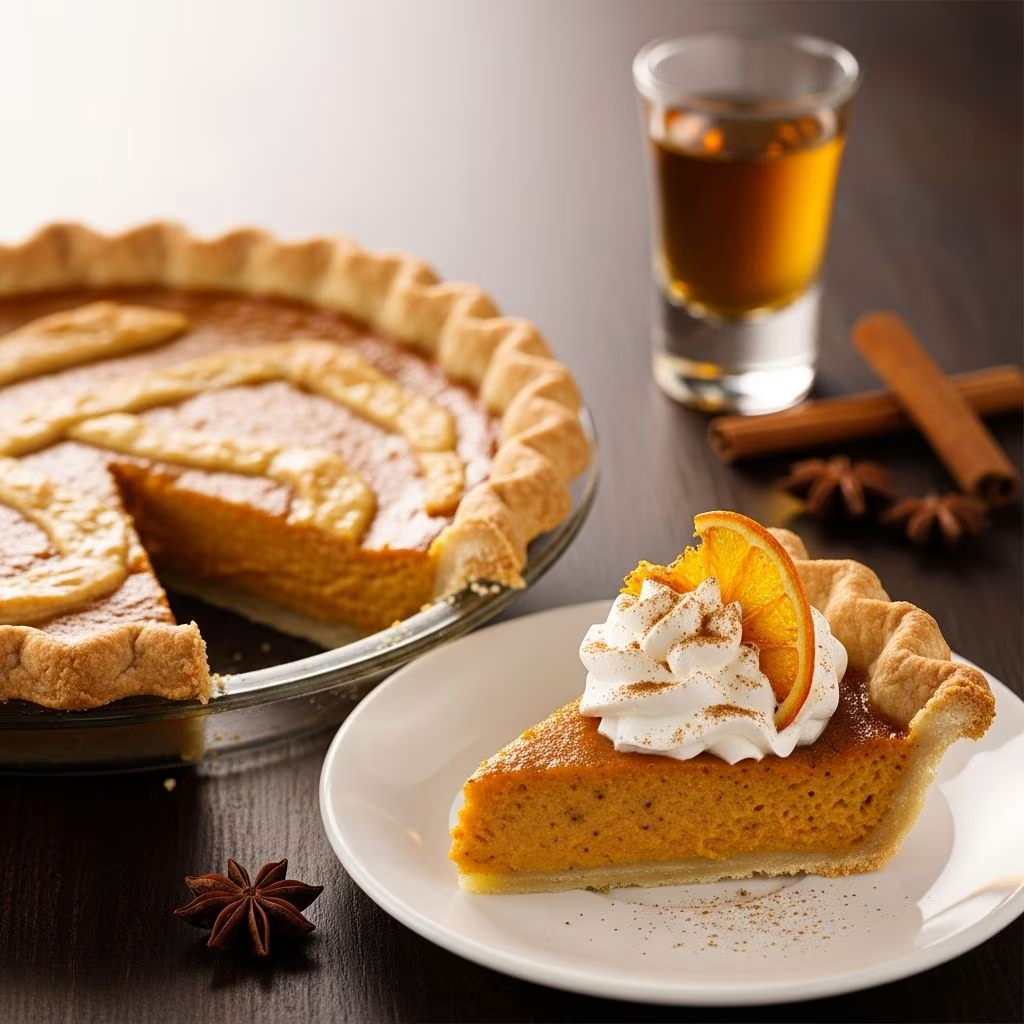
Pumpkin pie represents one of autumn’s most cherished desserts, a staple that appears on tables throughout the fall and holiday seasons. However, contemporary bakers and home cooks have begun reimagining this traditional favorite by introducing unexpected ingredients that enhance its warm, nostalgic profile. The integration of cinnamon-flavored whiskey into pumpkin pie represents a clever evolution, transforming a familiar comfort dessert into something sophisticated and memorable. This approach maintains the genuine essence of traditional pumpkin pie while delivering an adult-oriented twist that appeals to those seeking flavors beyond the conventional.
Understanding the Flavor Foundation
The foundation of any exceptional pumpkin pie begins with comprehending how its component flavors work in harmony. Traditional pumpkin pie derives its character from the interplay between the subtle earthiness of pumpkin, the warm embrace of cinnamon, and the complementary notes of nutmeg and cloves. These spices have been paired with pumpkin for generations because they naturally complement one another, each bringing distinct aromatic qualities to the final dessert.
When cinnamon whiskey enters this equation, it doesn’t overshadow these established relationships. Instead, it amplifies the existing spice profile while introducing a complexity that encourages more thoughtful enjoyment. The whiskey itself carries cinnamon notes that echo the pie’s primary spicing, creating a cohesive flavor story rather than introducing jarring contradictions. This synergy explains why this particular spirit has become increasingly popular in autumn dessert preparations.
Essential Ingredients and Their Purposes
The Pumpkin Base
Quality pumpkin puree serves as the structural foundation for this dessert. Unlike fresh pumpkin, which requires significant preparation and can yield inconsistent results, canned pure pumpkin puree provides reliable texture and flavor. This ingredient contributes the pie’s characteristic earthiness while delivering the moisture necessary for achieving the proper custard consistency. The pumpkin itself brings minimal sweetness, which is why sugar becomes a crucial component in achieving the desired taste profile.
Dairy Components
The choice between evaporated milk, heavy cream, and fresh milk significantly influences the pie’s final texture and richness. Evaporated milk, which has approximately fifty percent of its water content removed, creates a denser filling with pronounced creaminess. Heavy cream contributes additional fat content, resulting in a luxurious mouthfeel that distinguishes premium versions from basic recipes. Some bakers prefer combinations of these dairy options, as the interaction between different fat contents and milk solids produces superior results compared to relying on a single dairy source.
The Spice Ensemble
Beyond cinnamon, traditional pumpkin pie spice blends typically include ginger, cloves, and nutmeg. These ingredients work synergistically to create warmth and depth on the palate. Ginger provides subtle heat and brightness, cloves deliver a slightly astringent earthiness, and nutmeg rounds out the profile with warm sweetness. The proportions matter considerably—too much of any single spice overwhelms the others, while balanced ratios create harmony. Some recipes include allspice, which combines undertones of cinnamon, nutmeg, and clove in a single ingredient.
The Whiskey Component
Cinnamon-flavored whiskey introduces alcohol and distinctive flavor compounds to the filling. During the baking process, much of the alcohol content evaporates, leaving behind concentrated flavor and subtle warmth. The amount used dramatically affects the final taste—too little produces an imperceptible contribution, while excessive quantities can result in harsh, unbalanced flavors. Most successful recipes employ between three to four tablespoons, a quantity that provides noticeable character without compromising the pie’s fundamental identity as a pumpkin dessert.
Preparation Fundamentals
Crust Selection and Preparation
The pie crust serves both practical and culinary functions. Structurally, it contains the filling during baking and provides the vehicle for consumption. Culinarily, it contributes buttery flavor and textural contrast to the creamy filling. Many contemporary recipes call for store-bought pie crusts, which eliminate the complexity of dough preparation while maintaining adequate quality. However, those preferring homemade crusts should focus on achieving proper lamination—the development of thin layers of butter distributed throughout the dough—which creates flakiness when baked.
Regardless of crust source, pre-baking or partial-baking before adding the filling prevents sogginess. This technique, known as blind baking, involves lining the crust with parchment paper and filling it with dried beans or pie weights, then baking at moderate temperature until the crust achieves light golden coloring. This step requires approximately twelve to fifteen minutes and ensures the crust remains crisp rather than becoming soggy from the moisture-rich filling.
Filling Preparation Process
Creating the filling demands attention to ingredient incorporation order and mixing technique. Beginning by whisking eggs separately ensures they incorporate fully without creating lumps. Adding pumpkin puree to the eggs establishes a smooth base, preventing clumping that occurs when pumpkin contacts cooler liquids directly. Sugar and spices dissolve more readily into the eggs and pumpkin combination, creating an even distribution before dairy components enter.
Introducing dairy products—whether evaporated milk, heavy cream, or combinations thereof—should proceed gradually to maintain mixture consistency. This phased approach prevents overworking the batter, which can incorporate excessive air and create unwanted sponginess. The final addition of cinnamon whiskey should be stirred in gently to avoid volatilizing alcohol compounds through vigorous mixing.
Baking Process and Temperature Considerations
Pumpkin pie baking involves two distinct temperature phases that serve different purposes. The initial high-temperature bake—typically four hundred to four hundred twenty-five degrees Fahrenheit—sets the edges and creates the custard structure. This phase usually lasts fifteen minutes and establishes visible browning on the crust edges. The subsequent temperature reduction to three hundred fifty degrees Fahrenheit allows the center to cook through without overcooking the exterior. This gentler approach typically requires forty to forty-five additional minutes.
Determining doneness requires observation rather than relying solely on time estimates. The pie reaches proper doneness when the edges appear set and slightly puffed while the center still jiggles slightly when gently shaken. A toothpick or knife inserted approximately one inch from the center should emerge mostly clean, with only a few moist crumbs clinging to it. Overbaking results in cracks on the surface and grainy texture from excessive protein coagulation.
Cooling and Serving Strategies
Post-baking cooling dramatically affects the pie’s final texture and flavor development. Cooling at room temperature for several hours allows the custard structure to set completely while flavors meld and develop. Some recipes recommend refrigerating for at least three hours before serving, as cold temperatures enhance spice perception and create a firmer texture that slices cleanly. This chilled state also allows the whiskey’s warming sensation to emerge more prominently against the cold filling.
Serving temperature influences how flavors express themselves on the palate. Completely chilled pie emphasizes spice and cinnamon notes while downplaying sweetness. Room temperature or slightly warmed pie allows butteriness to emerge more prominently while making alcohol warmth more noticeable. Some prefer serving chilled slices, while others enjoy reheating individual portions briefly before consumption.
Ingredient Variations and Customization
| Component | Traditional Option | Alternative Approach | Flavor Impact |
|---|---|---|---|
| Sweetener | Granulated and brown sugar | Maple syrup or honey | Adds deeper, more complex sweetness |
| Dairy Base | Evaporated milk | Heavy cream with milk combination | Creates richer, silkier texture |
| Spice Profile | Standard pumpkin pie spice | Individual spices adjusted to preference | Allows customization of warmth and intensity |
| Crust | Store-bought pastry | Homemade from scratch | Enhanced buttery flavor and control |
| Whiskey Type | Cinnamon-flavored whiskey | Bourbon or rye whiskey | Shifts from sweet-spicy to dry-spicy |
Complementary Toppings and Pairings
While pumpkin pie can stand alone, thoughtful topping selections enhance the overall experience. Whipped cream serves as a classic accompaniment, providing cool creaminess that contrasts the warm filling. Incorporating a tablespoon of cinnamon whiskey into the whipped cream creates textural and flavor continuity that reinforces the dessert’s cohesive identity.
Candied spices—cinnamon sticks, ginger pieces, or clove-studded orange slices—provide sophisticated visual presentation while adding concentrated flavor bursts. Toasted nuts, particularly pecans or walnuts, introduce textural contrast and subtle bitter notes that balance sweetness. Caramel drizzle contributes additional depth without overshadowing the pumpkin spice foundation.
Frequently Asked Questions
Can this pie be prepared in advance?
Yes, spiced whiskey pumpkin pie actually benefits from advance preparation. The custard sets more completely when allowed to rest overnight, creating superior slicing. The pie maintains quality refrigerated for up to four days and can be frozen for up to one month when properly wrapped. However, freezing may slightly alter texture, making it marginally less creamy than fresh preparation.
How much whiskey contributes to the alcohol content of the finished pie?
Baking eliminates most alcohol, though trace amounts remain. A single slice contains negligible alcohol content—typically less than one-tenth of one percent by volume—making it suitable for nearly all audiences. However, those strictly avoiding alcohol should know that minimal spirits remain, even after extended baking.
What adjustments work for individuals with dairy sensitivities?
Coconut cream, oat milk, or cashew cream can replace traditional dairy options while maintaining creamy texture. Non-dairy alternatives may require slight adjustment to baking time, as they sometimes set differently than conventional dairy products. Testing with small adjustments proves wise before preparing for significant gatherings.
How does this recipe differ from traditional pumpkin pie?
The primary distinction involves the whiskey addition and typically the increased spice intensity. Otherwise, the fundamental preparation methods, baking temperatures, and general composition closely resemble conventional pumpkin pie, making this variation accessible to those familiar with traditional recipes.
Storage and Make-Ahead Considerations
Proper storage extends the enjoyment window considerably. Refrigeration in airtight containers maintains quality for three to four days, though flavor remains good for up to five days. The spices actually intensify slightly during storage as flavors meld more completely, making a day-old pie superior to one consumed immediately after baking.
Freezing works well when the pie is completely cooled and wrapped tightly in plastic wrap, then placed in freezer containers to prevent freezer burn. Thawing should occur in the refrigerator overnight, allowing gradual temperature adjustment that prevents condensation and texture degradation. Thawed pie maintains excellent quality for consumption up to one month after freezing.
Serving Suggestions for Gatherings
This sophisticated dessert suits various occasions beyond traditional Thanksgiving presentations. Autumn dinner parties benefit from individual slices plated with whipped cream and elegant garnishes. Holiday gatherings appreciate a whole pie’s impressive presentation, while casual Friendsgiving events embrace the approachable nature of a dessert that bridges traditional and contemporary preferences.
Pairing this pie with beverages enhances the overall experience. Hot spiced cider complements the cinnamon notes while providing familiar comfort. Coffee or espresso pairs beautifully, as the bitterness balances the filling’s sweetness. For those continuing with alcohol, the same cinnamon whiskey used in baking or related spirits create harmonious accompaniment.
References
- Pumpkin Pie Spice Uses and Flavor Profile — The Culinary Institute of America. 2023-06-15. https://www.ciachef.edu/
- Custard Pie Baking Science and Temperature Control — University of Nebraska-Lincoln Food Science Department. 2024-02-20. https://food.unl.edu/
- Evaporated Milk Composition and Culinary Applications — U.S. Food and Drug Administration. 2023-01-10. https://www.fda.gov/
- Alcohol Evaporation During Baking Processes — Journal of Food Science and Technology. 2022-09-12. https://link.springer.com/journal/13197
- Pie Crust Blind Baking Techniques — King Arthur Baking Company Educational Resources. 2024-03-05. https://www.kingarthurbaking.com/