Warm, tender apples infused with aromatic cinnamon represent one of the most comforting and versatile desserts across many culinary traditions. This classic preparation combines minimal ingredients with straightforward cooking methods, making it accessible to cooks of all skill levels. Whether you’re seeking a wholesome treat for a family gathering, a healthy alternative to heavier desserts, or a nostalgic reminder of simpler times, cinnamon baked apples deliver consistent satisfaction with every serving.
The Appeal and Versatility of Oven-Baked Apples
Baked apples have maintained their popularity for generations due to their inherent simplicity and adaptability. The gentle heat of the oven transforms firm, crisp apples into soft, yielding fruit while developing natural sweetness and concentrating flavors. Unlike many desserts requiring precision and technique, baked apples forgive minor variations in ingredient proportions and cooking times. This forgiving nature makes them an ideal choice for both experienced bakers and kitchen novices.
The versatility of this dish extends beyond basic preparation methods. Cinnamon serves as the foundational spice, but complementary flavors like nutmeg, ginger, and allspice can enhance the overall profile. Some versions incorporate brown sugar for depth, while others rely on the apples’ natural sugars. This flexibility allows creative cooks to develop signature variations that suit individual preferences and dietary requirements.
Essential Ingredients and Selection Guide
Creating exceptional cinnamon baked apples begins with understanding ingredient selection and quantity considerations. The foundation of any successful recipe rests on choosing appropriate apple varieties that maintain structure during baking while offering desirable sweetness and tartness balance.
Apple Varieties and Quantities
Medium to large apples work best for baking purposes, as they provide sufficient flesh to support filling ingredients while baking evenly throughout. Most recipes accommodate four to seven apples depending on serving size requirements and baking dish dimensions. Combining apple varieties produces interesting flavor complexity: tart Granny Smith apples provide acidic backbone and structural integrity, while sweeter varieties like Honeycrisp or Gala contribute natural sweetness and subtle fruity undertones.
Primary Flavoring Components
- Ground Cinnamon: Ranging from one teaspoon to two teaspoons per recipe, cinnamon delivers the signature warming spice that defines the dish. Quality matters significantly—fresh, fragrant cinnamon produces noticeably superior results compared to older pantry staples.
- Brown Sugar: Contributing moisture, caramelization, and subtle molasses notes, brown sugar typically measures between one-quarter and one-half cup. This ingredient dissolves partially during baking, creating aromatic syrup that coats and flavors the apples.
- Butter: Two to four tablespoons of melted or cubed butter enriches the apples and assists in developing caramelized edges. Some recipes substitute coconut oil for lighter texture or dairy-free requirements.
- Lemon Juice: Often overlooked, one to two tablespoons of fresh lemon juice brightens the overall flavor profile and prevents oxidation, preserving the apples’ appealing appearance.
Optional Enhancement Ingredients
Many variations incorporate secondary spices including nutmeg, ground ginger, or cardamom for complexity. Cornstarch or arrowroot powder (approximately one to two teaspoons) thickens the cooking liquid, creating velvety syrup. Some recipes include nuts, dried fruit, or granola for textural contrast. Water or apple juice (typically one-quarter to one-half cup) generates steam and prevents sticking during extended baking periods.
Preparation Techniques and Methods
Traditional Oven Method
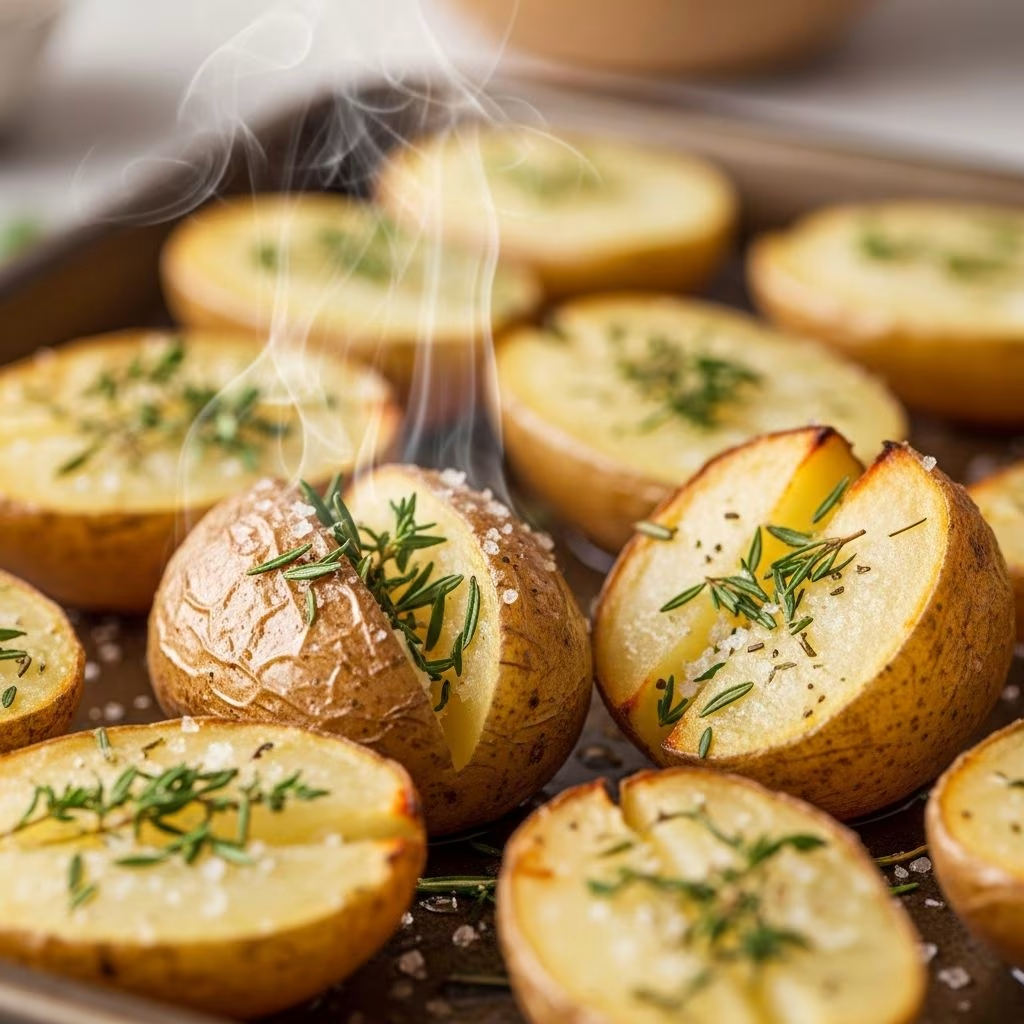
The conventional oven approach remains the most popular preparation technique due to consistent, reliable results. Begin by preheating your oven to temperatures ranging from 350°F to 400°F, depending on desired cooking speed and caramelization intensity. Lower temperatures (350°F) require extended baking of thirty-five to forty-five minutes, allowing gradual softening and gentle flavor development. Higher temperatures (400°F) reduce cooking time to twenty-five to thirty minutes while promoting more pronounced browning.
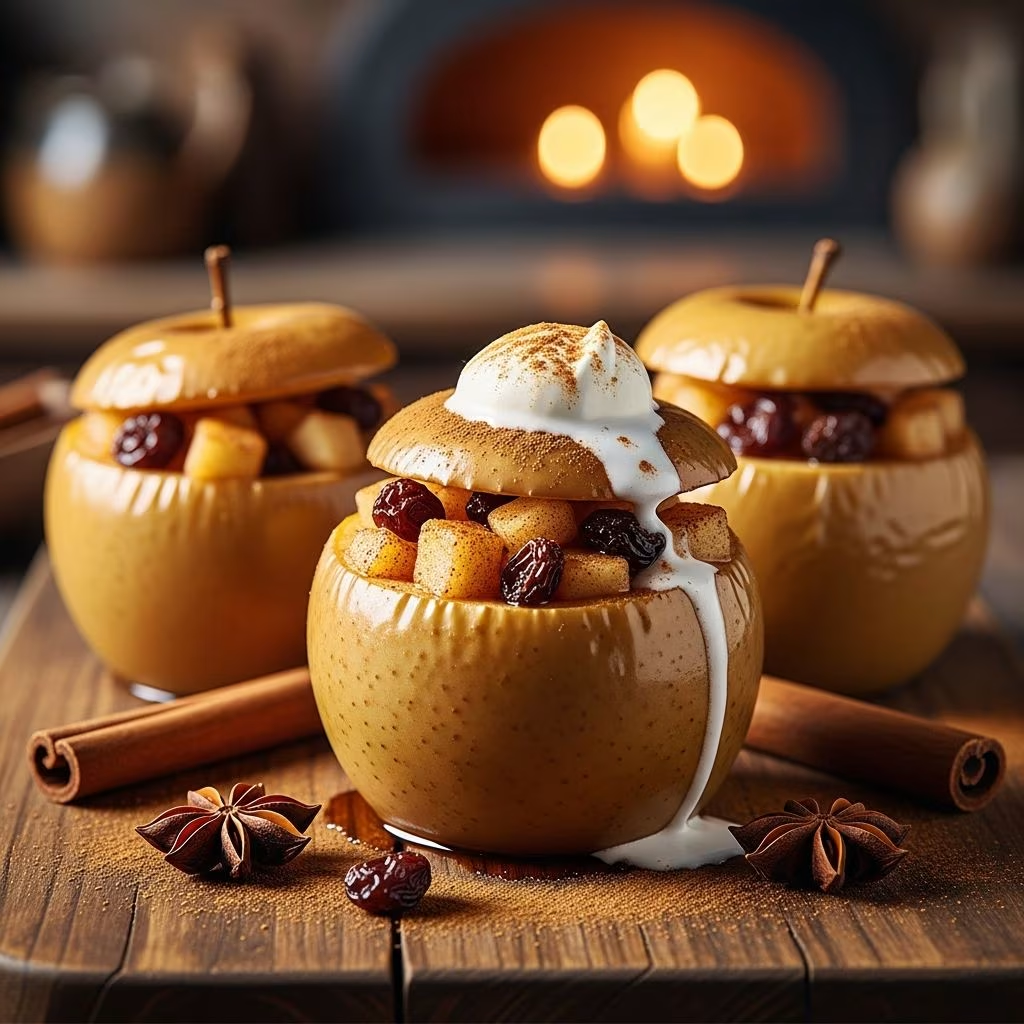
Prepare apples by washing thoroughly and removing stems. Choose between three preparation styles: leaving apples whole with cored centers for filling, slicing apples into three-quarter-inch thick rings, or cutting into chunks. Each method offers distinct advantages—whole apples present elegantly and contain filling securely, while sliced or chunked apples cook more uniformly and mix easily with other ingredients.
Combine flavoring ingredients in a separate bowl before application. Mix melted butter or oil with cinnamon, brown sugar, and any additional spices until fully incorporated. Place prepared apples in a baking dish (typically eight-by-six inches or nine-by-thirteen inches depending on quantity), distribute the cinnamon mixture evenly across all pieces, and toss gently to ensure thorough coating.
Cover the baking dish with aluminum foil to trap moisture and prevent excessive surface drying. Bake for the recommended time, stirring occasionally if using chunked or sliced apples to promote even cooking and flavor distribution. The apples are finished when a fork pierces the flesh with minimal resistance, indicating complete tenderness. Remove from heat and allow five to ten minutes resting time before serving, permitting the apples to settle and the cooking juices to distribute throughout the dish.
Alternative Slow-Cooking Method
For those preferring hands-off cooking, slow cookers or crockpots produce equally tender results with extended, gentle heat application. Slice prepared apples into uniform thickness, combine with lemon juice, cinnamon, and water in the crockpot, and cook on low heat for four hours or high heat for approximately two hours. This method suits advance preparation and maintains consistent serving temperatures throughout entertaining periods.
Flavor Variations and Creative Adaptations
While traditional cinnamon preparations provide timeless satisfaction, numerous variations accommodate diverse tastes and dietary preferences. Incorporating ground ginger (one-quarter to one-half teaspoon) adds warming spice complexity, while nutmeg (one-quarter teaspoon) contributes earthy undertones. Cardamom introduces slightly floral characteristics appreciated by adventurous palates.
Sugar alternatives expand accessibility for different dietary requirements. Coconut sugar delivers subtle caramel notes while maintaining similar sweetness profiles to brown sugar. Maple syrup adds distinctive earthy sweetness, while honey introduces floral complexity. Stevia provides sweetness without caloric content for those monitoring sugar consumption. Using apple juice instead of water reinforces natural fruit flavors without additional sweetening.
Texture enhancements transform simple baked apples into more substantial desserts. Granola clusters, chopped nuts, or oat mixtures scattered across the surface provide pleasant crunch contrasting soft apple flesh. Dried cranberries, raisins, or currants add chewy texture and tart brightness. Some recipes develop streusel-style toppings combining oats, flour, brown sugar, and butter, resembling apple crisp preparations.
Serving Suggestions and Complementary Accompaniments
Presentation and serving context significantly influence the overall dining experience. Vanilla ice cream remains the classic accompaniment, with the cold creaminess providing textural and temperature contrast against warm, soft apples. However, numerous alternatives deserve consideration:
| Accompaniment | Flavor Profile | Best Use |
|---|---|---|
| Whipped Cream | Light, airy, classic | Everyday servings, casual gatherings |
| Evaporated Milk | Rich, slightly sweet | Traditional presentations |
| Greek Yogurt | Tangy, protein-rich | Healthier adaptations |
| Caramel Sauce | Sweet, decadent | Special occasions, elegant plating |
| Almond Butter | Nutty, creamy | Snack time, breakfast applications |
Beyond traditional dessert contexts, baked cinnamon apples serve multiple culinary functions. Spooned over morning pancakes or oatmeal transforms breakfast into a more indulgent experience. Layered into yogurt parfaits creates satisfying portable breakfast solutions. Incorporated into smoothie bowls adds natural sweetness and sophisticated flavor. Some creative cooks even serve warm baked apples alongside savory dishes, where the sweet-spiced profile complements roasted pork or duck preparations.
Storage and Make-Ahead Considerations
The make-ahead friendly nature of this dish provides significant convenience for meal planning. Fully cooked baked apples maintain quality when refrigerated in airtight containers for three to four days. The cooking liquid continues developing richer flavors during storage, often improving the overall taste profile. Reheat gently on the stovetop or in the microwave until warmed through, adding small amounts of water if the mixture has become too thick.
Freezing is possible but affects texture somewhat, as the apples’ cellular structure becomes softer upon thawing. If freezing is necessary, portion into individual containers and use within two months for optimal quality. Thaw overnight in the refrigerator before reheating. Alternatively, prepare uncooked apples with filling ingredients, cover tightly, and refrigerate for up to twenty-four hours before baking when ready to serve.
Nutritional Considerations and Health Benefits
Beyond their undeniable deliciousness, cinnamon baked apples offer meaningful nutritional advantages compared to many dessert alternatives. Fresh apples provide dietary fiber, particularly in skins, supporting digestive health and sustained energy levels. Cinnamon contains beneficial compounds studied for potential anti-inflammatory and antioxidant properties. When prepared without excessive added sugar or using natural sweeteners, this dessert offers a more moderate caloric profile than traditional baked goods.
The simplicity of ingredients and absence of refined processing appeals to those prioritizing whole-food nutrition. The recipe easily accommodates dietary restrictions: using coconut oil instead of butter serves vegan preferences, while naturally gluten-free preparation methods suit celiac requirements. Reduced-sugar versions maintain palatability while decreasing overall sweetness.
Troubleshooting Common Challenges
Understanding potential issues ensures consistently successful outcomes. Apples remaining too firm indicate insufficient cooking time or oven temperature being too low—extend baking duration or increase heat five degrees at a time until achieving desired tenderness. Excessive browning or burnt edges suggest oven temperature being too high or insufficient foil coverage—reduce temperature or ensure complete covering during initial baking.
Insufficient filling or topping translates to bland results—ensure generous coating of cinnamon mixture and thorough tossing before baking. Watery consistency indicates too much liquid—reduce water or apple juice by several tablespoons or increase cornstarch. Conversely, insufficient juices suggest needing more liquid or requiring longer cooking time to render natural apple moisture.
Frequently Asked Questions
Can I use a microwave instead of an oven?
Yes, though results differ slightly. Place prepared apples in a microwave-safe dish, cover loosely, and microwave on high for approximately five to eight minutes depending on quantity and apple size, stirring halfway through. The texture becomes softer and less caramelized compared to oven baking, but this method works well for quick single servings.
Which apple varieties work best for baking?
Granny Smith, Braeburn, and Pink Lady apples maintain structure while offering balanced tartness. Honeycrisp and Gala contribute sweetness. Combining varieties creates complexity—pairing two tart apples with four sweet apples typically produces optimal flavor balance.
Can I prepare these apples in advance?
Fully cooked apples refrigerate well for three to four days. Alternatively, prepare uncooked apples with filling ingredients and refrigerate up to twenty-four hours before baking. This advance preparation makes entertaining more convenient.
Are these apples suitable for dietary restrictions?
The basic recipe accommodates vegan diets (substitute coconut oil for butter), gluten-free requirements (naturally gluten-free), and lower-sugar needs (use alternative sweeteners). Consult specific dietary guidelines when choosing accompaniments.
What’s the difference between baked apples and apple crisp?
Baked apples feature simple preparation with spiced filling or topping, while apple crisps include substantial oat and flour-based crumb topping. Baked apples offer simpler preparation and lighter texture, whereas crisps provide more textural contrast and fuller presentations.
References
- Nutritional Benefits of Apples and Cinnamon — United States Department of Agriculture. 2024. https://fdc.nal.usda.gov/
- Food Safety Guidelines for Baking and Storage — United States Food and Drug Administration. 2024. https://www.fda.gov/food/
- Culinary Applications of Spices in Dessert Preparation — Institute of Culinary Education. 2024. https://www.ice.edu/
- Apple Variety Characteristics and Cooking Properties — Cornell University College of Agriculture and Life Sciences. 2023. https://www.cornell.edu/
- Heat Transfer and Baking Temperature Guidelines — American Test Kitchen. 2024. https://www.americastestkitchenkids.com/