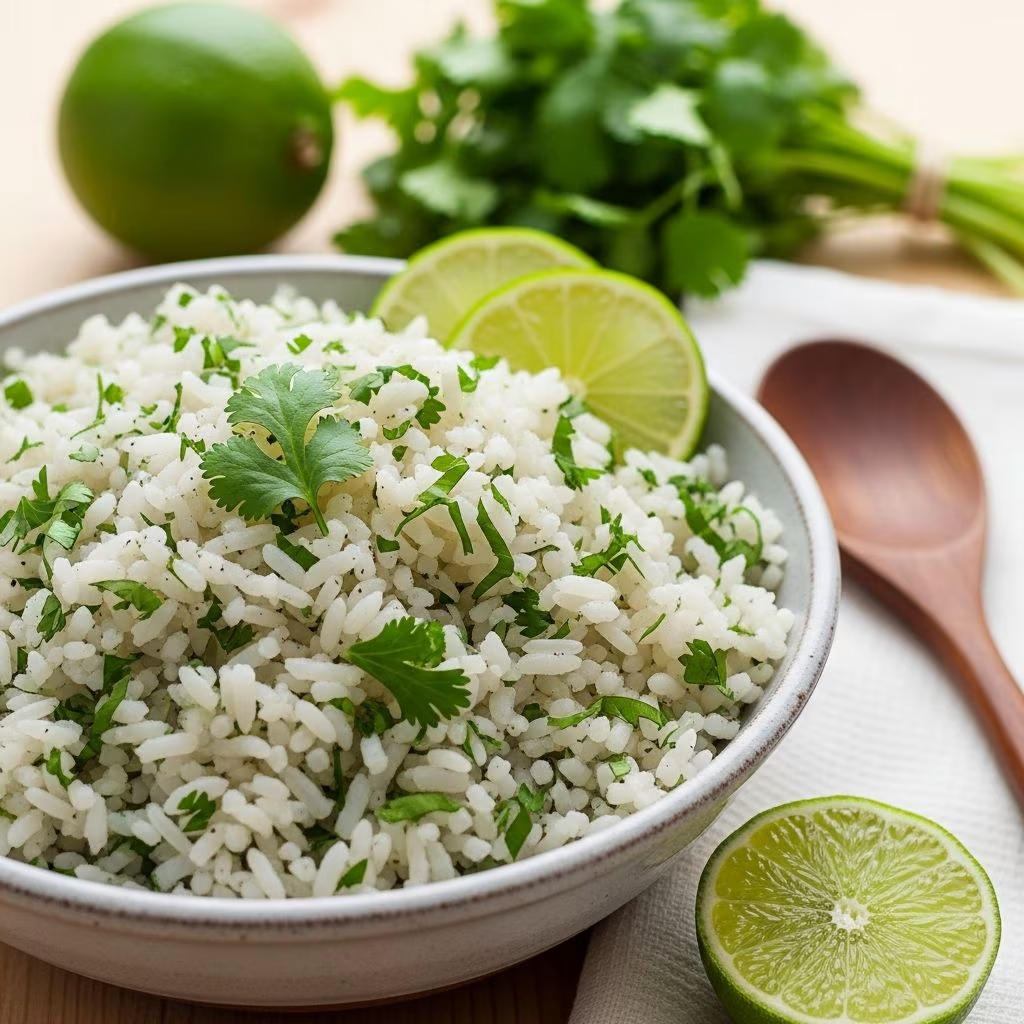
Cilantro lime rice represents one of the most versatile and approachable side dishes in modern cooking. This bright, herbaceous preparation combines the zesty punch of fresh citrus with aromatic cilantro, creating a complement to countless main courses. Whether you’re preparing a casual weeknight dinner or hosting a gathering, understanding the fundamentals of crafting this dish elevates your culinary repertoire significantly.
Understanding the Foundation: Rice Selection and Preparation
The quality of your final dish begins with selecting the appropriate rice variety. Long-grain white rice varieties offer the optimal texture and flavor absorption for this preparation. Jasmine rice and basmati rice stand out as particularly suitable choices due to their inherent fragrance and ability to remain distinct and separated after cooking, rather than becoming clumpy or mushy.
Before cooking, proper rice preparation is essential. Rinsing your rice removes surface starch and dust, preventing excess moisture retention during cooking. Place your rice in a fine-mesh strainer and run cool water over it while gently stirring with your fingers until the water runs relatively clear. This preliminary step contributes to achieving that desirable fluffy texture characteristic of well-prepared cilantro lime rice.
The Cooking Vessel and Heat Management
Your choice of cooking equipment influences the outcome substantially. A medium saucepan with a well-fitting lid works effectively for most home preparations. The lid serves a critical function by trapping steam, which allows the rice to absorb liquid evenly without requiring constant attention or stirring. Select cookware with a heavy bottom to ensure even heat distribution and prevent scorching.
The Core Ingredients: Building Complexity Through Simplicity
Cilantro lime rice achieves its distinctive character through a surprisingly minimal ingredient list. Understanding each component’s role clarifies why particular choices matter more than others.
Rice and Liquid Proportions
The fundamental ratio for rice cooking remains consistent across most preparations: one part rice to approximately two parts liquid. This translates to one cup of uncooked rice paired with two cups of water or chicken broth. Some cooks prefer substituting broth for water to introduce additional savory depth, though traditional preparations often utilize plain water to allow the lime and cilantro flavors to dominate.
Fats and Aromatics
Incorporating fat into your rice serves multiple purposes. Butter or olive oil coats the rice grains, promoting separation during cooking and contributing richness to the final product. A tablespoon of fat suffices for a standard batch. Garlic and onions, when included, should be minced finely or added early enough in the cooking process to soften completely and distribute their flavor throughout.
Citrus Elements
Lime provides the signature brightness that defines this dish. Both lime juice and lime zest contribute distinct qualities: zest delivers concentrated aromatic oils, while juice provides acidity and moisture. Using approximately one to two small limes yields sufficient juice and zest for a standard recipe. Fresh limes always outperform bottled lime juice in terms of flavor complexity and brightness.
The Herbs
Fresh cilantro distinguishes this rice preparation and cannot be substituted with dried versions or other herbs. Roughly three to four tablespoons of finely chopped fresh cilantro provides substantial herbaceous flavor without overwhelming the dish. The timing of cilantro addition matters considerably—adding it after cooking completes ensures it retains its bright color and fresh character rather than wilting or discoloring from heat exposure.
Technique Variations: Multiple Pathways to Success
While the fundamental ingredients remain constant, cooking techniques vary among experienced cooks, each offering distinct advantages.
The Traditional Stovetop Method
The most straightforward approach involves combining rice, liquid, and fat in a saucepan, bringing the mixture to a boil, then reducing heat to low and covering tightly. Maintaining a gentle simmer for approximately 20 minutes allows the rice to absorb liquid gradually without burning. Checking the rice around the 18-minute mark prevents overcooking. Once the liquid disappears, removing the pan from heat and letting it sit covered for five minutes allows residual steam to finish cooking the rice gently.
Enhanced Toasting Technique
A more advanced approach begins by toasting the rice in fat over medium heat for two to three minutes. This preliminary step creates a subtle nuttiness and helps individual grains remain separated during cooking. After toasting, add your liquid and proceed with standard simmering as described above. This method produces particularly fluffy results and adds complexity to the rice’s flavor profile.
The Staged Addition Approach
Some preparations introduce components at different intervals. Garlic and onions cook in fat initially, then rice joins them, followed by liquid. Lime zest and a portion of lime juice can be added partway through cooking, while the remaining juice and cilantro incorporate at the end. This method allows flavors to develop and meld more thoroughly than single-stage additions.
Step-by-Step Preparation: A Complete Walkthrough
For those beginning their cilantro lime rice journey, following a systematic process ensures consistent success.
Step One: Prepare Your Ingredients
- Measure and rinse one cup of long-grain jasmine or basmati rice
- Mince one small garlic clove finely
- Juice your limes to yield approximately 1.5 tablespoons of juice
- Zest one lime to obtain roughly one teaspoon of zest
- Chop fresh cilantro into fine pieces, yielding approximately one-half cup
- Measure two cups of water or chicken broth
Step Two: Initial Cooking
- Place one tablespoon of butter or olive oil in your saucepan and warm over medium-high heat
- Add the rinsed rice and stir for approximately one minute to lightly coat the grains
- Pour in your measured liquid and increase heat to bring the mixture to a boil
- Once boiling, add one-half teaspoon of salt and stir briefly
Step Three: The Simmering Phase
- Reduce heat to low and cover the saucepan with a tight-fitting lid
- Maintain a gentle simmer for 20 minutes without lifting the lid or stirring
- At the 20-minute mark, check whether liquid has been absorbed and rice appears tender
Step Four: Finishing Touches
- Remove from heat and let sit covered for five minutes
- Fluff the rice gently with a fork to separate grains
- Stir in the minced garlic, lime zest, lime juice, and fresh cilantro
- Taste and adjust salt as desired
- Serve immediately or keep covered until ready to serve
Temperature and Timing Considerations
The window for perfectly cooked rice is relatively narrow. Undercooking results in a hard, crunchy center; overcooking produces mushy, soggy grains. Most long-grain white rice varieties require 18 to 22 minutes of covered simmering. Factors affecting timing include the specific rice brand, the size and material of your cooking vessel, and your stove’s heat output. Monitoring the rice visually—checking whether liquid has reduced significantly—provides better guidance than relying solely on time.
Flavor Enhancement: Building Complexity
While cilantro lime rice shines as a simple preparation, various additions deepen its appeal without overwhelming its core character.
Optional Protein Elements
Incorporating cooked shredded chicken, black beans, or diced vegetable proteins transforms this side dish into a more substantial component. These additions work particularly well when distributed throughout the rice while it remains warm, allowing them to absorb residual citrus and herb flavors.
Textural Additions
Diced jalapeño peppers introduce heat and additional brightness. Toasted pine nuts or sliced almonds contribute crunch and richness. Diced red bell pepper adds sweetness and visual interest. Each addition should be minced finely to maintain a cohesive texture throughout.
Spice Considerations
A pinch of cumin, a small quantity of red pepper flakes, or a dash of chili powder complements the bright citrus notes without creating a heavy or spicy dish. Restraint proves essential—these ingredients should enhance rather than dominate.
Serving Applications and Pairings
The versatility of cilantro lime rice extends across numerous cuisines and meal types. This side dish pairs beautifully with grilled chicken, reflecting Mexican and Latin American culinary traditions. Equally suitable as an accompaniment to fish or seafood preparations, the bright acidity cuts through richness effectively. Vegetarian bowls constructed around grains benefit substantially from cilantro lime rice as a foundation, with added vegetables, legumes, and proteins arranged on top. Asian-inspired dishes also welcome this preparation, though traditional pairings tend toward jasmine rice presentations.
Storage and Make-Ahead Strategies
Prepared cilantro lime rice maintains quality in the refrigerator for three to four days when stored in an airtight container. Reheating works best over gentle heat with a small splash of water to restore moisture that evaporates during storage. Adding fresh cilantro and lime juice after reheating refreshes the bright flavors that may fade slightly during storage. Freezing is possible but not ideal—the rice may become slightly mushy upon thawing, though it remains safe to consume.
Frequently Asked Questions
Can I use brown rice instead of white rice?
Brown rice requires significantly longer cooking time (approximately 45 to 50 minutes) and absorbs more liquid than white rice. While technically possible, brown rice produces a textural result quite different from traditional cilantro lime rice. If preferring brown rice, increase your liquid to three cups and adjust cooking time accordingly.
What if I don’t have fresh cilantro?
Fresh cilantro provides distinctive flavor that dried cilantro or parsley cannot replicate. In emergencies, dried cilantro can substitute at one-third the quantity, though results will differ noticeably. Some cooks prefer omitting cilantro entirely to substituting it with inferior alternatives.
Is chicken broth preferable to water?
Chicken broth introduces additional savory depth that water cannot provide. For those maintaining vegetarian or vegan diets, vegetable broth serves equally well. Water remains a perfectly acceptable option, allowing the lime and cilantro to remain the dominant flavor elements.
How do I prevent the rice from becoming mushy?
Mushiness typically results from excessive liquid, insufficient heat during simmering, or overcooking. Use the precise two-to-one ratio, maintain a gentle consistent simmer rather than a vigorous boil, and check for doneness around the 18-minute mark rather than waiting the full 22 minutes.
Can this recipe be scaled up for large gatherings?
Cilantro lime rice scales effectively. Multiply all ingredients proportionally and increase simmering time by approximately five minutes for every additional two cups of rice. A Dutch oven or larger pot accommodates increased quantities while maintaining consistent heat distribution.
Troubleshooting Common Issues
Burnt rice typically indicates excessive heat during simmering. Maintain medium-low or low heat to prevent the bottom from scorching. If you notice burning partway through cooking, remove from heat and transfer rice to a fresh pot immediately.
Undercooked rice suggests insufficient liquid or heat. Verify that your burner reached a true boil before reducing temperature. Check that your lid fits securely—steam loss prevents adequate cooking.
Watery rice indicates too much liquid or premature lid removal. Resist lifting the lid to check progress—steam escapes and liquid remains unconsumed. If serving is imminent and rice is still wet, increase heat slightly with the lid on for an additional few minutes.
Nutritional Profile and Dietary Considerations
Cilantro lime rice provides a relatively light, grain-based side dish. A single serving (approximately one cup) contains roughly 200 calories, primarily from carbohydrates in the rice. The fat content varies based on whether you use butter (saturated) or olive oil (unsaturated). Fresh herbs and lime juice contribute negligible calories while providing vitamins and minerals. This preparation accommodates most dietary preferences—it remains vegetarian, vegan-friendly when prepared with oil rather than butter, and naturally gluten-free.
References
- Rice Cooking Fundamentals and Grain Preparation Techniques — University of California Cooperative Extension. 2024. https://ucanr.edu
- Cilantro: Culinary Applications and Flavor Profiles — United States Department of Agriculture Agricultural Research Service. 2023. https://www.ars.usda.gov
- Citrus Zesting and Juice Extraction Methods — Purdue University Horticulture Department. 2024. https://www.purdue.edu
- Food Storage and Refrigeration Guidelines — United States Food and Drug Administration. 2025. https://www.fda.gov
- Nutritional Analysis of Long-Grain White Rice — National Institutes of Health, National Library of Medicine. 2024. https://www.ncbi.nlm.nih.gov