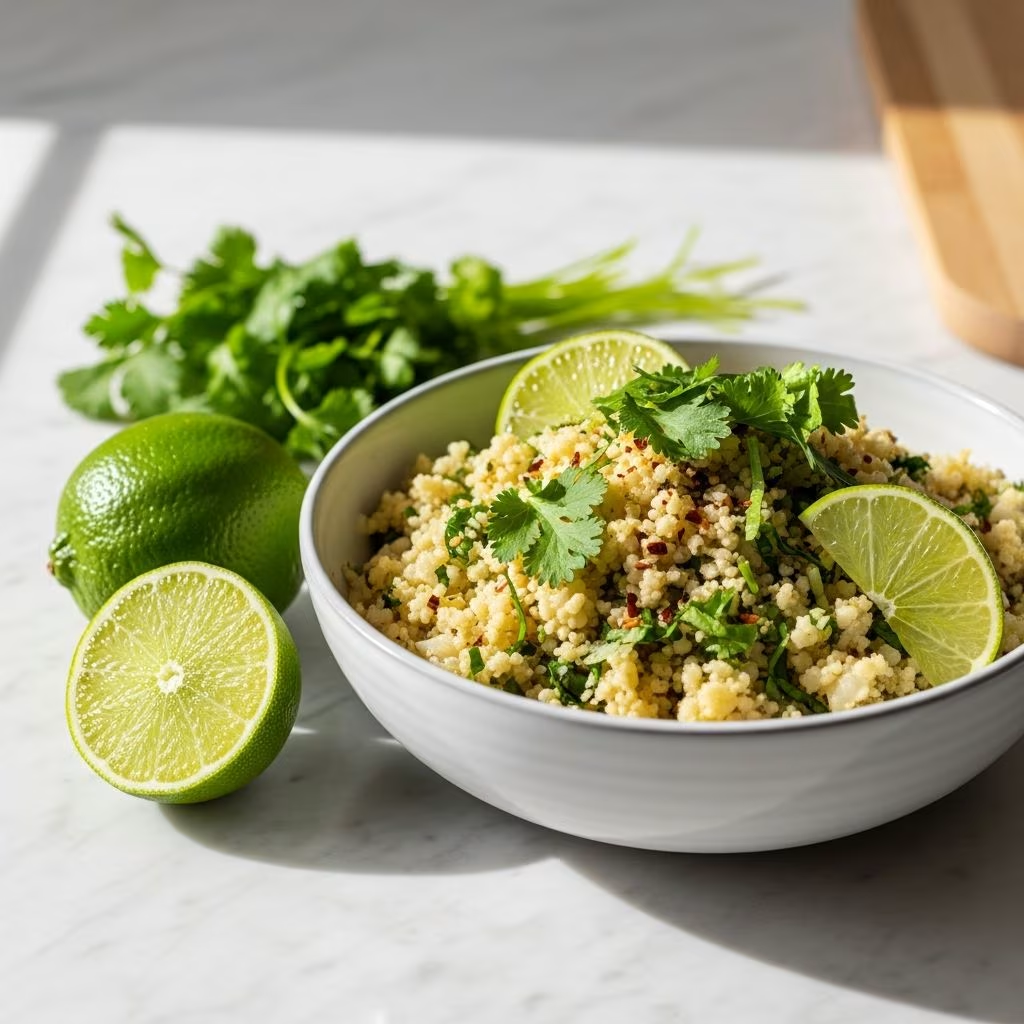
The quest for healthier alternatives to traditional grains has led many home cooks to discover the versatility of cauliflower rice. Among the numerous preparations available, cilantro lime cauliflower rice stands out as a particularly refreshing option that delivers vibrant flavors without the carbohydrate load of conventional rice. This humble vegetable transformation offers an excellent solution for those seeking to reduce their carbohydrate intake while maintaining satisfying, flavorful meals.
Understanding Cauliflower Rice and Its Appeal
Cauliflower rice represents one of the most straightforward vegetable substitutions in modern cooking. By processing fresh cauliflower florets into small, grain-like pieces, cooks can create a base that mimics traditional rice in texture while providing substantially fewer calories and carbohydrates. A medium head of cauliflower typically yields approximately four to six cups of riced cauliflower, making it an economical choice for preparing side dishes for multiple servings.
The nutritional advantages of this preparation extend beyond carbohydrate reduction. Cauliflower provides dietary fiber, essential vitamins including vitamin C and K, and various phytonutrients that support overall health. When combined with the digestive benefits of cilantro and the vitamin C content of lime, this dish transforms into a nutritionally dense accompaniment to any meal.
Preparation Methods for Creating Cauliflower Rice
The first step in preparing cilantro lime cauliflower rice involves converting a head of cauliflower into appropriately sized pieces. Multiple approaches exist for achieving the desired texture, each with distinct advantages depending on available kitchen equipment and personal preferences.
Food Processor Technique
Using a food processor offers the most efficient method for processing cauliflower. Cut a fresh head into manageable florets, then pulse them in batches to avoid over-processing. Pulsing for just a few seconds at a time prevents the cauliflower from becoming too finely chopped or developing a mushy consistency. This method typically requires two to three batches for a medium-sized head.
Blender Application
A blender can also accomplish this task, though it demands careful attention to prevent over-processing. Working with smaller batches and using very brief pulses will produce rice-like grains without degrading the texture. Some practitioners prefer this method for achieving more uniform grain sizes.
Box Grater Alternative
For those without access to electrical appliances, a standard box grater with large holes produces excellent results. While more labor-intensive than mechanical processing, this method offers precise control over the final texture and requires no cleanup of blades or bowls. Many prefer this approach for its simplicity and the meditative quality of hand-preparation.
Frozen Cauliflower Rice Option
Pre-riced frozen cauliflower offers significant time savings for busy cooks. A single twelve-ounce package typically provides sufficient quantity for four to six servings. Frozen cauliflower has been processed at peak freshness and maintains excellent nutritional value while eliminating preparation time entirely.
Essential Ingredients for Building Complex Flavors
While the foundation of this dish remains straightforward, the ingredient combinations create the signature bright, refreshing character that distinguishes this preparation from other cauliflower rice preparations.
- Fresh cauliflower or frozen riced cauliflower: The primary component requiring one medium head or one 12-ounce package
- Olive oil: Typically one to three tablespoons, depending on preparation method and quantity
- Garlic: Two to three cloves, minced, providing aromatic depth and subtle pungency
- Fresh lime: Usually one and one-half to two limes, contributing brightness and acidity
- Fresh cilantro: One-quarter to one-half cup chopped, delivering the signature herbaceous quality
- Sea salt and black pepper: To taste, for fundamental seasoning
- Optional elements: Diced onion, jalapeño pepper for heat, vegetable stock for added umami, or cumin for warmth
Cooking Techniques for Optimal Texture
The cooking process determines whether the final dish achieves the ideal balance between tender and slightly firm. Several approaches produce excellent results, each offering subtle variations in final texture and flavor intensity.
Quick Sauté Method
Heat olive oil in a large skillet over medium to medium-high heat. Add minced garlic and sauté for approximately one minute until the garlic becomes fragrant but does not brown. This brief cooking period mellows the garlic’s raw intensity while distributing its flavor throughout the oil. Immediately add the riced cauliflower, lime zest, lime juice, salt, and pepper. Stir frequently for three to five minutes, allowing the cauliflower to soften while maintaining a slight firmness that prevents mushiness.
Layered Flavor Build
For more complex flavor development, begin by sautéing diced onion and optional jalapeño in olive oil until softened, approximately five minutes. Add minced garlic and cook for an additional thirty seconds to one minute. Then introduce the cauliflower rice and cook until beginning to brown slightly, approximately five to eight minutes. This progression allows aromatics to infuse the oil thoroughly before the cauliflower absorbs these flavors.
High-Heat Finishing
Some preparations employ a brief high-heat burst after initial cooking to draw out excess moisture and develop light browning on the cauliflower pieces. This technique prevents the final dish from becoming watery while adding subtle depth through partial caramelization. After cooking the cauliflower until mostly tender, increase heat to high for one additional minute before returning to medium or low heat.
Frozen Cauliflower Rice Considerations
When using frozen cauliflower rice, begin by breaking up any large clumps before adding to the skillet. This ensures even cooking and prevents pockets of ice from creating watery sections. Cook frozen cauliflower over medium heat for seven to eight minutes, stirring occasionally, allowing the moisture to evaporate naturally. Once fully thawed and any excess liquid has reduced, proceed with adding lime juice, cilantro, and final seasonings.
Finishing Touches and Flavor Enhancement
The final steps transform the cooked cauliflower from a simple vegetable into a vibrant side dish worthy of featured placement on any dinner plate. Remove the skillet from heat and stir in fresh chopped cilantro and additional lime juice. This approach preserves the cilantro’s delicate flavor profile and ensures the lime maintains maximum brightness rather than becoming altered through prolonged cooking.
Taste the preparation and adjust seasonings as needed. Some palates prefer additional lime juice for increased tartness, while others may desire more salt to enhance overall flavors. Black pepper can be adjusted upward for those preferring more pepper presence. Fresh cilantro can be increased for stronger herbaceous notes, or reduced for those with lesser preferences for this polarizing herb.
Versatile Serving Applications
This preparation functions exceptionally well as an accompaniment to numerous meals, each pairing highlighting different aspects of the dish’s bright flavor profile. Serve alongside tacos, whether featuring beef, chicken, fish, or vegetarian proteins. The cilantro and lime complement traditional Mexican and Southwestern ingredients beautifully. Burrito bowls benefit substantially from this foundation, absorbing liquids from proteins and other bowl components while maintaining its own distinct character.
Asian-inspired dishes appreciate the fresh cilantro and lime notes, particularly when paired with coconut milk-based curries or stir-fried proteins. Mediterranean preparations pair well with grilled chicken or fish, where the herbaceous qualities enhance rather than overwhelm. Even simple preparations like rotisserie chicken and roasted vegetables elevate into more sophisticated meals when accompanied by this fragrant side.
Nutritional Benefits and Dietary Considerations
Cauliflower rice preparations offer substantial advantages for those monitoring carbohydrate intake. A typical serving contains approximately eight grams of carbohydrates compared to forty-five grams in an equivalent portion of white rice. This difference proves particularly significant for individuals following ketogenic, paleo, or otherwise carbohydrate-restricted dietary approaches.
The fiber content in cauliflower supports digestive health and promotes satiety, potentially reducing overall caloric intake when used as a primary starch replacement. The minimal fat content in plain cauliflower allows the olive oil to remain the primary fat source, offering heart-healthy monounsaturated fats. Cilantro contributes not only flavor but also minerals including manganese and iron, while lime juice provides vitamin C and citric acid that supports nutrient absorption.
This preparation accommodates numerous dietary frameworks including vegetarian, vegan, paleo, keto, whole30-compliant, and gluten-free approaches, making it an accessible option for households with varied dietary preferences.
Storage and Make-Ahead Strategies
Prepared cilantro lime cauliflower rice stores well in the refrigerator for up to three days in an airtight container. The flavors often deepen slightly as the ingredients continue melding during storage. Reheat gently over medium heat, adding a splash of water or additional lime juice if the mixture has dried out slightly. The cilantro and lime components retain good quality when stored this way, though maximum freshness occurs within the first day.
This dish does not freeze particularly well, as the cauliflower texture becomes considerably softer upon thawing. For meal-prep purposes, consider storing the cooked cauliflower separately from the lime juice and fresh cilantro, adding these finishing elements just before serving to maintain optimal flavor and texture.
Frequently Asked Questions
Can this recipe be made ahead of time?
Yes, the cooked cauliflower can be prepared up to three days in advance and stored in the refrigerator. For optimal flavor and texture, add the lime juice and fresh cilantro just before serving rather than storing them together with the cooked cauliflower.
How do I prevent the cauliflower rice from becoming mushy?
Avoid over-processing when creating the rice-like texture, use high heat briefly to evaporate excess moisture, and refrain from cooking too long. The cauliflower should reach tenderness but maintain slight firmness, typically requiring only five to eight minutes of cooking.
Is frozen cauliflower rice nutritionally equivalent to fresh?
Yes, frozen cauliflower rice maintains the nutritional profile of fresh cauliflower, as freezing occurs shortly after harvesting at peak nutritional content. The convenience factor makes it an excellent alternative.
What if I dislike cilantro?
Cilantro can be omitted entirely or replaced with fresh parsley, mint, or other herbs. The dish will taste different but remain delicious. Alternatively, reduce the cilantro quantity rather than eliminating it completely.
Can I add other vegetables to this preparation?
Absolutely. Finely diced bell peppers, corn, peas, or carrots can be added during the cooking process. Adjust cooking times accordingly based on the vegetables chosen.
Conclusion
Cilantro lime cauliflower rice represents a straightforward yet sophisticated approach to expanding healthy eating options. The combination of bright citrus, fragrant herbs, and tender cauliflower creates a side dish worthy of regular inclusion in weekly meal plans. Whether serving alongside protein and vegetables for a complete dinner or offering as a standalone accompaniment to shared family meals, this preparation delivers substantial satisfaction without compromising nutritional integrity. The minimal ingredient list belies the complex flavor profile achieved, making this an ideal choice for both novice and experienced home cooks seeking vibrant, healthful alternatives to traditional grain-based sides.
References
- Cauliflower: A Cruciferous Vegetable with Multiple Health Benefits — U.S. Department of Agriculture. 2024. https://www.usda.gov/
- Dietary Fiber and Its Role in Digestive Health — National Institutes of Health. 2023. https://www.nih.gov/
- Antioxidants and Phytonutrients in Fresh Cilantro — Journal of the Science of Food and Agriculture. 2023. https://onlinelibrary.wiley.com/journal/10970010
- Vitamin C Content in Citrus Fruits and Its Bioavailability — European Journal of Clinical Nutrition. 2022. https://www.nature.com/ejcn/
- Carbohydrate Content Comparison: Grains versus Cruciferous Vegetables — Nutrition Reviews. 2023. https://academic.oup.com/nutritionreviews