Understanding Aioli and Its Modern Variations
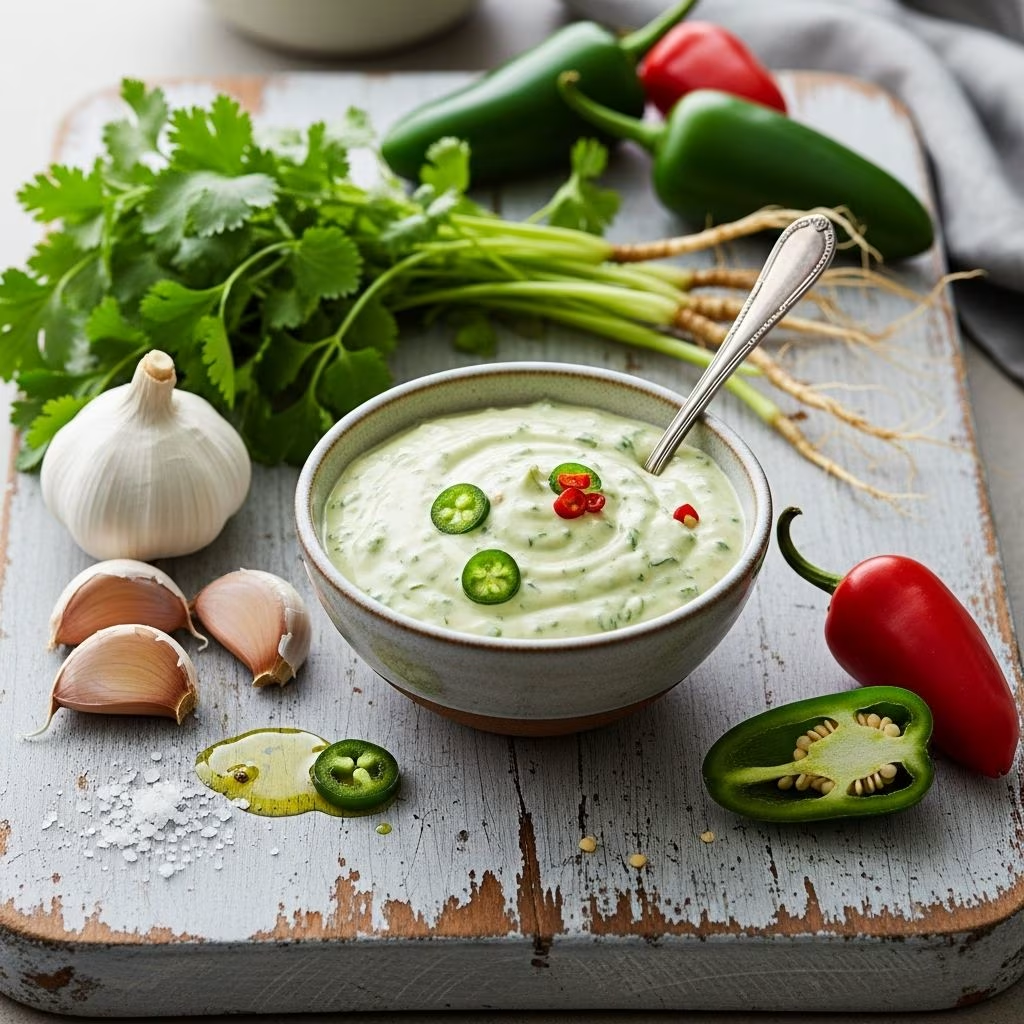
Aioli represents a classic emulsion-based condiment that has evolved significantly from its Mediterranean origins. Traditionally, aioli combines garlic with olive oil to create a rich, creamy sauce. In contemporary cooking, this foundation has expanded to accommodate countless flavor profiles and ingredient combinations. The cilantro jalapeño variation exemplifies how modern culinary creativity transforms timeless techniques into fresh, exciting condiments that complement both traditional and contemporary dishes.
The beauty of this particular aioli lies in its balance of cooling herbs against the warmth of spicy peppers, creating a complex flavor profile that elevates simple meals into memorable dining experiences. The addition of lime juice provides brightness while ground cumin introduces subtle earthiness, resulting in a condiment that works across multiple cuisines and meal types.
Essential Ingredients for Your Homemade Aioli
Creating a successful cilantro jalapeño aioli begins with understanding each ingredient’s role and selecting quality components:
- Olive Oil Mayonnaise: This forms the creamy base of your aioli. Using mayonnaise made with olive oil ensures optimal flavor and texture, as opposed to standard varieties made with vegetable oils. The fat content provides richness while the emulsified base ensures smooth blending with other components.
- Fresh Cilantro: Approximately one-half cup of firmly packed leaves creates the herbal backbone. Fresh cilantro brings a bright, slightly citrusy note that complements lime juice and balances spicy elements. Choose vibrant green leaves free from browning or wilting.
- Jalapeño Peppers: A single medium-sized pepper, properly prepared, delivers controlled heat without overwhelming other flavors. The removal of seeds and internal membranes significantly reduces capsaicin levels, allowing you to customize the spice intensity according to personal preference.
- Garlic: Between one and one-and-a-half cloves provide pungent depth. Halving the garlic before blending distributes it evenly throughout the mixture. Fresh garlic dramatically outperforms pre-minced varieties in terms of flavor potency and freshness.
- Lime Juice: Extracted from half a fresh lime, this acidic component brightens flavors and prevents the aioli from becoming overly heavy. Fresh lime juice provides superior flavor compared to bottled alternatives.
- Ground Cumin: Between three-quarters and one full teaspoon of this warm spice creates complexity without dominating the palate. Cumin bridges cilantro and jalapeño flavors seamlessly.
- Salt: Starting with one-quarter teaspoon allows you to adjust final seasoning to preference. Salt enhances all other flavors while balancing heat and acidity.
Step-by-Step Preparation Technique
Successful aioli preparation follows a straightforward process that emphasizes proper ingredient handling and blending technique:
Ingredient Preparation Phase: Begin by gathering all components at room temperature or slightly cool. Wash and thoroughly dry cilantro leaves, removing any excess water that could dilute your finished product. Remove jalapeño seeds and membranes carefully using a small spoon or knife, working over a cutting board to contain potentially irritating oils. Dice the remaining pepper flesh into small, uniform pieces approximately one-quarter inch in size. This uniformity ensures even distribution throughout the final mixture.
Blending Process: Add mayonnaise to your blender or food processor first, creating a base layer. Layer remaining ingredients on top in this order: cilantro leaves, diced jalapeño, halved garlic cloves, lime juice, ground cumin, and salt. Begin blending at medium speed, gradually increasing to high. The mixture should transform from chunky to completely smooth within one to two minutes. Stop blending periodically to scrape down the bowl’s interior sides, ensuring no ingredients remain stuck to surfaces.
Chilling and Flavor Development: Transfer your blended mixture into a serving bowl or storage container. Cover the surface with plastic wrap to prevent oxidation and refrigerate for a minimum of one hour. This resting period allows flavors to meld and mature, creating a more cohesive and developed taste profile. Many cooks find that aioli actually improves after twelve to twenty-four hours of refrigeration, as flavors continue integrating.
Customization Options and Variations
While the classic recipe delivers exceptional results, numerous modifications allow personalization based on individual preferences and dietary considerations:
| Variation | Modification | Effect |
|---|---|---|
| Extra Heat | Include jalapeño seeds and membranes; add half teaspoon cayenne pepper | Significantly increased spice level for heat enthusiasts |
| Mild Version | Use only half a jalapeño or substitute with poblano pepper | Reduced heat while maintaining herbaceous character |
| Herbal Intensity | Add fresh parsley and mint in addition to cilantro | Increased complexity and aromatic depth |
| Dairy-Free Alternative | Replace mayonnaise with vegan mayonnaise or cashew cream base | Maintains creamy texture while accommodating dietary restrictions |
| Garlic Forward | Increase garlic to three cloves or add roasted garlic | Deeper, more pronounced savory undertones |
Versatile Applications and Serving Suggestions
This cilantro jalapeño aioli transcends traditional sauce categories, functioning effectively across numerous dishes and meal occasions:
Sandwich and Burger Applications: Spread generously on burger buns, sandwich bread, or flatbreads as a flavor-forward alternative to standard condiments. The creamy texture clings beautifully to bread while complementing beef, chicken, fish, and vegetarian protein options equally well.
Fried and Crispy Foods: Use as a dipping sauce for french fries, sweet potato chips, vegetable crisps, or tempura-style preparations. The cool, creamy base provides textural contrast while flavor compounds cut through richness.
Protein Enhancement: Dollop atop grilled chicken, baked fish, or roasted shrimp to add finishing flourish. The sauce works particularly well with white fish varieties and seafood applications where citrus and herb compatibility is already established.
Grain and Vegetable Bowls: Drizzle over composed grain bowls, vegetable arrangements, or Buddha bowl presentations. The sauce adds moisture and flavor complexity without requiring additional dressing preparation.
Mexican and Latin-Inspired Cuisine: Pair with tacos, enchiladas, quesadillas, and other traditional Mexican fare. The cilantro and jalapeño components align naturally with established flavor profiles in these cuisines.
Vegetable Accompaniment: Serve alongside roasted or raw vegetable platters, particularly those featuring corn, tomato, avocado, or cucumber components that pair harmoniously with cilantro and lime.
Storage Methods and Shelf Life Considerations
Proper storage extends your aioli’s usability and maintains optimal flavor integrity:
- Transfer finished aioli into glass containers or food-grade plastic containers with airtight lids
- Store in the coldest section of your refrigerator, typically the back of the lowest shelf
- Properly stored aioli maintains quality for five to seven days before flavor degradation becomes noticeable
- Freezing is possible but not recommended, as emulsification may break down during thawing, resulting in separated or grainy texture
- Cover the surface with plastic wrap before placing the lid to minimize oxidation and prevent flavor deterioration
- Avoid storing in metal containers, which can interact with acidic components and affect taste
Troubleshooting Common Preparation Issues
Texture Problems: If your mixture appears grainy or separated rather than smooth, the blending process may have incorporated too much air or the ingredients were insufficiently processed. Return the mixture to the blender and blend for an additional thirty seconds at lower speed to re-emulsify the components.
Flavor Imbalances: If the cilantro seems overwhelming, lime juice intensity can be increased to brighten and balance herbal notes. Conversely, if the jalapeño heat dominates unpleasantly, additional mayonnaise can be folded in gradually to dilute the spice level.
Inadequate Consistency: If the aioli appears too thick, blend in mayonnaise one tablespoon at a time until reaching desired consistency. If too thin, additional cilantro or a small amount of additional mayonnaise can restore proper texture.
Nutritional Considerations and Health Aspects
Understanding the nutritional profile helps inform consumption decisions and portion planning. A typical serving of approximately two tablespoons contains approximately one hundred twenty calories, primarily derived from the mayonnaise component. The calorie density reflects the fat content necessary for aioli’s characteristic creamy texture. Fresh cilantro and jalapeño contribute minimal calories while providing beneficial phytonutrients, antioxidants, and vitamins. Lime juice adds vitamin C and trace minerals. Cumin contributes iron and other trace elements. While this condiment is calorie-dense, modest portions effectively flavor dishes, allowing controlled calorie incorporation into meals.
Frequently Asked Questions
Can I prepare this aioli in advance for gatherings or meal prep? Yes, cilantro jalapeño aioli actually improves with refrigeration time as flavors integrate and mature. Prepare it up to forty-eight hours before serving for optimal flavor development. Cover properly to prevent flavor deterioration.
What alternatives exist for fresh cilantro? While cilantro provides essential character, parsley offers a milder herbal option, and basil introduces Italian flair. However, these substitutions will significantly alter the final flavor profile and are best used when intentional variation is desired.
Is this recipe appropriate for individuals with spice sensitivity? Absolutely. Removing jalapeño seeds and membranes eliminates most capsaicin compounds, creating a mild, flavorful sauce. Alternatively, substitute jalapeño with poblano pepper or reduce the quantity to quarter pepper instead of a full pepper.
Can this aioli work as a vegetarian option? Yes, all ingredients are vegetarian-friendly. If vegan accommodation is necessary, substitute mayonnaise with plant-based alternatives that maintain emulsification properties.
What protein types pair best with this aioli? This versatile condiment complements poultry, fish, shellfish, beef, pork, and vegetarian proteins equally effectively. The flavor profile works across diverse protein categories.
References
- United States Department of Agriculture, Agricultural Research Service — USDA. 2024. FoodData Central
- Cilantro (Coriandrum sativum): Nutritional and Phytochemical Composition — National Center for Biotechnology Information, U.S. National Library of Medicine. PubMed Central
- Capsaicinoids in Peppers and Pepperoni: Quantitative Analysis and Stability — Journal of Agricultural and Food Chemistry. American Chemical Society. ACS Publications
- Emulsification Principles in Culinary Applications — Food Science and Technology Abstracts. 2023. International Food Information Service
- Lime Juice Composition and Antimicrobial Properties — Department of Food Science and Nutrition, University of Minnesota. University of Minnesota