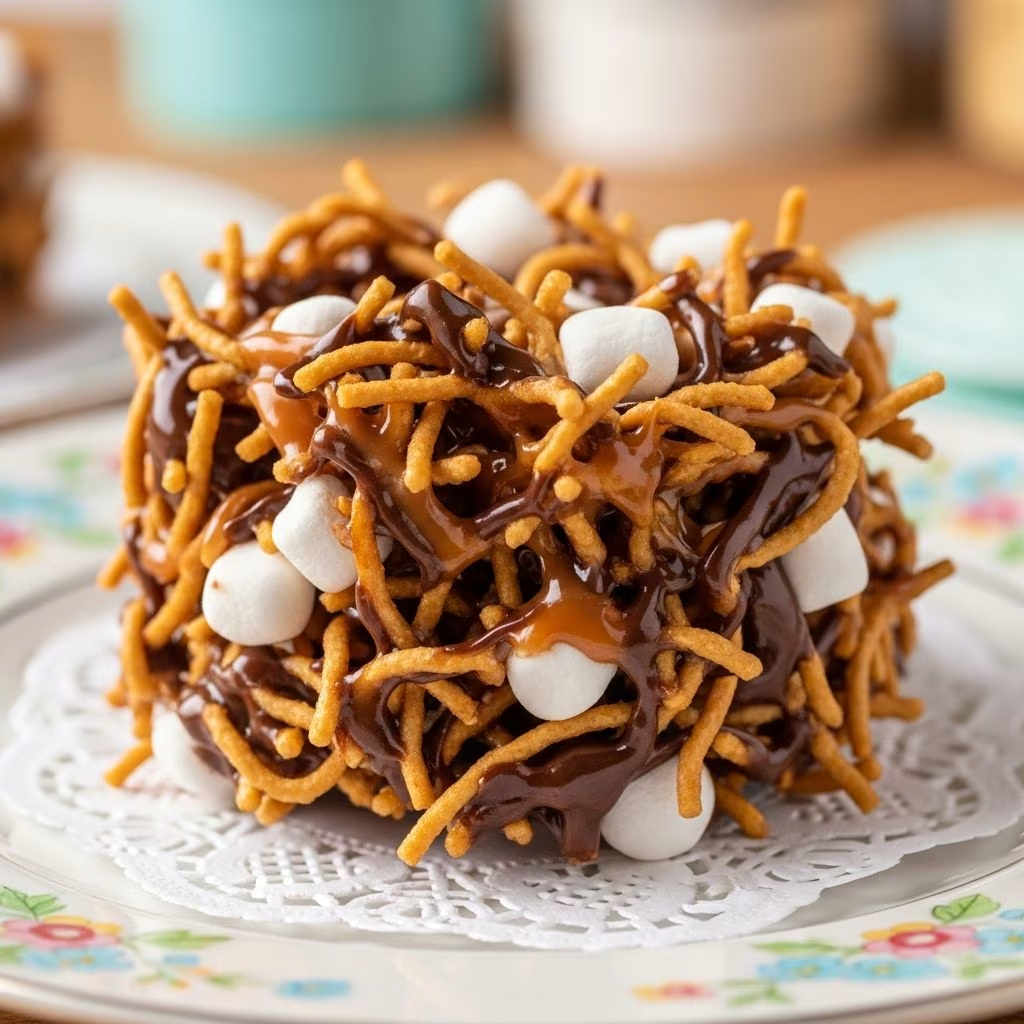
When you think of classic American desserts, chow mein clusters may not immediately spring to mind, yet this delightful confection has remained a beloved treat for generations. These simple no-bake candies represent a fascinating intersection of home cooking tradition and culinary innovation. What makes them truly special is their remarkable simplicity paired with an unexpectedly sophisticated flavor profile that combines rich chocolate, nutty sweetness, and satisfying crunch.
The charm of chow mein clusters lies in their accessibility. Unlike many desserts that demand precise measurements, multiple steps, and specialized equipment, these treats require only a handful of pantry staples and minimal preparation time. This ease of preparation has made them a go-to option for busy families, holiday entertaining, and anyone seeking quick homemade gifts that feel thoughtfully crafted without requiring hours in the kitchen.
Understanding the Origins: How Chow Mein Clusters Became a Dessert
The story of chow mein clusters is rooted in mid-twentieth century American food innovation. According to food historian research, the concept emerged from an earlier tradition of cornflake-based confections. Cornflake macaroons, invented in 1923 by Mary Barber, a recipe developer for Kellogg, featured cornflakes bound together with egg whites and powdered sugar. This foundational concept inspired subsequent variations throughout the decades.
By the 1960s, recipe developers recognized the potential of substituting alternative crunchy ingredients for traditional cereals. Betty Crocker, recognizing the appeal of these cluster-style treats, published adaptations in their 1963 cookbook “Betty Crocker’s Cooky Book,” introducing versions that incorporated chocolate alongside cereals like Wheaties and Cheerios. On the same publication page, Betty Crocker also featured a recipe for “noodle clusters” that swapped chow mein noodles for cereal components and incorporated Spanish peanuts.
This culinary crossroads between Asian-inspired cuisine elements and American dessert-making traditions resulted in a unique treat that captured the imagination of home cooks. The chow mein noodle, typically used in savory stir-fry dishes, found new purpose as a textural element in candy-making. This unconventional ingredient choice reflected the adventurous spirit of 1960s American home cooking, when experimentation with Asian ingredients was becoming more common in mainstream kitchens.
The Essential Components: What Goes Into Quality Chow Mein Clusters
The beauty of chow mein clusters rests on the thoughtful selection and proportion of just four primary ingredients. Understanding each component’s role helps ensure optimal results and allows for creative variations that suit personal preferences.
Chocolate and Butterscotch Chips: The Binding Foundation
The chocolate and butterscotch chip combination forms the structural backbone of these clusters. Typical recipes call for approximately equal amounts of each—roughly 12 ounces or about 2 cups of semi-sweet chocolate chips combined with an equivalent quantity of butterscotch chips. This ratio creates a balanced sweetness that neither overwhelms the palate nor undershoots expectations.
Semi-sweet chocolate chips provide a slightly sophisticated contrast to the butterscotch’s deep caramel notes. When melted together, these chips create a smooth, adhesive coating that holds the remaining ingredients in place as everything cools and solidifies. Some recipes incorporate a tablespoon of butter into the melted chip mixture, enhancing smoothness and promoting better adhesion.
Chow Mein Noodles: The Textural Star
Chow mein noodles contribute the signature crunch that distinguishes these clusters from other chocolate confections. A standard recipe typically includes 12 ounces or approximately 6 cups of these crispy Asian noodles. The noodles must be completely coated with the melted chip mixture to ensure even texture throughout each cluster. Their inherent crispness persists even after the chocolate hardens, providing a satisfying contrast to the smooth sweetness of the coating.
Peanuts: The Savory Accent
Salted or lightly salted peanuts add both textural complexity and a crucial flavor dimension. Recipes typically call for 16 ounces or approximately 1 cup of peanuts. The slight saltiness of these legumes creates an elegant contrast with the sweet chocolate and butterscotch components, elevating the overall flavor experience. This salted-sweet dynamic has long been recognized in confectionery arts as one of the most appealing flavor combinations.
Step-by-Step Preparation: From Ingredients to Finished Treats
Creating chow mein clusters involves a straightforward process that even novice cooks can master successfully.
Preparation Phase
- Line baking sheets with wax paper or parchment paper to prevent sticking
- Combine chow mein noodles and peanuts in a large mixing bowl
- Gather chocolate chips and butterscotch chips for melting
Melting Phase
Place chocolate and butterscotch chips in a microwave-safe bowl or use a double boiler method for stovetop melting. If microwaving, heat in 30-45 second intervals, stirring between each burst, until the mixture reaches complete smoothness. Some recipes recommend adding a tablespoon of butter during this phase to enhance the melting process and improve texture. Remove from heat once fully melted.
Combining Phase
Pour the melted chocolate and butterscotch mixture over the noodle and peanut combination. Using a spatula or sturdy spoon, fold the mixture thoroughly until every noodle strand and peanut achieves complete coating. This step requires patience and attention, as incomplete coating will result in uneven texture and taste throughout the finished clusters.
Forming Phase
Using two spoons—one to scoop and one to scrape—drop spoonfuls of the mixture onto the wax paper-lined baking sheets. This two-spoon technique provides better control and consistency in cluster size compared to using a single spoon. Allow adequate spacing between clusters to prevent them from fusing together during the cooling process.
Cooling Phase
Transfer the baking sheets to the refrigerator for complete setting. Most recipes indicate that 10-20 minutes suffices for full hardening, though some recommendations suggest up to 30 minutes for optimal texture. Allow the clusters to return to room temperature before consumption, as removing them from cold storage and eating them immediately can make them difficult to bite through comfortably.
Popular Variations and Creative Adaptations
While the traditional formula remains popular, creative cooks have developed numerous variations that maintain the essential structure while introducing new flavor dimensions.
Dark Chocolate and Peppermint Version
A sophisticated seasonal variation substitutes dark chocolate chips for semi-sweet varieties and incorporates crushed candy canes into the mixture. This adaptation provides a more refined chocolate flavor and introduces a refreshing peppermint brightness that pairs beautifully with dark cocoa notes. After forming clusters and allowing initial cooling, the candy cane fragments are sprinkled over the top before the chocolate fully hardens, creating a decorative and flavorful finishing touch.
All-Chocolate Variations
Some recipes omit butterscotch chips entirely, using only chocolate chips to create a more straightforward chocolate cluster. This simplified two-ingredient approach (combined with noodles and peanuts) appeals to those who prefer undiluted chocolate flavor without butterscotch’s caramel complexity.
Nut and Seasoning Experimentation
While peanuts remain traditional, creative variations incorporate other nuts or omit peanuts entirely. Some recipes explore different peanut preparations—using honey-roasted, spiced, or lightly salted varieties to introduce additional flavor layers. The foundational chocolate-noodle structure accommodates these customizations readily.
Storage, Shelf Life, and Serving Recommendations
Proper storage ensures these treats maintain their quality for extended periods. Chow mein clusters retain their crispy texture and chocolate coating when kept in an airtight container at room temperature for several days. Refrigeration extends shelf life further while maintaining texture integrity. Many people prefer serving these clusters at room temperature rather than cold, as the chocolate becomes more palatable and easier to bite through when slightly warmed.
These treats perform excellently as homemade gifts, requiring minimal packaging due to their sturdy construction. Their quick preparation time and impressive appearance make them particularly suited for last-minute entertaining or holiday gift-giving occasions.
Frequently Asked Questions
Why won’t my clusters set properly?
Inadequate refrigeration time or room temperature conditions that are too warm can prevent proper hardening. Ensure sufficient cooling time and that your chocolate-coated mixture achieves complete solidification before storage.
Can I use milk chocolate instead of semi-sweet?
Yes, milk chocolate can substitute for semi-sweet varieties, though the resulting clusters will be sweeter with less chocolate depth. Semi-sweet provides better balance with the butterscotch and peanut components.
Are these clusters truly no-bake?
Absolutely. This recipe requires no oven use whatsoever. Melting occurs via microwave or stovetop double boiler, followed by refrigeration.
How long do these clusters stay fresh?
Properly stored in airtight containers, chow mein clusters remain fresh and crispy for approximately one week at room temperature or several weeks under refrigeration.
Can I make these with different noodle types?
While chow mein noodles provide the traditional texture, some experimentation with other crispy noodles may yield acceptable results, though texture and flavor profiles will differ from the classic preparation.
Why These Clusters Endure as a Beloved Classic
The lasting popularity of chow mein clusters speaks to their unique combination of practical advantages and genuine deliciousness. In an era when many desserts demand considerable time investment and specialized skills, these simple treats democratize homemade candy-making. The recipe’s flexibility accommodates various taste preferences while maintaining the essential character that makes them distinctive.
Their retro status has gained fresh appreciation, particularly among those seeking authentic vintage recipes that actually deliver satisfying results. Unlike some nostalgic foods that disappoint upon rediscovery, chow mein clusters genuinely impress modern palates with their sophisticated flavor balance and appealing texture contrast.
References
- Dark Chocolate Peppermint Chow Mein Clusters — Citrine Living. https://citrineliving.com/dark-chocolate-peppermint-chow-mein-clusters/
- Peanut Clusters — Butter with a Side of Bread. https://butterwithasideofbread.com/peanut-clusters/
- Chocolate Chow Mein Clusters — Claudia’s Cookbook. http://www.claudiascookbook.com/2011/01/11/chocolate-chow-mein-clusters/
- The 1960s Leftover Chow Mein Hack That’s Seriously Impressing TikTok — The Daily Meal. https://www.thedailymeal.com/1155676/the-1960s-leftover-chow-mein-hack-thats-seriously-impressing-tiktok/
- Easy No-Bake Chow Mein Noodle Cookies Recipe — Home Cooking Memories. https://homecookingmemories.com/no-bake-chow-mein-noodle-cookies-recipe/
- Homemade Sweet Treats: Chocolate Noodle Clusters — Frugal Family Home. https://frugalfamilyhome.com/food/recipes/homemade-sweet-treats-chocolate-noodle-clusters