Starting your day with a satisfying breakfast sets the tone for productive hours ahead. Chorizo breakfast burritos represent an ideal solution for individuals seeking a portable, protein-rich meal that combines traditional flavors with convenience. These handheld wraps deliver everything needed for sustained energy throughout the morning, whether you’re rushing out the door or enjoying a leisurely weekend breakfast at home.
Understanding Chorizo and Its Role in Breakfast
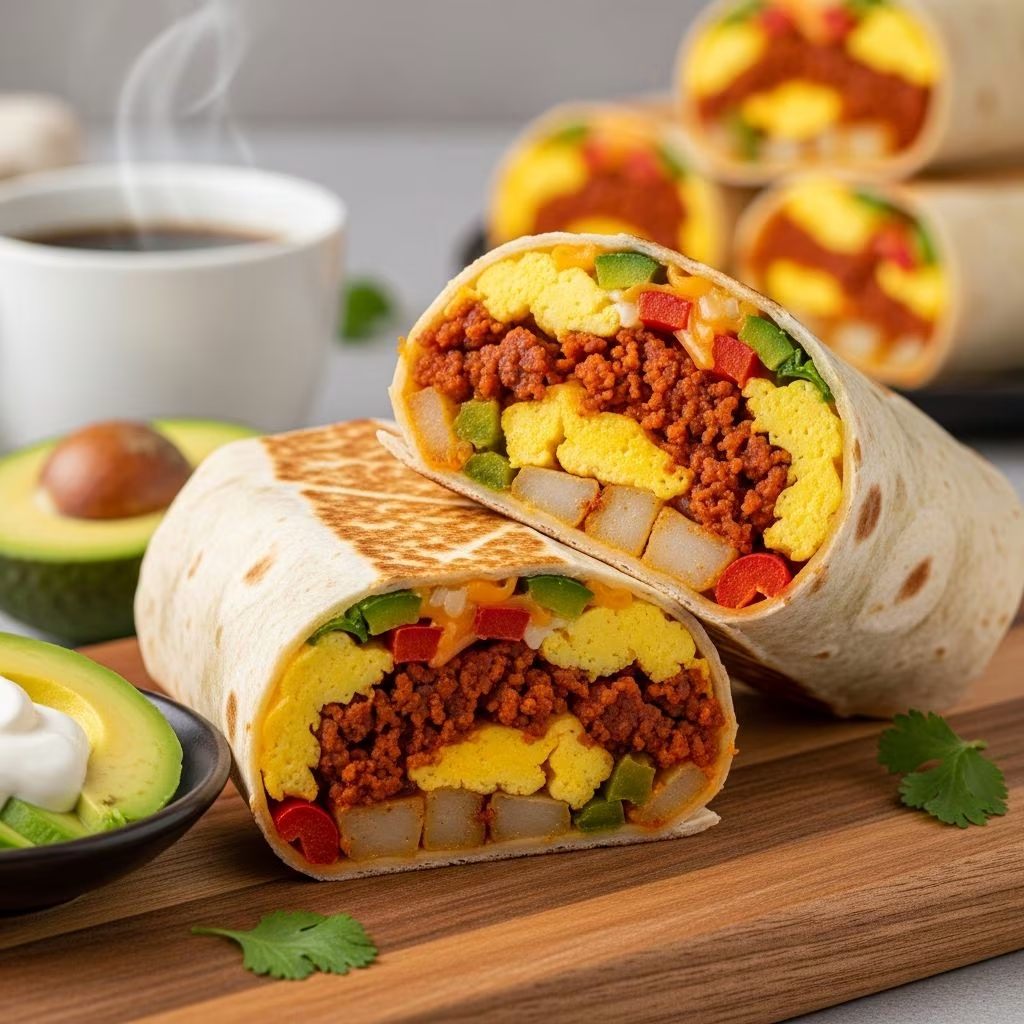
Mexican chorizo serves as the foundation for these flavorful burritos. This seasoned pork sausage brings distinctive warmth and depth to the filling, distinguishing it from milder breakfast meats. When cooked, chorizo releases flavorful oils that infuse the surrounding ingredients, creating a more cohesive and satisfying dish. The spice profile of quality chorizo enhances eggs and potatoes without overwhelming the palate, making it an excellent choice for those who appreciate bold breakfast flavors.
Selecting the right type of chorizo matters significantly. Fresh Mexican chorizo, typically sold as ground meat in a casing, performs better than pre-cooked varieties for this application. The raw meat crumbles easily during cooking and develops better texture and flavor integration with eggs and other fillings. Look for chorizo that contains traditional spices like chili peppers, garlic, and cumin rather than varieties with excessive fillers or preservatives.
Essential Ingredients for Flavorful Results
Creating memorable chorizo breakfast burritos requires attention to ingredient quality and proper proportions. The combination of proteins, vegetables, and dairy creates a balanced filling that satisfies without being overly heavy.
- Mexican chorizo: Approximately one-half pound provides sufficient filling for four large burritos, delivering robust flavor and protein content
- Eggs: Six to eight large eggs whisked together create a creamy base that binds the other ingredients cohesively
- Potatoes: Shredded or diced varieties contribute heartiness and texture, with approximately two cups providing adequate volume
- Cheese: A combination of cheddar and Monterey Jack creates ideal melting properties and flavor depth
- Flour tortillas: Large-sized varieties, ideally eight inches or larger, accommodate generous fillings while remaining rollable
- Aromatic vegetables: White or yellow onions, fresh jalapeños, and optional cilantro add complexity and freshness
Step-by-Step Preparation Process
Preparing the Protein Foundation
Begin by heating a large skillet over medium-high temperature. Add the raw chorizo and use a spatula to break the meat into small, uniform pieces as it cooks. This process typically requires three to four minutes. The chorizo will initially appear loose and wet; continue cooking until the meat begins showing signs of browning on the edges. At this point, introduce diced onions and jalapeño slices, stirring to distribute them evenly throughout the chorizo. Maintain medium-high heat for an additional three to four minutes, allowing the onions to soften and the chorizo to complete cooking through. The finished mixture should smell aromatic and show visible browning in spots, indicating proper flavor development.
Creating the Egg Component
While the chorizo mixture cooks, crack your eggs into a separate bowl and whisk vigorously with a fork until the whites and yolks combine completely. Season lightly with salt and freshly cracked pepper. If your skillet has space, you may cook the eggs in a separate pan; alternatively, remove the cooked chorizo mixture to a plate and add the eggs directly to the remaining flavorful drippings. This technique infuses the eggs with chorizo-flavored fat, creating superior taste. Cook over medium-low heat, stirring frequently to create soft curds rather than large chunks. The eggs should reach a set but still slightly moist texture, requiring approximately three to four minutes of cooking time.
Handling Potatoes and Vegetables
Potatoes may be prepared through multiple methods depending on available time and equipment. Shredded potatoes can be cooked separately in butter until golden and crispy, or pre-cooked hash browns can be warmed briefly before assembly. Sautéed vegetables such as bell peppers, mushrooms, or zucchini add nutritional value and textural variety. Cook vegetables with a small amount of butter or oil, a pinch of sea salt, and pepper for four to six minutes until they achieve a tender-crisp consistency. These components remain optional but contribute substantially to the final product’s complexity and appeal.
Mastering the Assembly and Rolling Technique
Proper burrito construction prevents filling from escaping during eating and creates an attractive presentation. Warm flour tortillas immediately before assembly using either a dry skillet, comal, or microwave, as warm tortillas remain pliable and less likely to tear. Lay each tortilla flat on a clean surface and position it like a diamond, with one corner pointing toward you.
Distribute filling ingredients in a horizontal line approximately two inches above the center point. Layer components strategically: position the potato layer first, followed by the chorizo and egg mixture, then top with shredded cheese and fresh herbs if using. This arrangement prevents the burrito from becoming too moist at the base. Avoid overfilling, as excessive contents prevent proper sealing and create mess during consumption.
Initiate rolling by folding the corner nearest to you upward and over the filling, tucking it snugly beneath the ingredients. Fold both left and right corners inward at forty-five-degree angles, creating neat triangular flaps. Finally, roll the burrito away from your body in one continuous motion, maintaining tension on the tortilla to create a compact cylinder. The seam should rest on the bottom surface, keeping the burrito secure without additional fastening.
Storage and Meal Prep Strategies
One significant advantage of chorizo breakfast burritos involves their exceptional freezer compatibility. Allow freshly assembled burritos to cool completely before wrapping individually in parchment paper or aluminum foil, then transfer to freezer-safe containers or bags. These preparations maintain quality for up to three months when properly stored. The foil or parchment wrapping serves dual purposes: it prevents freezer burn and facilitates reheating by providing a convenient wrapper for microwaving or oven warming.
For refrigeration, store wrapped burritos in an airtight container for up to four days. Reheating frozen burritos requires approximately three to four minutes in the microwave at half power, or ten to twelve minutes wrapped in foil in a preheated 350-degree-Fahrenheit oven. Unwrapping the foil partially during final heating prevents the tortilla from becoming excessively soft.
Customization and Flavor Variations
The versatility of this basic format encourages creative adaptations based on personal preferences and dietary considerations. Bell peppers, mushrooms, or spinach augment nutritional content without significantly altering the cooking process. Black beans or refried beans contribute additional protein and fiber, though they may add moisture requiring slightly less liquid-containing ingredients elsewhere. Different cheese varieties such as Oaxaca, queso fresco, or pepper jack introduce alternative flavor profiles and melting characteristics.
For those preferring milder versions, reducing chorizo quantity and incorporating turkey sausage creates a lighter option while maintaining traditional flavor foundations. Fresh salsa added just before rolling contributes acidity and brightness. Cilantro, parsley, or even fresh herbs like basil provide aromatic qualities that elevate the overall complexity without requiring additional cooking steps.
Nutritional Considerations
These burritos deliver substantial nutritional value as complete breakfast meals. A single burrito typically provides between 350 to 450 calories, depending on ingredient proportions and specific cheese selections. The protein content ranges from 15 to 20 grams, supporting satiety and stable blood sugar levels throughout the morning. Eggs contribute choline and lutein, supporting cognitive function and eye health. Chorizo provides B vitamins and iron, though individuals monitoring sodium intake should note that this ingredient contributes meaningfully to total daily intake. Incorporating vegetables increases fiber content and micronutrient density without substantially increasing calories.
Frequently Asked Questions
Can I prepare these burritos without cooking chorizo completely beforehand?
Partial cooking followed by refrigeration is not recommended due to food safety concerns. Cook chorizo thoroughly until no pink remains visible, ensuring harmful bacteria are eliminated before storage.
What tortilla size works best for maximum filling?
Large flour tortillas, ideally eight inches or larger, accommodate generous portions while remaining manageable to roll. Smaller tortillas require reduced filling quantities and may burst if overstuffed.
How can I prevent tortillas from tearing during rolling?
Warmth is critical—cold tortillas become brittle and tear easily. Microwave wrapped tortillas for 30 seconds or warm them individually on a skillet immediately before assembly.
Are these burritos suitable for freezing immediately after preparation?
Yes, they freeze exceptionally well when properly wrapped. Allow slight cooling first to prevent condensation buildup, then wrap individually before transferring to freezer containers.
What reheating method produces the best texture?
Oven reheating at 350 degrees Fahrenheit wrapped in foil preserves tortilla texture better than microwaving, though it requires additional time. Unwrap partially during the final minutes to prevent excessive softening.
Tips for Success
- Cook chorizo until edges show browning, indicating proper flavor development
- Use medium-low heat for eggs to prevent overcooking and maintain creamy texture
- Warm tortillas immediately before assembly to ensure pliability
- Distribute filling evenly to prevent lopsided burritos
- Maintain tension while rolling to create compact, secure packages
- Wrap cooled burritos immediately to preserve moisture and prevent surface drying
- Label frozen burritos with preparation date for inventory management
Conclusion
Chorizo breakfast burritos represent an intelligent solution for individuals seeking convenient, satisfying morning meals that don’t compromise on flavor or nutrition. The preparation process, while straightforward, benefits from understanding each component’s role in the final product. Proper ingredient selection, careful cooking techniques, and mastery of the rolling process distinguish excellent homemade burritos from mediocre versions. Whether preparing a single batch for immediate consumption or assembling multiple portions for weekly meal prep, this recipe delivers consistent results that satisfy hunger and provide sustained energy throughout busy mornings. The freezer compatibility and straightforward reheating process make chorizo breakfast burritos an accessible breakfast option for anyone from college students to busy professionals seeking reliable morning nutrition.
References
- Nutrition and Health Information from the United States Department of Agriculture — USDA Food Data Central. Accessed 2026. https://fdc.nal.usda.gov/
- Food Safety Guidelines for Meat Preparation — Centers for Disease Control and Prevention (CDC). 2024. https://www.cdc.gov/foodsafety/
- Traditional Mexican Breakfast Preparation Methods — Smithsonian Institution Collections. Accessed 2026. https://www.si.edu/