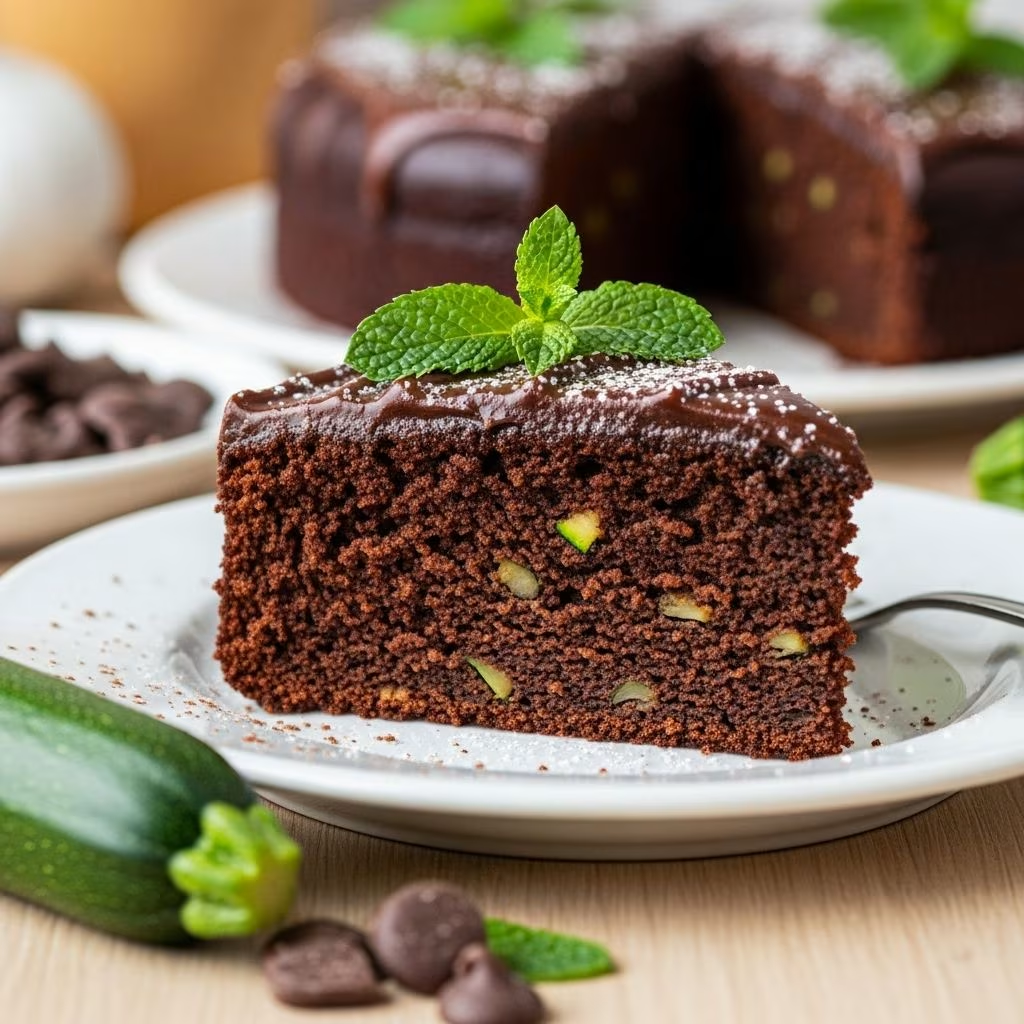
One of the most rewarding desserts to master in your baking repertoire is the chocolate zucchini cake—a dessert that successfully marries richness with a surprising nutritional advantage. This versatile treat has become increasingly popular among home bakers who appreciate its exceptional moisture content and the clever way hidden vegetables can elevate a classic chocolate dessert. Whether you’re preparing this cake for a family gathering, weekend treat, or special occasion, understanding the nuances of this recipe will transform your baking outcomes significantly.
Understanding the Chemistry Behind Zucchini in Baking
The foundation of an exceptional chocolate zucchini cake rests on comprehending why zucchini functions so effectively in this application. Zucchini acts as a moisture-retaining agent that transforms the texture of your finished cake, creating a tender crumb structure that remains fresh for extended periods. Unlike traditional cakes that can become dry within hours, zucchini-enhanced baked goods maintain their moistness due to the vegetable’s high water content and ability to distribute moisture evenly throughout the batter.
The water present in raw zucchini serves a dual purpose in cake preparation. First, it hydrates the flour and other dry ingredients more efficiently than liquid alone, creating better gluten development and more uniform batter consistency. Second, as the cake bakes, the zucchini releases its moisture gradually, preventing the cake from drying out even after cooling. This characteristic makes chocolate zucchini cake particularly forgiving for bakers who may leave it in the oven slightly longer than intended.
Essential Ingredients and Their Functions
Creating an outstanding chocolate zucchini cake requires understanding what each ingredient contributes to the final product. Below is a comprehensive breakdown of the key components:
| Ingredient | Quantity | Primary Function |
|---|---|---|
| All-purpose flour | 1.5-2 cups | Structure and crumb formation |
| Unsweetened cocoa powder | 0.33-0.5 cup | Deep chocolate flavor and color |
| Sugar (granulated) | 1-1.5 cups | Sweetness and moisture retention |
| Brown sugar | 0-0.5 cup | Additional moisture and molasses flavor |
| Eggs | 2-3 large | Binding and structure |
| Oil or butter | 0.5-0.75 cup | Richness and tender crumb |
| Shredded zucchini | 1-3 cups | Moisture and texture enhancement |
| Baking soda | 1-1.5 tsp | Leavening agent |
| Baking powder | 0-1 tsp | Additional leavening |
| Vanilla extract | 1-2 tsp | Flavor enhancement |
Preparing Your Zucchini: Techniques for Optimal Results
The preparation method you choose for your zucchini significantly impacts your cake’s final texture and taste. Zucchini preparation is a critical step that many home bakers overlook, yet it determines whether your cake becomes dense and gummy or perfectly moist and tender.
When selecting zucchini, choose medium-sized specimens that are firm and free from soft spots. Medium zucchini typically contain less water and have a more delicate flavor compared to larger, mature zucchini. After washing thoroughly, you can shred the zucchini using a box grater, food processor, or specialized julienne tool. The shred size should be consistent—approximately match-stick thickness works well for even moisture distribution.
The question of whether to squeeze excess moisture from your zucchini deserves careful consideration. Some recipes recommend leaving the zucchini unsqueezed to maximize moisture content, while others suggest lightly blotting or gently squeezing to remove excess water. The best approach depends on your zucchini variety and personal preference. If you notice your batter becoming unusually wet or your finished cake appearing dense, light squeezing through cheesecloth or a clean kitchen towel can resolve this issue.
Building Intense Chocolate Flavor
Achieving profound chocolate taste in your zucchini cake requires intentional technique. Simply combining cocoa powder with other ingredients produces adequate chocolate flavor, but exceptional results demand more sophisticated approaches.
Blooming cocoa powder stands as one of the most effective methods for intensifying chocolate flavor. This technique involves mixing unsweetened cocoa powder with hot water or hot brewed coffee, stirring until completely smooth, then incorporating this mixture into your wet ingredients. The heat activates the cocoa’s flavor compounds and aromatics, creating a significantly more robust chocolate taste in your finished cake. Additionally, some bakers use espresso powder—added in small quantities—to deepen chocolate notes without creating a coffee-flavored dessert.
Chocolate chips provide textural contrast and additional chocolate flavor throughout your cake. Folding these in at the end of mixing prevents excessive breakdown while ensuring even distribution. Semi-sweet, dark, or milk chocolate chips can be used depending on your desired sweetness level and chocolate intensity.
Mixing Methods and Batter Preparation
The approach you take to mixing your batter directly influences your cake’s final texture and rise. The standard method involves two distinct mixing stages:
- Combine all dry ingredients (flour, cocoa powder, baking soda, baking powder, salt, and any spices) in a large mixing bowl using a whisk to ensure even distribution
- In a separate bowl, beat together wet ingredients (eggs, oil or melted butter, sugar, sour cream or yogurt, and vanilla) until thoroughly combined
- Gently fold wet ingredients into dry ingredients until barely combined—avoid overmixing
- Add shredded zucchini and fold until evenly distributed
- Finally, fold in chocolate chips using minimal stirring motions
This gentle folding approach prevents overdeveloping gluten, which would result in a tough, dense cake. Your final batter should appear slightly thick and textured from the zucchini shreds—this consistency is correct and will produce the desired moistness in your baked cake.
Baking Guidelines and Temperature Management
Successful chocolate zucchini cake baking depends on proper oven temperature and baking duration. Preheat your oven to 350°F (175°C), allowing at least 15 minutes for complete heating. Position your oven rack in the center position to ensure even heat circulation.
Cake pan selection influences baking time and texture development. A 9×13-inch rectangular pan typically requires 30-35 minutes for a cake of appropriate thickness, while two 9-inch round pans may require 25-30 minutes. Smaller, deeper pans necessitate longer baking times. To determine doneness, insert a toothpick or skewer into the cake’s center—it should emerge with a few moist crumbs but no wet batter.
Allow your cake to cool in the pan for 10-15 minutes before turning it out onto a wire cooling rack. This resting period allows the cake to firm up enough to unmold cleanly while remaining moist. Complete cooling before frosting prevents frosting from melting and sliding off the warm cake.
Frosting and Flavor Combinations
The frosting you select dramatically shapes your final dessert experience. Chocolate cream cheese frosting stands as the most popular choice, offering tangy richness that balances the cake’s sweetness perfectly. To prepare this frosting, beat softened cream cheese and butter until fluffy, then gradually incorporate sifted powdered sugar and unsweetened cocoa powder. A small amount of milk adjusted to your preferred consistency completes this frosting.
Alternative frosting options include:
- Classic chocolate fudge frosting using butter, cocoa powder, and powdered sugar for a more traditional approach
- Vanilla buttercream for contrasting flavor and lighter appearance
- Simple ganache made from melted chocolate and heavy cream for an elegant, glossy finish
- Whipped cream topping for a lighter, less sweet option
Storage and Longevity
One of chocolate zucchini cake’s exceptional qualities is its extended shelf life compared to standard cakes. The zucchini’s moisture content and the cake’s dense crumb structure allow it to remain fresh significantly longer.
Store unfrosted cake layers wrapped tightly in plastic wrap at room temperature for up to two days. Frosted cakes keep best in the refrigerator, where they actually improve in flavor and texture over 24-48 hours. The cake’s flavors meld and develop further during refrigeration, creating a superior dessert experience. Always bring refrigerated cake to room temperature for 30 minutes before serving for optimal flavor and texture.
Frozen storage extends your cake’s life for up to three months. Wrap unfrosted layers individually in plastic wrap, then aluminum foil before freezing. Allow frozen cake to thaw at room temperature for several hours before frosting or serving.
Troubleshooting Common Baking Issues
Even experienced bakers encounter occasional challenges with chocolate zucchini cake. Understanding common problems and their solutions ensures consistent success:
- Dense, gummy texture: Indicates excessive zucchini moisture or overmixing. Use squeezed zucchini and fold ingredients gently with minimal stirring
- Dry cake: May result from overbaking or insufficient fat content. Reduce baking time by a few minutes or add an additional egg or tablespoon of oil
- Flat, dense cake with no rise: Suggests stale leavening agents or incorrect ratios. Check expiration dates on baking soda and powder; measure ingredients by weight when possible
- Sunken center: Often caused by opening the oven door during baking or underbaking. Avoid opening the oven until minimum baking time has passed
- Chocolate chips sinking to bottom: Reserve a small amount of dry ingredient mixture and toss chocolate chips in this before folding in to help them distribute evenly
Frequently Asked Questions
Can I use different types of zucchini in this recipe?
Yes, though medium zucchini produces the best results. Yellow zucchini works identically to green varieties. Avoid very large, mature zucchini, which contain excessive water and larger seeds that may affect texture.
What is the best oil to use in this cake?
Canola oil produces neutral results that don’t interfere with chocolate flavor. Vegetable oil works similarly. Olive oil imparts too strong a flavor for this application.
Can I substitute dairy-free alternatives in this recipe?
Yes, with modifications. Use dairy-free sour cream or coconut yogurt, and replace cream cheese frosting with dairy-free cream cheese. Eggs provide structure and are more difficult to replace—try a commercial egg replacer following package directions.
How can I make this cake healthier?
Substitute all-purpose flour partially with whole wheat flour (up to 25% of total flour). Use almond flour or oat flour for some of the all-purpose flour. Reduce sugar slightly and replace some with applesauce. Use unsweetened cocoa powder exclusively.
Does this cake work well for layer cakes?
Absolutely. The zucchini’s moisture content makes this cake particularly stable for multi-layer constructions. The cake maintains its structure while remaining tender.
Conclusion
Mastering chocolate zucchini cake represents an accomplishment in any baker’s journey. The technique of incorporating vegetables into desserts while maintaining exceptional flavor and texture opens possibilities for creative variations and impressive presentations. By understanding the science behind moisture retention, flavor development, and proper mixing techniques, you’ll consistently produce cakes that earn praise and requests for the recipe. Whether you’re a novice baker exploring new possibilities or an experienced pastry enthusiast refining your skills, chocolate zucchini cake rewards careful attention to technique with results that prove absolutely delicious.
References
- Baking Science: How Moisture Affects Cake Structure — American Institute of Baking. 2024. https://www.aibonline.org/
- The Role of Vegetables in Baked Goods — Purdue University Department of Food Science. 2023. https://www.purdue.edu/
- Cocoa Powder Processing and Flavor Development — International Cocoa Organization. 2024. https://www.icco.org/
- Food Storage Guidelines for Baked Goods — United States Department of Agriculture Food Safety and Inspection Service. 2023. https://www.usda.gov/
- The Science of Gluten Development in Baking — King Arthur Baking Company Educational Resources. 2024. https://www.kingarthurbaking.com/