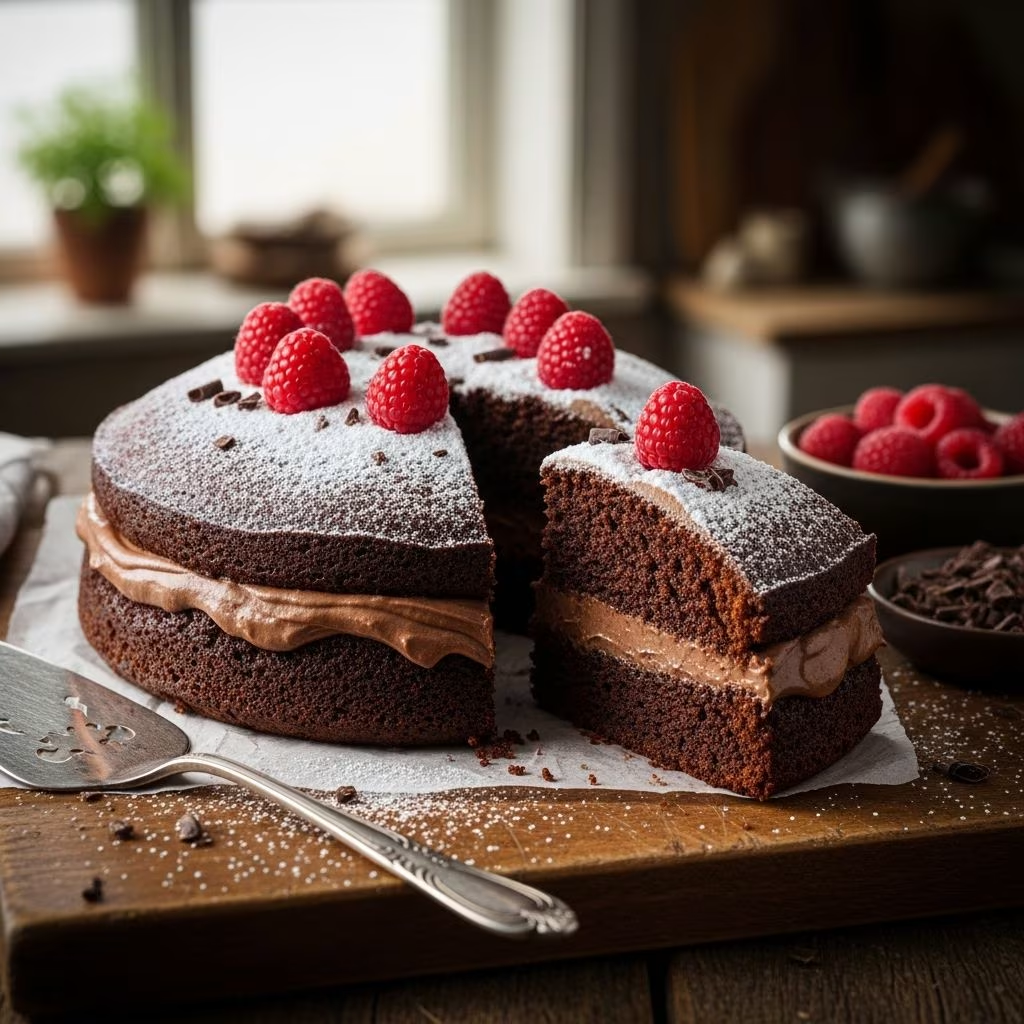
Chocolate pudding cake stands as one of the most beloved desserts in home baking, cherished for its deceptive simplicity and remarkably impressive results. This self-saucing wonder transforms basic ingredients into a warm, gooey masterpiece that requires minimal skill yet delivers restaurant-quality indulgence. The magic lies in a straightforward technique where hot liquid poured over cake batter creates an unexpected chocolate sauce layer while the cake rises above it, leaving home bakers and dinner guests equally amazed.
Understanding the Science Behind Self-Saucing Cakes
The fundamental principle that makes chocolate pudding cake work involves density and heat distribution. When you combine cake batter with a cocoa and sugar mixture on top, then pour hot water or liquid over everything, an interesting chemical transformation occurs during baking. The heavier cocoa-sugar layer gradually sinks through the cake batter as it bakes, while steam and heat cause the lighter cake components to rise upward. This natural separation creates two distinct textures within a single pan: a moist, tender cake layer above and a rich, fudgy pudding-like sauce beneath.
The water or liquid you pour over the batter serves as both a hydrating agent and a medium for heat transfer. As the oven temperature rises, this liquid breaks down the dry ingredients and creates steam, which helps the cake achieve its characteristic light crumb while simultaneously forming the pudding layer at the bottom. This technique demonstrates how understanding basic baking science can elevate your results without requiring advanced skills or specialized equipment.
Essential Ingredients and Their Roles
Creating chocolate pudding cake requires careful selection of quality ingredients, as the recipe contains relatively few components. Each ingredient serves a specific purpose in developing texture, flavor, and moisture:
- All-purpose flour provides structure and helps create the tender crumb of the cake layer. Quality matters here, as flour directly impacts how the cake rises and sets during baking.
- Cocoa powder delivers the essential chocolate flavor. Dutch-processed cocoa offers deeper, richer tones, while natural cocoa provides brighter chocolate notes. The quantity determines how intensely chocolatey your final dessert tastes.
- Granulated sugar sweetens the cake batter and contributes to the pudding sauce layer, helping create that essential fudgy consistency.
- Brown sugar adds complexity and depth, contributing molasses notes that enhance the overall chocolate flavor profile and create a thicker, more luxurious sauce.
- Baking powder acts as the leavening agent, allowing the cake to rise properly during baking and creating its light, airy texture.
- Milk hydrates the dry ingredients and contributes to both the cake’s moisture and the pudding layer’s consistency.
- Butter provides fat for tenderness and contributes to the overall richness of both the cake and sauce.
- Vanilla extract rounds out the flavor profile and prevents the chocolate from tasting one-dimensional.
- Hot water serves as the catalyst for creating the pudding layer and should be added carefully to avoid excessive stirring.
Preparation Methods: Traditional Versus Quick Versions
Home bakers can choose between two primary approaches to making chocolate pudding cake, each with distinct advantages depending on your time availability and ingredient preferences.
The From-Scratch Method
This traditional approach involves combining individual dry ingredients and wet ingredients separately before combining them. Start by sifting together flour, cocoa powder, baking powder, and salt in a medium bowl, then add granulated sugar and mix thoroughly. In a separate container, whisk together milk, melted butter, and vanilla until fully incorporated. Pour the wet mixture into the dry ingredients and stir only until the batter just comes together—overmixing develops gluten and creates a tough cake rather than the desired tender crumb.
After preparing the cake batter, spread it evenly into your prepared baking pan. The next crucial step involves creating the topping mixture. Combine cocoa powder and a mixture of white and brown sugar in a separate bowl, then sprinkle this mixture evenly over the cake batter. Gently pour hot water over the top without stirring—this restraint proves essential, as mixing would redistribute the ingredients and prevent the sauce layer from forming properly.
The Simplified Shortcut Approach
For those preferring faster preparation, using boxed cake mix and instant pudding mix creates chocolate pudding cake with minimal effort. Whisk instant chocolate pudding mix with milk in a saucepan and bring to a boil over medium heat, stirring constantly. Fold this cooked pudding into dry boxed cake mix in a large bowl, then pour into a prepared baking dish. Sprinkle chocolate chips on top and bake until set. This method sacrifices some depth of flavor but delivers respectable results in a fraction of the time.
Step-by-Step Baking Instructions
Successfully executing chocolate pudding cake requires following each step with precision. Begin by preheating your oven to 350°F and greasing an appropriate-sized baking pan—typically 8×8 inches for smaller batches or 9×13 inches for larger servings. Proper pan preparation prevents sticking and ensures even heat distribution.
Prepare your cake batter using your chosen method, ensuring all dry ingredients pass through a sifter to eliminate lumps. Combine wet ingredients thoroughly before folding them into the dry mixture. The batter should be thick but pourable; if it seems too stiff, add milk a tablespoon at a time until reaching the proper consistency.
Spread the batter evenly into your prepared pan, smoothing the surface with a spatula. Combine cocoa powder and sugar mixture and sprinkle it evenly over the cake batter—don’t skip the even distribution step, as clumps create uneven sauce formation. Carefully pour hot water over the entire surface in a gentle, steady stream. Resist any urge to stir or whisk, as this disrupts the chemical process creating the pudding layer.
Place the pan in the preheated oven and bake for 35-40 minutes, or until the cake layer on top appears set and slightly firm to the touch. The pudding layer beneath will remain wet and gooey—this is exactly what you want. Remove from the oven and allow to cool for at least 15 minutes before serving, as serving immediately while extremely hot makes plating difficult and eating uncomfortable.
Ingredient Variations and Customizations
While the classic recipe remains delicious, several variations can adapt chocolate pudding cake to your preferences:
| Variation | Changes | Result |
|---|---|---|
| Espresso Enhancement | Add 1-2 teaspoons instant coffee powder to dry ingredients | Deeper, more complex chocolate flavor without coffee taste |
| Add-In Inclusions | Fold chocolate chips, nuts, toffee bits, or mint chips into batter | Textural variety and complementary flavor notes |
| Vegan Adaptation | Replace milk with almond milk, butter with coconut oil, use flax eggs | Plant-based version maintaining comparable texture and flavor |
| Double Chocolate | Use both dark and semi-sweet chocolate varieties in the sauce layer | Enhanced chocolate complexity and sophisticated flavor profile |
Serving Suggestions and Accompaniments
Chocolate pudding cake shines brightest when served warm, ideally within an hour of baking. The contrast between the still-warm pudding sauce and cooling cake creates an ideal eating experience. Vanilla ice cream melting into the warm gooey center remains the classic pairing, providing cooling contrast and creamy richness that complements the deep chocolate flavors perfectly.
For more sophisticated presentations, consider whipped cream infused with a hint of vanilla or espresso. Fresh raspberries or cherries provide tart brightness that cuts through the dessert’s richness. A dusting of cocoa powder just before serving adds visual appeal and reinforces the chocolate theme.
Some bakers enjoy serving smaller portions in individual ramekins, which allows for elegant plating and easier portion control. This presentation method works particularly well for dinner parties or special occasions where presentation matters as much as taste.
Storage and Make-Ahead Tips
Chocolate pudding cake keeps reasonably well when stored properly. Allow the completely cooled cake to sit at room temperature for up to 24 hours, covered loosely with plastic wrap or aluminum foil. The pudding layer may firm up slightly as it cools, but reheating gently restores the desired gooey consistency.
For longer storage, refrigerate the cake in an airtight container for up to three days. Reheat individual servings in the microwave for 20-30 seconds, just enough to warm through without overheating. Freezing is possible but not recommended, as the texture changes considerably and the pudding layer becomes undesirably grainy upon thawing.
The cake batter can be prepared several hours in advance, but add the hot water and bake immediately before serving for best results. Preparing components separately and assembling just before baking ensures optimal texture and sauce formation.
Common Mistakes to Avoid
Overmixing the batter: This develops excessive gluten, resulting in a tough, dense cake rather than the desired tender crumb. Mix only until ingredients just combine.
Stirring after adding hot water: This redistributes ingredients and prevents proper sauce formation. Leave everything undisturbed once the water goes in.
Using water that isn’t hot enough: The water temperature matters significantly, as insufficient heat won’t trigger proper separation. Boil the water immediately before pouring.
Baking at incorrect temperature: Too-high heat browns the top excessively before the pudding layer forms. Too-low heat results in underbaked cake. Invest in an oven thermometer for accuracy.
Overbaking: Once the top appears set and slightly firm, remove the cake immediately. Excessive baking dries out both layers and reduces the pudding sauce’s gooiness.
Frequently Asked Questions
Can I make chocolate pudding cake in advance?
Yes, prepare all ingredients and combine the batter, but add hot water and bake immediately before serving. The cake is best enjoyed fresh and warm.
What pan size should I use?
An 8×8-inch square pan works well for 4-6 servings, while a 9×13-inch rectangular pan serves 8-10 people. The baking time may vary slightly with pan size.
Can I use natural cocoa powder instead of Dutch-processed?
Yes, though Dutch-processed cocoa provides slightly deeper flavor. Natural cocoa works fine but may taste less rich.
Is it okay if the pudding layer is thinner than expected?
Thickness varies based on humidity, oven accuracy, and ingredient measurements. As long as a gooey layer exists beneath the cake, consider it successful.
How do I know when the cake is done baking?
The top cake layer should appear set and slightly firm to the touch. A toothpick inserted in the cake portion (not the pudding) should come out mostly clean.
Why This Dessert Endures
Chocolate pudding cake represents an elegant paradox: incredibly easy yet genuinely impressive. The minimal ingredient list and straightforward technique appeal to novice bakers, while the dramatic presentation and restaurant-quality results satisfy those seeking something special. Its warm, comforting nature makes it perfect for casual family dinners and festive occasions alike. The self-saucing magic that occurs in the oven never fails to surprise and delight, making this dessert a timeless classic worthy of regular rotation in any baker’s repertoire.
References
- All-Purpose Flour and Cocoa Powder in Cake Baking — King Arthur Baking Company. 2024. https://www.kingarthurbaking.com/learn/ingredient-encyclopedia/articles/flour-in-baking
- Self-Saucing Desserts and Heat Transfer in Baking — Food Science Institute, University of Guelph. 2023. https://www.uoguelph.ca/
- Understanding Leavening Agents in Baking Chemistry — American Chemical Society. 2024. https://www.acs.org/
- Cocoa Powder Types and Their Applications in Desserts — International Cocoa Organization. 2024. https://www.icco.org/
- Sugar’s Role in Baking and Sauce Formation — Institute of Culinary Education. 2023. https://www.iceculinary.com/
- Plant-Based Baking Substitutes and Alternatives — Oldways Preservation Trust. 2024. https://oldwayspt.org/