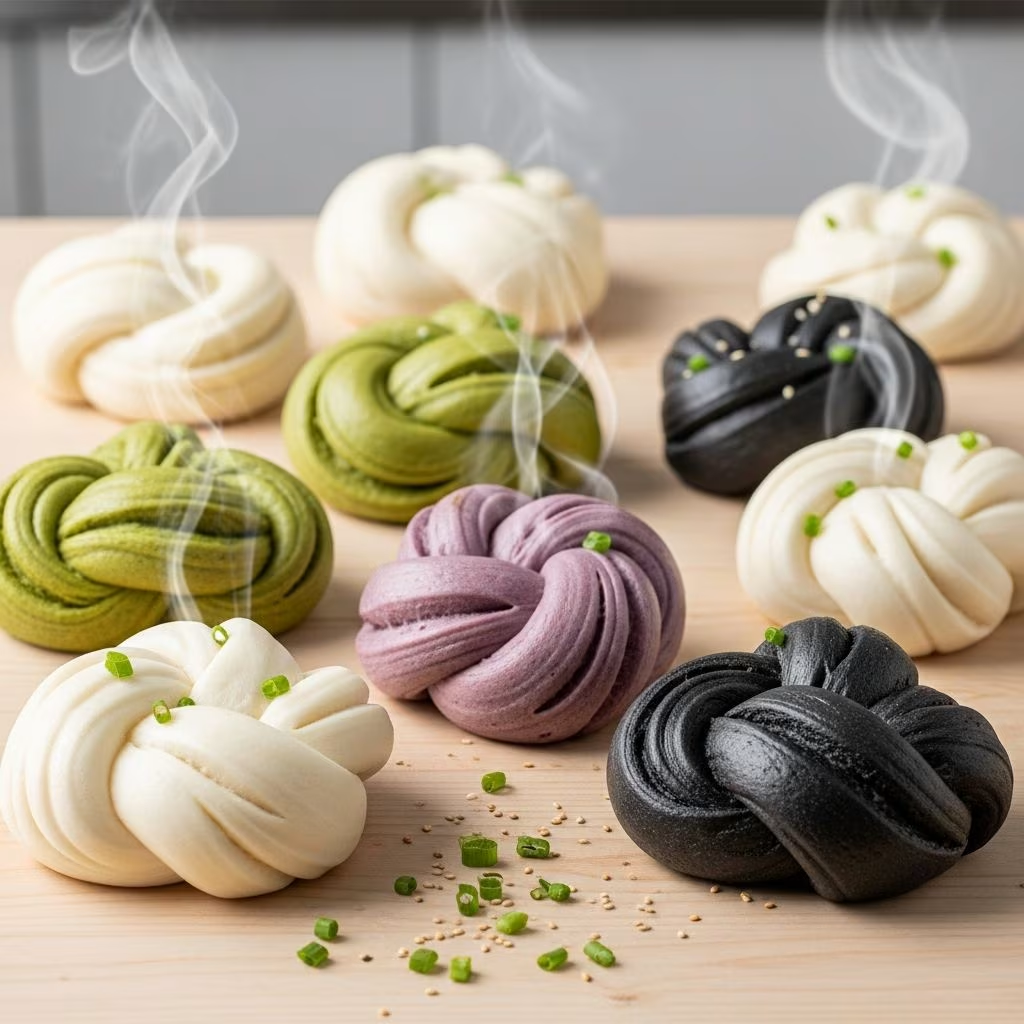
Chinese steamed buns, known as mantou, represent one of the most versatile and accessible breads in Asian cuisine. While traditional round or dome-shaped mantou remain popular, the twisted knot variation offers bakers an opportunity to elevate their presentation while maintaining the same pillowy texture and satisfying crumb. These decorative buns combine functional baking technique with artistic shaping, making them suitable for both everyday meals and special occasions.
Understanding Mantou: Foundation of Chinese Steamed Buns
Mantou refers to a category of soft, slightly sweet steamed buns that have been a staple in Chinese cuisine for centuries, particularly throughout northern regions. Unlike their counterparts with filling, plain mantou serve as versatile accompaniments to savory dishes, absorbing sauces and gravies while providing textural contrast to main courses. The characteristic light, airy crumb develops through the combination of yeast fermentation, steam cooking, and specific ingredient ratios that prevent dense, gummy textures.
The fundamental appeal of mantou lies in their simplicity and adaptability. The basic dough requires only flour, water, yeast, and minimal seasonings. This straightforward formula allows home bakers to achieve professional results without specialized equipment or advanced techniques. When shaped into decorative knots, mantou transform into conversation-starting additions to any table, surprising diners with their elegant appearance despite their humble ingredient list.
Essential Ingredients for Knot-Shaped Mantou
Creating quality mantou knots begins with understanding ingredient selection and measurement precision. Professional bakers emphasize the importance of using a kitchen scale rather than volume measurements, as flour density varies significantly depending on how it’s packed and measured.
- All-purpose flour: Forms the structural foundation of the dough. A standard batch requires approximately 250-360 grams, with the exact amount depending on humidity levels and desired final consistency.
- Instant dry yeast: Provides leavening power. Quantities typically range from 4-5 grams per batch, equivalent to approximately one teaspoon. Instant yeast requires no activation and can be mixed directly into dry ingredients.
- Baking powder: Serves as a supplementary leavening agent alongside yeast. This combination, ranging from 3-4 grams, reduces overall fermentation time and creates a tender crumb structure.
- Sugar: Enhances browning and provides subtle sweetness. Typically 25-35 grams per batch balances flavor without creating overly sweet bread.
- Milk powder: Contributes to browning and adds subtle richness. Around 20 grams enriches the crumb without overwhelming other flavors.
- Vegetable oil: Prevents dryness and promotes tender texture. Approximately 35 grams distributed throughout the dough aids in gluten development while maintaining moisture.
- Warm water: Acts as the hydrating medium for dough formation. Water temperature should hover around body temperature, approximately 35-40°C, to activate yeast without killing it through excessive heat.
- Salt: A pinch enhances flavor and strengthens gluten structure. Many recipes incorporate minimal salt since milk powder and other ingredients already provide adequate seasoning.
Advanced Dough Development Techniques
Creating mantou dough requires thoughtful approach to mixing and kneading. The goal involves developing sufficient gluten structure to trap steam during cooking, creating the characteristic fluffy texture, while avoiding overworking that produces dense, tough results.
Many experienced bakers employ the two-stage mixing method. During the first phase, combine all dry ingredients thoroughly to distribute leavening agents evenly throughout the flour. This critical step ensures even rise throughout the dough rather than creating pockets with excessive yeast activity. Using a whisk or your fingers, break up any lumps of milk powder or flour that might create inconsistent hydration.
The second phase introduces water gradually while mixing continuously. Rather than pouring all liquid at once, introduce water in thirds, mixing thoroughly between additions. This technique prevents dry pockets while avoiding oversaturation that creates slack, unworkable dough. After complete hydration, transfer the mixture to a clean work surface and begin kneading.
Kneading duration typically spans 10-15 minutes when working by hand, though standing mixers reduce this to 5-8 minutes. The transformation during kneading is dramatic: rough, shaggy dough gradually becomes smooth and elastic. Properly kneaded dough should pass the windowpane test—a small piece stretches thin enough to see light through it without tearing.
Primary Fermentation and Dough Preparation
Once kneading reaches completion, place dough into a lightly oiled bowl, turning it once to coat all surfaces. This prevents surface drying during fermentation. Cover the bowl with a damp cloth or plastic wrap and allow it to rest in a warm, draft-free location. Optimal fermentation temperature ranges from 24-27°C, with fermentation typically requiring 60-90 minutes until dough approximately doubles in volume.
The fermentation phase develops flavor compounds and continues gluten development initiated during kneading. This lengthy rest allows yeast cells to reproduce and generate carbon dioxide, creating the network of tiny bubbles responsible for the tender, open crumb structure characteristic of excellent mantou.
After fermentation completes, gently press down the dough to release excess gas. Overworking at this stage damages gluten development achieved through careful kneading and fermentation. A light hand ensures maintained air structure while preparing dough for shaping. Allow the dough to rest for 5-10 minutes at room temperature before proceeding to shaping.
Mastering the Knot-Shaping Technique
The decorative knot shape distinguishes this mantou variation from standard round versions, requiring specific hand movements that become intuitive with practice. Success depends on working with dough at appropriate temperature and consistency—too cold and it resists shaping; too warm and it becomes sticky and difficult to handle.
Begin by dividing the fermented dough into equal portions, typically 6-8 pieces depending on desired final size. Roll each portion between your palms into a rope approximately 15-20 centimeters long and roughly 1.5 centimeters in diameter. Consistent rope dimensions ensure even cooking throughout the batch.
With the rope formed, execute the knot configuration through deliberate hand movements. Position the rope horizontally on your work surface. Cross the right end over the left end, creating a loop on the left side. Tuck the right end through this loop from above, then bring it back underneath and over the top of the knot structure. This series of movements creates the characteristic twisted appearance. The final step involves tucking any loose ends beneath the knot to create a compact, finished appearance.
Practice develops muscle memory for these movements. Initial attempts may produce asymmetrical or loose knots, but repetition quickly improves consistency and speed. Properly shaped knots maintain relatively uniform dimensions and present a balanced, pleasing appearance that distinguishes them from hastily formed variations.
Preparing for Steam Cooking
Once shaping completes, individual knots require placement on squares of parchment paper, typically 10 centimeters square. This prevents direct contact with steamer surfaces, which would create stuck, damaged bun surfaces. The paper squares also allow easy transfer of buns into and out of the steamer without distorting carefully crafted shapes.
Position shaped knots on their paper squares and allow a secondary fermentation period of 30-45 minutes at room temperature. During this time, shaped dough continues rising as residual yeast activity generates additional carbon dioxide. This secondary rise produces lighter, airier final buns compared to steaming immediately after shaping.
Fill your steamer apparatus with water according to manufacturer instructions, typically allowing for 5-7 centimeters of clearance between water level and steaming surface. Bring water to rolling boil, ensuring robust steam generation before introducing buns. This high-temperature steam prevents condensation on bun surfaces that creates wrinkled, unappetizing finishes.
Steaming Process and Timing Considerations
Arrange parchment-wrapped knots on steaming racks with 2-3 centimeters of space between each bun. Overcrowding restricts steam circulation and produces unevenly cooked buns. Working in batches, if necessary, ensures optimal results even when preparing large quantities.
Steam buns for 12-15 minutes depending on size and your specific steaming equipment. Larger buns require additional time to allow heat penetration to the center, while smaller buns cook more quickly. The knots are finished when they appear noticeably larger than pre-steamed versions and the surface feels firm yet slightly springy when gently pressed.
A helpful indicator of doneness involves checking the bun’s resistance. When pressed gently with a finger, properly steamed mantou should slowly spring back without leaving a permanent indentation. Understeamed buns may appear slightly dense, while oversteamed buns become increasingly chewy and potentially gummy if steaming continues excessively.
After steaming completes, allow buns to cool for 2-3 minutes before removing them from the steamer. This brief cooling prevents the sudden temperature drop that can shock the dough structure and cause wrinkled surfaces. Remove parchment paper gently and transfer cooled knots to a wire rack or serving platter.
Storage and Serving Recommendations
Freshly steamed mantou knots taste best consumed within a few hours of preparation. Room-temperature storage for up to 8 hours maintains acceptable quality, though the crumb gradually becomes firmer as moisture evaporates. For extended storage, refrigeration or freezing preserves buns successfully.
Refrigerated mantou remain usable for 3-4 days when wrapped in airtight containers or plastic wrap. Reheating involves brief steaming or microwaving with a small water amount to restore moisture. Frozen buns maintain quality for up to 2 months when properly wrapped to prevent freezer burn. Thawing at room temperature followed by gentle resteaming returns buns to near-fresh condition.
Traditionally, mantou pair with savory braised dishes where their neutral flavor and absorbent texture complement rich sauces and gravies. The decorative knot shape makes them particularly suitable for special meals where presentation enhances the dining experience. They also work nicely as standalone snacks, particularly when paired with sweet dipping sauces like sweetened condensed milk or honey.
Troubleshooting Common Shaping and Cooking Issues
Dense, gummy crumb: Usually results from excessive moisture in dough or inadequate fermentation time. Ensure proper water measurement and allow full fermentation periods before shaping.
Wrinkled surfaces: Often caused by steaming over insufficient water heat or rapid temperature changes. Maintain rolling boil before introducing buns and allow brief cooling before removing from steamer.
Asymmetrical knots: Develop from inconsistent rope dimensions or incomplete tuck movements. Practice rope rolling and spend time perfecting the crossing and tucking sequence.
Collapsed buns: Typically indicate overproofing where fermentation extends too long. Reduce proofing time or use cooler fermentation location to slow yeast activity.
Variations and Creative Adaptations
Once mastering basic knot-shaped mantou, bakers can explore numerous variations. Scallion knots incorporate minced green onions into the dough or layer them between rope layers before shaping. Sesame-topped knots receive a light oil brushing and sesame seed coating before fermentation, creating nutty-flavored crusts.
Colored doughs produced by adding small amounts of vegetable-based food coloring or natural colorants like matcha powder or squid ink create visually striking variations while maintaining traditional texture and flavor profiles. These adaptations make mantou knots particularly appealing for celebration menus and themed meals.
Different shaping approaches produce flower-shaped, braided, or spiral variations using the same dough formula. Exploring these alternatives deepens baking skills while maintaining the essential techniques of fermentation, steaming, and steam-based cooking that define mantou preparation.
Frequently Asked Questions
- Can I prepare dough the night before shaping?
- Yes, many bakers benefit from overnight cold fermentation. This extended fermentation develops flavor while reducing time pressure during preparation. Shape knots from refrigerated dough after allowing 15-20 minutes of room temperature warming.
- What water temperature works best for yeast activation?
- Water between 35-40°C activates instant yeast without killing it through excessive heat. Test temperature by immersing your clean finger—it should feel comfortably warm without burning sensation.
- How do I achieve glossy bun surfaces?
- Light egg wash brushing before steaming produces glossy finishes. Some bakers brush buns with diluted condensed milk during the final minutes of steaming for enhanced shine and subtle sweetness.
- Can I use a regular pot with a steamer basket instead of a bamboo steamer?
- Absolutely. Any equipment that generates and maintains steam works effectively. Ensure adequate space between water level and steaming surface, and maintain consistent steam generation throughout cooking.
References
- Marion’s Kitchen – Mantou Knots Recipe — Marion’s Kitchen. Accessed April 2026. https://www.marionskitchen.com/mantou-knots/
- The Soft and Easy Steamed Bun (Mantou) – Complete Guide — WoonHeng. Accessed April 2026. https://woonheng.com/steamed-bun-mantou/
- The Ultimate Guide to Making Perfect Mantou (Chinese Steamed Buns) — Cooking in Chinglish. Accessed April 2026. https://cookinginchinglish.com/mantou-chinese-steamed-buns/
- Mantou (馒头), Chinese Steamed Buns – Red House Spice — Red House Spice. Accessed April 2026. https://redhousespice.com/mantou-steamed-buns/
- Chinese Steamed Buns & Scallion Knots – Viv’s Kitchen — Viv’s Kitchen. Accessed April 2026. https://insidevivskitchen.wordpress.com/2020/05/19/chinese-steamed-buns-scallion-knots/