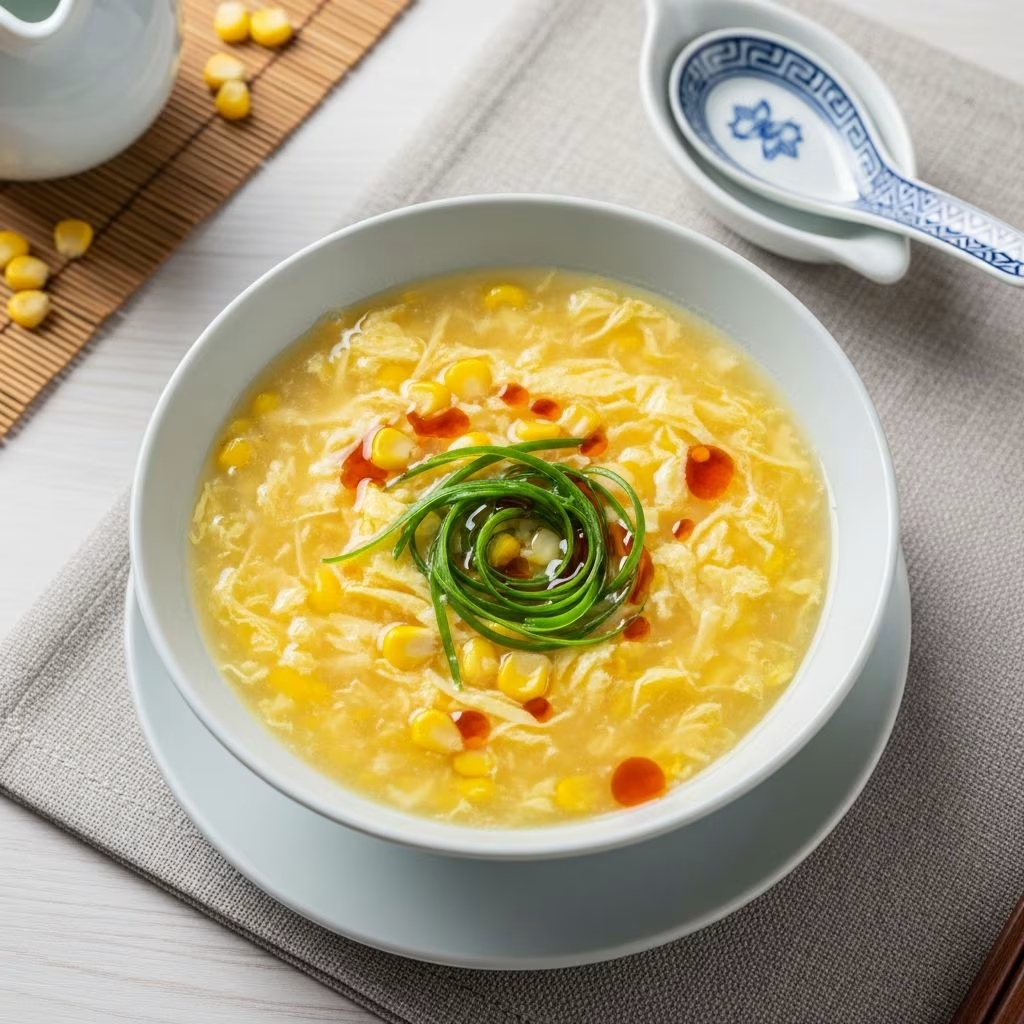
Chinese corn soup represents one of the most accessible yet deeply satisfying dishes from East Asian cuisine. This warming broth combines humble ingredients into something remarkably elegant and nourishing. Whether you’re seeking a light lunch, a comforting dinner starter, or a quick weeknight meal, understanding how to prepare this classic soup opens doors to countless variations and personal touches. The beauty of this dish lies in its simplicity—requiring minimal ingredients while delivering maximum flavor and satisfaction.
Understanding the Foundations of Chinese Corn Soup
At its core, Chinese corn soup is built on a foundation of quality broth that serves as the canvas for sweet corn and complementary proteins. The dish belongs to a broader category of Asian soups that emphasize clear, clean flavors rather than heavy cream-based preparations. What distinguishes this particular soup from Western corn chowders is its approach to texture and technique. Rather than relying on heavy cream or roux-based thickening, Chinese corn soup achieves its characteristic silky consistency through the use of cornstarch slurry and beaten eggs, creating a refined mouthfeel that feels simultaneously substantial and light.
The traditional preparation method reflects principles of Chinese cooking that prioritize ingredient quality, proper sequencing, and balanced seasoning. Each component enters the pot at a specific moment to ensure optimal texture, flavor development, and visual appeal. This methodical approach distinguishes authentic renditions from simplified shortcuts, though both serve valuable purposes depending on your available time and cooking skill level.
Essential Ingredients and Their Roles
Creating an exceptional corn soup requires understanding what each ingredient contributes to the final dish:
- Chicken or vegetable broth: The foundation that carries flavor throughout the soup. Using quality stock makes an immediate and noticeable difference in the final result
- Corn: Available fresh, frozen, or canned, corn provides natural sweetness and substance. Frozen corn offers convenience without sacrificing quality
- Cornstarch: Creates the signature thickened broth texture when combined with water into a slurry
- Eggs: When beaten and slowly drizzled into simmering broth, eggs create delicate ribbons that add protein and visual interest
- Ginger and garlic: Aromatic elements that build foundational flavor
- Seasonings: White pepper, salt, and sesame oil round out the flavor profile with subtle warmth and nutty undertones
Protein Options and Variations
While many versions of Chinese corn soup include meat, the protein component remains flexible based on dietary preferences and available ingredients. Ground chicken represents a popular choice because it distributes evenly throughout the soup and cooks quickly. For a heartier preparation, diced chicken breast can be marinated in Shaoxing wine and cornstarch before being incorporated. Vegetarian adaptations often substitute silken tofu, which absorbs surrounding flavors while maintaining a delicate texture.
The protein element should never overshadow the soup’s essential character. Rather, it should enhance and complement the corn and broth rather than dominate them. This restraint reflects broader principles of Chinese culinary philosophy, where balance and harmony take precedence over abundance or dominance of any single component.
Step-by-Step Preparation Method
Preparing Your Ingredients
Success begins with proper mise en place—having all ingredients prepped and ready before cooking begins. If using chicken, marinate it with salt, Shaoxing wine, and a touch of cornstarch to ensure even cooking and tender texture. Prepare your cornstarch slurry by mixing cornstarch with cold water in a separate bowl, stirring until completely smooth and lump-free. Beat your eggs in another bowl until well combined. Mince your ginger and garlic, and chop your green onions, keeping the white and green portions separate if you prefer more nuanced flavor development.
Building the Soup Base
Heat oil in a large pot over medium heat and add your marinated chicken, allowing it to brown gradually while breaking it into smaller pieces with a spoon or spatula. This browning step develops deeper flavor through the Maillard reaction. Once the chicken shows light golden coloring on its surface, pour in your prepared broth and add the ginger slice or minced ginger. Increase heat to high and bring the mixture to a rolling boil, then skim away any foam or impurities that rise to the surface. This skimming step ensures a clear, clean-tasting final product.
Incorporating the Corn
After skimming, add your corn kernels along with salt and reduce the heat to medium-low to maintain a gentle simmer. Allow the corn to warm through for several minutes, releasing its natural sweetness into the surrounding broth. This stage of cooking requires minimal intervention—simply let the flavors meld without aggressive stirring that might cloud your soup or damage the corn kernels.
Achieving the Perfect Consistency
With the heat still at medium-low, slowly pour your prepared cornstarch slurry into the simmering soup while stirring constantly. The constant stirring prevents lumps from forming and ensures even thickening throughout. Continue stirring for one to two minutes until the broth transforms from thin and clear to velvety and slightly translucent. The soup should coat the back of a spoon but still flow freely—not thick like pudding. If you prefer a thicker consistency, prepare additional slurry and repeat the process.
Creating the Egg Ribbons
Perhaps the most delicate step involves adding beaten eggs to create those characteristic tender ribbons. Remove the pot from heat or reduce it to the lowest setting. Using a fork or spatula as a guide, slowly drizzle the beaten egg into the soup in a thin, continuous stream while gently stirring in one direction. The gentle movement allows the egg to cook into delicate strands rather than forming clumps. Allow the egg to set for about 15 seconds before stirring again to fully incorporate. This technique requires patience and a gentle hand but produces dramatically better results than simply dumping beaten egg into the pot.
Seasoning and Finishing Touches
Taste your soup carefully before serving, as this allows you to adjust seasonings to your preference. White pepper adds subtle warmth without the black specks of conventional pepper. A drizzle of sesame oil just before serving imparts a nutty aroma that elevates the entire dish. Fresh chopped green onions scattered on top add color, mild onion flavor, and textural contrast to the smooth broth. Some recipes include a tiny pinch of turmeric for gentle color enhancement, though this remains entirely optional.
Exploring Regional and Creative Variations
While the classic version remains supremely satisfying, Chinese corn soup accommodates numerous adaptations. Some regional preparations blend half the corn with water to create a puree, then combine this with whole kernels for varied texture. Others add rock sugar to balance savory and sweet elements. For a vegan approach, substitute vegetable broth for chicken stock and use silken tofu instead of eggs or chicken. Additional vegetables like carrots, mushrooms, or water chestnuts can be included for increased nutrition and visual appeal.
The inclusion of Shaoxing wine, a traditional Chinese cooking ingredient, adds subtle depth that water alone cannot provide. Even a small amount—just 2 to 3 tablespoons—noticeably improves the overall flavor profile. For those without access to Shaoxing wine, dry sherry or mirin provide acceptable alternatives, though the specific character will shift slightly.
Cooking Timeline and Practical Considerations
From start to finish, a basic Chinese corn soup requires approximately 20 to 25 minutes of active cooking, making it perfect for weeknight dinners or unexpected guests. Using pre-made chicken stock rather than homemade broth significantly reduces preparation time without substantially compromising quality. Frozen corn, which is often picked and frozen at peak ripeness, delivers excellent results and requires no additional preparation beyond draining.
If using creamed corn rather than whole kernels, reduce or eliminate the cornstarch slurry since creamed corn already contains starch that will thicken the broth. This substitution works wonderfully for those seeking a faster preparation or preferring a slightly thicker, more luxurious texture. Cooking time can be further reduced to approximately 15 minutes when using creamed corn and pre-made broth.
Storage and Make-Ahead Planning
Chinese corn soup stores well in the refrigerator for three to four days when kept in an airtight container. The soup will thicken slightly as it cools due to the cornstarch, but a splash of additional broth during reheating restores the desired consistency. For make-ahead convenience, prepare the broth, corn, and aromatics up to one day in advance, then add the cornstarch slurry and eggs just before serving. This approach preserves the soup’s fresh flavors and ideal texture.
Troubleshooting Common Issues
| Problem | Likely Cause | Solution |
|---|---|---|
| Lumpy broth | Cornstarch not fully dissolved before adding | Prepare slurry in advance and stir thoroughly before drizzling |
| Eggs formed clumps instead of ribbons | Heat too high or eggs added too quickly | Keep heat low and drizzle eggs very slowly while stirring gently |
| Soup tastes bland | Insufficient seasoning or low-quality broth | Taste and adjust salt; consider upgrading broth quality |
| Too thin | Insufficient thickening agent | Add additional cornstarch slurry in small amounts until desired thickness |
| Too thick or gelatinous | Excessive cornstarch or overcooking | Thin with additional broth; reduce starch in future batches |
Nutritional Profile and Health Considerations
Chinese corn soup provides a light yet satisfying meal, particularly when made with broth-based stocks rather than cream. Corn contributes fiber, vitamins, and minerals including lutein for eye health. The inclusion of ginger and garlic provides phytonutrients with anti-inflammatory properties. Eggs add high-quality protein and choline for brain health. When prepared without added oils or fatty proteins, a single serving typically contains between 100 to 200 calories, making it suitable for various dietary approaches including weight management and heart-healthy eating patterns.
Frequently Asked Questions
Can I make this soup vegetarian or vegan?
Absolutely. Substitute vegetable broth for chicken stock, omit the chicken, and use silken tofu instead of eggs or simply serve without additional protein. The corn and aromatics provide sufficient substance and satisfaction on their own.
What’s the best type of corn to use?
Frozen corn offers convenience and consistent quality year-round. Fresh corn in season provides superior flavor and texture. Canned creamed corn accelerates cooking time and produces a thicker, creamier soup. All three options yield delicious results when used appropriately.
How can I make the soup thicker or thinner?
Adjust cornstarch slurry to control thickness—more slurry creates a heavier texture, while additional broth lightens it. The soup will naturally thicken as it cools due to the cornstarch, so account for this when adjusting consistency while cooking.
Does this soup freeze well?
Yes, the soup freezes successfully for up to two months. However, the texture of frozen and thawed eggs may change slightly, becoming less delicate. Consider adding eggs fresh when reheating rather than before freezing for optimal results.
Can I use egg whites instead of whole eggs?
Yes, egg whites create delicate ribbons and reduce fat content while maintaining the soup’s characteristic appearance and texture.
References
- Chinese Corn Soup with Chicken (鸡蛋玉米羹) — Omnivore’s Cookbook. Accessed April 2026. https://omnivorescookbook.com/chinese-corn-soup/
- Corn Egg Drop Soup (Chinese Corn Soup) — China Sichuan Food. Accessed April 2026. https://www.chinasichuanfood.com/corn-egg-drop-soup/
- Chinese Corn Soup with Chicken — RecipeTin Eats. Accessed April 2026. https://www.recipetineats.com/chinese-chicken-corn-soup/
- Sweet Corn Soup Recipe | Chinese Corn Soup — Hebbar’s Kitchen. Accessed April 2026. https://hebbarskitchen.com/easy-sweet-corn-soup-recipe/
- Chinese Corn Soup (Vegan) — The Foodie Takes Flight. Accessed April 2026. https://thefoodietakesflight.com/chinese-corn-soup/
- Chinese Chicken and Corn Soup | Egg Drop Soup Recipe — Supa Eazi. YouTube. Accessed April 2026. https://www.youtube.com/watch?v=bBKTudfGwWA