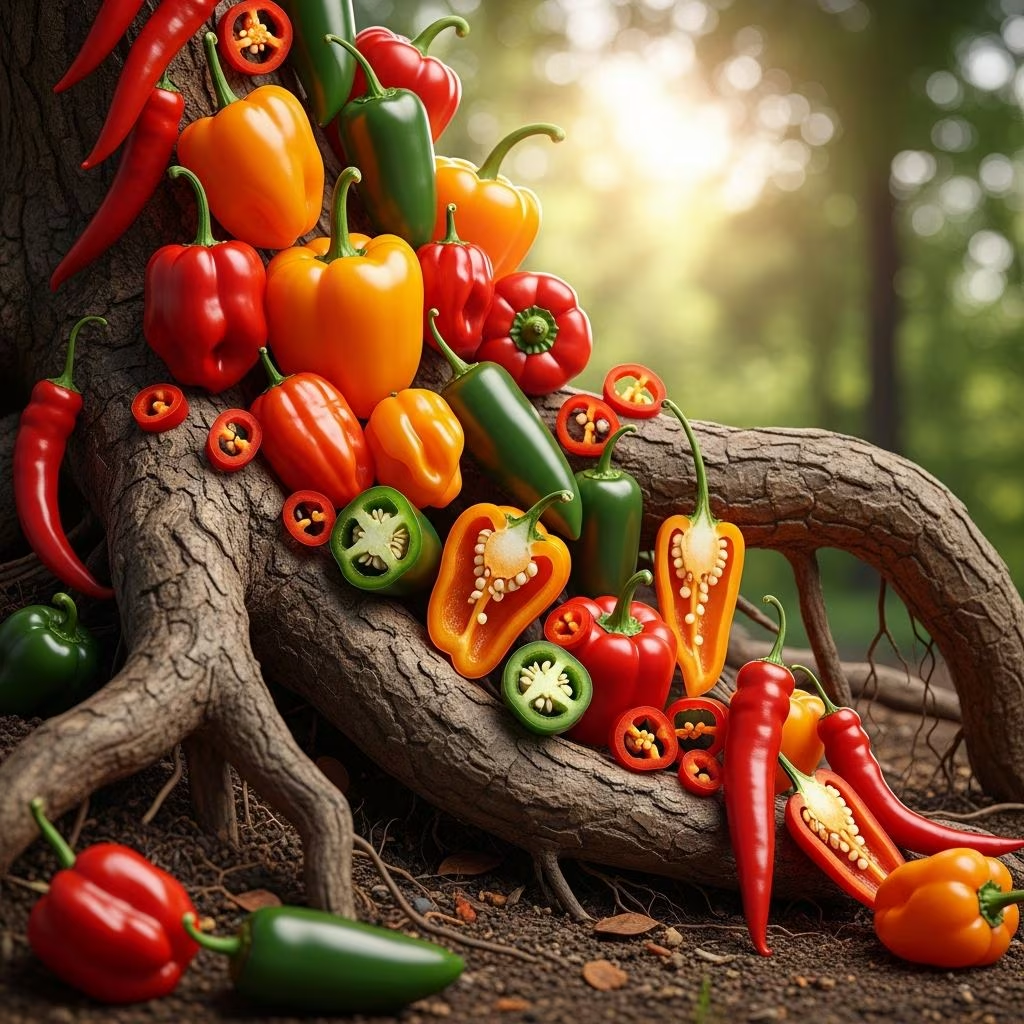
Regular consumption of chili peppers has been associated with significant reductions in mortality risks from major diseases. Large-scale studies indicate that people who eat spicy peppers frequently experience up to a 25% lower risk of death from all causes, 26% from cardiovascular disease, and 23% from cancer compared to those who rarely consume them.
The Global Evidence Linking Spice to Extended Lifespan
Multiple international investigations have converged on a compelling pattern: incorporating hot peppers into daily meals correlates with prolonged life expectancy. Researchers analyzed data from over 570,000 participants across the United States, Italy, China, and Iran, drawing from four major cohort studies. Those reporting regular chili intake showed markedly lower death rates across categories.
In one pivotal analysis presented at the American Heart Association’s Scientific Sessions, chili consumers had a 26% relative reduction in cardiovascular mortality, highlighting the spice’s potential protective role against heart-related fatalities. Similarly, a study in the Journal of the American College of Cardiology tracked 22,811 Italians over 8.2 years, finding that eating chilis more than four times weekly linked to a 34% drop in cardiovascular deaths and 23% in all-cause mortality.
Earlier work from the University of Vermont, using U.S. National Health and Nutrition Examination Survey (NHANES) III data on 16,000 adults followed for 19 years, reported a 13% overall mortality reduction for pepper eaters. Mortality rates were 21.6% among spicy food lovers versus 33.6% for non-consumers, after adjusting for factors like smoking and diabetes.
Key Compounds in Chili Peppers Driving Health Benefits
The fiery punch of chili peppers comes primarily from capsaicin, the bioactive compound responsible for their heat. Capsaicin triggers multiple physiological responses that may underpin longevity effects. It exhibits anti-inflammatory properties, reduces oxidative stress, and supports metabolic health.
- Anti-inflammatory action: Capsaicin modulates inflammatory pathways, potentially lowering chronic inflammation linked to aging and disease.
- Antioxidant effects: It combats free radicals, protecting cells from damage that contributes to cancer and heart disease.
- Metabolic regulation: Studies suggest it aids blood glucose control, reduces appetite, and may prevent obesity, offering indirect longevity benefits.
- Vascular health: By improving blood pressure and endothelial function, capsaicin supports cardiovascular integrity.
Other capsaicinoids and phytochemicals in peppers amplify these effects, providing antibacterial properties and gut microbiome support, as noted in preliminary research.
Breaking Down Mortality Risk Reductions by Disease
To illustrate the impact, consider this comparison of mortality risks based on chili consumption frequency from synthesized study data:
| Outcome | Risk Reduction (Regular vs. Rare/Never) | Key Studies |
|---|---|---|
| All-Cause Mortality | 13-25% | |
| Cardiovascular Disease | 26-34% | |
| Cancer | 23% | |
| Ischemic Heart Disease | ~34% | |
| Respiratory Diseases | Observed inverse association |
These figures adjust for confounders like age, diet, and lifestyle, strengthening the associations. Notably, benefits were consistent across diverse populations, from Mediterranean Italians to Chinese adults.
Mechanisms: How Capsaicin Interacts with the Body
Capsaicin binds to TRPV1 receptors in the gut and nerves, initially causing a burning sensation but leading to desensitization and health adaptations. This interaction promotes:
Improved circulation: Animal and small human trials show capsaicin enhances blood flow and reduces clotting risks, key for heart health.
Cancer prevention potential: Lab studies demonstrate capsaicin induces apoptosis in cancer cells and inhibits tumor growth, aligning with epidemiological trends.
Weight management: By boosting thermogenesis and satiety, it helps maintain healthy body weight, a longevity factor.
Harvard Health notes these mechanisms may explain why chili-inclusive diets correlate with lower disease-specific deaths, though causation remains under investigation.
Incorporating Chili Peppers into Your Diet Safely
To harness potential benefits, start gradually to build tolerance. Aim for fresh, dried, or powdered forms in meals 4-7 times weekly, matching high-intake groups in studies.
- Use jalapeños or milder varieties for beginners in salsas, stir-fries, or soups.
- Add cayenne or crushed red pepper to eggs, grains, or roasted vegetables.
- Experiment with global cuisines: Thai curries, Indian masalas, or Mexican moles naturally feature chilis.
- Combine with whole foods like vegetables and legumes for synergistic effects, as emphasized in Mediterranean diet contexts.
Caution: Excessive intake can cause gastrointestinal upset. Those with GERD, ulcers, or sensitivities should consult physicians. Pregnant individuals or children may need moderated amounts.
Study Limitations and Future Research Directions
While promising, these are observational studies, not proving causation. Variations in pepper types, quantities, and preparation methods across regions complicate dosing recommendations.
Confounding factors, like healthier lifestyles among spice enthusiasts, could influence results despite adjustments. Randomized controlled trials are needed to confirm mechanisms and optimal intake.
Ongoing research explores capsaicin supplements, but whole peppers offer fiber and nutrients absent in isolates. Tulane University’s work underscores the need for diverse population studies.
Practical Recipes to Boost Your Spice Intake
Try these original, simple recipes inspired by longevity-linked habits:
- Spicy Veggie Stir-Fry: Sauté bell peppers, broccoli, and tofu with 1 tsp chili flakes. Season with garlic and soy sauce. Serves 2; ~200 calories per serving.
- Chili-Lentil Soup: Simmer lentils, tomatoes, onions, and diced habaneros. Blend for creaminess. High in fiber for heart health.
- Spiced Grain Bowl: Mix quinoa, chickpeas, avocado, and fresh jalapeños with lime dressing.
These align with plant-based patterns amplifying pepper benefits.
Frequently Asked Questions (FAQs)
Can eating chili peppers really extend lifespan?
Studies associate regular consumption with 13-25% lower mortality risks, but more trials are needed for definitive proof.
What is the recommended amount of chili peppers?
Benefits seen at 4+ times weekly; start small to avoid discomfort.
Are all chili peppers equally beneficial?
Heat levels vary, but capsaicin content drives effects; fresh or dried both work.
Who should avoid spicy peppers?
People with IBS, acid reflux, or allergies; consult a doctor.
Do capsaicin supplements offer the same benefits?
Limited data; whole foods provide additional nutrients.
Conclusion: A Spicy Path to Better Health?
Chili peppers offer a flavorful, accessible way to potentially enhance longevity through proven risk reductions. Integrating them thoughtfully into a balanced diet maximizes upsides while minimizing risks. Stay tuned for advancing research on this vibrant superfood.
References
- Will Chile Peppers Extend Your Life? Hot Peppers vs. Heart Disease! — The People’s Pharmacy. 2019 (referencing JACC Dec. 24, 2019 & PLOS One Jan. 9, 2017). https://www.peoplespharmacy.com/articles/will-chile-peppers-extend-your-life-hot-peppers-vs-heart-disease
- Eat spicy, live longer? Study says yes — Tulane University Newsroom. 2015 (BMJ publication). https://news.tulane.edu/news/eat-spicy-live-longer-study-says-yes
- People who eat chili pepper may live longer — American Heart Association Newsroom. 2020-11-09. https://newsroom.heart.org/news/people-who-eat-chili-pepper-may-live-longer
- Spicy peppers link to longer lifespan — American Institute for Cancer Research. 2017 (PLoS ONE). https://www.aicr.org/news/spicy-peppers-link-to-longer-lifespan/
- Spicy Foods Like Chili Peppers May Help You Live Longer — TIME. 2015. https://time.com/3984274/spicy-food-chili-peppers/
- Will eating more chilis help you live longer? — Harvard Health Publishing. 2020-12-10. https://www.health.harvard.edu/blog/will-eating-more-chilis-help-you-live-longer-2020121021555