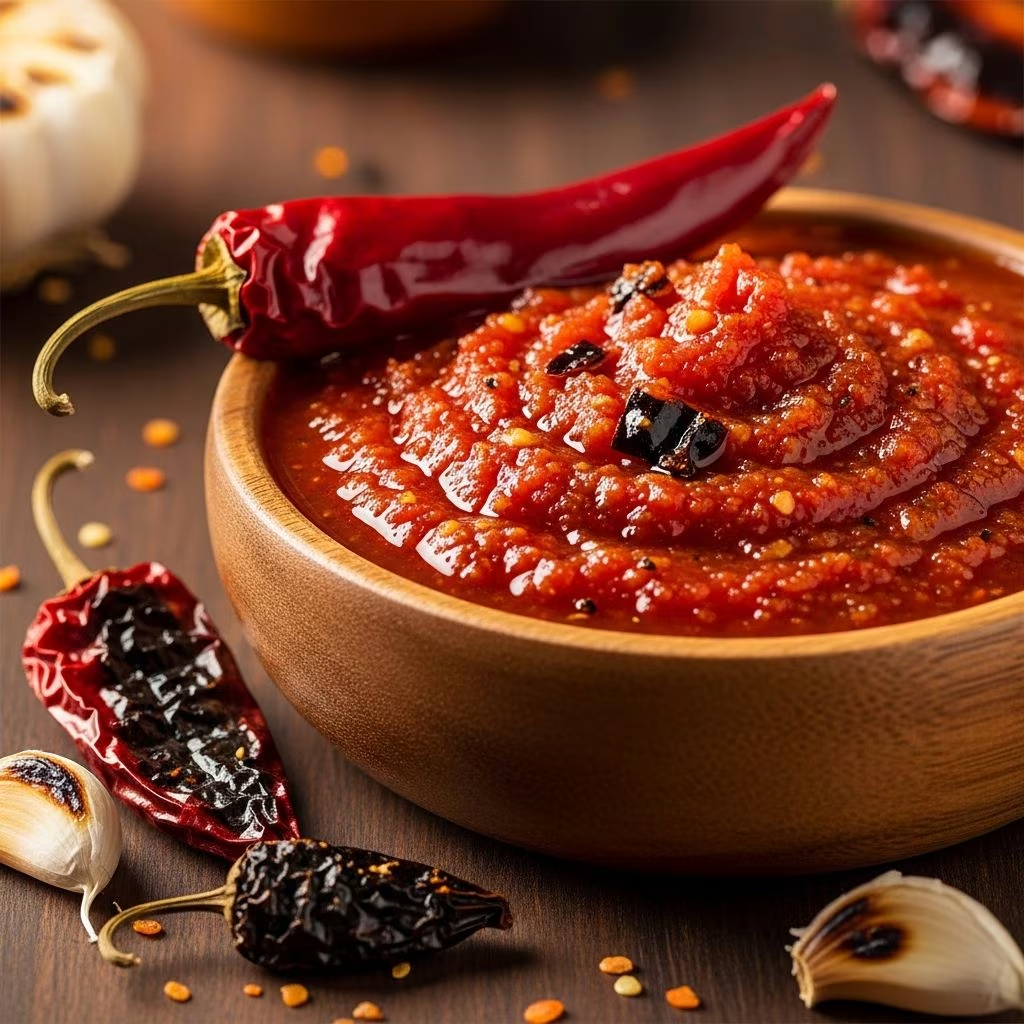
Chile de árbol salsa stands as a cornerstone of Mexican culinary tradition, delivering a sharp, lingering heat that elevates everyday dishes to extraordinary heights. This vibrant red sauce, crafted primarily from the small but mighty árbol peppers, tomatillos, and garlic, offers a perfect balance of smokiness and spice.
The Essence of Chile de Árbol Peppers
At the heart of this salsa lies the chile de árbol, a slender, vibrant red pepper dried to intensify its flavor profile. These peppers register between 15,000 and 30,000 Scoville Heat Units, placing them in the mid-to-high range of spiciness, comparable to cayenne but with a distinctive nutty undertone. Native to Mexico, they are harvested when fully ripened and sun-dried, which concentrates their essential oils and amplifies their fiery punch without overwhelming bitterness.
Fresh árbol chiles are rare in markets; most recipes call for the dried variety, which must be toasted or boiled to rehydrate and release their full potential. Toasting in a dry skillet enhances their smoky notes, while boiling softens them for blending. Always wear gloves when handling large quantities to avoid skin irritation from capsaicin.
Core Ingredients for Authentic Flavor
Building a superior chile de árbol salsa requires just a handful of pantry staples, allowing the peppers to shine. Essential components include:
- Dried chile de árbol peppers: 20-40 pieces (about 3/4 to 1 ounce) for potent heat.
- Tomatillos: 1 pound, husked and rinsed, providing tangy acidity and body.
- Garlic cloves: 2-3, unpeeled initially for roasting, adding savory depth.
- Onion: A quarter of a white or yellow onion for subtle sweetness.
- Salt: To taste, typically 3/4 teaspoon kosher salt.
Optional additions like guajillo chiles introduce color and milder fruitiness, while a bouillon cube or lime juice brightens the mix. Roma tomatoes can sub for tomatillos in a redder variation, though tomatillos yield the classic verde hue.
Step-by-Step Roasting Method
Roasting intensifies flavors through the Maillard reaction, creating complex caramelized notes. Here’s a foolproof approach:
- Heat a dry comal or skillet over medium-high. Toast 1 ounce stemmed árbol chiles for 1-2 minutes until fragrant, stirring constantly to prevent burning.
- Add halved tomatillos, quartered onion, and unpeeled garlic. Char for 5-7 minutes until softened and blistered.
- Transfer to a pot, cover with water, and simmer 5-10 minutes to meld flavors.
- Blend with 3/4 cup reserved cooking water or fresh water until smooth. Season with salt.
This yields about 2 cups of salsa, ready in under 30 minutes. For oil-based versions, sauté ingredients in 1 tablespoon vegetable oil post-roasting.
Boil-and-Blend Quick Version
For speed, skip roasting: Boil árbol chiles in water for 10 minutes to soften, then add tomatillos, garlic, onion, and optional serrano. Simmer until tomatillos change color, blend smooth, and adjust consistency. This method preserves brightness but sacrifices some smokiness.
Customizing Heat and Texture
| Variation | Key Adjustments | Best For |
|---|---|---|
| Mild | 5-10 chiles; add guajillo or ancho | Family meals, beginners |
| Medium | 20 chiles; balance with tomatoes | Tacos, tostadas |
| Extra Hot | 40+ chiles; minimal tomatillos | Chips, hearty meats |
| Chunky | Pulse blend; add diced onion | Fresh pico-style |
| Smooth | Full blend; strain if desired | Sauces, drizzling |
Heat peaks when hot but mellows upon cooling, so taste after resting. Strain for silky texture in enchilada sauces.
Storage and Shelf Life
Fresh salsa lasts 1 week refrigerated in an airtight jar. Freezing in ice cube trays extends usability up to 6 months—thaw portions for quick use. Avoid metal containers to prevent discoloration from acidity.
Versatile Pairings in Mexican Cuisine
- Tacos and Antojitos: Drizzle over carnitas, al pastor, or barbacoa for contrast.
- Chips and Appetizers: Superior to jarred salsas for dipping.
- Proteins: Spoon atop grilled steak, eggs, or seafood.
- Soups and Stews: Stir into pozole or birria broth.
- Beans and Rice: Elevates refried beans or arroz rojo.
Its freezer-friendliness makes it ideal for batch prep.
Common Pitfalls and Pro Tips
Avoid Over-Toasting: Burnt chiles turn bitter—watch closely.
Balance Acidity: Too many tomatillos? Add lime or sugar.
Freshness Check: Select leathery, non-brittle chiles; firm tomatillos.
For visual appeal, garnish with cilantro or diced serrano. Scale up for parties: double ingredients for 4 cups.
Nutritional Snapshot
Per 2-tablespoon serving: Approximately 43 calories, low fat, rich in vitamin C from tomatillos and capsaicin for metabolism boost. Naturally vegan and gluten-free.
Frequently Asked Questions
Can I use fresh chile de árbol?
Rarely available; dried are standard for concentrated flavor. Fresh would require adjusting quantities.
How spicy is it really?
Very—scale chiles based on tolerance. Mellows after cooling.
Substitute for tomatillos?
Roma tomatoes work, yielding a redder salsa with milder tang.
Freezer-safe?
Yes, up to 6 months in portions.
Oil necessary?
Optional; enhances frying but water-based is traditional.
Advanced Twists
Incorporate roasted sesame seeds for nuttiness or vinegar for tang. Blend with avocado for creamy versions or mix into guacamole. Experiment with cumin or oregano for regional flair.
Mastering chile de árbol salsa opens doors to Mexico’s salsas—its simplicity belies addictive complexity. Prep a batch today to transform your table.
References
- Salsa De Chile De Arbol Authentic Recipe — Muy Delish. 2023. https://www.muydelish.com/chile-de-arbol-salsa/
- Toasted Chile de Arbol Salsa — Sweet Life Bake. 2023. https://sweetlifebake.com/toasted-chile-de-arbol-salsa/
- Salsa de Chile de Arbol Recipe — Honest Food. 2023. https://honest-food.net/salsa-de-chile-de-arbol/
- Chile de Arbol Salsa — Isabel Eats. 2023. https://www.isabeleats.com/chile-de-arbol-salsa/
- Chile de Árbol Salsa: The Ultimate Guide — Ale Cooks. 2023. https://www.alecooks.com/chile-de-arbol-salsa/