Chicken wraps represent one of the most versatile and satisfying meal options available for home cooks. These handheld creations combine protein, fresh vegetables, and flavorful sauces in a convenient package that works equally well for quick weeknight dinners or casual entertaining. The beauty of wrap-based meals lies in their adaptability—you can customize them based on available ingredients, dietary preferences, and flavor preferences. Whether you prefer bold spice levels, light and fresh combinations, or fusion-inspired flavors, chicken wraps accommodate virtually any culinary direction.
Understanding the Foundation: Choosing Your Wrap Base
The foundation of any exceptional wrap begins with selecting the right base. Flour tortillas remain the traditional choice, offering a neutral flavor that complements virtually any filling combination. However, modern cooking embraces numerous alternatives that can enhance both nutrition and taste profiles. Spinach wraps introduce an earthy undertone and additional nutrients, while whole wheat options provide increased fiber content. For those seeking lighter alternatives, lettuce leaves—particularly butter lettuce or Bibb varieties—create a low-carbohydrate option that maintains structural integrity when filled appropriately.
Size matters significantly when selecting your wrap base. Standard 6 to 8-inch tortillas work best for individual servings, allowing manageable portions that won’t overflow when wrapped. Larger 10 to 12-inch wraps suit shared meals or when you prefer heartier, more substantial servings. The wrap’s thickness affects how well it holds fillings; thicker varieties generally provide better support for wet ingredients or generous portions.
Protein Preparation Methods and Techniques
The chicken component serves as the backbone of your wrap, and preparation method significantly influences final results. Multiple cooking approaches offer distinct advantages depending on your available time and equipment.
Pan-Seared Chicken Strips
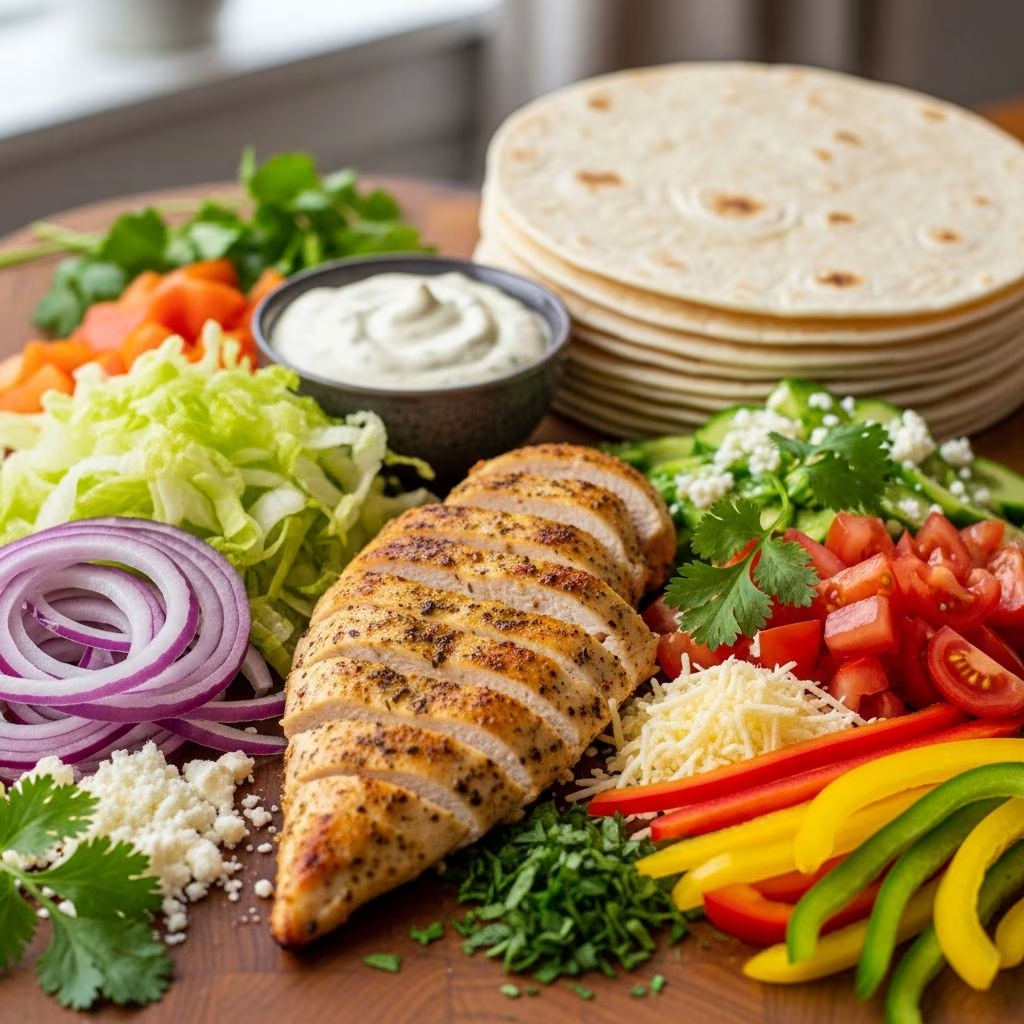
Slicing chicken breasts into thin strips and pan-searing them delivers quick results with minimal equipment. This method works particularly well when you desire control over seasoning intensity and doneness level. Begin by placing boneless, skinless chicken breasts on a cutting board and slicing them lengthwise into strips approximately half an inch thick. Pat the strips dry with paper towels—this step promotes better browning and texture development. Season your strips generously, then heat olive oil in a large skillet over medium-high heat. Cook strips for 4 to 5 minutes per side until golden brown and cooked through, checking for an internal temperature of 165°F.
Marinated Chicken Preparations
Marinating chicken before cooking introduces deeper flavor penetration and creates more tender results. Prepare a marinade combining olive oil, your chosen seasonings, and acidic components like vinegar or citrus juice. Submerge chicken pieces in this mixture and refrigerate for at least 10 minutes—longer marinating times, up to 6 hours, produce more pronounced flavors. This technique proves particularly effective when incorporating heat-based seasonings or when working with bold flavor profiles.
Rotisserie Chicken Convenience
For those prioritizing speed and simplicity, pre-cooked rotisserie chicken eliminates preparation time entirely. Simply purchase a whole rotisserie chicken from your grocery store, allow it to cool slightly, and shred the meat using two forks. This approach maintains quality results while dramatically reducing active cooking time, making it ideal for busy weeknights or meal-prep scenarios.
Building Your Flavor Profile: Sauce and Seasoning Strategies
The sauce or spread transforms a simple chicken wrap into a memorable dish. Balance represents the key principle—combining elements that create harmony rather than competing flavors. Consider incorporating multiple flavor dimensions to achieve complexity and satisfaction.
Spicy Sauce Foundations
Creating homemade spicy sauces gives you complete control over heat levels and ingredient quality. A versatile base combines mayonnaise or sour cream as the foundation, then incorporates heat sources such as cayenne pepper, hot sauce, or fresh chili peppers. Add sweetening elements like honey or sugar to balance intensity, along with acidic components such as lime juice or vinegar. For example, mixing mayonnaise with chili-garlic sauce, sugar, and cayenne pepper creates a customizable spicy element that complements chicken beautifully.
Sweet and Savory Balance
Incorporating sweetness into your wraps creates intriguing flavor complexity. Pineapple introduces natural sweetness and tropical notes, while jalapeño adds heat and herbal characteristics. Combining these elements with cream cheese creates a distinctive spread that neither overwhelms nor underwhelms. This approach particularly suits those who appreciate nuanced flavors over one-dimensional spice.
Asian-Inspired Flavor Dimensions
Drawing from Asian culinary traditions opens exciting possibilities for wrap preparations. Hoisin sauce provides sweetness and depth, soy sauce adds umami complexity, and fresh ginger contributes warming spice. Combining these with sesame oil creates layers of complementary flavors. This approach pairs beautifully with vegetables like shredded cabbage, water chestnuts, and fresh herbs.
Essential Vegetable and Fresh Ingredient Components
Fresh vegetables provide textural contrast, nutritional value, and visual appeal to your wraps. Strategic vegetable selection ensures your wraps remain structurally sound while maximizing flavor and nutrition.
| Vegetable Component | Preparation Method | Benefits | Best Pairings |
|---|---|---|---|
| Lettuce/Greens | Chopped or left whole | Adds crunch, structural support | All flavor profiles |
| Tomatoes | Diced or sliced thin | Fresh flavor, juiciness | Spicy, Buffalo varieties |
| Cucumbers | Peeled and chopped | Cooling element, crunch | Spicy, Asian-inspired |
| Red Onion | Thinly sliced | Pungent flavor, color contrast | Spicy, Buffalo varieties |
| Avocado | Pitted and diced | Creaminess, healthy fats | All combinations |
| Cabbage | Shredded or thinly sliced | Crunch, light texture | Asian-inspired varieties |
Fresh herbs further elevate your wrap creation. Cilantro brings brightness to Asian-inspired combinations, while fresh spinach adds nutrition and mild flavor. Green onions provide onion flavor without the strong bite of raw red onions, making them suitable for those sensitive to harsh flavors.
Structural Assembly: Preventing the Wrap Collapse
Proper assembly technique prevents your carefully selected ingredients from escaping during eating. Begin by laying your wrap flat on a clean surface. Apply sauce or spread in a thin, even layer across the wrap’s center, leaving approximately one inch of space at the edges. This buffer zone prevents overfilling while ensuring adequate sealing.
Layer your ingredients strategically. Place chicken in the wrap’s center, then arrange vegetables around it. Distribute ingredients evenly across the wrap rather than piling everything in one area—this creates balanced texture with each bite. Add any additional proteins like bacon or cheese before rolling.
When rolling, fold the sides inward first, overlapping them slightly over the filling. Then, starting from the bottom edge, roll tightly toward you, maintaining tension throughout the rolling process. This creates a secure package that holds together during eating. For extra security, wrap completed wraps in parchment paper, which also simplifies eating and prevents filling from dripping onto hands or clothing.
Protein Enhancement Options Beyond Chicken
While chicken provides the primary protein in these wraps, additional protein components enhance satisfaction and create more substantial meals. Crispy bacon offers smoky, salty notes that complement numerous flavor profiles. Dice or crumble cooked bacon and distribute it throughout your wrap filling. Cheese varieties like cheddar or creamy spreads add richness and binding properties. For vegetarian options, beans provide plant-based protein while contributing earthy flavors and creamy texture.
Creative Variations to Explore
Buffalo-Style Wraps
Combining shredded rotisserie chicken with buffalo sauce, melted butter, and a touch of garlic powder creates the classic Buffalo wing flavor in wrap form. Mix this combination with shredded cheddar cheese, diced red onions, and ranch or blue cheese dressing. The result delivers that familiar tangy-spicy profile that Buffalo enthusiasts crave.
Tropical Sweet and Spicy
Pineapple strips combined with jalapeño-infused cream cheese spread create a sophisticated sweet-heat combination. Layer this with pan-seared chicken, avocado slices, and fresh greens. The natural sweetness of pineapple balances the jalapeño’s heat, creating harmony rather than conflict.
Asian Lettuce Wrap Concept
Shredded cooked chicken mixed with shredded cabbage, grated carrots, and water chestnuts creates a textural sensation. Combine these vegetables with a sauce made from hoisin, soy sauce, fresh ginger, sesame oil, and crushed red pepper. Serve this mixture in butter lettuce leaves for a low-carb, crunchy option that delivers bold Asian flavors.
Preparation Timeline and Make-Ahead Strategies
Chicken wraps accommodate various preparation timelines depending on your schedule. Complete preparation takes approximately 15 to 20 minutes from start to finish when using pre-cooked chicken. However, strategic make-ahead steps streamline last-minute assembly.
Prepare sauces and spreads one to two days in advance, storing them in covered containers in your refrigerator. Cook and shred chicken the morning of your meal or the day prior. Chop vegetables up to 8 hours ahead, storing them separately in airtight containers to maintain freshness. This preparation allows you to assemble complete wraps in just 5 to 10 minutes when you’re ready to eat.
Frequently Asked Questions
Can I prepare wraps ahead and refrigerate them?
Yes, though wrapping them in parchment paper and consuming within a few hours yields best results. Wraps become soggy if stored longer as moisture from vegetables and sauces permeates the wrap base. For longer storage, keep components separate and assemble when ready to eat.
What’s the best way to prevent wet ingredients from making wraps soggy?
Apply sauce directly to the wrap rather than mixing it with other ingredients beforehand. Pat wet vegetables dry before adding them. Consider using thicker wrap bases when incorporating very moist fillings like tomatoes or avocados.
How can I adapt these wraps for dietary restrictions?
Substitute flour tortillas with lettuce leaves for low-carb versions. Use dairy-free cream cheese for vegan adaptations. Eliminate specific ingredients like nuts or gluten-containing elements based on individual needs. The basic format accommodates numerous dietary approaches.
Which wraps work best for packed lunches?
Slightly thicker tortillas maintain integrity better than delicate wraps. Wrapping in parchment paper provides additional structure and prevents leaking. Prepare components separately and assemble just before eating if possible.
Nutritional Considerations and Health Benefits
Chicken wraps offer nutritional advantages depending on ingredient selections. Chicken provides lean protein supporting muscle development and maintenance. Fresh vegetables contribute vitamins, minerals, and fiber. Healthy fats from avocado or olive oil-based sauces support nutrient absorption and satiety. By controlling sauce portions and incorporating abundant vegetables, you can create nutritionally balanced meals that satisfy without excessive calories.
Conclusion: Mastering the Art of Wrap Creation
Chicken wraps represent accessible, customizable meals that satisfy various taste preferences and nutritional goals. By understanding component preparation, flavor balance principles, and assembly techniques, you can consistently create restaurant-quality wraps at home. Whether you prefer bold spice, delicate balance, or adventurous flavor combinations, the wrap format accommodates your preferences. Start with basic combinations that appeal to you, then experiment with additional variations as your confidence grows. The result is a versatile meal that works for quick lunches, casual dinners, or entertaining guests.
References
- USDA FoodData Central: Chicken, broilers or fryers, breast, skinless, boneless, meat only, raw — United States Department of Agriculture. 2019. https://fdc.nal.usda.gov/fdc-app.html
- Food Safety: Proper Cooking Temperatures — United States Department of Agriculture Food Safety and Inspection Service. 2024. https://www.fsis.usda.gov/food-safety/safe-food-handling-and-preparation/food-safety-basics/safe-internal-temperature-chart
- Nutrition and Health Benefits of Vegetables — Centers for Disease Control and Prevention. 2023. https://www.cdc.gov/nutrition/data-statistics/vegetables.html
- Culinary Principles and Flavor Pairing — Institute of Culinary Education. 2022. https://www.ice.edu/
- Food Storage and Refrigeration Guidelines — United States Department of Agriculture. 2024. https://www.fsis.usda.gov/food-safety/safe-food-handling-and-preparation/food-safety-basics/refrigeration-freezing-guide