Understanding the Appeal of Fruit-Enhanced Chicken Salad
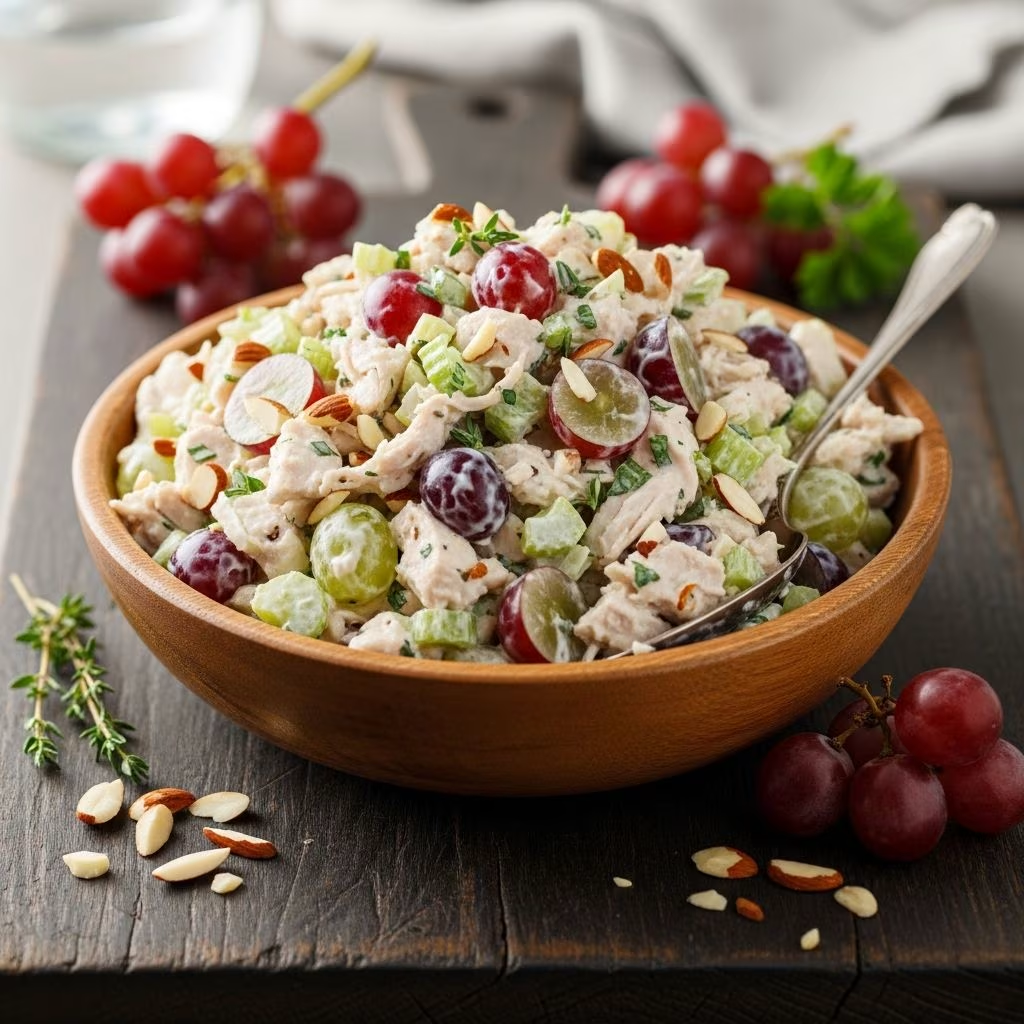
Chicken salad has long been a staple in home kitchens and restaurant menus, prized for its versatility and satisfying nature. When grapes enter the picture, they transform this classic into something with unexpected depth and complexity. The natural sweetness of grapes creates a harmonious balance with savory chicken, while their juicy texture provides bursts of freshness throughout each forkful. This particular variation has gained considerable popularity among home cooks seeking to elevate an otherwise simple dish into something memorable enough for both casual weekday lunches and entertaining occasions.
Selecting Your Core Ingredients
The foundation of any exceptional chicken salad begins with quality ingredients chosen thoughtfully. Each component contributes not only flavor but also textural contrast that keeps the dish interesting from the first bite to the last.
Choosing the Right Chicken
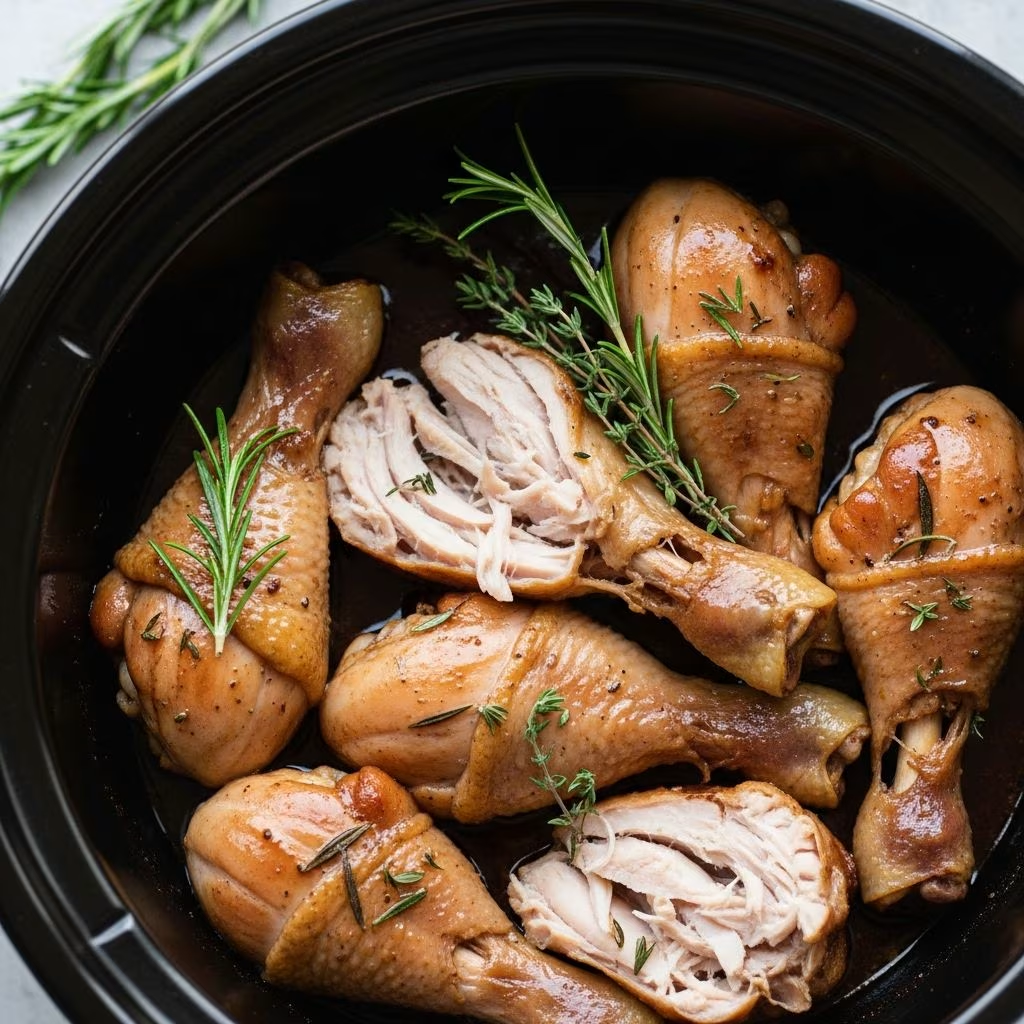
The chicken itself serves as the canvas upon which all other flavors will be painted. Rotisserie chicken, readily available at most grocery stores, offers significant convenience and delivers remarkably consistent results without requiring additional cooking time. The gentle roasting process applied during commercial preparation ensures the meat remains moist and flavorful. For those preferring to cook chicken from scratch, poaching chicken breasts in lightly salted water or broth yields tender, flavorful results perfect for salad applications. Some cooks prefer a mixture of white and dark meat for enhanced flavor complexity, though white meat remains the traditional choice. Regardless of your selection method, the chicken should be finely shredded or diced into bite-sized pieces that distribute evenly throughout the salad.
Understanding Grape Varieties
While red grapes are the traditional choice, understanding the distinctions between varieties helps optimize your results. Red seedless grapes provide consistent sweetness and firm flesh that holds up well when halved or quartered. They maintain their shape throughout mixing and storage, preventing an unpleasant mushiness. Some adventurous cooks experiment with green grapes for a slightly tarter profile, though this requires balancing adjustments in the dressing. The key consideration involves selecting firm, plump grapes that indicate freshness, as older grapes become soft and mealy, compromising the textural integrity of your finished salad.
Supporting Vegetable Components
Celery provides the essential crunch that contrasts beautifully with the soft chicken and juicy grapes. Sliced thin and finely diced, celery should be cut small enough to prevent overwhelming any single bite while delivering its characteristic refreshing quality. Red onion contributes a subtle sharpness that prevents the salad from becoming overly sweet, though mincing ensures the onion integrates without dominating. Fresh herbs, whether tarragon, dill, or parsley, add aromatic complexity that elevates the finished dish beyond its simple component list. These elements work in concert to create a sophisticated flavor profile despite minimal effort.
Developing the Dressing Foundation
The dressing represents perhaps the most critical decision point in chicken salad preparation, as it dictates both the final flavor profile and nutritional considerations. Different binding agents create distinctly different results, each with legitimate merits.
Mayonnaise-Based Approaches
Traditional mayonnaise remains the classic binding agent, creating a rich, creamy texture that luxuriously coats each ingredient. A half to two-thirds cup typically suffices for two to four cups of shredded chicken, though personal preference ultimately guides the final amount. The emulsified nature of mayonnaise helps ingredients bind together while adding subtle richness. For those seeking lighter alternatives without sacrificing creaminess, blending mayonnaise with Greek yogurt or sour cream reduces overall fat content while maintaining satisfying texture.
Yogurt and Lighter Cream Options
Greek yogurt, increasingly popular in contemporary cooking, offers tangy depth while reducing caloric density compared to pure mayonnaise preparations. The slight tartness complements grapes beautifully, creating a more sophisticated flavor balance. Combining Greek yogurt with modest amounts of mayonnaise produces optimal results for those seeking compromise between traditional richness and lighter execution. Plain yogurt, cottage cheese, or even quality sour cream present additional options, each modifying the final flavor and texture in subtle but meaningful ways.
Flavor Enhancement Elements
Beyond the primary binding agent, several supporting elements transform basic dressing into something truly exceptional. Fresh lemon juice brightens the overall composition while its acidity prevents the salad from becoming cloying. Dijon mustard adds complexity without obvious heat, contributing subtle sophistication. Honey introduces gentle sweetness that echoes the grapes without overwhelming. Fresh herbs—whether tarragon for classic French influence or dill for brightness—provide aromatic notes that tie everything together. Poppy seeds contribute textural interest and slight nuttiness, though they remain optional based on personal preference.
Incorporating Textural Contrast Through Nuts
Nuts serve multiple functions within chicken salad composition, adding crunch that prevents the dish from becoming monotonously soft while contributing healthy fats and protein. Different varieties offer distinct flavor profiles and textural qualities worth considering carefully.
Pecans provide warm, slightly buttery notes that harmonize beautifully with grapes and poultry. Walnuts offer earthier, more assertive character that appeals to those preferring bolder flavors. Almonds, whether sliced or chopped, deliver delicate sweetness and subtle texture. Toasting nuts before inclusion intensifies their flavor and improves textural integrity, preventing them from becoming soft during storage. The quantity should balance with other components—typically ranging from one-quarter to one-half cup per serving—ensuring nuts enhance rather than dominate.
Optional Ingredient Enhancements
Beyond the fundamental components, several additions merit consideration depending on personal preferences and dietary interests.
- Dried cranberries: These provide tartness and chewy texture that contrasts with juicy grapes and crunchy celery.
- Fresh apple: Crisp diced apple adds textural variety and subtle sweetness without overwhelming fruit-forward elements.
- Red onion: Finely minced red onion contributes sharpness that prevents excessive sweetness in the finished composition.
- Fresh herbs: Tarragon delivers classic French flavor notes, while dill provides bright freshness and parsley contributes clean herbal character.
- Citrus zest: Lemon or lime zest intensifies acidity and brightness without adding liquid that might compromise texture.
Assembly and Preparation Techniques
Step-by-Step Preparation Process
Successful chicken salad preparation follows a logical sequence that maximizes flavor development while preserving textural integrity. Begin by preparing all ingredients before combining anything—chopping celery, halving grapes, toasting nuts, and mincing herbs ensures smooth workflow without interruption.
Create the dressing in a separate bowl before introducing the chicken, allowing individual elements to meld and flavors to develop. This approach prevents mayonnaise or yogurt from coating the chicken immediately, allowing more uniform distribution when combined. Add the prepared chicken to the dressing and fold gently rather than stirring vigorously, preserving the tender structure of shredded poultry while ensuring even coating.
Introduce grapes, celery, and nuts last, folding them in with restraint to maintain their distinctive textures and prevent unintended crushing. Taste the finished salad before serving, adjusting seasoning as necessary. The balance between savory, sweet, and acidic elements should feel harmonious rather than skewed toward any single dimension.
Storage and Make-Ahead Considerations
Chicken salad benefits from several hours of refrigeration before serving, allowing flavors to meld and develop complexity. Prepare it the morning of your intended serving for optimal freshness, or make it up to two days in advance for convenient meal planning. Store in airtight containers to prevent refrigerator odors from transferring while preserving moisture. When preparing salad more than one day ahead, consider adding grapes and particularly delicate ingredients like fresh herbs just before serving to maintain peak texture and appearance.
Serving Suggestions and Versatility
Chicken salad with grapes transcends simple standalone consumption, offering numerous presentation possibilities suited to different occasions.
Traditional Sandwich Applications
Nestled between slices of bread or within croissants, chicken salad provides satisfying substance while its creamy nature prevents dryness. Butter lettuce or bibb lettuce leaves underneath add moisture and delicate flavor without contributing significant volume. Fresh tomato slices complement the fruit elements while providing juiciness and slight acidity. Whole grain breads echo the nutty elements already present in the salad, while brioche or croissants offer richness that harmonizes with the creamy dressing.
Alternative Serving Methods
Served over mixed greens, chicken salad becomes a composed salad, with the individual components visible and distinct. This presentation appeals to those seeking vegetable nutrition while enjoying the comfort of chicken salad. Lettuce cups—using sturdy leaves like romaine or iceberg—provide low-carbohydrate alternatives for those managing carbohydrate intake. Crackers or bread crisps provide convenient vehicles for serving at casual gatherings or cocktail hours. Some cooks spoon chicken salad into hollowed tomato halves or avocado boats for elegant presentations suitable for formal entertaining.
Common Preparation Questions
What if I don’t have rotisserie chicken?
Poached chicken breasts offer excellent results and require minimal active cooking time. Simmer boneless, skinless chicken breasts in lightly salted water or broth for approximately twelve to fifteen minutes until fully cooked. Allow the chicken to cool completely before shredding or dicing. This method yields lean, flavorful chicken comparable to rotisserie options.
Can I make this salad ahead?
Yes, chicken salad actually improves when made a few hours before serving, allowing flavors to meld. Prepare it up to two days in advance, storing in airtight containers. Add fresh herbs and grapes just before serving if making more than one day ahead to maintain optimal texture and appearance.
How should I handle leftover salad?
Stored properly in airtight containers, chicken salad remains fresh for two to three days. It becomes somewhat softer as it sits, which some prefer while others object. Before serving day-old salad, consider adding fresh nuts or croutons to restore textural contrast.
Are there substitutions for mayonnaise?
Greek yogurt, sour cream, cottage cheese, or combinations thereof provide lighter alternatives. Each modifies the final flavor subtly—yogurt adds tartness, sour cream contributes richness, and cottage cheese produces grainier texture. Many cooks blend mayonnaise with Greek yogurt to achieve compromise between traditional creaminess and lighter execution.
What nuts work best?
Pecans, walnuts, and almonds all work beautifully. Choose based on personal preference—pecans contribute warmth, walnuts offer earthiness, and almonds deliver delicate sweetness. Toasting nuts before inclusion intensifies flavor and improves textural integrity.
Nutritional Considerations and Balanced Composition
Chicken salad provides substantial protein from poultry and nuts while incorporating fruits and vegetables for vitamins and fiber. The balance of ingredients creates satisfying meals that sustain energy without excessive caloric density. Using Greek yogurt or yogurt-mayonnaise combinations reduces overall fat content compared to traditional preparations while maintaining creaminess. The inclusion of fresh vegetables and fruits provides micronutrients often lacking in heavier preparations, creating more nutritionally complete meals suitable for various dietary approaches.
Conclusion: Mastering a Timeless Dish
Creating exceptional chicken salad with grapes requires understanding how individual ingredients interact while respecting their distinct contributions. Quality components, thoughtful technique, and balanced seasoning transform simple elements into something genuinely memorable. Whether served on bread for convenient lunch, composed over greens for elegant dining, or served from a bowl at casual gatherings, this versatile preparation rewards home cooks with minimal effort while delivering maximum satisfaction. By mastering the fundamentals and understanding how to adjust components based on personal preference, you unlock a dish that serves countless occasions throughout the year while impressing everyone who tastes it.
References
- Chicken Salad with Grapes Recipe — Add a Pinch. Accessed 2026-04-08. https://addapinch.com/chicken-salad-with-grapes-recipe/
- Chicken Salad with Grapes Recipe — From A Chef’s Kitchen. Accessed 2026-04-08. https://www.fromachefskitchen.com/chicken-salad-recipe/
- Easy Chicken Salad With Grapes Recipe — To Simply Inspire. Accessed 2026-04-08. https://www.tosimplyinspire.com/chicken-salad-with-grapes.html
- Chicken Salad With Grapes — One Hot Oven. Accessed 2026-04-08. https://onehotoven.com/chicken-salad-with-grapes/
- Chicken Salad with Grapes and Walnuts — Bowl of Delicious. Accessed 2026-04-08. https://www.bowlofdelicious.com/awesome-chicken-salad-with-grapes-and-walnuts/
- Chicken Salad with Grapes and Greek Yogurt — Real Food Whole Life. Accessed 2026-04-08. https://realfoodwholelife.com/recipes/chicken-salad-grapes/
- Classic Chicken Salad with Grapes (Creamy & Easy Recipe) — Savory Experiments. Accessed 2026-04-08. https://www.savoryexperiments.com/classic-chicken-salad-grapes/