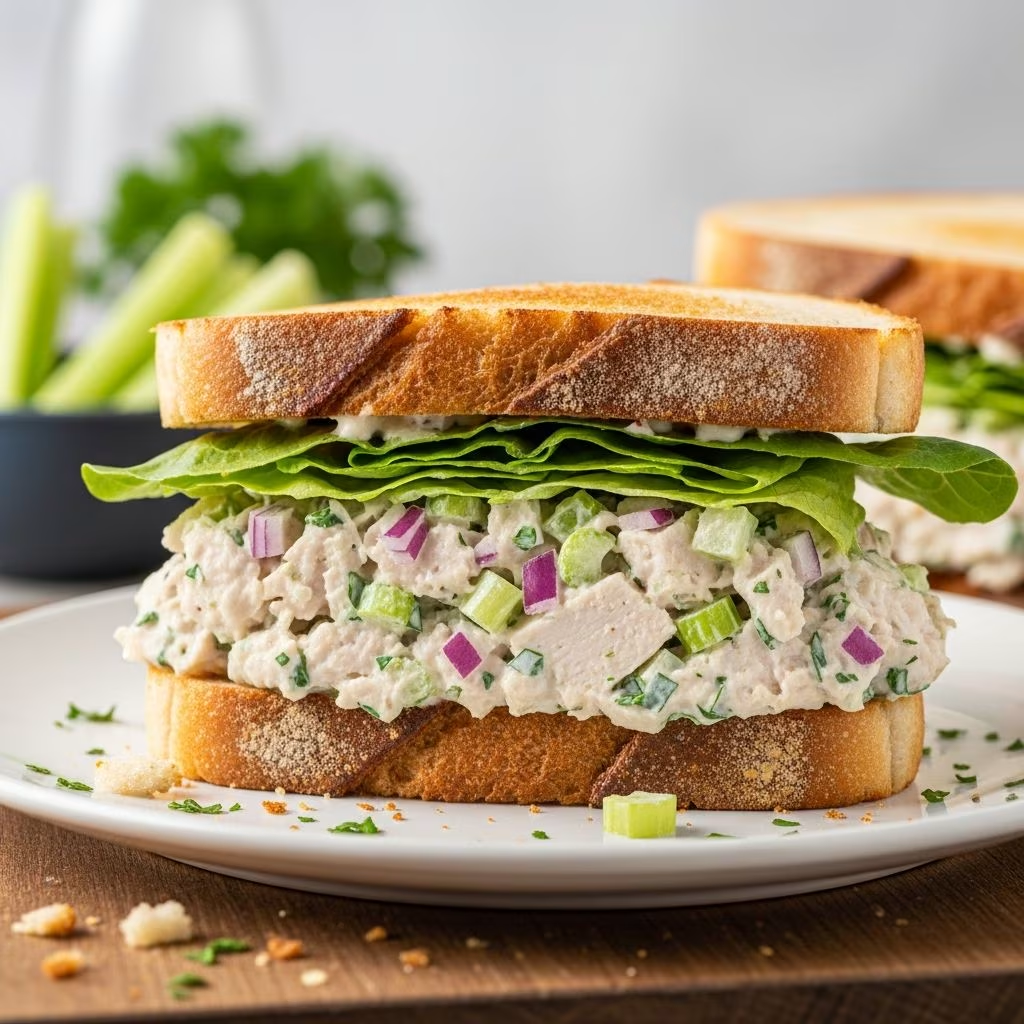
A well-made chicken salad sandwich combines simplicity with satisfaction, making it an ideal choice for lunch gatherings, quick weekday meals, or casual dining. The appeal of this timeless dish lies in its versatility and ease of preparation. Whether you prefer a traditional approach or want to experiment with creative variations, mastering the fundamentals of chicken salad construction ensures consistent, delicious results every time.
Understanding the Foundation of Chicken Salad
The cornerstone of any exceptional chicken salad begins with the protein itself. The quality and preparation method of the chicken directly influence the final outcome. Most home cooks find that cooked chicken, whether from a rotisserie bird, poached breasts, or leftover grilled chicken, provides the perfect base. The chicken should be completely cooled before mixing to prevent the binding ingredients from becoming too warm and losing their structural integrity.
Shredding or chopping the chicken into bite-sized pieces ensures even distribution throughout the mixture and provides a pleasant texture with each bite. Consistency matters here—pieces that are too large can be awkward to eat in sandwich form, while overly fine shredding may result in a mushy texture that lacks structural integrity.
Selecting and Preparing Your Protein
Different poultry options offer distinct advantages depending on your circumstances and preferences. Rotisserie chickens from grocery stores provide convenience and require minimal preparation time. Poaching chicken breasts at home offers control over seasoning and allows you to infuse the meat with complementary flavors like lemon juice, thyme, or garlic during the cooking process. Leftover grilled chicken works beautifully when you have previously prepared poultry on hand.
For those seeking alternative proteins or dietary variations, canned chicken represents a viable option, though it requires careful handling. Always drain canned chicken thoroughly and gently fold it into the dressing rather than vigorously mixing, as the meat is more delicate and prone to breaking apart further.
Preparation Checklist
- Ensure all chicken is completely cooled before combining with other ingredients
- Cut or shred chicken into consistent, bite-sized pieces
- Remove any bones, skin, or cartilage that may remain
- Pat the chicken dry with paper towels to remove excess moisture
- Keep the prepared chicken refrigerated until ready to mix with dressing
Crafting the Ideal Binding Dressing
The dressing transforms individual ingredients into a cohesive salad and provides the creamy foundation that makes chicken salad sandwiches so appealing. Traditional recipes rely on mayonnaise as the primary binding agent, though modern variations often incorporate Greek yogurt, sour cream, or combinations thereof to create lighter versions without sacrificing flavor.
The ratio of binding ingredients to chicken affects both the texture and richness of the final product. A common guideline suggests using approximately one-quarter to one-third cup of creamy binding ingredients per two cups of shredded chicken, though personal preference should guide final adjustments. The mixture should be cohesive enough to hold together on bread but not so wet that it becomes difficult to eat.
Dressing Component Options
| Ingredient | Purpose | Typical Amount |
|---|---|---|
| Mayonnaise | Primary richness and binding | ½ to ¾ cup |
| Greek Yogurt | Protein and lighter alternative | ¼ to ½ cup |
| Sour Cream | Tanginess and creaminess | ¼ cup |
| Dijon Mustard | Depth and complexity | 1 to 2 tablespoons |
| Lemon Juice | Brightness and acidity | 1 to 2 tablespoons |
| Salt and Pepper | Base seasoning | To taste |
Incorporating Textural Elements and Vegetables
The inclusion of vegetables and crunchy elements creates textural contrast and adds nutritional value to the sandwich. Celery, the most common vegetable component, provides a crisp bite and mild flavor that complements the creamy base without overwhelming other ingredients. The vegetable should be finely chopped to ensure even distribution and pleasant mouthfeel.
Additional vegetable and ingredient options expand the flavor profile considerably. Red or green onions contribute a mild pungent note, while shredded carrots add subtle sweetness and vibrant color. Some recipes incorporate dried fruits like cranberries or fresh grapes for touches of sweetness that balance savory elements. Nuts such as pecans or walnuts introduce earthiness and satisfying crunch.
Popular Vegetable and Add-in Combinations
- Celery and green onions with fresh parsley for a classic approach
- Shredded carrots, diced apple, and dried cranberries for autumn-inspired variations
- Red grapes, pecans, and fresh herbs for a sophisticated flavor profile
- Diced apple, fresh dill, and toasted almonds for a lighter preparation
- Cucumber, fresh tarragon, and chopped scallions for a garden-fresh option
Seasoning Strategies and Flavor Development
Proper seasoning elevates chicken salad from adequate to exceptional. Beyond basic salt and pepper, numerous seasonings enhance and round out the flavor profile. Dijon mustard adds depth without heat, while dried herbs like dill or tarragon contribute subtle complexity. Lemon juice or lemon zest brightens the overall composition and prevents the mixture from tasting heavy.
Garlic powder, onion powder, or ground spices like paprika can be introduced for additional layered flavors. The key to successful seasoning involves building flavor gradually through tasting and adjusting rather than adding all seasonings at once. This methodical approach prevents over-seasoning and allows you to calibrate the balance of flavors to your specific preferences.
Selecting and Preparing Bread and Accompaniments
The bread choice significantly impacts the eating experience and presentation of the finished sandwich. Brioche or soft buns provide a tender, slightly sweet canvas that complements the savory salad without competing for attention. Toasted crusty bread offers structure and prevents sogginess while adding textural contrast. Croissants provide an elegant presentation, while whole wheat bread appeals to those seeking additional nutrition and heartiness.
Lettuce leaves, sliced tomatoes, and fresh herbs serve as complementary layers that add moisture, freshness, and visual appeal. Applying these components thoughtfully prevents the sandwich from becoming oversaturated while enhancing its overall composition and nutritional content.
Step-by-Step Assembly Process
Successful assembly requires attention to sequence and technique. Begin by preparing all components in advance, allowing chilled ingredients to remain cold until the moment of combination. This practice maintains food safety while ensuring the best flavor and texture.
Assembly Instructions
- Prepare and cool your chosen chicken protein completely
- Chop and prepare all vegetables and additional ingredients
- Combine mayonnaise, Greek yogurt (if using), mustard, lemon juice, and seasonings in a separate bowl
- Mix the dressing ingredients thoroughly to ensure even seasoning distribution
- Add shredded chicken to the dressing, folding gently to combine
- Incorporate vegetables and additional components, folding carefully to distribute evenly
- Taste the mixture and adjust seasonings as needed
- Layer lettuce, tomato, and chicken salad on bread of choice
- Serve immediately or refrigerate for later consumption
Storage, Shelf Life, and Make-Ahead Considerations
Chicken salad stores well when properly prepared and maintained. Refrigerate the prepared salad in an airtight container where it maintains quality for three to four days. This make-ahead capability makes chicken salad an excellent option for meal planning and preparation. The flavors actually meld and develop more fully when the mixture rests overnight, often resulting in superior taste compared to freshly made versions.
If preparing sandwiches in advance, assemble them shortly before serving to prevent bread from becoming soggy. Alternatively, store the chicken salad separately and assemble sandwiches just before eating for optimal texture and fresh taste.
Frequently Asked Questions
- Can I use canned chicken for this recipe?
- Yes, canned chicken works well when thoroughly drained. Gently fold it into the dressing to preserve its more delicate structure compared to fresh cooked chicken.
- How can I make a lighter version of chicken salad?
- Replace mayonnaise with Greek yogurt or combine equal parts mayonnaise and Greek yogurt. This reduces calories while maintaining creamy texture and adds protein.
- What is the ideal consistency for chicken salad?
- The mixture should be moist and cohesive enough to hold together on bread without being runny or overly wet. Adjust the amount of binding ingredients to achieve your preferred consistency.
- How far in advance can I prepare chicken salad?
- Prepare chicken salad up to three to four days in advance. Store it in an airtight container in the refrigerator. Flavors develop more fully with resting time.
- What vegetables can I add for variation?
- Celery, red onions, green onions, shredded carrots, diced apples, grapes, dried cranberries, and fresh herbs all work well. Choose based on your flavor preferences and desired texture.
Serving Suggestions and Presentation Ideas
Chicken salad sandwiches adapt to various serving contexts and presentation styles. Serve traditional sandwiches with sides like fruit salads, chips, or vegetable crudités for a complete meal. For casual gatherings, present chicken salad over lettuce beds as a light lunch option. Lettuce wraps provide a gluten-free alternative that appeals to those with dietary restrictions.
Individual croissant sandwiches elevate the dish for more formal occasions, while crusty bread sandwiches work perfectly for casual picnics or everyday meals. Offering guests choices in bread types and presenting the salad with fresh accompaniments demonstrates thoughtful hospitality and accommodates various preferences.
Conclusion
Mastering the chicken salad sandwich involves understanding fundamental components—quality protein, well-balanced dressing, textural elements, and proper seasoning—combined with thoughtful assembly and presentation. This versatile dish welcomes experimentation and personalization while maintaining its essential appeal as a satisfying, relatively quick meal. Whether prepared for everyday lunches or special occasions, a properly made chicken salad sandwich delivers consistent satisfaction and demonstrates the beauty of simple, well-executed cooking.