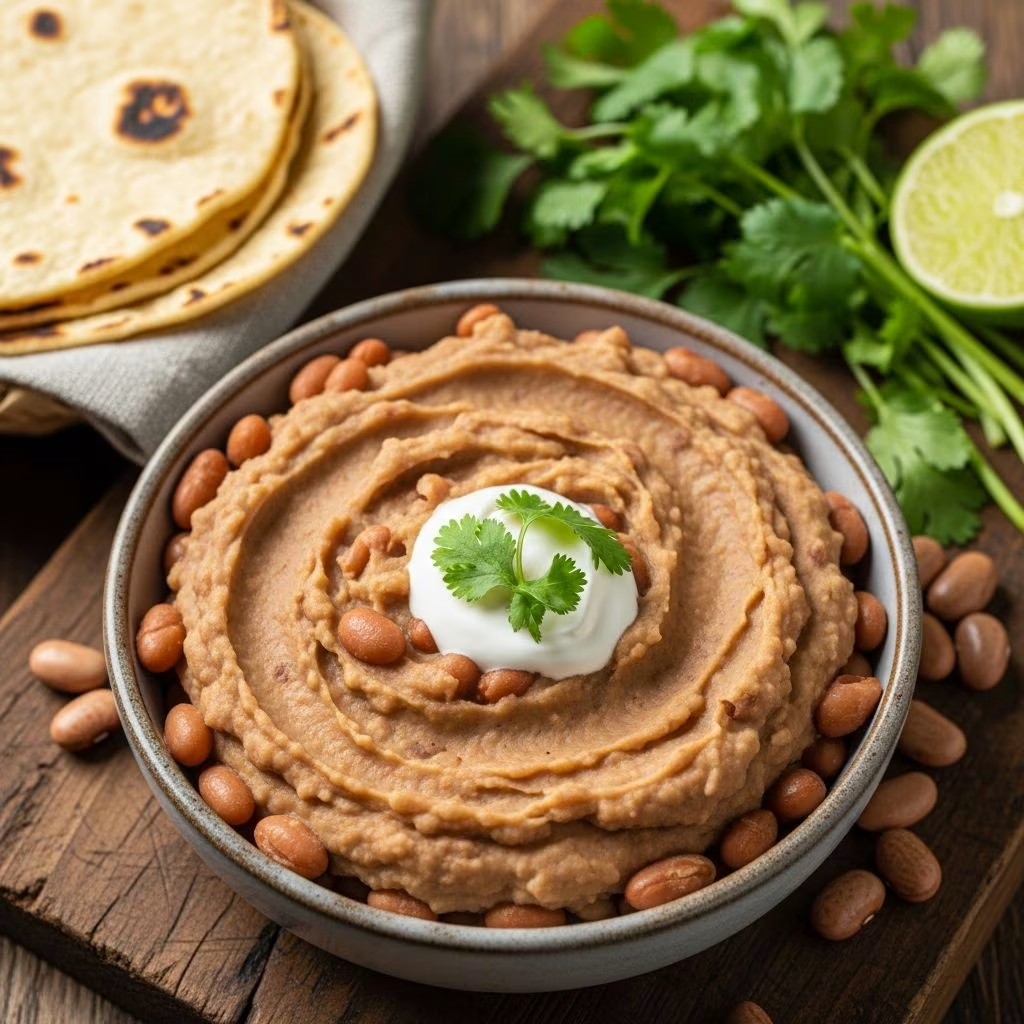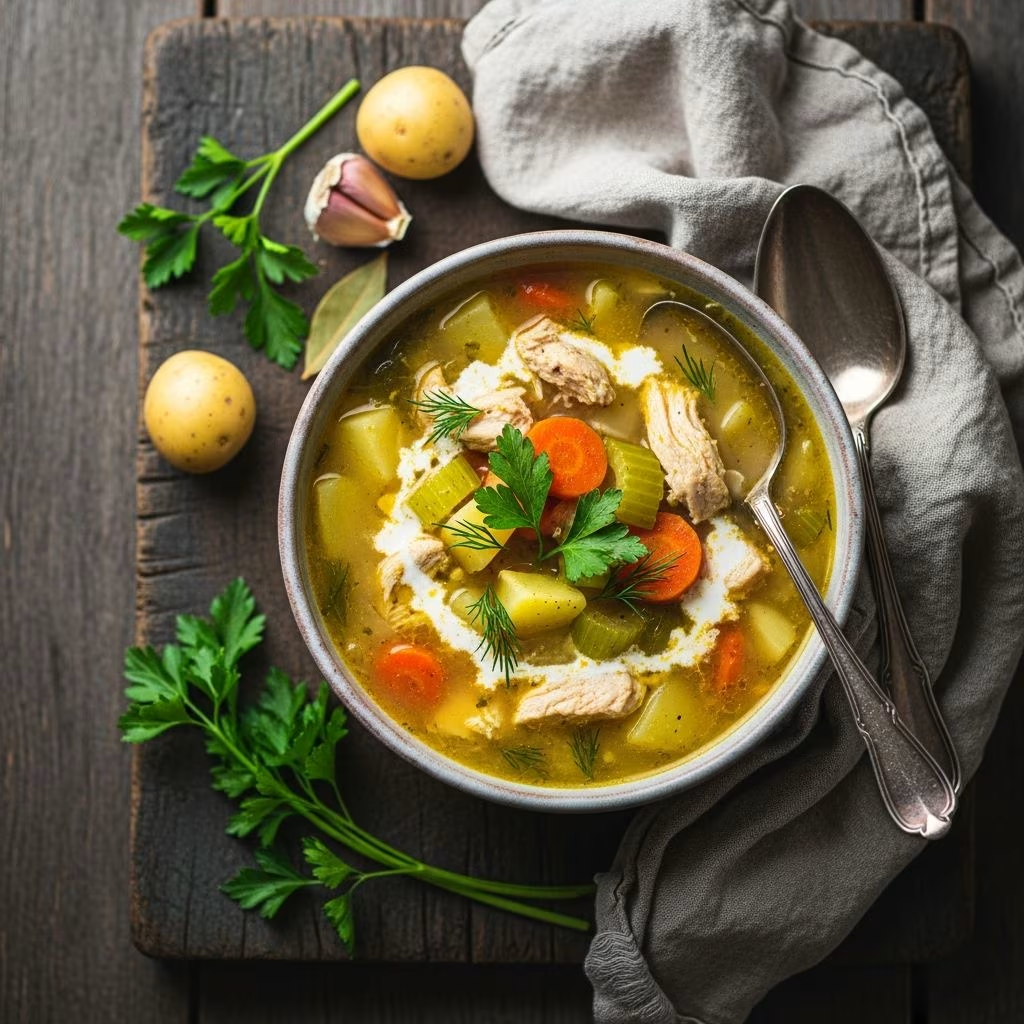
A well-crafted chicken and potato soup represents the epitome of comfort cuisine—warming, satisfying, and nourishing in ways that few dishes can match. This classic preparation combines tender poultry, earthy root vegetables, and a flavorful broth base into a single pot of culinary satisfaction. Whether you’re seeking a quick weeknight dinner or planning meals for the week ahead, understanding the fundamentals of this timeless recipe opens doors to countless variations and personalization options.
Understanding Your Ingredient Foundation
The success of any chicken potato soup begins with selecting quality components that will work harmoniously together. Each ingredient serves a specific purpose in building layers of flavor and achieving the desired texture profile.
Protein Selection and Preparation
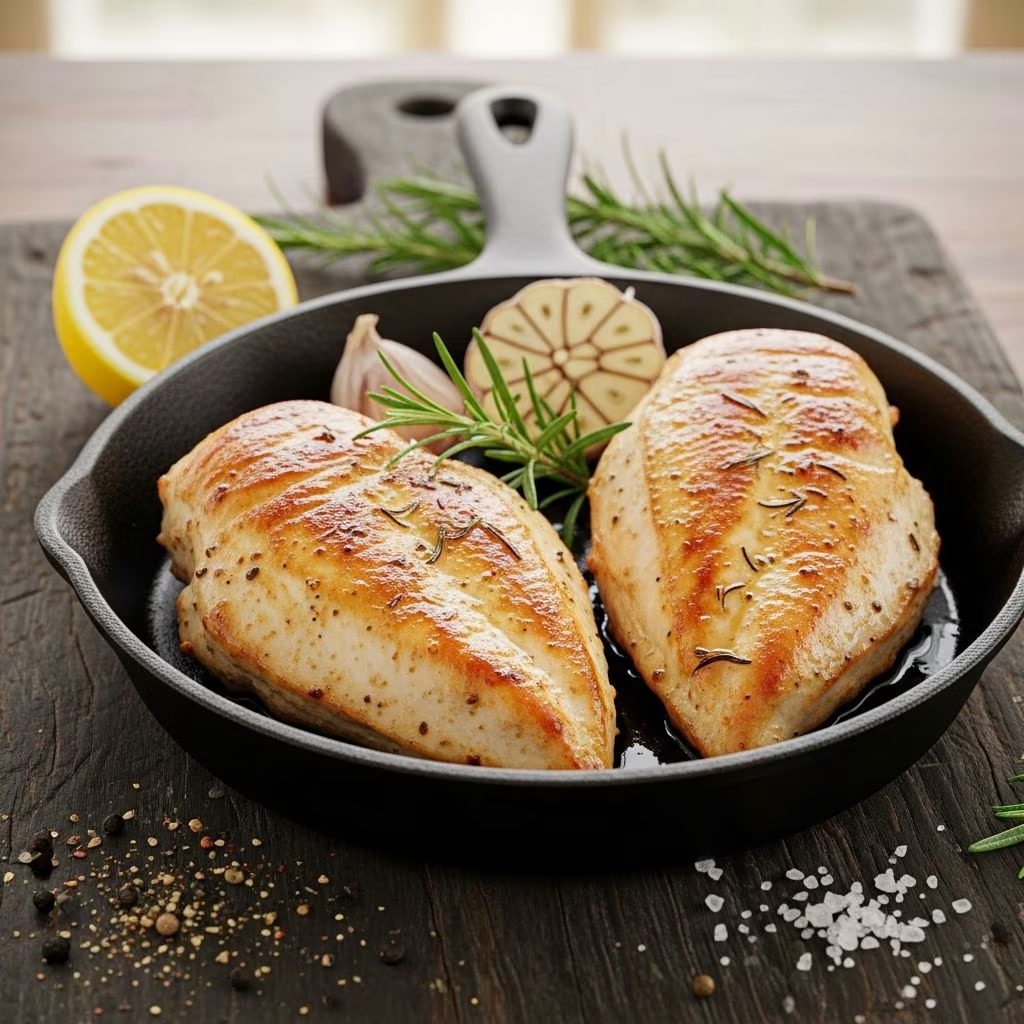
The poultry component forms the backbone of this dish. You have multiple pathways to success depending on your time constraints and ingredient availability. Fresh chicken breasts offer a lean protein option that cooks relatively quickly and absorbs surrounding flavors readily. Alternatively, chicken thighs provide richer, more forgiving meat that resists drying out during cooking and contributes deeper flavor notes to the broth. Many home cooks find that thighs create a more satisfying final result, though personal preference and dietary considerations should guide your choice.
For those pressed for time, rotisserie chicken from your grocery store represents an excellent shortcut. This pre-cooked option eliminates the active cooking step and allows you to focus on building aromatic layers and achieving proper vegetable tenderness. Simply add the shredded meat during the final stages of cooking, ensuring it heats through without becoming tough or stringy.
Root Vegetables and Aromatics
The vegetable foundation typically includes onions, carrots, and celery—a combination known in culinary traditions as mirepoix. These three components work synergistically to create a savory base that forms the flavor profile of your soup. Yellow onions provide sweet, pungent notes that mellow significantly during cooking. Carrots contribute natural sweetness and slight earthiness, while celery adds subtle herbaceous qualities and helps develop the overall character of the broth.
For potatoes, choosing the right variety matters more than many home cooks realize. Russet potatoes, with their higher starch content, break down slightly during cooking and contribute to a naturally thickened, more substantial broth. Yukon gold potatoes maintain their structure better and offer a buttery flavor that complements the other soup components beautifully. Red potatoes, with their waxy texture, hold their shape exceptionally well if you prefer a brothier, less thick soup with distinct potato pieces.
Broth and Liquid Components
Quality chicken broth serves as the canvas upon which all other flavors paint. Homemade broth yields superior results, but store-bought options work admirably when made from quality ingredients without excessive sodium. The ratio of broth to other ingredients typically ranges from 4 to 8 cups, depending on whether you prefer a hearty, stew-like consistency or a lighter, brothier preparation.
For creamier versions, half-and-half, heavy cream, or even Greek yogurt can be incorporated. These dairy additions provide luxurious mouthfeel and help balance sharp spice notes or acidic ingredients. Non-dairy alternatives like coconut cream or cashew-based preparations work equally well for those with dietary restrictions.
The Cooking Process Explained
Building Your Aromatic Foundation
The initial cooking stage sets the trajectory for your entire soup. Begin by heating fat—whether butter, bacon drippings, or olive oil—in a large pot or Dutch oven over medium heat. Once adequately heated, add your diced onions, carrots, and celery simultaneously. This step, known as sautéing, allows the vegetables to soften while releasing their aromatic compounds and developing subtle caramelization on their surfaces.
This process typically requires 7 to 10 minutes, depending on your heat level and vegetable size. You’ll know it’s progressing properly when the onion pieces become translucent and the kitchen fills with an appetizing, savory aroma. Stir occasionally to ensure even cooking and prevent sticking or burning.
Incorporating Seasonings and Flavor Builders
Once your base vegetables have softened appropriately, introduce minced garlic and dried herbs. Common choices include thyme, bay leaves, rosemary, and oregano. These additions infuse the developing broth with complex herbal notes that deepen the overall flavor profile. If using fresh herbs, add them later in the cooking process to preserve their more delicate, volatile flavor compounds.
Some preparations include hot sauce, Worcestershire sauce, or other umami-boosting ingredients at this stage. These additions amplify savory qualities without adding saltiness, creating a more sophisticated, restaurant-quality flavor foundation.
Creating Thickened Broth
For creamier renditions, many recipes incorporate a simple flour roux at this point. Sprinkle flour over your softened vegetables and stir continuously for 1 to 2 minutes. This brief cooking period removes the raw flour taste while allowing the flour particles to coat with fat, preventing lumps when you add your liquid. Some recipes skip this step entirely, relying instead on potato starch or blended potatoes to achieve desired thickness.
Liquid Integration and Potato Cooking
Add your chicken broth gradually rather than all at once, stirring constantly as you pour. This methodical approach allows the flour (if used) to incorporate evenly, preventing lumpy, undesirable texture. Simultaneously scrape the bottom of the pot, loosening any flavorful browned bits stuck to the surface—this process, called deglazing, ensures maximum flavor transfer to your broth.
Introduce your diced potatoes and chicken pieces (if using raw chicken), then bring the entire mixture to a rolling boil. Once boiling, immediately reduce heat to achieve a gentle simmer. This moderate cooking intensity allows potatoes to become tender without falling apart completely, maintaining their structural integrity while allowing flavors to meld harmoniously. Expect this simmer to last 15 to 20 minutes, depending on potato size and variety.
Achieving Your Desired Texture and Consistency
Brothier Preparations
If you prefer a lighter soup with distinct vegetable and protein pieces suspended in flavorful liquid, maintain your current approach. Simply allow all components to cook until potatoes reach fork tenderness, then serve immediately. This style emphasizes individual ingredient textures and offers a more refreshing eating experience.
Thicker, Creamier Variations
For those seeking richer mouthfeel, incorporate dairy products during the final cooking stages. Heat your chosen cream product separately, then slowly add it to the simmering soup, stirring gently to ensure even distribution. Alternatively, scoop out several cooked potato pieces and blend them with your dairy addition separately before stirring this mixture back into the pot. This technique creates a naturally thick, creamy soup without adding flour or other thickening agents.
Customization Possibilities
Vegetable Additions and Substitutions
| Vegetable Option | Quantity | Cooking Time | Flavor Profile |
|---|---|---|---|
| Corn | ¾ to 1 cup | Final 5 minutes | Sweet, starchy |
| Peas | ½ to 1 cup | Final 2 minutes | Sweet, tender |
| Spinach or kale | 1 to 2 cups | Final 1 minute | Earthy, nutritious |
| Mushrooms | 1 to 1½ cups | With aromatics | Umami, earthy |
| Leeks | 1 cup sliced | With aromatics | Mild onion, sweet |
Protein Modifications
Beyond traditional chicken, consider duck confit for a richer variation, or incorporate diced turkey for a lighter alternative. Some preparations benefit from the addition of bacon, which adds smoky depth and textural contrast. If preparing vegetarian versions, hearty beans like cannellini or chickpeas can replace the poultry while maintaining satisfying substance and protein content.
Flavor Profile Adjustments
Experiment with different herb combinations based on your preferences. Italian seasoning creates Mediterranean-inspired variations, while individual thyme and rosemary emphasize earthy qualities. For something unexpected, add smoked paprika for depth, curry powder for warmth, or fresh lemon juice for brightness and acidity balance.
Storage and Make-Ahead Considerations
This soup stores exceptionally well in refrigerated containers for up to four days, making it ideal for meal preparation planning. The flavors actually deepen during storage as ingredients continue to meld and develop. For longer-term preservation, freeze individual portions in labeled containers for up to three months.
If you plan to freeze your soup, consider holding back any dairy additions until after reheating, as cream-based soups sometimes separate or become grainy when frozen and thawed. Simply reheat your base preparation and stir in fresh cream before serving.
Troubleshooting Common Issues
Excessively Thick or Thin Consistency
If your finished soup is too thick, gradually stir in additional chicken broth a quarter cup at a time until reaching your preferred consistency. For overly thin preparations, create a slurry by mixing cornstarch or flour with cold water, then whisk this slowly into your simmering soup while stirring constantly. Allow several minutes for thickening to occur fully.
Insufficient Flavor Development
Underseasoned soup can be remedied by tasting and adjusting salt and pepper incrementally. Remember that salt intensifies over time, so season gradually rather than all at once. If your soup lacks depth beyond saltiness, fresh lemon juice, a splash of Worcestershire sauce, or additional herbs can brighten and enhance overall perception of flavor.
Tough or Stringy Chicken
Overcooked poultry becomes unpleasantly textured. If this occurs, increase the proportion of broth and vegetables relative to chicken, creating more forgiving sauce that masks texture imperfections. For future preparations, reduce cooking times or use thighs instead of leaner breast meat.
Frequently Asked Questions
Can I prepare this soup in a slow cooker?
Absolutely. Combine all ingredients except dairy in your slow cooker and cook on low for 6 to 7 hours or on high for 3 to 4 hours. If using raw chicken, shred it before returning to the pot along with cream products during the final 30 minutes of cooking.
Is this recipe suitable for freezing?
Yes, though cream-based versions may separate upon thawing. Freeze the base preparation without dairy, then add cream after reheating for best results.
What’s the difference between using chicken breasts versus thighs?
Breasts provide lean protein that cooks quickly but can become dry if overcooked. Thighs offer richer flavor and forgiving texture, maintaining moisture even with longer cooking times.
How can I make this soup lower in calories?
Use nonfat milk instead of cream, substitute Greek yogurt for heavy cream, incorporate more vegetables relative to protein, and use skinless chicken pieces. These adjustments reduce caloric content while maintaining satisfying substance.
Can rotisserie chicken be substituted for fresh chicken?
Yes. Add shredded rotisserie chicken during the final cooking stages rather than at the beginning. Increase broth by approximately one cup since you’ll miss the cooking liquid rendered from fresh chicken.
Serving Suggestions and Accompaniments
Serve your finished soup in warmed bowls for optimal temperature retention. Crusty bread, oyster crackers, or cornbread provide satisfying textural contrast. Fresh herb garnishes like parsley or chives add color and fresh flavor notes. A dollop of sour cream or a sprinkling of crispy bacon bits offer elegant finishing touches that elevate presentation and eating experience.
This versatile preparation works equally well as a light lunch, hearty dinner centerpiece, or comforting meal during illness or recovery. Its nourishing qualities and relatively simple preparation make it a kitchen staple worthy of regular rotation.
References
- Culinary Fundamentals and Cooking Techniques — The Culinary Institute of America. 2023. https://www.ciachef.edu/
- Understanding Mirepoix and Aromatic Bases in Professional Cooking — Escoffier Online. 2024. https://www.escoffier.edu/
- Slow Cooker Method and Technique Guidelines — United States Department of Agriculture. 2023. https://www.usda.gov/
- Nutritional Guidelines and Healthy Cooking Modifications — National Institutes of Health. 2024. https://www.nih.gov/