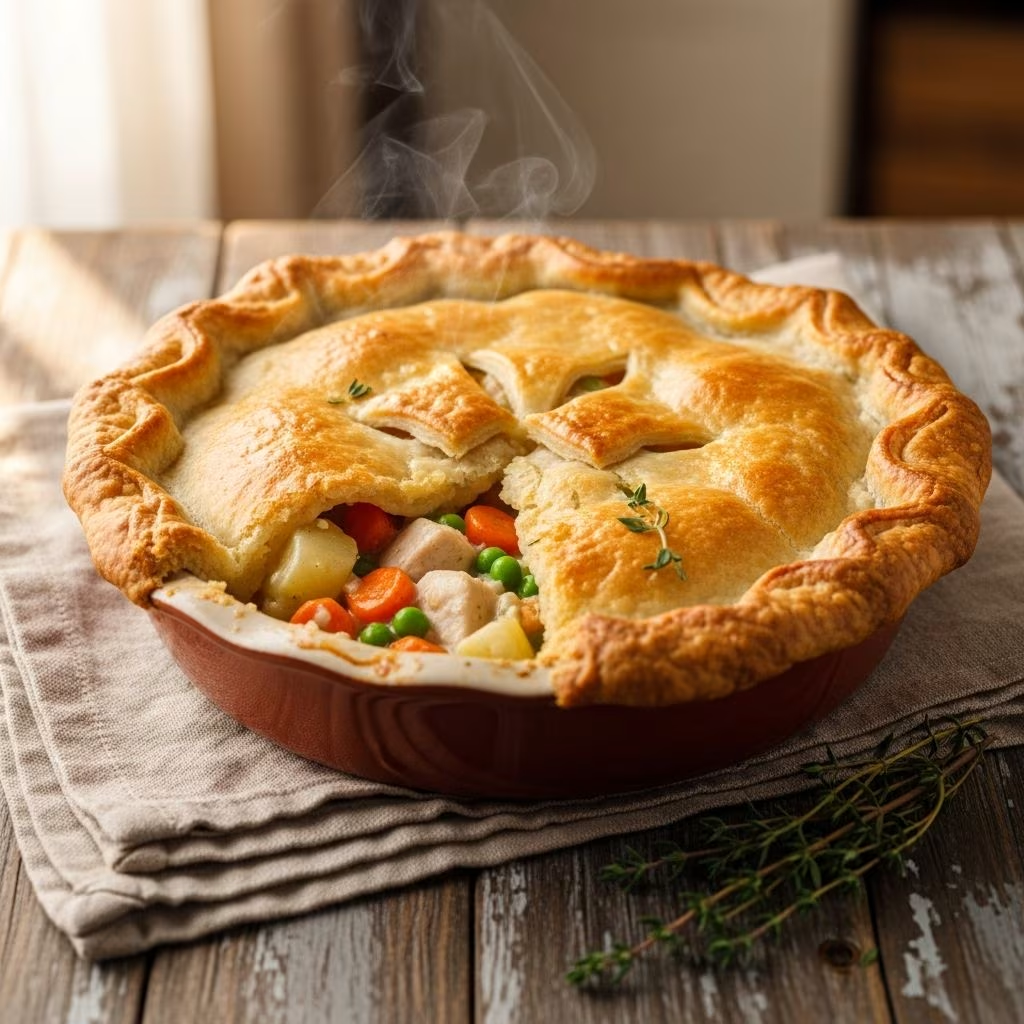
Few dishes evoke the warmth and satisfaction of home-cooked comfort food like a well-crafted chicken pot pie. This beloved casserole combines tender poultry, earthy vegetables, and a luxurious cream sauce all enveloped in a golden, flaky pastry shell. Whether you’re preparing dinner for your family or hosting guests, mastering the art of chicken pot pie preparation transforms what many perceive as an intimidating recipe into an achievable weeknight triumph.
Understanding the Foundation: Building Blocks of the Dish
The modern chicken pot pie represents a fascinating intersection of culinary traditions, drawing from both British meat pie heritage and American comfort food culture. The dish’s enduring popularity stems from its remarkable ability to transform simple, accessible ingredients into something that feels restaurant-quality yet approachable for home cooks. At its core, the chicken pot pie consists of three fundamental components: the filling, the pastry enclosure, and optional finishing touches that elevate the overall presentation.
Understanding each component’s role and how they interact creates the foundation for successful execution. The filling must achieve the right balance between creamy richness and structural integrity—too thin and it becomes soup, too thick and it loses its luxurious mouthfeel. The pastry requires proper technique to achieve the desired flakiness while maintaining enough durability to contain the filling without becoming soggy. These technical considerations, when grasped thoroughly, demystify the process considerably.
Selecting and Preparing Your Protein
The choice of chicken preparation dramatically influences both the ease of preparation and the final dish’s texture and flavor profile. Fresh poached chicken breasts offer a lean option that absorbs the surrounding cream sauce beautifully, resulting in a lighter preparation. This method involves simmering boneless, skinless breasts in seasoned water until just cooked through, typically requiring 15-20 minutes depending on thickness.
Alternatively, rotisserie chicken provides exceptional convenience for busy cooks, offering pre-cooked, flavorful meat that requires only shredding before incorporation. This approach particularly benefits those seeking to minimize active cooking time while maintaining depth of flavor. The chicken should be cut into bite-sized pieces rather than finely shredded, as larger pieces provide appealing texture contrast against the creamy sauce.
For those planning ahead, leftover chicken from previous meals represents an economical option that reduces waste while maintaining quality. This flexibility makes chicken pot pie an excellent candidate for meal planning strategies, allowing cooks to transform surplus poultry into an entirely new and celebrated dish.
Constructing the Cream-Based Filling
The filling’s creation follows a classical French technique known as a velouté sauce, modified for American home cooking preferences. This foundational sauce begins with melting butter in a heavy-bottomed saucepan over medium heat. The butter provides the fat base necessary for creating a smooth, cohesive sauce while contributing essential flavor.
After melting the butter, finely chopped onions are introduced and cooked until they become translucent and begin releasing their natural sugars. This aromatic foundation typically requires 3-5 minutes of patient cooking over consistent medium heat. Some recipes incorporate diced celery and carrots at this stage, allowing the vegetables to soften partially before flour incorporation.
The next critical step involves creating a roux—a mixture of equal parts flour and fat that serves as the thickening agent for the entire sauce. After whisking flour into the softened aromatics, the mixture should cook for 1-2 minutes while stirring constantly. This brief cooking period eliminates the raw flour flavor that would otherwise persist in the final dish. The roux should maintain a pale blonde color; browning indicates excessive heat that would compromise the sauce’s delicate flavor profile.
Seasoning integration occurs at this stage, with salt, white pepper, poultry seasoning, and dried thyme creating the flavor base. Many contemporary recipes incorporate 1/4 teaspoon of turmeric, which adds subtle earthiness and provides a warm golden hue that enhances visual appeal. These seasonings distribute evenly through the roux, ensuring consistent flavor throughout the filling.
The liquid integration represents perhaps the most technique-sensitive aspect of sauce preparation. Chicken broth—whether homemade or store-purchased—combines with heavy cream, half-and-half, or whole milk in proportions that vary based on desired richness. The critical consideration involves gradual addition while maintaining constant, vigorous stirring to prevent lump formation. Adding liquid too quickly or ceasing to stir results in a grainy, undesirable texture that compromises the entire dish.
As the liquid reaches the roux, the mixture will initially appear thick and paste-like before gradually transforming into a smooth, pourable consistency. Continued cooking over medium heat for 3-5 minutes ensures the sauce reaches a gentle boil and thickens to the appropriate consistency. The finished sauce should coat the back of a spoon and slowly drip off, indicating proper body without excessive thickness.
Incorporating Vegetables and Chicken
The filling composition varies based on personal preference and ingredient availability, though certain vegetables have achieved near-universal inclusion. Frozen peas offer convenience and a slight sweetness that balances richer cream-based elements. Diced carrots provide textural contrast and natural sugars that caramelize slightly during baking. Celery contributes an herbaceous background note that enhances overall complexity.
The prepared chicken pieces and vegetable mixture join the hot sauce off the heat, preventing overcooking and maintaining the chicken’s tender texture. This cooling step allows flavors to meld while the mixture gradually cools to a manageable temperature for pie assembly. Some cooks choose to cool the filling completely before assembly, which simplifies handling and promotes more even filling distribution within the pastry shell.
Pastry Selection and Preparation Strategies
Two primary approaches guide pastry decisions: utilizing refrigerated store-bought crusts or preparing homemade dough from scratch. The store-bought option eliminates time-intensive steps while delivering consistent, generally reliable results. These pre-made crusts arrive rolled and ready for deployment, requiring only thawing to room temperature for proper pliability.
Homemade pie dough, while demanding greater technical precision, offers superior flavor and texture control. The traditional approach combines cold flour and butter, worked together until resembling coarse sand or small peas. The butter must remain cold throughout this process to create small pockets that generate the characteristic flakiness upon baking. Ice water, added gradually while mixing minimally, brings the dough together without overworking the gluten network.
The critical distinction between successful and disappointing pastry lies in understanding that overworking develops excessive gluten, resulting in tough, dense crust rather than the desired tender crispness. Professional bakers and experienced home cooks minimize mixing, chill components aggressively, and handle dough as little as possible—principles that directly translate to superior home results.
Assembly and Baking Procedures
Successful assembly begins with positioning one pastry sheet into a 9-inch pie plate, allowing slight overhang beyond the plate edges. The cooled or room-temperature filling is then evenly distributed across this bottom crust, filling approximately three-quarters of the depth to prevent overflow during baking.
The top crust is then positioned over the filling, with edges pressed together and crimped using either fingers or fork tines to create both an attractive seal and an air-tight barrier that prevents leakage. Several steam vents—typically achieved by cutting small slits into the top crust with a sharp knife—allow internal moisture to escape during baking, preventing undesirable sogginess.
Many contemporary recipes incorporate an egg wash before baking—a mixture of beaten egg and milk brushed thinly over the top crust. This optional step creates a beautiful golden sheen and improves browning, adding visual appeal to the final presentation.
Baking occurs at 425°F, a temperature that provides sufficient heat to cook the filling thoroughly while developing appropriate crust coloring within 35-45 minutes. The final 15-20 minutes of baking often require protective foil strips around the crust edges to prevent burning while the center continues cooking. The pie achieves doneness when the crust achieves deep golden-brown coloring and any visible filling through steam vents bubbles gently.
Flavor Enhancement and Customization Options
While the classic formula delivers consistently satisfying results, thoughtful customization elevates the dish further. Fresh thyme added during sauce preparation imparts subtle herbaceous complexity that distinguishes homemade versions from commercial preparations. A modest splash of dry white wine contributes acidity and sophistication, though this remains entirely optional.
Beyond these traditional additions, creative cooks explore variations incorporating mushrooms for earthy depth, roasted garlic for pungency, or sun-dried tomatoes for slight sweetness and tang. Protein variations might include turkey for Thanksgiving adaptations, seafood for elegant entertaining, or vegetarian preparations emphasizing root vegetables and legumes.
Troubleshooting Common Challenges
| Challenge | Cause | Solution |
|---|---|---|
| Soggy crust | Excessive moisture accumulation | Cool filling completely before assembly; ensure proper steam vents |
| Lumpy sauce | Insufficient stirring during liquid addition | Add liquid slowly while stirring constantly; strain if needed |
| Burned crust edges | Excessive oven heat or prolonged baking | Cover edges with foil during latter baking stages |
| Thin filling | Insufficient roux or excess liquid | Simmer longer to reduce; use less liquid in future attempts |
| Tough crust | Overworked dough or excessive handling | Minimize mixing; handle dough gently; chill between steps |
Make-Ahead and Storage Considerations
Chicken pot pie’s flexibility extends beyond assembly techniques into meal planning advantages. The filling can be prepared 1-2 days ahead, refrigerated in an airtight container, and combined with pastry immediately before baking. This advance preparation makes weeknight entertaining surprisingly manageable—much of the work occurs during less time-constrained periods.
Assembled but unbaked pies freeze successfully for up to three months, requiring only an increase in baking time (typically an additional 10-15 minutes) when baking from frozen. This freezer accessibility transforms the dish into reliable emergency meal backup, simultaneously reducing last-minute cooking stress.
Leftover portions maintain quality in the refrigerator for 3-4 days when stored in airtight containers. Reheating at 350°F for 15-20 minutes restores appetizing warmth without degrading texture, making individual portions suitable for office lunches and flexible family schedules.
Serving Suggestions and Complementary Dishes
The chicken pot pie’s complete nature—combining protein, vegetables, and carbohydrates within a single dish—requires minimal accompaniments. A simple green salad with vinaigrette provides textural contrast and lightness that balances the pie’s richness. Steamed or roasted vegetables offer similar complementary roles while adding nutritional diversity to the meal.
For casual entertaining, crusty bread appeals to pie enthusiasts seeking to capture every drop of savory sauce. Sparkling cider or light white wines pair effortlessly with the dish’s creamy, herbaceous profile, elevating the dining experience without overwhelming delicate flavors.
Nutritional and Dietary Considerations
Traditional chicken pot pie recipes deliver approximately 400-500 calories per serving, with significant portions from dietary fats and carbohydrates. The dish provides excellent protein content from the poultry and vegetables contribute meaningful fiber and micronutrients including vitamin A from carrots and vitamin C from peas.
Light adaptations substitute half-and-half or milk for heavy cream, reducing fat content while maintaining satisfying creaminess. Homemade whole wheat pastry creates fiber advantages over refined flour versions. These modifications preserve the fundamental appeal while aligning with contemporary nutritional preferences.
Frequently Asked Questions
Can I prepare chicken pot pie in advance? Yes, assembled but unbaked pies freeze successfully for up to three months. Simply add 10-15 minutes to baking time when cooking from frozen.
What’s the best method for cooking the chicken? Poaching boneless, skinless breasts in seasoned water for 15-20 minutes produces tender, flavorful results. Alternatively, rotisserie chicken offers convenience with excellent outcomes.
Why did my sauce become lumpy? Lumps typically result from adding liquid too quickly or insufficient stirring during incorporation. Straining through fine mesh eliminates existing lumps for future attempts.
How do I prevent the crust from burning? Cover crust edges with foil strips during the final 15-20 minutes of baking. This preserves browning while preventing excessive charring.
Can I use homemade pie dough? Absolutely. Homemade dough offers superior flavor and texture control, though it requires greater technical precision and advance preparation time.
References
- Chicken Pot Pie Recipe — Persnickety Plates. 2024. https://www.persnicketyplates.com/homemade-but-easy-chicken-pot-pie/
- Easy Homemade Chicken Pot Pie — Creme De La Crumb. 2024. https://www.lecremedelacrumb.com/skillet-chicken-pot-pie/
- Best Chicken Pot Pie Recipe — The Pioneer Woman. 2024. https://www.thepioneerwoman.com/food-cooking/recipes/a11686/pot-pie/
- Homemade Chicken Pot Pie — Tastes Better From Scratch. 2024. https://tastesbetterfromscratch.com/chicken-pot-pie/
- Best Classic Chicken Pot Pie Recipe — Delish. 2024. https://www.delish.com/cooking/recipe-ideas/a58236/chicken-pot-pie-recipe/