Crafting a memorable chicken fettuccine dish requires understanding the fundamentals of pasta preparation, protein cookery, and sauce development. This versatile Italian-inspired meal has become a staple in home kitchens worldwide, offering both comfort and elegance on a single plate. By mastering the essential techniques and ingredient selection strategies outlined in this guide, you can consistently produce dishes that rival those found in established restaurants.
Understanding Your Ingredient Foundation
The quality of your finished dish begins with thoughtful ingredient selection. Each component contributes distinctly to the overall flavor profile and texture of your meal, making individual attention to these elements crucial for success.
Selecting Quality Poultry
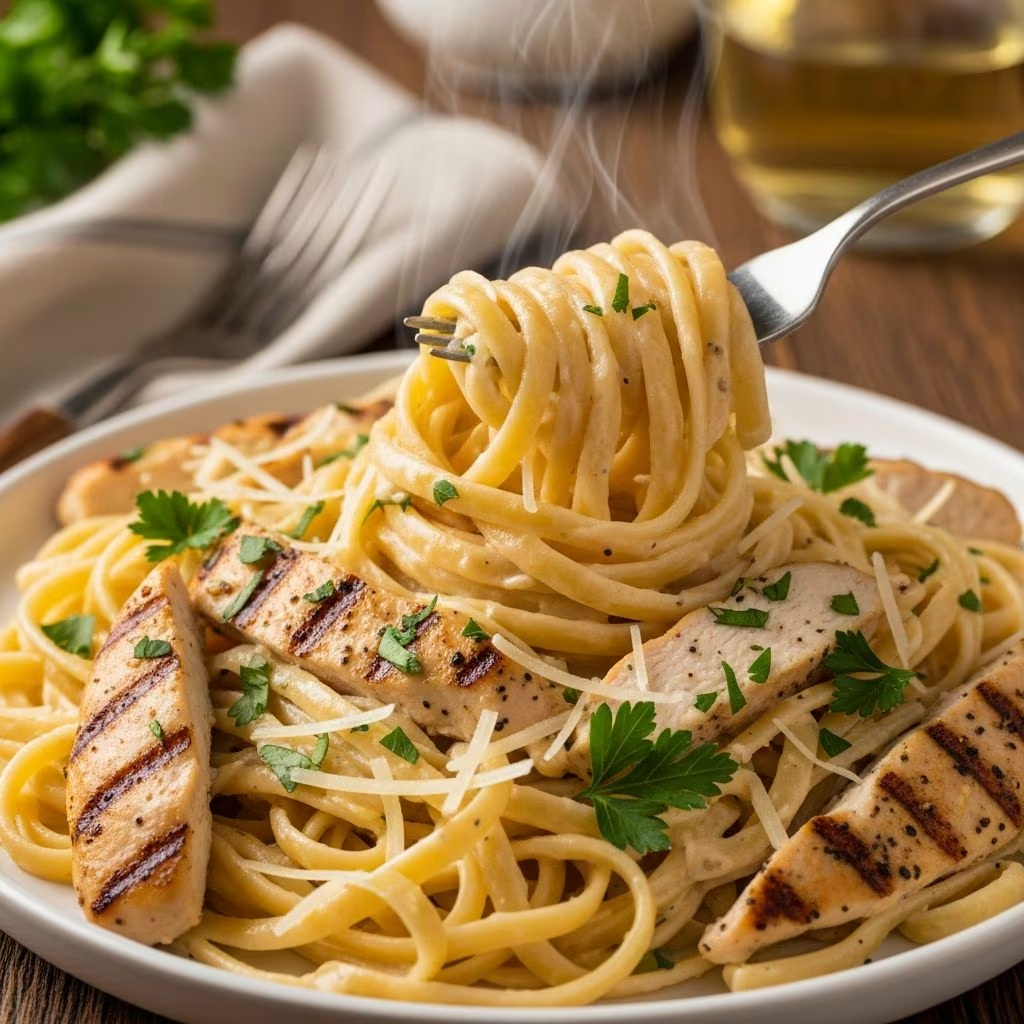
Boneless, skinless chicken breasts form the protein foundation of this dish. When purchasing chicken, look for pieces that are uniform in thickness, as this ensures even cooking throughout. Thicker breasts may require butterflying or pounding to achieve consistency. The cooking method benefits from breasts that cook through in approximately 5-8 minutes per side over medium-high heat. Some cooks prefer chicken tenderloins or thighs as alternatives, each offering slightly different texture profiles while maintaining the dish’s essential character.
Pasta Selection and Preparation
Fettuccine pasta serves as the structural element that captures and holds the creamy sauce. Approximately one pound of dried fettuccine typically serves four to six people, depending on portion preferences. The pasta should be cooked to al dente consistency—tender but maintaining a slight firmness when bitten. This texture prevents mushiness when combined with the sauce and heating process. Always reserve a portion of the starchy cooking water before draining, as this liquid becomes invaluable for adjusting sauce consistency later.
Dairy Components and Cheese
The sauce’s luxurious character depends on combining cream and cheese in proper proportions. Heavy cream or heavy whipping cream forms the sauce’s foundation, typically requiring 2 to 2.25 cups per recipe. Some preparations incorporate half-and-half as an alternative, offering a lighter texture while maintaining creaminess. Parmesan cheese, finely shredded rather than pre-grated, incorporates smoothly into warm cream without clumping. Recipes generally call for 1.5 to 1.75 cups of Parmesan per dish.
Preparation Techniques and Cooking Methods
The sequence and method of preparation significantly impact your final result. Understanding proper technique prevents common pitfalls and ensures each component reaches optimal texture and flavor.
Preprocessing Your Ingredients
Before heat touches any ingredient, complete all necessary cutting and preparation. Slice chicken breasts to uniform thickness—either horizontally halving thicker breasts or cutting already-thin pieces into manageable strips. Pat the chicken dry with paper towels, as moisture interferes with browning and creates steam rather than sear. Season all surfaces generously with salt, black pepper, and optional additions like paprika or Italian seasoning.
For vegetable additions, slice mushrooms to consistent thickness and mince garlic finely. Prepare onions by finely chopping them into small pieces that soften quickly. Having all ingredients prepared and arranged before beginning cooking prevents scrambling when timing becomes critical.
Cooking the Poultry Component
Heat olive oil in a large nonstick skillet over medium-high heat until shimmering but not smoking. Arrange chicken pieces in a single layer without crowding, as this allows proper browning rather than steaming. Cook undisturbed for 4 to 6 minutes until the bottom develops a golden-brown exterior. Flip and cook the reverse side until internal temperature reaches 165 degrees Fahrenheit (74 degrees Celsius), typically 4 to 5 additional minutes. Remove cooked chicken from the skillet and tent with foil to retain warmth.
Developing the Cream Sauce
Without cleaning the skillet, add butter to the same pan and allow it to melt over medium-high heat. Add minced garlic and cook for approximately 30 seconds, stirring constantly to prevent browning while releasing aromatic compounds. Pour in heavy cream slowly, stirring continuously to combine it with the butter and pan drippings. Allow this mixture to simmer for 8 to 10 minutes, stirring occasionally, until it begins thickening naturally.
Reduce heat to low and gradually introduce finely shredded Parmesan cheese, stirring constantly until it fully melts and integrates into the sauce. This low-heat approach prevents cheese from separating or becoming grainy. Season the sauce to taste, typically requiring 0.5 to 1 teaspoon salt and 0.25 teaspoon black pepper, adjusted according to the saltiness of your chicken stock and cheese.
Final Assembly and Plating
Add the drained, cooked fettuccine directly to the warm sauce and toss thoroughly to coat every strand. If the sauce appears too thick, add reserved pasta water one tablespoon at a time until reaching desired consistency. Return the cooked chicken to the skillet and gently combine with the pasta and sauce. Heat for one additional minute to warm the chicken throughout, then remove from heat and cover.
Allow the dish to rest covered for 10 to 15 minutes before serving. This resting period allows flavors to meld and sauce to set slightly. Divide into serving bowls and garnish with fresh or dried parsley and additional Parmesan cheese as desired.
Ingredient Proportions and Scaling Guide
| Component | Standard Recipe (4-6 servings) | Doubled Recipe (8-12 servings) | Half Recipe (2-3 servings) |
|---|---|---|---|
| Chicken Breasts | 1-1.5 lbs | 2-3 lbs | 0.5-0.75 lbs |
| Fettuccine Pasta | 1 lb | 2 lbs | 0.5 lb |
| Heavy Cream | 2-2.25 cups | 4-4.5 cups | 1-1.125 cups |
| Parmesan Cheese | 1.5-1.75 cups | 3-3.5 cups | 0.75-0.875 cups |
| Butter | 3-4 tablespoons | 6-8 tablespoons | 1.5-2 tablespoons |
| Garlic Cloves | 3-4 | 6-8 | 1.5-2 |
Enhancing Your Dish with Additional Ingredients
While the foundational combination of chicken, pasta, cream, and cheese creates a satisfying meal, strategic additions elevate complexity and provide textural contrast. These optional components allow customization based on preference and available ingredients.
Mushroom Integration
Sautéed mushrooms complement the creamy sauce while providing earthy depth. After removing cooked chicken, add butter and olive oil to the pan, then introduce sliced mushrooms. Cook until they release their moisture and begin browning, approximately 5 to 7 minutes, stirring frequently. This cooking method concentrates flavors and allows mushrooms to develop color and richness.
Onion and Aromatic Development
Finely chopped onion sautéed in butter and oil develops sweet, caramelized notes that enhance the sauce’s complexity. Cook onion pieces until soft and translucent, approximately 3 minutes, before proceeding with mushroom preparation. This step-wise approach allows each ingredient to develop fully without competing for heat.
Fresh Herbs and Garnishes
Fresh parsley added during sauce cooking and as a final garnish brightens the rich, creamy flavors. Use approximately 0.25 cup of fresh parsley integrated into the sauce, with additional fresh leaves scattered across finished bowls. This contrast of fresh and cooked herbal notes provides complexity and visual appeal.
Common Challenges and Solutions
Sauce appears too thin: Simmer uncovered for an additional 5 to 10 minutes, allowing excess moisture to evaporate. Alternatively, create a slurry by whisking 1 tablespoon cornstarch with 2 tablespoons cold water and stir into the simmering sauce, cooking for 1 to 2 minutes until thickened.
Cheese fails to incorporate smoothly: Ensure sauce temperature remains below boiling point, as high heat causes cheese proteins to separate. Remove from heat before adding cheese, or introduce it in small portions while stirring constantly.
Chicken appears dry after cooking: Reduce cooking time or decrease heat slightly. Use a meat thermometer to ensure you stop cooking at exactly 165 degrees Fahrenheit (74 degrees Celsius). Slightly undercooked chicken continues cooking while resting.
Sauce becomes too thick during resting: Add reserved pasta water one tablespoon at a time, stirring thoroughly between additions. The starch in pasta water helps achieve appropriate consistency without diluting flavors.
Timing and Efficiency Strategies
Successful execution of this recipe in approximately 30 minutes requires strategic timing. Begin by bringing a large pot of salted water to a rolling boil, as this typically requires 10 to 15 minutes depending on water quantity and stove power. While water heats, prepare all ingredients—slicing chicken, chopping vegetables, and shredding cheese. Once pasta cooks and you’ve drained it with reserved water, simultaneously begin cooking chicken in the skillet. While chicken cooks, prepare the cream sauce base in a separate saucepan or wait until chicken is removed to use the same skillet for sauce development.
Frequently Asked Questions
Can I prepare this dish in advance?
Prepare components separately rather than combining the finished dish. Cook pasta and chicken up to one day ahead, storing each separately in airtight containers. Prepare the cream sauce shortly before serving to prevent separation or flavor degradation. Reheat pasta by dropping it into boiling salted water for 1 to 2 minutes, then combine with freshly prepared sauce.
What pasta alternatives work with this sauce?
Angel hair, pappardelle, or tagliatelle pasta all work well with this sauce. Avoid very thin pastas like capellini, which may become mushy when combined with hot sauce. Thicker, ribbon-shaped pastas capture and hold the cream sauce most effectively.
Can I use half-and-half instead of heavy cream?
Yes, though the sauce will be thinner and less rich. Use the same volume of half-and-half, but increase butter slightly and extend simmering time slightly to develop thickness. The flavor remains excellent despite texture differences.
How long does this dish keep as leftovers?
Properly stored in airtight containers, leftover chicken fettuccine keeps for three days in the refrigerator. Reheat gently over low heat on the stovetop, adding small amounts of milk or cream to restore sauce consistency as needed. Avoid microwaving, which may cause uneven heating and sauce separation.
Can I make this recipe dairy-free?
Substitute heavy cream with full-fat coconut cream or a combination of vegetable broth and cashew cream. Replace Parmesan with nutritional yeast for a cheesy flavor. The result differs significantly from traditional versions but remains satisfying and delicious.
Variations and Creative Adaptations
Once you’ve mastered the foundational recipe, consider these variations. Add roasted red peppers for color and sweetness, incorporate sun-dried tomatoes for concentrated flavor, or introduce spinach during the final heating stage. Substitute white wine for a portion of cream for added acidity and complexity. Create a protein variation by replacing chicken with shrimp, scallops, or a combination of both.
For those preferring lighter preparations, reduce cream quantity and increase broth or pasta water, creating a thinner sauce that allows each ingredient to shine individually. Add lemon zest and juice for brightness that cuts through richness, particularly appealing when incorporating seafood variations.
Conclusion: Mastering This Classic Preparation
Creating chicken fettuccine that rivals restaurant preparations requires attention to ingredient quality, understanding cooking techniques, and proper timing. The recipe’s fundamental simplicity makes it accessible to cooks of varying skill levels, while its capacity for customization ensures it remains interesting across multiple preparations. Through practice and experimentation with proportions and additions, this dish becomes a reliable choice for weeknight family meals or simplified entertaining. The combination of tender chicken, silky pasta, and luxurious sauce creates satisfaction that justifies the minimal effort required.
References
- Beaming Baker – Amazing Chicken Fettuccine Alfredo Recipe — Beaming Baker. 2024. https://beamingbaker.com/chicken-fettuccine-alfredo/
- Natasha’s Kitchen – Mom’s Chicken Fettuccine Alfredo — Natasha’s Kitchen. 2024. https://natashaskitchen.com/moms-chicken-fettuccine-alfredo/
- Easy Weeknight Recipes – Chicken Fettuccine Alfredo — Easy Weeknight Recipes. 2024. https://easyweeknightrecipes.com/chicken-fettuccine-alfredo/
- Completely Delicious – Chicken Fettuccine Alfredo — Completely Delicious. 2024. https://www.completelydelicious.com/chicken-fettuccine-alfredo/
- Framed Cooks – Easy Chicken Fettuccine Alfredo — Framed Cooks. 2024. https://www.framedcooks.com/easy-chicken-fettuccine-alfredo/