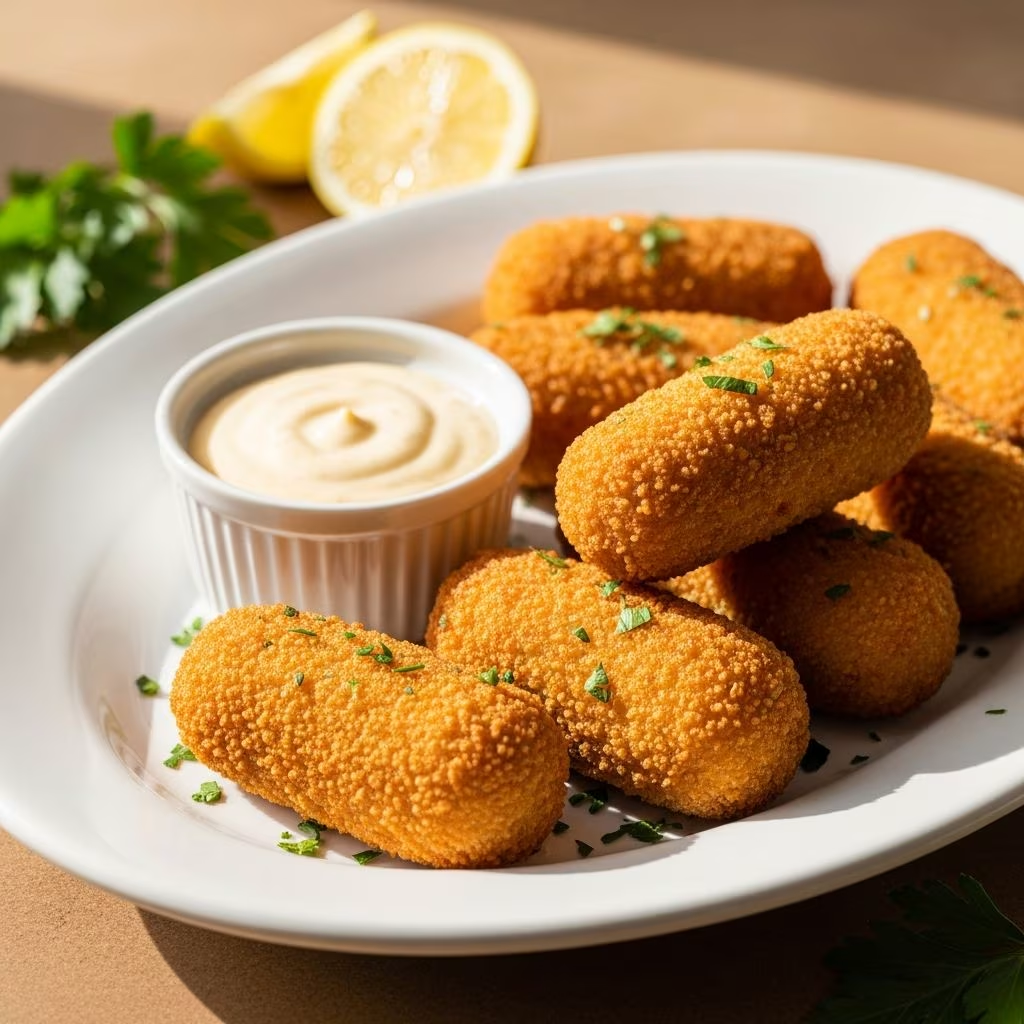
Chicken croquettes represent a timeless comfort food that bridges the gap between home cooking and restaurant cuisine. These cylindrical or oval-shaped patties combine tender chicken with a creamy binding sauce, creating a luxurious contrast between their golden exterior and tender interior. Whether you’re preparing them for a casual weeknight dinner or entertaining guests, mastering the art of making chicken croquettes opens up numerous possibilities for creative variations and elegant presentations.
Understanding the Foundation: What Makes a Perfect Croquette
At their core, chicken croquettes rely on a few fundamental components working in harmony. The foundation begins with a creamy sauce base, typically made using the classic French technique of creating a béchamel—a roux combined with milk or broth. This sauce serves as the binder that holds the chicken together while providing moisture and richness to the finished product. The chicken itself, whether ground or finely chopped, becomes suspended within this creamy matrix, creating the signature texture that defines a quality croquette.
The exterior coating transforms these delicate patties through the breading and frying process. A triple-coating technique—flour, beaten egg, and breadcrumbs—creates layers of protection that seal in moisture while developing a satisfying crunch. The cooking method, whether deep-fried or pan-fried, determines the final texture and fat content of your finished croquettes. Understanding these fundamental elements allows you to troubleshoot issues and adapt recipes to your preferences.
Selecting and Preparing Your Chicken
The quality of your chicken directly impacts the final result. You have flexibility in choosing between different forms of poultry. Ground chicken or boneless, skinless chicken breasts work equally well, though each offers distinct advantages. Ground chicken requires less processing and creates a uniform texture throughout your mixture. Fresh ground chicken from a butcher, with a coarse grind, provides superior texture compared to pre-packaged varieties.
Alternatively, cooked chicken—whether from rotisserie, boiled, or roasted sources—can be shredded or finely chopped to create croquettes with excellent flavor depth. Some cooks prefer using a food processor to achieve fine, uniform shreds from cooked chicken, while others rely on traditional chopping methods. When using ground raw chicken, cooking it separately with aromatics before mixing into your sauce ensures proper food safety and flavor development.
The texture of your chicken component significantly influences the eating experience. Finely processed chicken creates a smooth, refined interior, while more coarsely chopped pieces provide textural interest. Experiment with different preparations to determine your preference and adjust your cooking technique accordingly.
Building Your Creamy Sauce Base
The sauce that binds your chicken croquettes requires careful attention to technique. Begin by melting butter in a saucepan over medium heat—approximately two tablespoons of butter serves as the starting point for most recipes. Once the butter achieves a foaming state, whisk in an equivalent amount of flour to create a roux. This mixture should cook for one to two minutes, allowing the flour to toast slightly and lose its raw taste.
Gradually introduce your liquid component while continuously whisking. This liquid can be milk, chicken broth, or a combination of half-and-half and broth. The gradual addition and constant whisking prevent lumps from forming, creating a smooth sauce with a luxurious consistency. Continue whisking for approximately two minutes after all liquid is added, allowing the sauce to thicken to a paste-like consistency that will hold the chicken together effectively.
Seasoning your sauce requires attention to balance and depth. Standard additions include salt, black pepper, and garlic powder. Many traditional recipes incorporate dried herbs such as parsley, dried oregano, or paprika for complexity. Some cooks add a pinch of nutmeg to enhance the overall flavor profile without making it identifiable as a specific ingredient. Onion powder, chili powder, and fresh ginger-garlic paste offer additional flavor dimensions depending on your desired outcome.
Combining Ingredients and Achieving Proper Texture
After your sauce reaches the correct consistency and your chicken is prepared, fold the chicken into the sauce until evenly distributed. This step should be performed gently to maintain the texture of your chicken pieces while ensuring thorough coating with the binding sauce. The mixture at this stage will appear wet and loose, which is exactly the desired consistency.
Refrigeration is crucial for developing workable dough that can be formed into distinct shapes. Transfer your mixture to a covered container and refrigerate for a minimum of thirty minutes to one hour. This resting period allows the sauce to set slightly as it cools, making the mixture significantly easier to handle. Some recipes recommend chilling for up to two hours for even better results. The cold mixture firms up considerably, transforming from a loose batter into a moldable consistency that holds its shape during cooking.
Shaping and Coating Your Croquettes
Once your mixture has chilled sufficiently, prepare for the shaping and coating process. Remove the mixture from the refrigerator and use an eighth-cup scoop or two tablespoons to portion consistent portions. Some cooks prefer forming croquettes into oval shapes, while others create cylindrical or ball-shaped variations, depending on personal preference and traditional regional styles.
Set up a coating station with three shallow dishes: one containing flour, another with beaten eggs, and the third with breadcrumbs. Fine panko breadcrumbs work exceptionally well for creating extra texture and crispness, though regular breadcrumbs or seasoned breadcrumbs offer equally valid alternatives. Some recipes recommend using Italian-seasoned breadcrumbs to add flavor directly to the coating layer.
Execute the triple-coating process by first rolling each shaped croquette in flour, shaking off excess, then dipping in beaten egg, and finally rolling in breadcrumbs. For extra crispy results, some cooks repeat the egg and breadcrumb coating a second time, creating additional layers of protection. Arrange your coated croquettes on a parchment-lined plate and consider freezing them for at least two hours before cooking. Frozen croquettes maintain their shape better during frying and develop a more evenly browned exterior.
Cooking Methods: Pan-Frying Versus Deep-Frying
The cooking method significantly impacts both the final texture and the fat content of your finished croquettes. Pan-frying represents the lighter option, using approximately one-quarter to one-half inch of vegetable oil in a large skillet over medium to medium-high heat. Heat the oil until it shimmers but does not smoke, then carefully place croquettes in the hot oil without overcrowding the pan. Cook for three to four minutes on each side until the exterior develops a golden-brown color.
Deep-frying creates a more luxurious, indulgent result with greater crispness throughout. This method uses two cups of vegetable oil heated to between 325 and 350 degrees Fahrenheit. Croquettes should fry for several minutes until they achieve a deep golden-brown color throughout. A slotted spoon allows safe removal from the hot oil without damaging the exterior.
Both methods require careful temperature management. Oil that’s too cool produces greasy, heavy croquettes that absorb excess oil rather than creating a crispy crust. Conversely, excessively hot oil burns the exterior before the interior heats through completely. Using a thermometer takes guesswork out of temperature management and dramatically improves consistency.
Proper Draining and Final Touches
Immediately after cooking, transfer croquettes to paper towels to drain excess oil. This step removes surface grease while the exterior remains hot and crispy. Allow croquettes to rest on paper towels for at least two to three minutes before plating or serving. This brief resting period prevents oil from migrating back into the breading while the coating sets completely.
Fresh garnishes add visual appeal and flavor complexity to your finished dish. Fresh herbs such as basil, parsley, or dill complement the savory chicken flavors beautifully. A light dusting of paprika adds color, while freshly ground black pepper provides elegant finishing touches. Consider serving croquettes while still warm, when the contrast between crispy exterior and creamy interior is most pronounced.
Serving and Pairing Suggestions
Chicken croquettes adapt beautifully to numerous serving contexts and accompaniment options. Serve them as a main course accompanied by mashed potatoes and gravy, creating a complete comfort food experience. Alternatively, present them as appetizers with various dipping sauces including marinara, sour cream with fresh dill, mayonnaise, or ketchup. The versatility of chicken croquettes makes them suitable for casual family dinners or more formal entertaining situations.
Consider the cultural context of your preparation. Pennsylvania Dutch traditions pair croquettes with mashed potatoes and chicken gravy, while other regional variations emphasize different accompaniments. Dominican preparations often highlight simpler serving styles that let the croquettes themselves take center stage. Experiment with different pairings to discover combinations that resonate with your taste preferences.
Storage and Make-Ahead Strategies
Chicken croquettes offer excellent make-ahead potential, fitting easily into busy schedules. Uncooked croquettes can be frozen on a parchment-lined plate for several weeks. When ready to cook, fry frozen croquettes directly from the freezer—no thawing required. Add approximately one to two minutes to the cooking time per side to account for their frozen state.
Cooked croquettes can be refrigerated in an airtight container for up to three days. Reheat in a 350-degree Fahrenheit oven for approximately ten minutes until warmed through and the exterior crisps slightly. Alternatively, reheat pan-fried croquettes briefly in a skillet over medium heat with a small amount of oil to restore crispness. While freezing cooked croquettes is possible, quality degrades more noticeably than with uncooked varieties.
Troubleshooting Common Issues
Several challenges may arise during the croquette-making process. If your mixture appears too loose to form shapes, extend your refrigeration time or add additional breadcrumbs to the mixture before chilling. Conversely, if the mixture becomes too stiff, fold in a small amount of milk or broth to restore workability. If croquettes fall apart during frying, your mixture likely needed additional chilling time or your coating wasn’t properly adhered. Ensure thorough egg contact between flour and breadcrumb layers to prevent separation.
Greasy croquettes indicate oil temperature that was too low during cooking. Invest in a thermometer for accurate temperature monitoring. If croquettes cook unevenly or develop dark spots while the interior remains cold, reduce your heat slightly and allow additional cooking time. The exterior may not achieve intense browning at lower temperatures, but consistent cooking throughout becomes possible.
Variations and Creative Adaptations
The basic chicken croquette formula adapts beautifully to countless variations. Add finely chopped zucchini and onions to the mixture for vegetables that contribute moisture and flavor. Incorporate shredded cheese into the sauce base or mix, creating richness and complexity. Different herbs—fresh dill, cilantro, or tarragon—completely transform the flavor profile while maintaining the fundamental technique.
Some cooks add finely minced garlic, ginger-garlic paste, or fresh chili peppers to create international variations. Others experiment with different breadcrumb varieties, including panko, Italian seasoned, or crushed crackers for unique textural elements. The foundation remains consistent while endless creative possibilities emerge through ingredient substitution and cultural adaptation.
References
- Pan-Fried Chicken Parmesan Croquettes — Another Foodie Blogger. 2016. https://anotherfoodieblogger.wordpress.com/2016/02/06/pan-fried-chicken-parmesan-croquettes/
- Healthy Chicken Croquettes Recipe with Zucchini and Onions — CopyKat Recipes. https://copykat.com/russian-chicken-cutlets/
- Chicken Croquettes — Budget Bytes. https://www.budgetbytes.com/chicken-croquettes/
- Chicken Croquettes Recipe – Food Lovin Family — Food Lovin Family. https://www.foodlovinfamily.com/moms-famous-chicken-cakes/
- Chicken Croquettes Recipe — Yummy Tummy Aarthi. https://www.yummytummyaarthi.com/fried-chicken-croquettes/
- Pennsylvania Dutch Chicken Croquettes Recipe — Amish Heritage. https://amish-heritage.org/pennsylvania-dutch-chicken-croquettes-recipe/
- Dominican Chicken Croquetas — Crispy Outside, Creamy Inside — YouTube. https://www.youtube.com/watch?v=7VWPK_p0-Pg