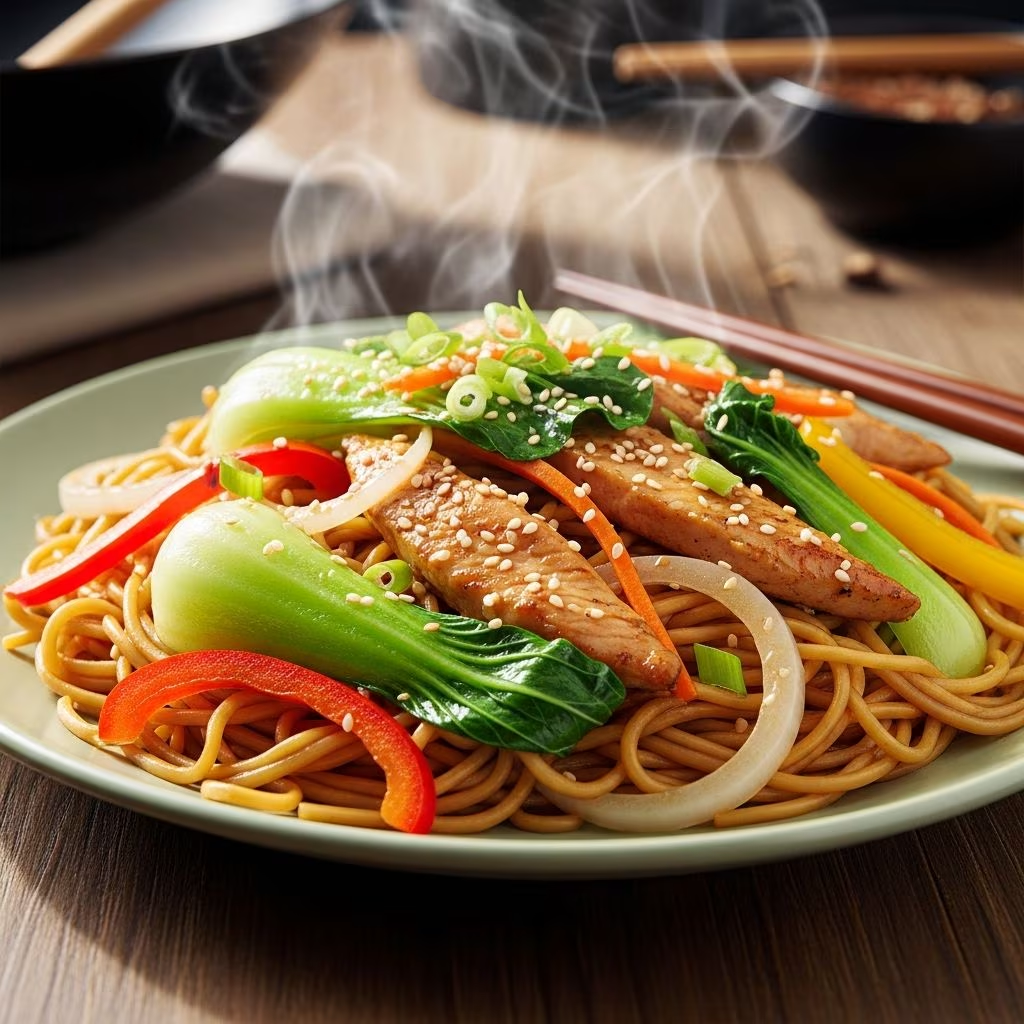
Chicken chow mein stands as a beloved staple in Chinese-American cuisine, combining tender marinated chicken, crisp vegetables, and chewy noodles all coated in a savory sauce. This dish offers a perfect balance of textures and flavors, making it ideal for weeknight dinners or casual gatherings. With preparation times as short as 30 minutes, it’s far superior to takeout options in taste and freshness.
Understanding the Essentials of Chow Mein
Chow mein, translating to “fried noodles” in Cantonese, features stir-fried noodles with proteins and vegetables. The key to authenticity lies in the sauce—a blend that clings to every strand—and the wok technique that preserves vegetable crunch while cooking proteins quickly. Traditional versions use fresh or dried chow mein noodles, but adaptations allow for pantry staples.
Distinct from lo mein, which involves softer boiled noodles tossed in sauce, chow mein emphasizes crispiness from high-heat stir-frying. This high-heat method, known as stir-frying or chao, sears ingredients rapidly to lock in juices and develop flavors.
Selecting the Best Ingredients
Quality ingredients elevate chicken chow mein from good to exceptional. Start with boneless, skinless chicken breasts or thighs, sliced thinly against the grain for tenderness. Vegetables like cabbage, carrots, bean sprouts, and green onions provide color, crunch, and nutrition.
Core Components Breakdown
- Protein: 8-16 ounces chicken, marinated for flavor penetration.
- Noodles: 6-12 ounces dried or fresh chow mein noodles; alternatives include ramen or spaghetti in a pinch.
- Vegetables: Shredded cabbage (2 cups), julienned carrots (½ cup), bean sprouts (½ cup), minced garlic and ginger for aromatics.
- Sauce Staples: Soy sauce, oyster sauce, sesame oil, chicken broth, cornstarch for thickening.
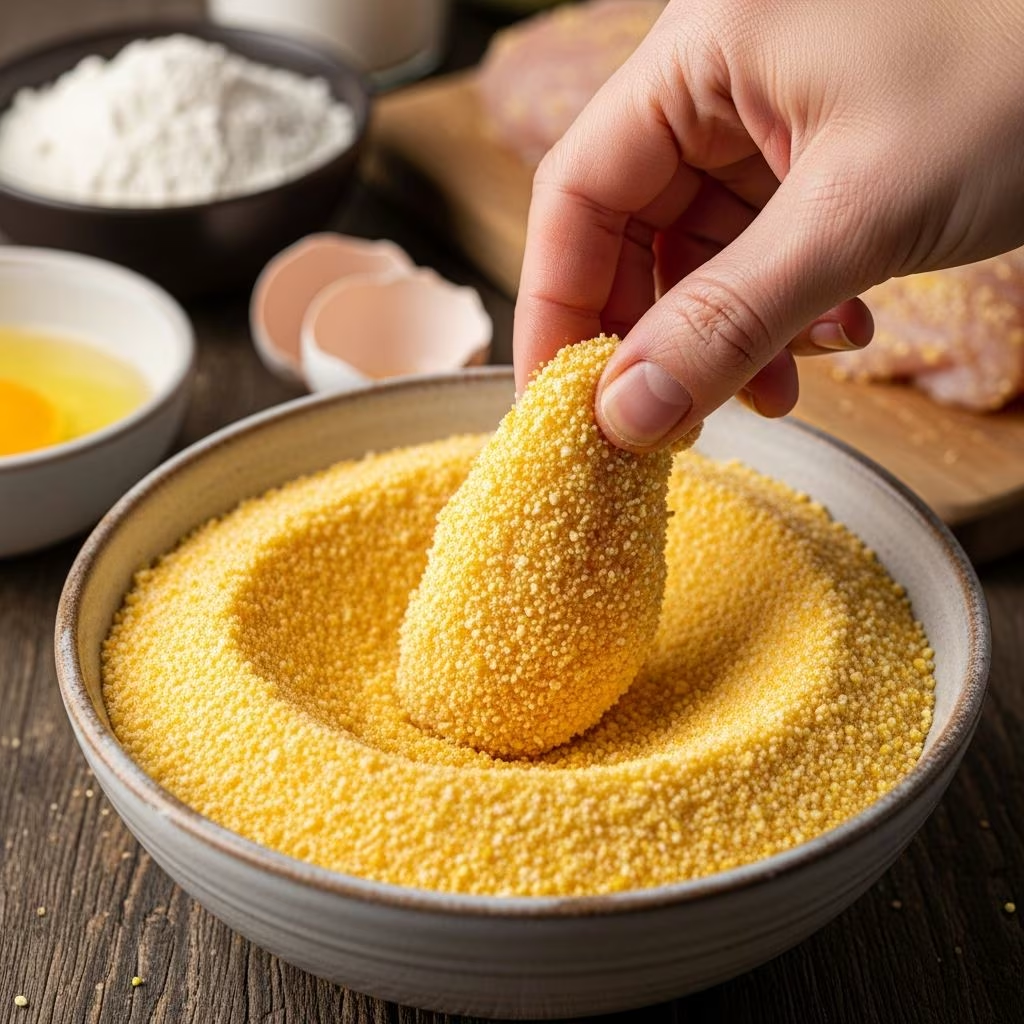
For the marinade, combine soy sauce, salt, cornstarch, and sesame oil to tenderize and season the chicken. The cornstarch forms a velvety coating, preventing dryness during cooking.
Sauce Mastery Table
| Ingredient | Amount (for 4 servings) | Role |
|---|---|---|
| Oyster sauce | 3-4 Tbsp | Umami depth |
| Soy sauce | 1-3 Tbsp | Saltiness and savoriness |
| Sesame oil | 1 tsp | Aromatic nuttiness |
| Chicken broth | ¼-½ cup | Moisture and subtle meatiness |
| Cornstarch | 1 tsp | Thickening agent |
This combination creates a glossy sauce that coats noodles evenly, mimicking restaurant quality.
Step-by-Step Cooking Process
Prepare all ingredients mise en place style before heating the wok, as stir-frying happens fast. Use a large wok or skillet for even heat distribution.
Marinate Chicken: Slice chicken into ¼-inch strips, toss with 1 tsp soy sauce, ½ tsp salt, ½ tsp cornstarch, and ½ tsp sesame oil. Let sit 10-15 minutes.
Prepare Sauce: Whisk ¼ cup broth, 3 Tbsp oyster sauce, 1 Tbsp soy sauce, 1 tsp sesame oil, and 1 tsp cornstarch. Set aside.
Cook Noodles: Boil 6-8 oz chow mein noodles per package (2-4 minutes for dried). Drain and rinse under cold water to stop cooking; toss with a dash of oil to prevent sticking.
Stir-Fry Chicken: Heat 1 Tbsp vegetable oil over high heat. Cook chicken 2-3 minutes until golden and cooked through. Remove.
Cook Vegetables: Add another Tbsp oil. Sauté garlic, ginger (30 seconds), then carrots and cabbage (2-3 minutes) until crisp-tender.
Combine and Sauce: Return chicken, add noodles and sauce. Toss 1-2 minutes until sauce thickens and coats everything.
Finish: Stir in bean sprouts and green onions for 1 minute. Serve immediately.
Total time: 25-30 minutes. Serves 4.
Pro Tips for Restaurant-Quality Results
- High Heat is Key: A hot wok (smoking oil) ensures the wei ran or breath of the wok flavor.
- Thin Slices: Cutting chicken against the grain speeds cooking and keeps it juicy.
- Noodle Timing: Slightly undercook dried noodles; they’ll finish in the wok.
- Don’t Overcrowd: Cook in batches if needed to maintain heat.
- Fresh vs. Dried Noodles: Fresh offer chewiness; dried are more accessible.
Customizing Your Chow Mein
Adapt for dietary needs or preferences without sacrificing flavor.
Vegetarian Version
Swap chicken for tofu or mushrooms. Use vegetable broth in sauce. Add bok choy or broccoli for heartiness.
Spicy Kick
Incorporate 1 tsp chili garlic sauce or fresh chilies into the sauce for heat.
Protein Swaps
| Protein | Prep Notes |
|---|---|
| Shrimp | Cook 1-2 min; add last |
| Beef | Thin slices, marinate longer |
| Pork | Tenderloin, similar to chicken |
Vegetable Variations
- Bell peppers for sweetness.
- Celery or snap peas for extra crunch.
- Spinach or kale, added at end.
Nutrition and Health Benefits
A 1-cup serving provides approximately 350-450 calories, 25g protein, 40g carbs, and 12g fat. Loaded with fiber from veggies (vitamin A, C) and lean protein for muscle repair. Opt for low-sodium soy and oyster sauces to reduce salt.
Frequently Asked Questions
What if I can’t find chow mein noodles?
Use thin spaghetti, ramen (discard seasoning), or rice noodles. Boil al dente.
Can I make it ahead?
Prep ingredients yes; cook fresh for best texture. Reheats well with a splash of broth.
Gluten-free option?
Tamari for soy, gluten-free oyster sauce, rice noodles.
How to store leftovers?
Refrigerate up to 3 days in airtight container. Stir-fry with water to revive.
Is oyster sauce necessary?
Essential for authentic taste; sub hoisin or extra soy + sugar.
Pairing Suggestions
Serve with egg rolls, fried rice, or steamed dumplings. Beverages: jasmine tea, chilled beer, or sparkling water with lime for balance.
Experiment with these elements to make chicken chow mein your signature dish. Its versatility ensures endless enjoyment.
References
- Chicken Chow Mein Recipe — Jessica Gavin. 2023-05-15. https://www.jessicagavin.com/chicken-chow-mein/
- Chicken Chow Mein with Best Chow Mein Sauce! — Natasha’s Kitchen. 2022-08-10. https://natashaskitchen.com/chicken-chow-mein/
- Chow Mein — RecipeTin Eats. 2021-11-20. https://www.recipetineats.com/chicken-chow-mein/
- The Easiest Chicken Chow Mein (30 Minutes) — Healthy Nibbles and Bits. 2023-02-14. https://healthynibblesandbits.com/30-minute-chicken-chow-mein/