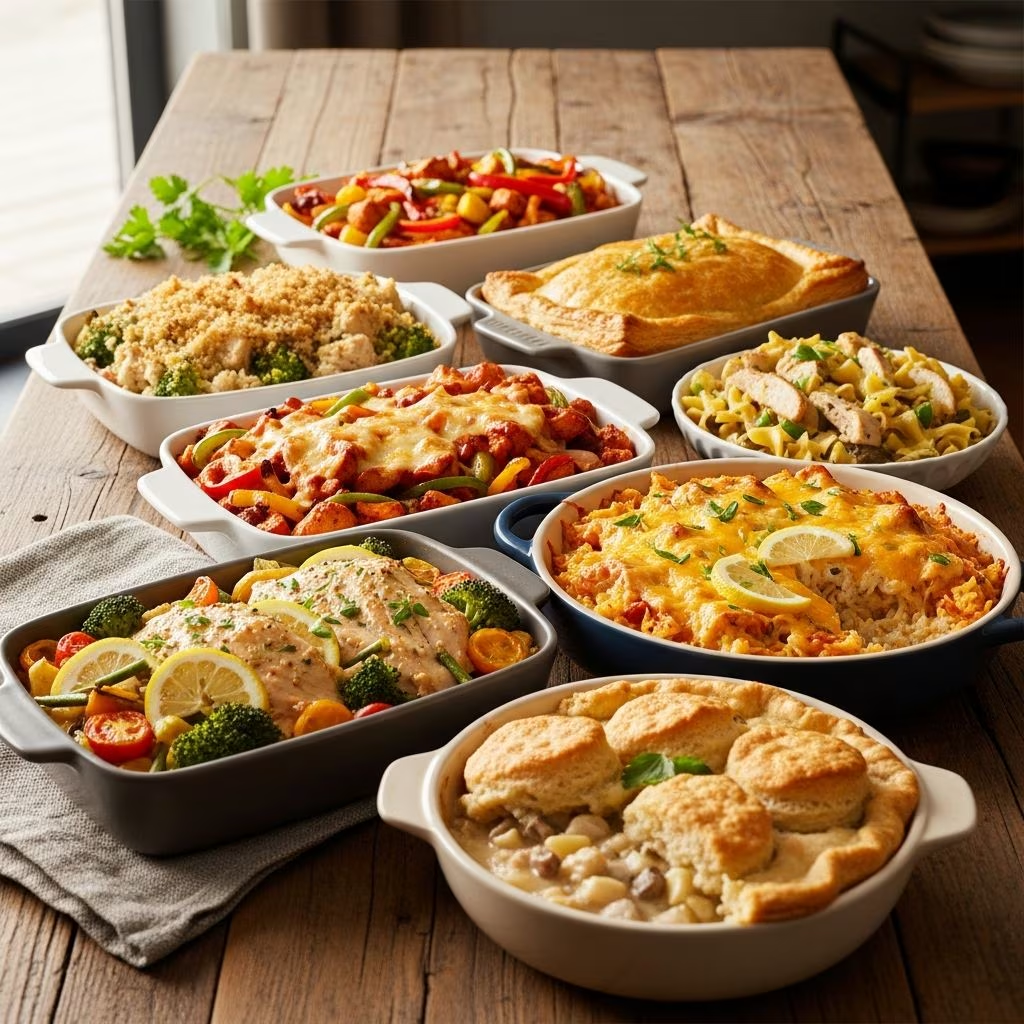
When it comes to preparing satisfying meals that don’t require hours in the kitchen, few dishes rival the humble casserole. Chicken casseroles, in particular, offer a perfect balance of convenience, nutrition, and flavor that appeals to families seeking reliable weeknight solutions. These one-dish wonders combine tender poultry with complementary ingredients, allowing cooks to prepare complete meals with minimal hands-on time and cleanup.
Why Chicken Casseroles Remain a Staple for Busy Families
The enduring popularity of chicken casseroles stems from their fundamental practicality. Unlike recipes requiring multiple pots and pans, casseroles consolidate preparation and cooking into a single vessel, dramatically reducing both preparation complexity and post-meal cleanup. This efficiency makes them ideal for parents juggling work, school schedules, and extracurricular activities.
Beyond convenience, chicken casseroles offer nutritional flexibility. The protein-rich base of chicken pairs seamlessly with vegetables, grains, and dairy components, allowing families to create balanced meals that incorporate multiple food groups. Parents can easily adjust recipes to accommodate dietary preferences or restrictions, substituting ingredients without compromising the dish’s fundamental appeal.
The comfort factor cannot be overlooked. Casseroles evoke feelings of warmth and care, making them particularly effective during colder months or challenging weeks when families need emotional nourishment alongside physical sustenance. This psychological element contributes significantly to their lasting appeal across generations.
Building the Foundation: Essential Ingredients and Components
Creating successful chicken casseroles begins with understanding the core components that form the backbone of these dishes. Each element serves a specific purpose, working together to create a cohesive, satisfying meal.
Protein Base Selection
The choice of chicken preparation significantly influences both the casserole’s flavor profile and preparation time. Rotisserie chicken offers maximum convenience, requiring only shredding before incorporation. This approach minimizes active cooking time, making it ideal for genuinely busy evenings when extensive prep work proves impractical.
Fresh chicken thighs provide superior moisture and flavor compared to breast meat. Thighs remain juicier during extended cooking, preventing the dryness that sometimes plagues casseroles made with leaner poultry cuts. Pre-cooking chicken thighs through browning or poaching ensures proper texture and allows cooks to control seasoning levels.
Creamy Sauce Development
The sauce constitutes the casserole’s defining characteristic, transforming individual ingredients into a unified, cohesive dish. Traditional cream-based sauces rely on combinations of cream cheese, cottage cheese, sour cream, and cream soup bases. These ingredients create richness and depth while contributing structural integrity that helps the casserole maintain its shape when served.
For those seeking lighter alternatives, Greek yogurt or reduced-fat sour cream can replace higher-fat options without sacrificing creaminess. Chicken stock combined with cornstarch offers a lighter approach that still provides adequate binding and moisture.
Textural Contrast Elements
Casseroles benefit from incorporating elements that provide contrast to soft, creamy interiors. Crushed crackers mixed with melted butter create a golden, crispy topping that provides textural appeal and visual interest. Some preparations incorporate bacon crumbles or chopped nuts to enhance this contrast further.
Classic Formulations Worth Mastering
The Million Dollar Casserole Approach
This widely celebrated variation combines shredded chicken with cream cheese, cottage cheese, sour cream, and cream of chicken soup, topped with butter-coated cracker crumbles. The preparation method proves remarkably straightforward: combine all filling ingredients in a bowl, transfer to a baking dish, top with seasoned crackers, and bake until the mixture bubbles around the edges and the topping achieves golden-brown coloration.
This formulation’s appeal lies partly in its name, which suggests luxury and special-occasion status, yet the recipe demands minimal skill or specialty ingredients. The combination of multiple dairy products creates extraordinary creaminess while the cracker topping provides satisfying crunch. Total preparation time typically doesn’t exceed 45 minutes from start to finish.
Slow Cooker Variations for Extended Cooking
For those seeking minimal active cooking involvement, slow cooker casseroles offer exceptional convenience. Traditional slow cooker chicken casseroles begin with lightly browned chicken thighs, which develop deeper flavor through this initial searing step. Vegetables such as mushrooms, carrots, and celery combine with chicken stock and seasonings, cooking on low heat for five to six hours or high heat for three to four hours.
This prolonged cooking method allows flavors to meld beautifully while the extended moisture and heat transform chicken into extraordinarily tender meat that shreds with minimal effort. Adding cream during the final stages prevents curdling while maintaining the sauce’s silky texture.
Strategic Ingredient Combinations and Variations
While core casserole components remain fairly consistent, the beauty of this dish format lies in its adaptability. Cooks can introduce countless variations by modifying supporting ingredients while maintaining the fundamental structure.
Vegetable Integration Strategies
Fresh and frozen vegetables enhance both nutritional profile and flavor complexity. Green peas contribute sweetness and bright color, while frozen options prove convenient and require no chopping. Mushrooms add umami depth and meaty texture, particularly appealing to those seeking substantial, satisfying meals.
Artichoke hearts introduce Mediterranean sophistication, while diced bell peppers contribute sweetness and vibrant color. Broccoli and cauliflower appeal to those prioritizing vegetable content, though their stronger flavors require careful seasoning adjustment to prevent overpowering the dish.
Protein Enhancement Additions
Incorporating bacon crumbles, diced ham, or ground sausage intensifies savory notes and adds complexity. These additions transform basic preparations into more restaurant-quality dishes. Similarly, adding anchovies in minimal quantities (a technique many won’t recognize consciously) deepens overall umami sensation.
Textural Layers Through Topping Variations
Beyond standard crackers, crushed chips, panko breadcrumbs, or nuts create distinct textural profiles. Crushed tortilla chips introduce Southwestern flair, while panko breadcrumbs offer lighter, airier crunch. Chopped almonds or walnuts add sophistication and nutritional benefits.
Practical Execution Strategies for Weeknight Success
Advance Preparation Approaches
Assembling casseroles several hours or even a full day ahead provides significant time savings. Most casseroles can refrigerate successfully, requiring only adjustment of baking time when cooking from cold temperatures. This strategy allows cooks to prepare during calmer moments, storing the assembled dish until convenient cooking time arrives.
Some variations accept freezing remarkably well. After cooling completely, covered casseroles can freeze for several weeks. Thawing overnight in the refrigerator before baking ensures even heating and optimal texture development.
Cooking Temperature and Timing Considerations
Standard baking occurs at 375°F, though temperatures ranging from 350°F to 400°F produce acceptable results. Lower temperatures require extended cooking but often yield more tender results, while higher temperatures accelerate cooking but may brown toppings before filling reaches proper temperature.
Checking for doneness relies on visual cues: the filling should bubble around edges, and crackers should achieve light golden-brown coloration. Allowing casseroles to rest for 15-20 minutes after removal from the oven permits filling to set, making serving cleaner and the slices more substantial.
Portion Planning and Serving Strategy
Standard 13×9-inch casseroles typically yield six generous servings. This sizing proves ideal for families of four with leftovers available for next-day lunches. Smaller households might halve recipes or embrace leftover casserole’s remarkable versatility—reheated portions taste nearly identical to fresh preparations, and many cooks prefer day-old casserole’s slightly firmer texture.
Nutritional Considerations and Dietary Modifications
While casseroles earned reputations as indulgent dishes, modern preparation techniques enable creation of nutritionally balanced versions. Reducing cheese quantities or substituting reduced-fat versions decreases caloric and fat content without substantially compromising creaminess.
Cottage cheese provides protein and creaminess while contributing fewer calories than traditional cream cheese. Greek yogurt offers similar benefits with added probiotic potential. Replacing cream soup bases with homemade chicken stock combined with cornstarch provides creaminess while offering superior nutritional profiles.
Those managing specific dietary restrictions find casseroles remarkably accommodating. Gluten-free crackers substitute seamlessly for traditional varieties. Dairy-free cream alternatives, while sometimes requiring texture adjustment, enable creation of vegan casseroles. Vegetarian preparations substitute plant-based proteins for chicken without requiring significant methodology changes.
Flavor Profile Development Through Strategic Seasoning
The difference between adequate casseroles and truly memorable preparations often hinges on seasoning sophistication. Basic salt and pepper provide foundation, but layering additional flavors creates dimension.
Garlic powder and onion powder contribute savory depth, though fresh minced garlic and onions provide superior results when time permits. Dried herbs such as thyme, rosemary, or Italian seasoning complement chicken beautifully. Lemon juice brightens heavy creamy sauces, preventing monotonous richness.
Paprika adds color and subtle spiciness, while Worcestershire sauce or soy sauce contributes umami complexity. These additions require restraint—a teaspoon proves sufficient where tablespoons would overwhelm.
Storage, Reheating, and Sustainability Practices
Properly stored casseroles maintain quality for three to four days refrigerated in airtight containers. Reheating proceeds gently in a 325°F oven, covered with foil to prevent top browning. Microwave reheating works but often produces uneven heating—standing time of several minutes allows temperature equalization.
Frozen casseroles keep successfully for up to three months. Thawing overnight in refrigerators before cooking maintains quality better than cooking directly from frozen, though frozen preparations remain edible with extended cooking time.
Frequently Asked Questions
Can casseroles be prepared without cream-based sauces?
Yes, broths combined with cornstarch, tomato-based sauces, or simple vinaigrettes create lighter casseroles. These alternatives reduce richness while maintaining flavor and moisture levels.
How far in advance can casseroles be assembled?
Most casseroles assemble successfully up to 24 hours before baking. Allowing ingredients to marinate together often enhances flavor integration.
What distinguishes successful casseroles from disappointing ones?
Adequate seasoning, balanced moisture content preventing either dryness or excessive soupiness, and textural contrast between filling and topping distinguish exceptional casseroles. Additionally, using quality ingredients and avoiding overcomplication contributes to success.
Can casseroles serve purposes beyond family dinners?
Absolutely. Casseroles work excellently for potlucks, meal contributions to families experiencing transitions, and even repackaged as gifts for new parents or recovering friends. Their transportability and make-ahead nature make them ideal for these applications.
Conclusion: The Enduring Appeal of Casserole Cuisine
Chicken casseroles represent far more than convenient weeknight solutions, though convenience certainly explains their widespread appeal. These dishes embody culinary practicality without sacrificing satisfaction, allowing cooks to nourish families while maintaining reasonable time investments. Whether preparing straightforward creamy variations or experimenting with innovative flavor combinations, casserole preparations empower home cooks to create meals worthy of special occasions using everyday ingredients and techniques. This fundamental accessibility ensures chicken casseroles will remain kitchen staples for generations to come.
References
- Chicken Casserole — Nicky’s Kitchen Sanctuary. Retrieved April 2026. https://www.kitchensanctuary.com/chicken-casserole/
- Million Dollar Chicken Casserole (Easy Comfort Food) — Meatloaf and Melodrama. Retrieved April 2026. https://www.meatloafandmelodrama.com/million-dollar-chicken-casserole/
- Million Dollar Chicken Casserole — Plain Chicken. Retrieved April 2026. https://www.plainchicken.com/million-dollar-chicken-casserole/
- Easy Weeknight Chicken Casserole — Preppy Kitchen. Retrieved April 2026. https://preppykitchen.com/chicken-casserole/