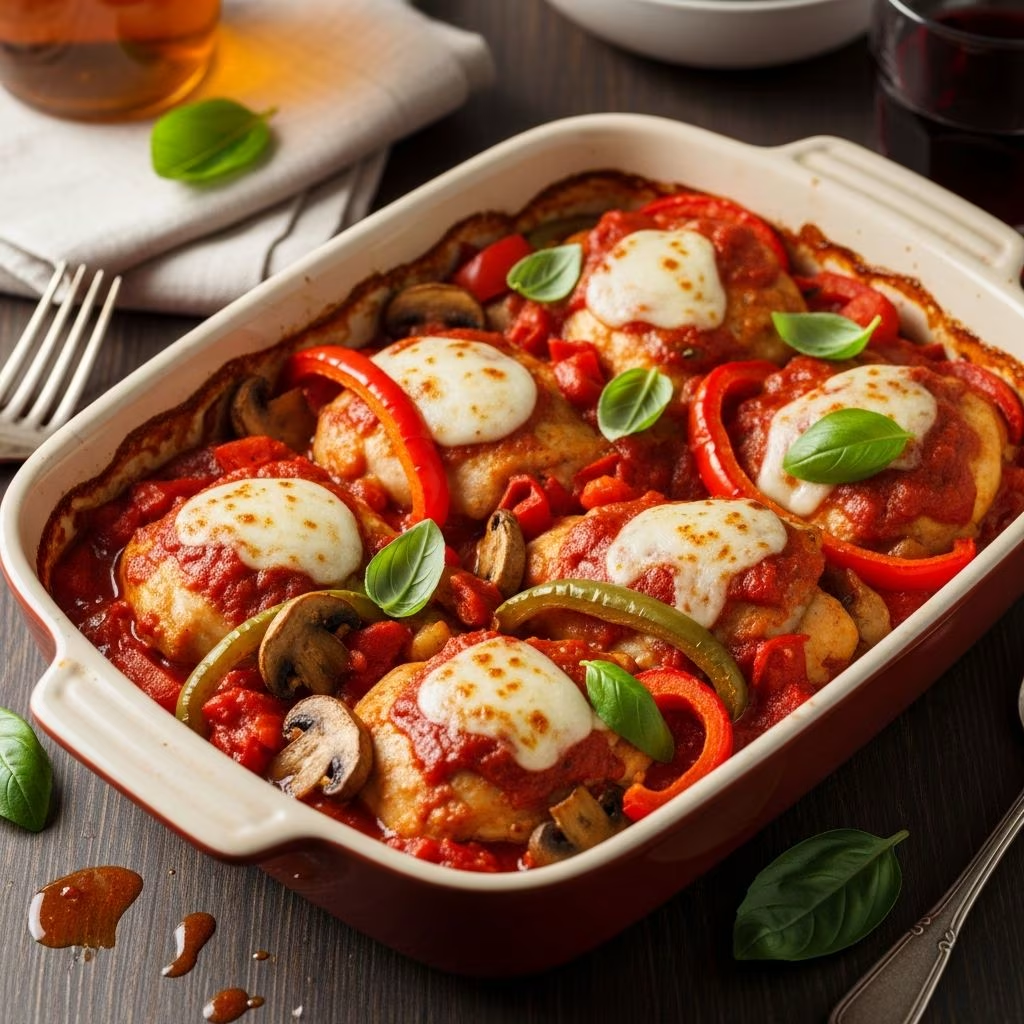
Chicken Cacciatore stands as one of the most beloved dishes in Italian culinary tradition, earning its name from the Italian word “cacciatore,” meaning “hunter.” This rustic preparation method reflects its origins as a hearty meal prepared by hunters using available ingredients from their surroundings. Today, this timeless classic has evolved into a beloved comfort food that graces dinner tables across the globe, particularly during cooler months when families gather for warm, satisfying meals.
The beauty of a chicken cacciatore casserole lies in its simplicity and versatility. Unlike complicated multi-step recipes requiring specialized equipment or hard-to-find ingredients, this dish comes together using pantry staples and common proteins. The result is a deeply flavorful, aromatic dish that tastes like it has simmered for hours, yet can be prepared in under an hour.
Understanding the Foundation: What Makes Chicken Cacciatore Special
At its core, chicken cacciatore represents the marriage of protein, vegetables, and a robust sauce infused with wine and herbs. The dish distinguishes itself through several key characteristics. First, the protein remains moist and tender throughout the cooking process, never becoming dry or tough. Second, the vegetables maintain their structural integrity while becoming infused with the surrounding sauce. Third, the sauce achieves a perfect balance between acidity from tomatoes and wine, richness from olive oil, and complexity from carefully selected herbs.
The casserole preparation method offers distinct advantages over traditional stovetop cooking. By bringing all components together in a single vessel, flavors meld more effectively, and the hands-off cooking time allows you to attend to other tasks. The result is a more cohesive dish where each ingredient contributes to an harmonious whole.
Essential Ingredients for Authentic Preparation
Creating an exceptional chicken cacciatore casserole begins with understanding each ingredient’s role in the final dish.
The Protein Foundation
Chicken serves as the centerpiece of this dish, and your selection matters. Bone-in, skin-on thighs and legs provide superior flavor compared to boneless breasts. The bones contribute collagen and gelatin to the sauce, creating a silkier texture, while the skin renders fat that enriches the overall dish. If you prefer using boneless chicken breasts, select thicker pieces and monitor cooking time carefully to prevent drying.
Aromatic Vegetables
Three vegetables form the aromatic base essential to developing the dish’s flavor profile. Yellow or red onions provide sweetness and body, bell peppers contribute both sweetness and subtle vegetal notes, and mushrooms add umami depth. Button mushrooms work well, though cremini or portobello varieties offer more pronounced earthy flavors. Garlic, when sautéed properly, adds pungent aromatic complexity.
The Liquid Components
Dry white wine brings acidity and complexity, though apple cider vinegar or additional broth can substitute if preferred. The tomato base typically combines tomato paste, crushed tomatoes, or tomato puree. Tomato paste provides concentrated flavor in small quantities, while puree offers body throughout the dish. Fresh or canned tomatoes each have merit—fresh tomatoes in season provide brightness, while canned tomatoes offer consistency year-round.
Herbs and Seasonings
Bay leaves, dried oregano, and fresh basil create the classic Italian flavor profile. Rosemary adds pine-like notes that deepen complexity. Olive oil serves triple duty as a cooking medium, flavor contributor, and richness provider. Quality extra-virgin olive oil makes a noticeable difference in the final dish.
Ingredient Preparation and Substitution Guide
| Ingredient | Primary Option | Acceptable Substitution |
|---|---|---|
| Chicken | Bone-in thighs and legs | Boneless chicken breasts (adjust cooking time) |
| Wine | Dry white wine | Apple cider vinegar, chicken broth, or red wine |
| Tomato Base | Mix of paste and puree | All crushed canned tomatoes or all puree |
| Mushrooms | Button mushrooms | Cremini, portobello, or mixed mushroom varieties |
| Peppers | Red bell peppers | Green, yellow, or orange bell peppers |
| Herbs | Fresh basil, dried oregano | Italian seasoning blend or fresh parsley |
Step-by-Step Preparation Method
Initial Protein Preparation
Begin by patting the chicken dry with paper towels, removing surface moisture that would inhibit browning. Season generously on both sides with kosher salt and freshly ground black pepper. If using skin-on chicken, score the skin lightly with a knife to promote even browning and allow fat rendering.
Developing the Sear
Heat olive oil in a large skillet over medium-high heat until shimmering but not smoking. Working in batches to avoid overcrowding, place chicken skin-side down and allow it to remain undisturbed for 4-5 minutes, developing a deep golden crust. Flip and repeat on the other side for 3-4 minutes. This Maillard reaction creates complex flavors that form the dish’s foundation. Transfer finished chicken to a plate.
Building Aromatic Layers
In the same skillet, reduce heat to medium and add minced garlic, cooking for 30 seconds until fragrant but not browned. Add diced onions and cook for 3-4 minutes, stirring occasionally, until they begin to soften and turn translucent. Add bell pepper pieces and mushrooms, continuing to cook for another 3-4 minutes until vegetables release their moisture and begin to caramelize slightly.
Creating the Sauce Foundation
Stir in tomato paste, coating all vegetables and allowing it to caramelize slightly in the hot pan for 1-2 minutes. This step concentrates and deepens the tomato flavor. Deglaze the pan by adding wine or vinegar, using a wooden spoon to scrape up browned bits stuck to the bottom—this fond contains intense flavor compounds essential to the finished dish.
Combining All Components
Return the chicken to the skillet, nestling pieces among the vegetables. Pour in tomato puree or crushed tomatoes, add bay leaves, oregano, and any additional herbs. Stir gently to distribute ingredients evenly. Bring the mixture to a gentle simmer, then either continue cooking on the stovetop or transfer to a casserole dish for oven cooking.
Cooking Method Comparison: Stovetop Versus Oven
Stovetop Method
Place a lid partially over the skillet and simmer on low heat for 40-45 minutes until chicken reaches an internal temperature of 165°F (74°C) and meat pulls away cleanly from bones. The advantage of this method is direct control over heat and the ability to monitor sauce consistency, adjusting if needed. The disadvantage is that it requires periodic attention and ongoing heat management.
Casserole Oven Method
Transfer the skillet contents to a covered casserole dish and bake at 350°F (175°C) for 40-50 minutes. This hands-off approach allows oven heat to cook the chicken gently and evenly while developing flavors through extended time. The enclosed environment prevents excessive sauce reduction, resulting in a more liquid final product—ideal if serving over pasta or rice.
Achieving Perfect Texture and Flavor
The key to exceptional chicken cacciatore lies in balancing several cooking objectives. The chicken must reach food-safety temperature without becoming tough and stringy. Extended braising in the moist environment of sauce prevents drying. The vegetables should soften completely while maintaining their identity—not becoming mushy. The sauce should concentrate enough to coat proteins and vegetables while remaining fluid enough to serve as a pan sauce or base for pasta.
Monitor sauce consistency throughout cooking. If the sauce reduces too quickly, add water or broth in small increments. If after 45 minutes the sauce remains too thin, remove the lid and increase heat slightly to evaporate excess liquid. The finished sauce should coat the back of a spoon when ready.
Serving Suggestions and Complementary Sides
Chicken cacciatore casserole adapts beautifully to various serving methods. Serve it directly from the casserole dish for rustic family-style dining, or plate individual portions with sauce spooned generously over the top. Fresh basil leaves added immediately before serving provide brightness that cuts through the richness.
Pasta Accompaniments: Egg noodles, fettuccine, or pappardelle provide excellent pasta partners, their broad surfaces capturing sauce effectively. Polenta offers a creamy, luxurious base. Risotto presents another elegant option.
Grain Options: Fluffy white rice, creamy risotto, or nutty brown rice all complement the dish. Orzo pasta offers a middle ground between rice and pasta.
Vegetable Sides: A simple green salad with lemon vinaigrette balances richness. Steamed broccoli or roasted asparagus adds nutritional value. Crusty bread becomes essential for soaking up every drop of sauce.
Cheese Finishing: Grated Parmesan cheese applied just before serving adds salty, umami depth. Fresh mozzarella offers creaminess. Pecorino Romano provides sharper flavor notes.
Storage and Make-Ahead Strategies
Chicken cacciatore casserole improves with time as flavors continue developing, making it an ideal make-ahead dish. Store cooled casserole in airtight containers in the refrigerator for up to four days. Reheat gently on the stovetop over medium-low heat, stirring occasionally and adding small amounts of water if the sauce has thickened excessively during storage.
For freezing, cool the dish completely before transferring to freezer-safe containers or bags. It maintains quality for up to three months. Thaw overnight in the refrigerator before reheating, allowing gentle temperature adjustment that prevents food safety issues.
Frequently Asked Questions
Can I use chicken breasts instead of thighs and legs?
Yes, though thighs and legs provide superior flavor and remain moister throughout cooking. If using breasts, select thicker pieces and reduce cooking time by 10-15 minutes, checking for doneness at 165°F internal temperature.
What if I don’t have white wine?
Apple cider vinegar, red wine, or chicken broth all work effectively. Use the same quantity as the recipe calls for, though each option produces slightly different flavor profiles.
Is there a vegetarian version of this dish?
Yes, substitute chicken with hearty vegetables like eggplant, zucchini, and bell peppers. Add beans such as cannellini or chickpeas for protein. Reduce cooking time to 25-30 minutes until vegetables become tender.
How do I prevent the sauce from becoming too thin or too thick?
Monitor sauce consistency throughout cooking. Add water in small increments if it reduces too quickly. If too thin at the end, remove the lid and simmer on medium heat for 5-10 minutes to evaporate excess moisture.
Can this dish be prepared in a slow cooker?
Absolutely. Brown the chicken and vegetables on the stovetop first, then transfer everything to a slow cooker. Cook on low for 6-8 hours or high for 3-4 hours until chicken reaches food safety temperature.
What herbs can I add for variation?
Thyme, rosemary, marjoram, and sage all enhance the dish. Fresh parsley added at the end provides color and freshness. Experiment with small quantities of new herbs to find your preferred flavor balance.
References
- Chicken Cacciatore Recipe — Easy Homemade Recipes. Accessed 2026-04-09. https://easyhomemaderecipes.ca/chicken-cacciatore-one-skillet-meal/
- Traditional Chicken Cacciatore Recipe — Feasting At Home. Accessed 2026-04-09. https://www.feastingathome.com/chicken-cacciatore/
- Chicken Cacciatore (Italian Chicken Stew) — RecipeTin Eats. Accessed 2026-04-09. https://www.recipetineats.com/chicken-cacciatore-italian-chicken-stew/
- Chicken Cacciatore — WellPlated.com. Accessed 2026-04-09. https://www.wellplated.com/chicken-cacciatore/
- Chicken Cacciatore Casserole — Dom’s Kitchen. Accessed 2026-04-09. https://www.domskitchen.com/chicken-cacciatore-casserole/