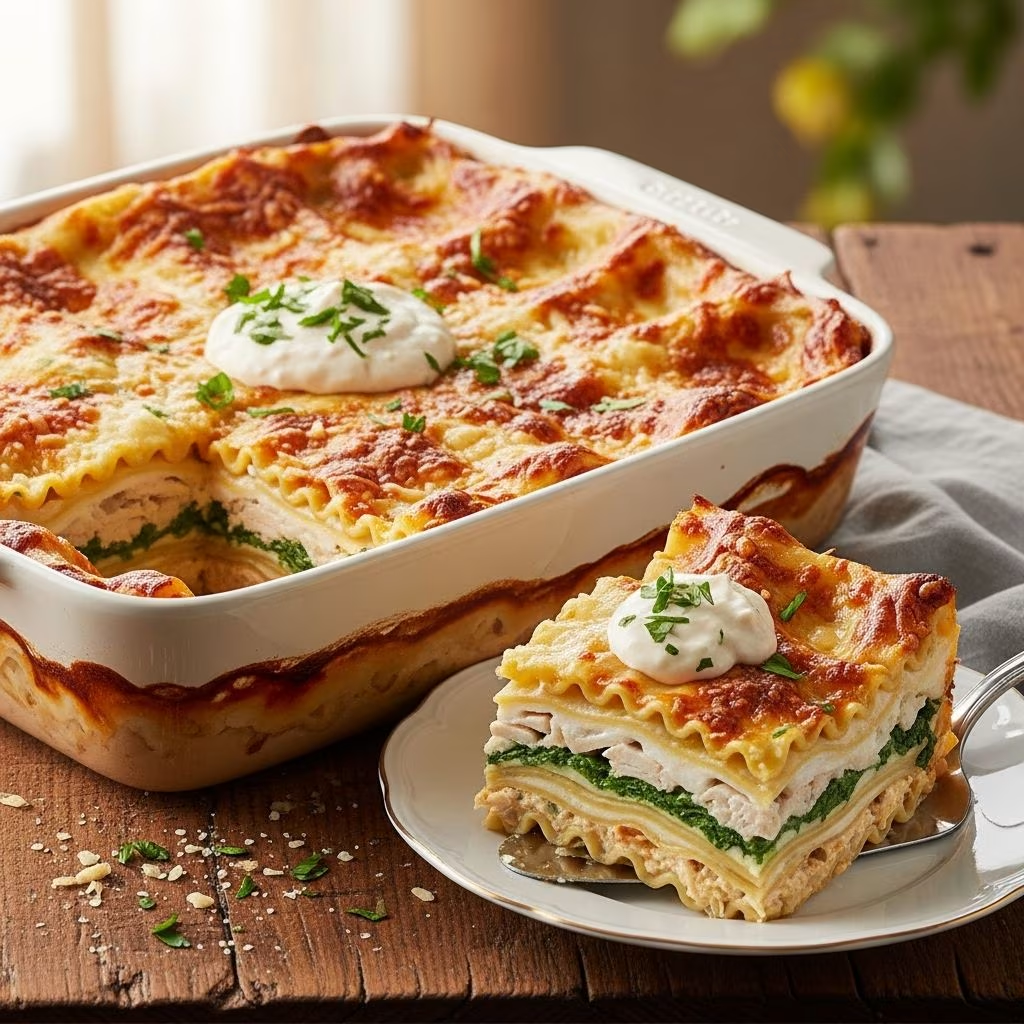
Alfredo lasagna represents a departure from traditional red-sauce Italian dishes, offering instead a luxurious, cream-based alternative that combines tender pasta layers with savory proteins and fresh vegetables. The marriage of chicken, spinach, and Alfredo sauce creates a sophisticated yet approachable dish suitable for both casual family dinners and special occasions. This guide walks you through ingredient selection, preparation techniques, and execution strategies to achieve restaurant-quality results in your own kitchen.
Understanding the Foundation: Core Ingredients and Their Roles
A successful chicken and spinach Alfredo lasagna depends on quality components working in harmony. The foundation begins with lasagna noodles, which serve as the structural framework for the entire dish. Traditional dried noodles require boiling, while no-boil varieties offer convenience without sacrificing texture.
Chicken functions as the primary protein source. Most recipes call for 3–4 cups of cooked, shredded chicken, which can be prepared through roasting, poaching, or using rotisserie chicken for time-saving efficiency. The shredding process is crucial—uniform pieces distribute evenly throughout layers and create a cohesive filling texture.
Fresh or frozen spinach adds nutritional density and subtle earthiness. Frozen chopped spinach requires thorough draining—this step cannot be overlooked, as excess moisture creates a soupy, watery lasagna. Culinary professionals recommend pressing thawed spinach firmly in a sieve or paper towels until completely dry.
The cheese component typically includes three varieties:
- Ricotta cheese (15 ounces whole-milk) provides a creamy, mild base for filling layers
- Mozzarella cheese (4 cups shredded) delivers stretchiness and melting quality
- Parmesan cheese (freshly grated) contributes sharp, distinctive flavor and helps create crispy edges
Crafting the Alfredo Sauce: Technique and Composition
The Alfredo sauce distinguishes this lasagna from conventional preparations. Unlike jarred alternatives, homemade versions offer superior flavor and texture control. The sauce typically begins with a roux—a combination of fat (butter or olive oil) and flour cooked together.
The standard preparation involves these steps:
- Melt 5 tablespoons unsalted butter in a medium saucepan over medium heat
- Add finely chopped onion (approximately ½ medium onion) and cook until translucent
- Incorporate minced garlic (1 tablespoon) and cook for one additional minute
- Whisk in 5 tablespoons all-purpose flour, stirring constantly for two minutes to eliminate raw flour taste
- Gradually add 2 cups whole milk and 1 cup heavy cream, whisking continuously to prevent lumps
- Bring the mixture to a boil, continuing to whisk as it thickens
- Remove from heat and stir in 1 cup freshly grated Parmesan cheese, 1 teaspoon salt, and ½ teaspoon pepper
Some recipes incorporate alternative ingredients for enhanced flavor. Boursin cheese, a garlic-and-herb-infused cheese product, can be melted into the sauce for additional complexity. When using this addition, reduce the cooking time to 2–3 minutes after adding Boursin to prevent overheating.
For those seeking lighter versions, substituting half-and-half or milk for heavy cream reduces overall calories without substantially compromising creaminess. The sauce should coat the back of a spoon when properly thickened—this visual indicator confirms adequate flour-to-liquid ratios.
Building the Spinach and Ricotta Layer
The spinach-ricotta filling forms critical flavor and textural components. Preparation begins by combining 15 ounces whole-fat ricotta cheese in a medium bowl with the thoroughly dried spinach. This combination should be seasoned liberally with salt and pepper to ensure adequate flavor distribution throughout the finished dish.
Optional enhancements can personalize the filling:
- Fresh chopped basil adds Mediterranean herbaceousness
- Nutmeg contributes subtle warmth and complexity
- Crushed red pepper flakes introduce gentle heat and sophistication
For ground chicken variations, the filling preparation differs slightly. Ground chicken should be cooked in olive oil with diced onion until the meat loses its pink color. Garlic is added during the final minute of cooking, followed by folding in the cottage cheese (or ricotta), spinach, and Italian seasoning. This approach creates a more integrated, cohesive filling compared to simply mixing components together.
Strategic Assembly: Layer Organization and Distribution
Proper assembly ensures even distribution of ingredients and optimal cooking results. The traditional layering approach follows this sequence:
- Spread one-fourth of the Alfredo sauce across the bottom of a 9×13-inch baking dish
- Arrange three lasagna noodles, breaking pieces as needed to fit
- Distribute one-third of the cooked chicken
- Spread one-third of the spinach-ricotta filling
- Layer one-third of the mozzarella cheese (approximately 1.5 cups)
- Repeat this sequence twice more
- Top with remaining noodles, remaining sauce, and ½ cup freshly shredded Parmesan cheese
This systematic approach prevents ingredient concentration in upper or lower sections, creating balanced flavor and texture in every portion. The Parmesan topping browns during baking, developing a savory crust that contrasts pleasantly with creamy interior layers.
Cooking Methods: Traditional Oven versus Slow Cooker
Two primary cooking approaches accommodate different scheduling needs and equipment availability.
Traditional Oven Baking: Bake covered lasagna at 375°F for approximately 50–60 minutes, until edges bubble actively and the center reaches food-safe temperatures. Covering with aluminum foil prevents excessive browning while allowing internal heating. During the final 10–15 minutes, remove foil to develop the Parmesan cheese crust.
Slow Cooker Method: For convenience-oriented preparation, slow cookers offer hands-off cooking. Using uncooked lasagna noodles directly in the slow cooker, layer ingredients following the sequence described above. Cook on low heat for 3.5–4.5 hours until edges bubble and the center heats through. This method works particularly well for meal planning, as the lasagna can cook during work hours.
Regardless of method, allowing the finished lasagna to rest for 10 minutes before serving permits sauce settling and makes portioning significantly easier.
Ingredient Variation and Customization Strategies
While the classic preparation remains excellent, thoughtful modifications accommodate preferences and dietary considerations.
Cheese Variations: Experimenting with different cheese combinations yields interesting results. Some recipes substitute cottage cheese for ricotta, offering a slightly tangier profile. Italian cheese blends (typically containing mozzarella, Romano, and Asiago) can replace all-mozzarella layers for additional complexity.
Vegetable Additions: Beyond spinach, incorporating artichoke hearts, mushrooms, or sun-dried tomatoes introduces textural and flavor dimensions. These additions should be chopped finely and distributed evenly through filling layers.
Protein Options: Ground chicken offers a more rustic texture compared to shredded preparations. Some cooks add sautéed mushrooms alongside chicken for umami depth. For seafood variations, shrimp or crab can replace chicken, though quantity should remain consistent at 3–4 cups cooked protein.
Preparation Timeline and Make-Ahead Strategies
Chicken and spinach Alfredo lasagna accommodates advance preparation, making it ideal for entertaining.
Full Assembly Ahead: Assemble the complete lasagna up to 24 hours before baking. Cover tightly with plastic wrap and refrigerate. Add approximately 15–20 minutes to the baking time, as the dish begins at refrigerator temperature rather than room temperature.
Component Preparation: Individual components can be prepared separately and combined closer to serving time. Alfredo sauce maintains quality refrigerated for up to 3 days. Cooked chicken freezes successfully for up to 3 months. Pre-drained spinach keeps refrigerated for 1–2 days.
Freezing Strategy: Unbaked assembled lasagna freezes effectively for up to 3 months. Thaw overnight in the refrigerator before baking, adding 10–15 minutes to standard cooking time.
Troubleshooting Common Preparation Issues
Several predictable challenges can disrupt the cooking process. Watery lasagna typically results from inadequately drained spinach—the moisture gradually leaches during baking, compromising the sauce’s consistency. Ensure spinach is pressed until completely dry, even if this requires multiple pressing applications.
Rubbery or tough chicken indicates overcooking during initial preparation. Cook chicken only until the thickest pieces register 165°F on an instant-read thermometer. Shredding still-warm chicken prevents drying as fibers relax slightly during the cooling process.
Sauce that breaks or separates during baking often results from overheating after cheese addition. Once Parmesan is fully incorporated, remove the sauce from heat immediately. If the sauce appears grainy or broken, whisk in small amounts of cold milk gradually until consistency smooths.
Serving Suggestions and Complementary Pairings
Presentation and accompaniments enhance the dining experience. A simple green salad with light vinaigrette provides refreshing contrast to the lasagna’s richness. Garlic bread or crusty bread absorbs sauce and complements the meal structurally.
Fresh herbs sprinkled over individual portions—particularly Italian parsley or basil—add visual appeal and subtle flavor enhancement. A modest glass of dry white wine pairs naturally with the Alfredo sauce’s cream and cheese components.
Leftover lasagna maintains quality refrigerated for 3–4 days. Reheat individual portions in a 350°F oven for 15–20 minutes until warmed through, or use a microwave for quicker results at reduced power settings to prevent overdrying.
References
- Chicken Alfredo Lasagna with Boursin — The Dizzy Cook. Accessed April 2026. https://thedizzycook.com/chicken-alfredo-lasagna/
- Easy Cheesy Chicken Alfredo Lasagna — A Spicy Perspective. Accessed April 2026. https://www.aspicyperspective.com/chicken-alfredo-lasagna/
- Chicken and Spinach Lasagna — Good in the Simple. Accessed April 2026. https://goodinthesimple.com/chicken-and-spinach-lasagna/
- Slow-Cooker Spinach Alfredo Lasagna Recipe — Betty Crocker. Accessed April 2026. https://www.bettycrocker.com/recipes/slow-cooker-spinach-alfredo-lasagna/78c0125d-3db7-4991-88c0-b670e1d147f4
- Spinach Chicken Alfredo Lasagna Roll-Ups — Norine’s Nest. Accessed April 2026. https://www.norinesnest.com/spinach-chicken-alfredo-lasagna-roll-ups/
- The Best Easy Chicken Alfredo Lasagna — Bake with Zoha. Accessed April 2026. https://bakewithzoha.com/chicken-alfredo-lasagna/