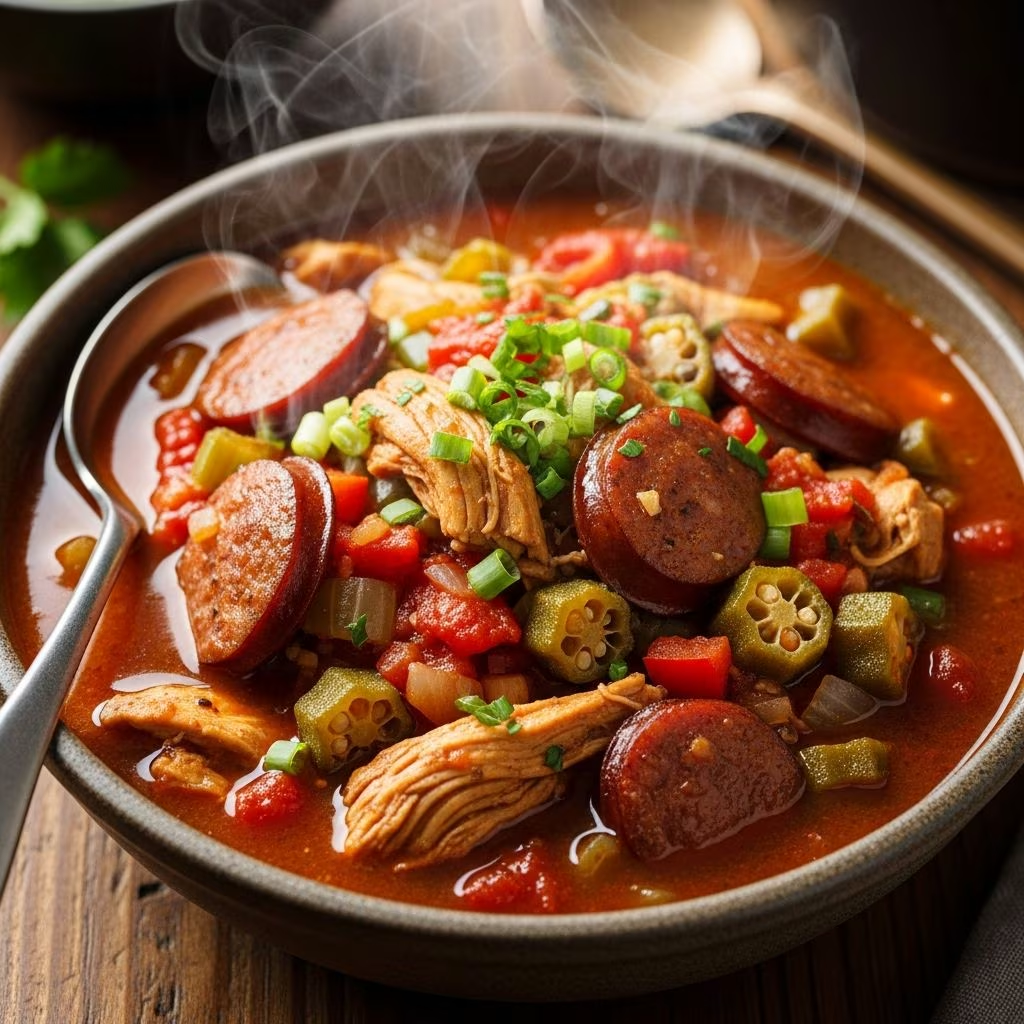
Gumbo stands as one of the most celebrated dishes emerging from Louisiana’s rich culinary heritage, representing centuries of cultural influence and flavor innovation. This hearty one-pot meal combines multiple protein sources, aromatic vegetables, and a carefully constructed base to create something greater than the sum of its parts. The chicken and sausage variation has become particularly popular, offering depth of flavor through the combination of tender poultry and spiced smoked meat. Understanding the techniques and components involved in preparing this dish allows home cooks to recreate authentic results that capture the essence of traditional Louisiana cooking.
Understanding Gumbo’s Foundational Elements
Every successful gumbo begins with understanding its core architectural components. The dish relies on several key elements working in harmony to achieve its distinctive character and satisfying texture. These foundational components have been refined through generations of cooking, each playing a specific role in the final result.
The Role of the Roux in Gumbo Preparation
The roux serves as the thickening agent and flavor base for gumbo, distinguishing it from many other stewed dishes. Unlike French preparations that aim for a blonde or light roux, gumbo traditionally employs a darker version that develops deeper, more complex flavors through extended cooking. This roux must be carefully monitored to prevent burning while achieving the desired color and taste profile. The cooking process requires constant attention, as the transformation happens gradually and can shift rapidly if heat is not properly managed.
Creating an effective roux involves combining equal parts flour and fat, typically derived from the drippings of browned meat or vegetable oil. The mixture must be stirred continuously over moderate heat for approximately thirty to forty minutes, allowing the flour particles to brown evenly. This extended cooking time allows flavors to concentrate and develop, creating the characteristic taste that distinguishes traditional gumbo from rushed preparations.
The Holy Trinity: Vegetables That Define the Flavor Profile
Louisiana cooking relies heavily on a vegetable combination known locally as the “holy trinity,” consisting of onions, celery, and bell peppers. This aromatic base provides the fundamental flavor structure for gumbo and numerous other regional preparations. The vegetables are typically diced into uniform pieces to promote even cooking and consistent flavor distribution throughout the dish.
The onions contribute sweet undertones and build the foundation of the sauce, while celery adds subtle herbaceous notes. Bell peppers, traditionally green in Louisiana cooking, introduce a mild vegetable character and slight sweetness that balances the richness of the meat components. These three vegetables must be added at the appropriate moment in the cooking process to ensure they reach the desired tenderness without becoming mushy or overcooked.
Selecting and Preparing Your Protein Components
The success of chicken and sausage gumbo depends significantly on choosing quality protein sources and preparing them correctly before incorporation into the main dish. Each protein brings distinct characteristics that contribute to the overall eating experience and flavor complexity.
Chicken Selection and Processing
Chicken pieces should be selected based on personal preference regarding meat composition and cooking time. Bone-in, skin-on pieces contribute additional flavor through the bones and connective tissues, enriching the cooking liquid as they braise. Alternatively, boneless options provide convenience and quicker cooking times, though they may require attention to prevent drying out during extended simmering.
Before adding chicken to the gumbo, many traditional recipes call for browning the pieces in a separate skillet. This browning process, known as searing, develops a flavorful crust through the Maillard reaction, a chemical process that creates complex taste compounds. The browned chicken is then removed and set aside, with its flavorful drippings potentially contributing to the roux preparation. This intermediate step, while requiring additional cookware, significantly enhances the final flavor profile of the finished dish.
Sausage Varieties and Preparation Methods
Sausage selection shapes the overall flavor character of the gumbo substantially. Andouille sausage, a smoked variety traditional to Louisiana cuisine, provides bold, spiced characteristics that define many regional preparations. This sausage is typically sliced into rounds before cooking, allowing maximum surface area for browning and flavor development. Some cooks prefer to slice it thickly for substantial bites, while others opt for thinner rounds that distribute throughout the dish more evenly.
Browning the sausage slices develops their exterior flavor and renders some of their fat, which can replace or supplement oil in the roux preparation. The rendered fat carries deep, savory notes that enhance the overall composition. After browning, sausage pieces are often removed from the pan and reserved, similar to the chicken, ensuring they maintain their texture rather than becoming overcooked during the extended braising period.
Building Flavor Through Layered Cooking Techniques
Creating complex, well-developed flavors requires understanding how different cooking stages contribute unique elements to the final dish. The sequential preparation of components allows each to reach its optimal state before combining into the unified gumbo.
Developing Depth Through Stock Selection
The liquid component of gumbo dramatically influences its final character. Chicken or vegetable stock provides the base for the sauce, carrying flavors from the vegetables, meat, and aromatics suspended within. Many cooks prefer using homemade stock, which offers greater control over sodium content and flavor intensity compared to commercial products. If store-bought stock is selected, low-sodium varieties allow for better seasoning control throughout the cooking process.
The quantity of stock used determines the gumbo’s final consistency. A more brothlike texture results from higher liquid ratios, while less stock creates a thicker, more stew-like preparation. Personal preference and intended serving method should guide this decision, with some preparations designed as appetizer portions in smaller bowls and others as main courses served over rice in larger quantities.
Seasoning Strategy and Flavor Balance
Successful seasoning requires understanding how different flavoring elements interact and develop over extended cooking periods. Bay leaves, thyme, and cayenne pepper form the traditional seasoning foundation, introducing herbaceous, aromatic, and spicy notes respectively. These seasonings should be introduced gradually, allowing the cook to taste and adjust as flavors meld and intensify.
Salt and pepper require particular attention, as their perception changes as the gumbo simmers and liquid reduces slightly through evaporation. Initial seasoning should be conservative, with final adjustments made immediately before serving when the actual salt concentration can be accurately evaluated. This approach prevents over-salting, which becomes problematic when the dish reduces further during serving or reheating.
Step-by-Step Preparation Guide
Following a structured approach ensures consistent results and prevents common pitfalls that can compromise the final dish. This methodical progression allows each element to develop properly before advancing to the next stage.
Initial Preparation Phase
- Organize all ingredients and equipment before beginning, ensuring quick access during cooking
- Cut the holy trinity vegetables into uniform pieces approximately one-quarter inch in size
- Portion chicken and sausage into appropriate serving sizes
- Measure stock and have it ready for addition at the appropriate time
- Gather all spices and seasonings in small bowls or containers
Protein Browning Stage
- Heat oil in a heavy-bottomed pot or Dutch oven over medium-high temperature
- Brown chicken pieces in batches, avoiding overcrowding that prevents proper searing
- Transfer browned chicken to a plate and set aside
- In the same pot, brown sausage slices until exterior surfaces develop color
- Remove sausage with a slotted spoon, leaving rendered fat in the pot
Roux Development
- Add flour to the rendered fat and meat drippings, creating a smooth paste
- Reduce heat to medium and stir constantly for thirty to forty minutes
- Monitor color changes, looking for development from tan to chocolate brown
- Maintain consistent stirring to ensure even browning and prevent burning
- Remove from heat once desired color is achieved
Building the Sauce Foundation
- Add diced onions to the hot roux, stirring to combine and coat with the mixture
- Continue cooking until onions soften, approximately five to seven minutes
- Add celery and bell peppers, stirring well to incorporate
- Allow vegetables to cook for an additional five minutes, softening slightly
- Gradually add stock while stirring constantly to prevent lumps from forming
Protein Reintegration and Simmering
- Return browned chicken and sausage to the pot
- Add bay leaves, thyme, and initial seasoning with cayenne pepper
- Bring the mixture to a gentle simmer, then reduce heat to maintain low bubbling
- Simmer for forty-five minutes to one hour, allowing flavors to meld
- Stir occasionally to ensure even cooking and prevent sticking
Final Seasoning and Serving
- Taste the gumbo and adjust seasonings as needed
- Remove bay leaves before serving
- Ladle into bowls and serve over steamed white rice
- Garnish with sliced green onions and fresh parsley if desired
Texture and Consistency Considerations
The ideal gumbo achieves a specific texture that balances thick sauce with distinct protein pieces. This consistency should coat the back of a spoon while remaining pourable, allowing the gumbo to distribute evenly over rice without creating an overly thick paste or thin soup.
If the gumbo becomes too thick during cooking, additional stock can be stirred in gradually until the desired consistency is reached. Conversely, if excessive liquid remains after the main cooking period, increasing the simmer temperature slightly will accelerate evaporation, allowing the sauce to reduce and thicken. These adjustments should be made gradually, tasting frequently to ensure the flavor concentration remains appropriate.
Storage and Make-Ahead Strategies
Gumbo frequently improves with time as flavors continue developing after cooking concludes. The dish stores well in the refrigerator for up to four days, with flavors often becoming more cohesive and refined during storage. For longer preservation, gumbo can be frozen in airtight containers for up to three months, making it an excellent candidate for batch cooking and meal preparation.
When reheating stored gumbo, gentle warmth preserves texture and prevents protein from becoming tough or overcooked. Stovetop reheating over low to medium heat, with occasional stirring, produces superior results compared to microwave methods. Additional stock might be necessary if the gumbo has thickened excessively during storage and reheating.
Common Techniques to Avoid
Several common mistakes can compromise the final result. Insufficient roux cooking prevents proper flavor development and can result in a grainy rather than smooth sauce. Overcrowding the pot during protein browning creates steam rather than searing, reducing the Maillard reaction development. Adding stock too quickly to the hot roux causes lumping and requires extensive straining to correct. Boiling rather than simmering the finished gumbo can cause proteins to become tough and textures to break down excessively.
Serving Suggestions and Complementary Items
Traditional service presents gumbo in bowls over steamed white rice, allowing the rice to absorb the flavorful sauce and provide textural contrast to the proteins and vegetables. Some regional preferences include serving the rice on the side rather than in the bowl, allowing diners to control the proportion according to personal preference.
Accompaniments that enhance the gumbo experience include fresh green onions, sliced thinly and scattered over the surface just before serving, and fresh parsley for color and herbaceous freshness. Hot sauce can be offered at the table for diners preferring additional spice beyond the baseline cayenne pepper. Cornbread or crusty bread provides a vehicle for soaking up any remaining sauce from the bowl.
Variations and Adaptations
While the chicken and sausage combination represents a classic preparation, gumbo accommodates numerous variations based on regional preferences and ingredient availability. Seafood versions incorporating shrimp and crab offer coastal interpretations, while vegetarian preparations focus on developing complex flavors through vegetable combinations and rich stock bases. Adjusting spice levels, extending simmering times for deeper flavor development, or incorporating additional aromatics like garlic and okra allows cooks to personalize the dish while maintaining its essential character.
References
- The Science of Cooking: Understanding the Biology and Chemistry Behind Food and Cooking — Dr. Stuart Farrimond, DK Publishing. 2021. Available through major academic and culinary institutions.
- Creole and Cajun Cooking: The Complete Illustrated Book — New Orleans School of Cooking. Published materials and official culinary education resources.
- The Flavor Bible: The Essential Reference for More Than 500 Ingredients and 13,000+ Flavor Combinations — Karen Page and Andrew Dornenburg, Little Brown. 2008.