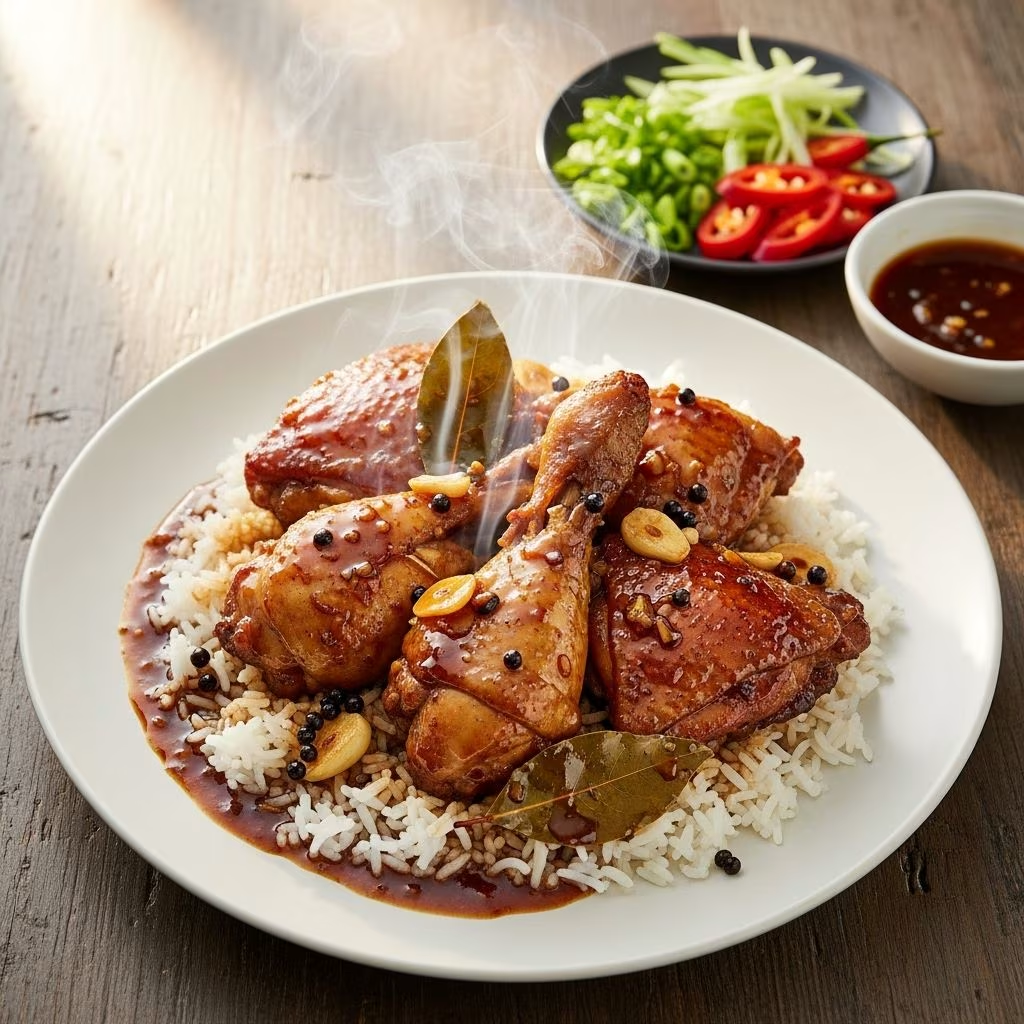
Chicken adobo stands as one of the most cherished dishes in Filipino cuisine, celebrated for its harmonious blend of tangy vinegar, savory soy sauce, and aromatic spices. This stewed chicken preparation offers tender meat enveloped in a glossy, flavorful sauce that clings to every bite. Whether you’re a novice cook or a seasoned home chef, mastering chicken adobo unlocks a gateway to bold, comforting flavors that pair perfectly with steamed rice.
Origins and Cultural Significance of Chicken Adobo
Adobo traces its roots to the Philippines, where it emerged as a preservation method long before refrigeration. The term “adobo” derives from the Spanish word for marinade, reflecting colonial influences, but the dish’s essence is deeply Filipino. Pre-colonial cooks used vinegar to cure meat, ensuring it remained safe in tropical climates. Over time, soy sauce—introduced via trade with Chinese merchants—became integral, creating the signature sweet-salty-tangy profile we know today.
In Filipino households, adobo symbolizes everyday comfort and family gatherings. It’s versatile, adapting to pork, seafood, or vegetables, but chicken adobo remains the most popular for its juicy tenderness. Regional variations abound: some areas favor coconut milk for creaminess, while others emphasize peppercorns for heat. This adaptability cements adobo’s status as the unofficial national dish, enjoyed from street stalls to fine dining.
Key Ingredients for Authentic Flavor
The beauty of chicken adobo lies in its simple pantry staples. Here’s what you need for 4-6 servings:
- Chicken: 2-3 lbs bone-in, skin-on thighs or drumsticks for maximum flavor and moisture retention.
- Soy sauce: 1/3 to 1/2 cup low-sodium variety to balance saltiness.
- Vinegar: 1/4 to 1/2 cup cane, coconut, or white vinegar for that sharp tang—avoid balsamic or red wine types.
- Garlic: 5-8 cloves, crushed or minced, for pungent aroma.
- Bay leaves: 2-4 dried leaves to infuse subtle earthiness.
- Black peppercorns: 1 tsp whole for bursts of spice (or ground if preferred).
- Brown sugar: 1-2 tbsp to mellow acidity and add caramel notes.
- Water or broth: 1-1.5 cups to adjust sauce consistency.
- Cooking oil: 2-3 tbsp neutral oil like canola for searing.
Optional add-ins like onions, green onions, or fish sauce elevate depth. Fresh ingredients ensure vibrancy, with bone-in chicken rendering fat that enriches the sauce.
Step-by-Step Cooking Method
Achieving perfect chicken adobo requires patience and technique. Follow these steps for restaurant-quality results.
- Marinate: In a bowl, mix soy sauce, vinegar, garlic, bay leaves, peppercorns, and sugar. Add chicken, ensuring full submersion. Refrigerate 1-12 hours—overnight yields deepest flavor infusion.
- Sear the chicken: Heat oil in a Dutch oven or deep skillet over medium-high. Pat chicken dry, then brown skin-side down for 5-7 minutes until golden. Flip and sear 3-4 minutes more. This Maillard reaction builds complex flavors.
- Deglaze and simmer: Pour in marinade, scraping browned bits. Add water to cover halfway. Bring to a boil, skim foam, then reduce to medium-low. Cover and simmer 25-35 minutes until chicken is tender (internal temp 165°F).
- Reduce the sauce: Uncover, raise heat to high, and cook 10-15 minutes, basting occasionally, until sauce thickens to a syrupy glaze.
- Rest and serve: Let sit 5 minutes off heat. Garnish with green onions or fried garlic. Serve hot with rice to soak up the sauce.
Total time: 1.5 hours (including marinate). Pro tip: Taste midway; adjust vinegar or sugar for balance.
Ingredient Variations and Substitutions
Chicken adobo invites creativity while staying true to roots. Use this table for swaps:
| Ingredient | Classic | Variation/Substitute | Effect |
|---|---|---|---|
| Chicken | Bone-in thighs | Boneless breasts or pork belly | Faster cook; richer fat |
| Vinegar | Cane vinegar | Apple cider or rice vinegar | Milder tang |
| Soy Sauce | Regular soy | Tamari (gluten-free) or coconut aminos | Lower sodium, umami boost |
| Spice | Peppercorns | Chili flakes or bird’s eye peppers | Added heat |
| Sweetener | Brown sugar | Honey or oyster sauce | Deeper caramel or seafood note |
For creamy adobo, stir in 1/2 cup coconut milk post-simmer. Vegetarian version: Swap chicken for tofu or mushrooms, marinating similarly.
Expert Tips for Perfection
- Don’t rush the vinegar: Add it after initial simmer to prevent toughness—vinegar’s acidity can over-tenderize if boiled too long.
- Skin-on is key: Crisp skin adds texture and fat that emulsifies the sauce.
- Quality matters: Seek Filipino brands like Datu Puti for soy and vinegar authenticity.
- Make ahead: Flavors intensify overnight; reheat gently on stovetop.
- Storage: Refrigerate up to 4 days or freeze 3 months. Sauce thickens upon cooling.
- Scaling: Double ingredients for crowds; use larger pot to avoid overcrowding.
Common pitfalls: Overcooking dries chicken; under-reducing leaves watery sauce. Use a thermometer for precision.
Health and Nutrition Insights
One serving (about 1 thigh + sauce) offers roughly 350 calories, 25g protein, 20g fat, and 10g carbs. Bone-in cooking retains nutrients like B vitamins. Opt for low-sodium soy to cut salt (aim under 1000mg/serving). Vinegar aids digestion; pair with veggies for balance. It’s keto-friendly sans sugar, gluten-free with tamari.
Pairing Suggestions and Serving Ideas
Steamed jasmine rice is non-negotiable, absorbing the glossy sauce. Sides: Atchara (pickled papaya), garlic fried rice, or stir-fried kangkong. Beverage: Iced calamansi juice cuts richness. For fusion, wrap in lettuce leaves taco-style.
Frequently Asked Questions (FAQs)
Can I use chicken breasts?
Yes, but breasts dry faster—marinate longer and simmer gently to 160°F internal.
What’s the best vinegar?
Cane vinegar for authenticity; substitutes like white work but lack nuanced sweetness.
Is marinating necessary?
Ideal for flavor, but skip for 45-minute weeknight version—still delicious.
How spicy is it?
Mild; add jalapeños or sriracha for heat.
Can I make it in a slow cooker?
Yes: Sear first, then low 4-6 hours. Reduce sauce stovetop after.
Vegetarian adobo?
Absolutely—firm tofu, eggplant, or jackfruit mimic texture perfectly.
Advanced Twists and Regional Recipes
Explore Batangas-style (extra garlic, no water for thicker sauce) or Adobong Puti (salt instead of soy). Fusion: Adobo fried chicken or ramen bowls. Experiment confidently—adobo forgives tweaks.
This guide equips you to create memorable meals. Chicken adobo’s enduring appeal lies in its simplicity and adaptability, proving that profound taste needs few ingredients.
References
- Filipino Chicken Adobo Recipe — Panlasang Pinoy. 2023-05-15. https://panlasangpinoy.com/filipino-chicken-adobo-recipe/
- Chicken Adobo (Filipino-Style) — Butter Be Ready. 2022-11-10. https://www.butterbeready.com/chicken-adobo-filipino-style/
- Filipino Chicken Adobo (Flavour Kapow!) — RecipeTin Eats. 2021-08-20. https://www.recipetineats.com/filipino-chicken-adobo-flavour-kapow/
- Classic Chicken Adobo — Iankewks. 2024-02-28. https://www.iankewks.com/classic-chicken-adobo/
- The BEST Chicken Adobo Recipe — Seonkyoung Longest. 2023-09-12. https://seonkyounglongest.com/chicken-adobo/